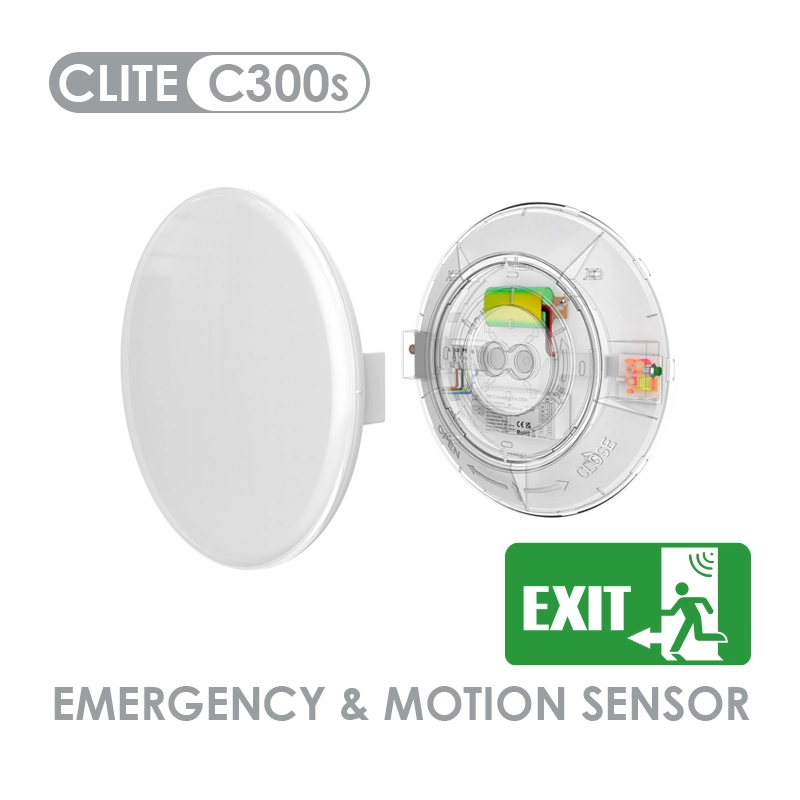
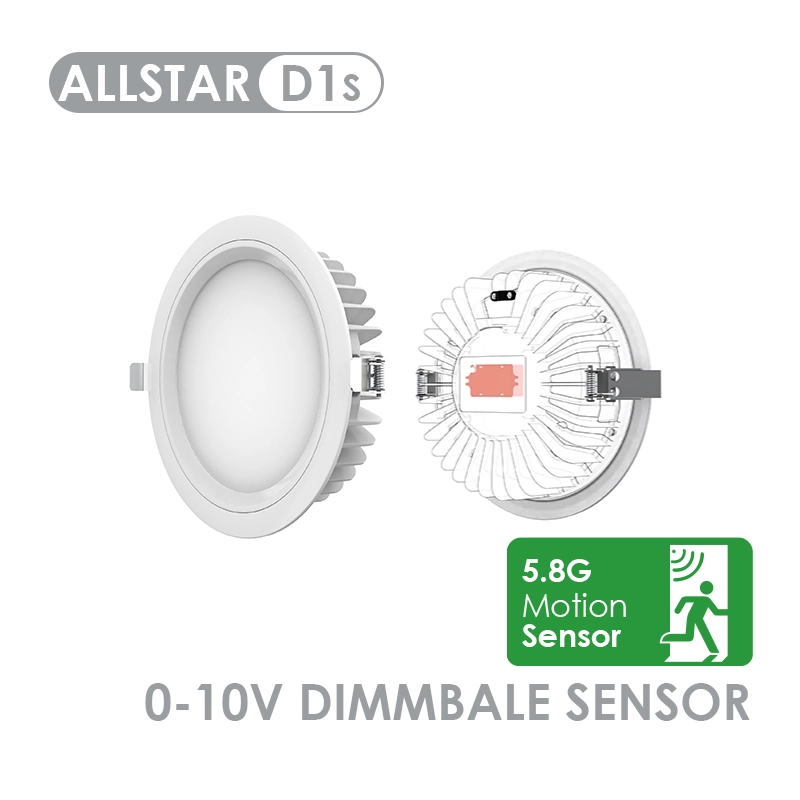
Motion sensor lighting cuts energy bills only when the control sequence captures real vacancy hours without making people disable the system. The buyer’s job is therefore not to ask whether a fixture has a sensor; it is to define the zone, standby level, hold time, commissioning rule, and payback assumption before the sample is approved.
Key Takeaways
- Energy savings come from reduced full-output hours, not from the sensor label itself.
- Zone design, standby dimming, mounting height, and commissioning usually matter more than choosing PIR or microwave in isolation.
- A credible payback estimate should separate LED wattage reduction, control savings, and maintenance effects.
- For ODM projects, sensor behavior should be written into the RFQ before the fixture sample is built.
When Motion Sensors Actually Reduce Lighting Cost
The useful savings question starts with idle time
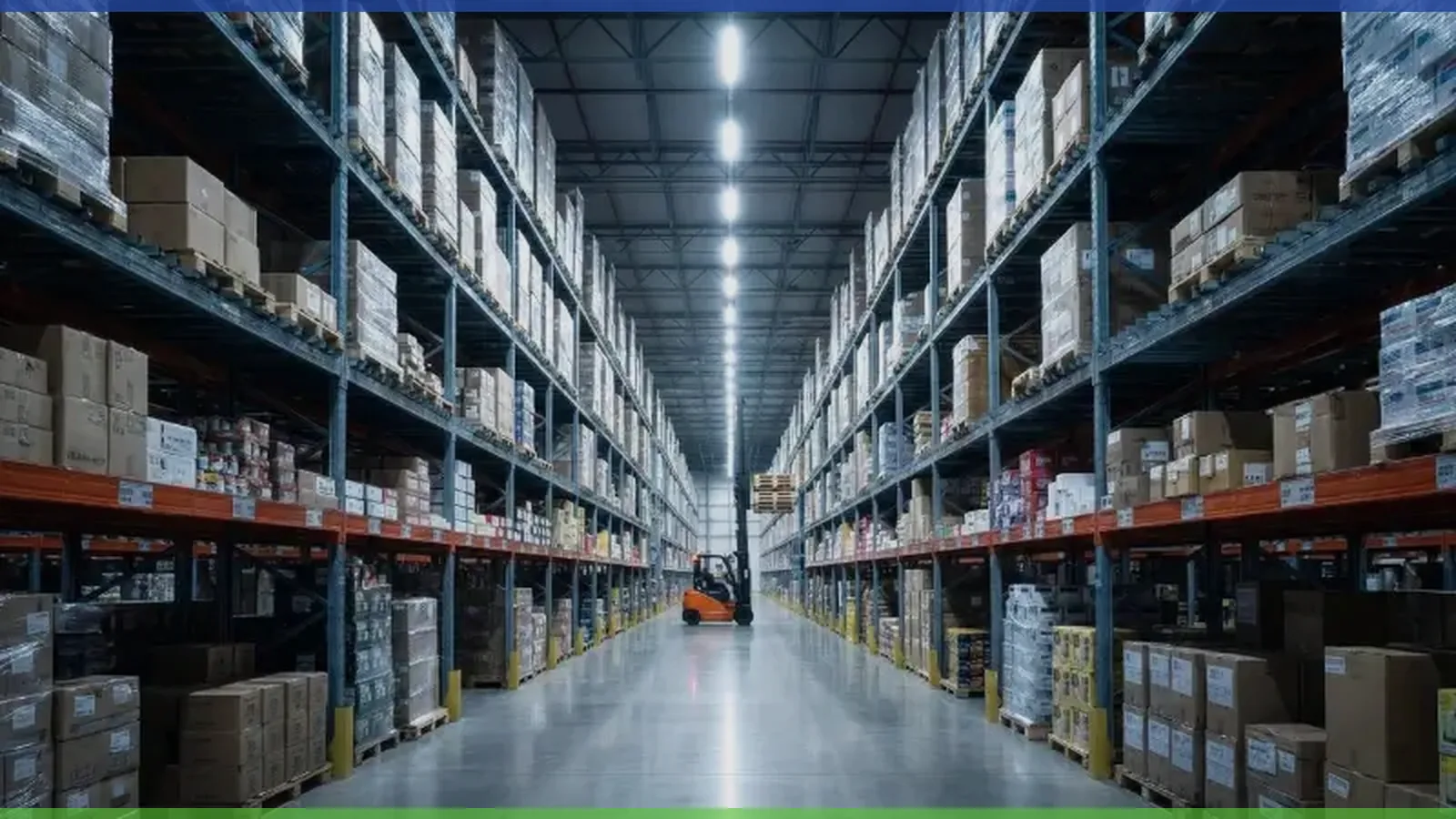
A motion sensor saves energy by changing what happens when a space is unoccupied or lightly used. In a corridor, stairwell, parking bay, warehouse aisle, freezer vestibule, or backroom, the fixture may stay at full output during traffic and drop to a lower level during idle time. The saving is the difference between those two states across the actual operating schedule.
GSA describes integrated advanced lighting controls as systems that use onboard occupancy and daylight sensors to determine light levels dynamically. That language is important because the control is a system behavior, not a loose accessory. A buyer who asks only for “motion sensor lights” can receive a working fixture that still wastes energy because the sensor controls too many luminaires, uses a long hold time, or never reaches a useful standby level.
LED retrofit savings and control savings should not be mixed together
Many projects claim one large savings number after replacing old fluorescent or HID lighting with LEDs and adding controls at the same time. That can be valid as a project result, but it can mislead procurement. LED efficacy savings come from lower watts for the same task. Sensor savings come from fewer hours at full output. Maintenance savings come from longer life, better access strategy, and fewer lamp changes. If those effects are not separated, a buyer may overpay for controls in a zone that is rarely empty.
The GSA GPG024 findings reported 69% lighting energy savings over the GSA average for evaluated fixtures with integrated advanced lighting controls, while GSA wireless advanced lighting controls findings reported that savings depended heavily on baseline conditions. The practical lesson is restraint: strong results are possible, but the buyer must test whether the baseline and traffic pattern resemble the project being quoted.
The Payback Model Buyers Should Use Before Sampling
A simple formula exposes whether the zone is worth controlling
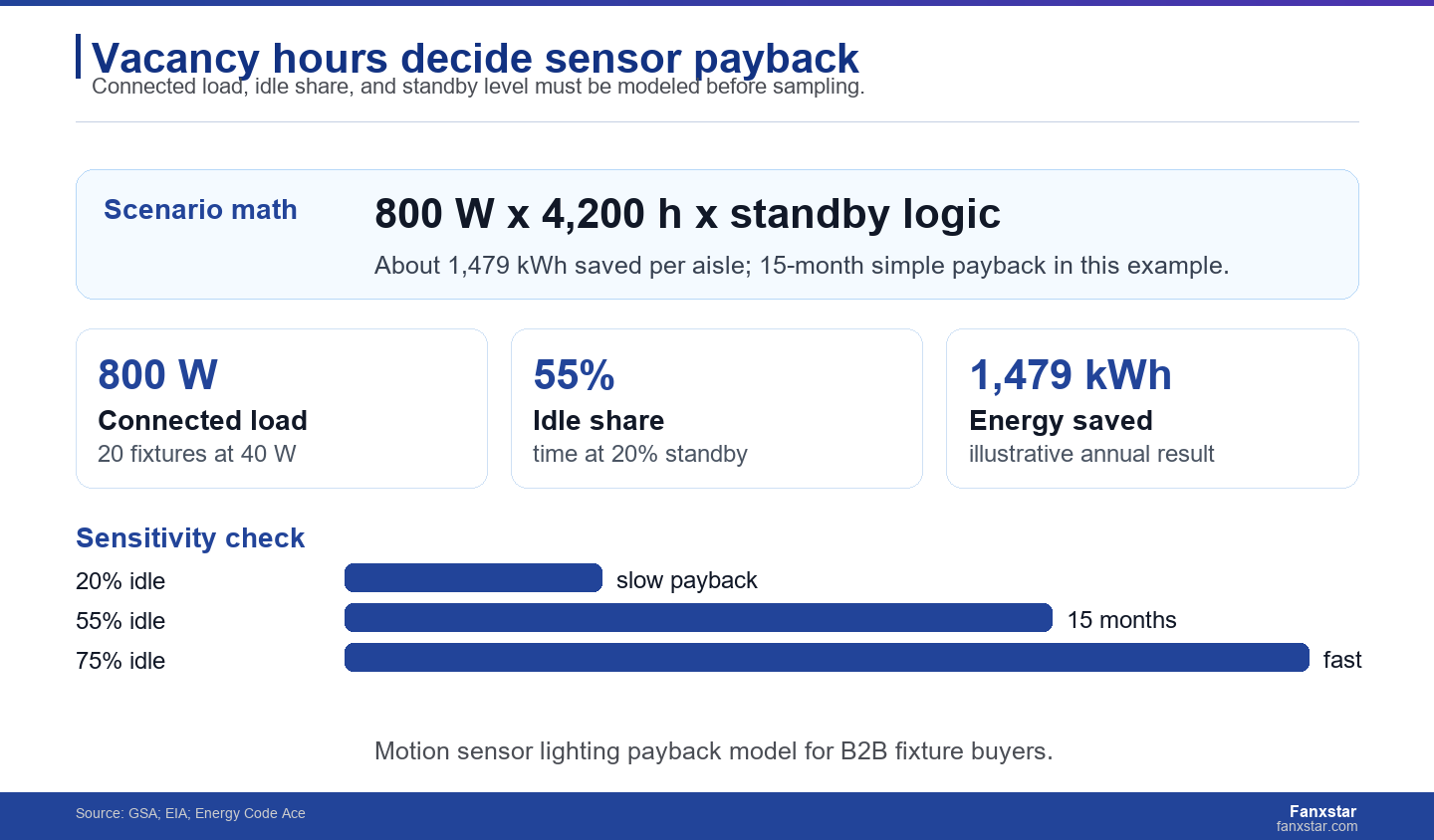
Use this scenario estimate before comparing sensor modules. Assume a warehouse aisle has 20 fixtures at 40 W each, so the connected load is 800 W. The site operates 14 hours per day for 300 days, or 4,200 hours per year. Without controls, the aisle uses about 3,360 kWh per year. If the control sequence keeps full output for 45% of operating time and 20% standby for 55%, annual use falls to about 1,881 kWh. At USD 0.14/kWh, the energy saving is about USD 207 per year for that aisle.
This is an illustrative calculation, not a promise for every site. The formula is connected watts x annual hours x output level. If the sensor and commissioning premium for that aisle is USD 260, simple energy payback is roughly 15 months. If the idle share is only 20%, the same hardware may need far longer to pay back. That is why vacancy hours should be estimated before the fixture sample is locked.
Payback changes when the baseline is misunderstood
The largest procurement mistake is to compare the controlled fixture against a theoretical old system rather than the real baseline. If the site already has a schedule timer, manual switching discipline, or partial daylight operation, the sensor has fewer waste hours to capture. If the site currently runs 24/7 because staff do not trust switches, the control opportunity may be much larger than the fixture count suggests.
Buyers should therefore ask for two payback views: one against the actual current operation and one against the planned LED-only case. The first view explains total project economics; the second shows whether the sensor package itself earns its price. Separating those two views avoids approving an expensive control option only because the LED retrofit was already attractive.
Use control scenarios, not generic percentages
The GSA LED lighting and controls guidance includes life-cycle examples where zone-based controls, luminaire-level controls, networked controls, and HVAC integration produce different economics. The message for a buyer is that one savings percentage cannot cover all buildings. A restroom, stairwell, parking garage, logistics aisle, and office work area can all justify different control depth.
The payback model should include material cost, commissioning time, lift access, sensor replacement risk, and the cost of complaints. A warehouse can lose confidence in a system if drivers turn off too aggressively near forklifts. A parking garage can create safety concerns if standby levels are too low. A supermarket backroom can save energy without reducing shopper-facing visual quality, but only if the zone boundary is drawn correctly.
Control Design Variables That Change the Result
Sensor type follows the site geometry
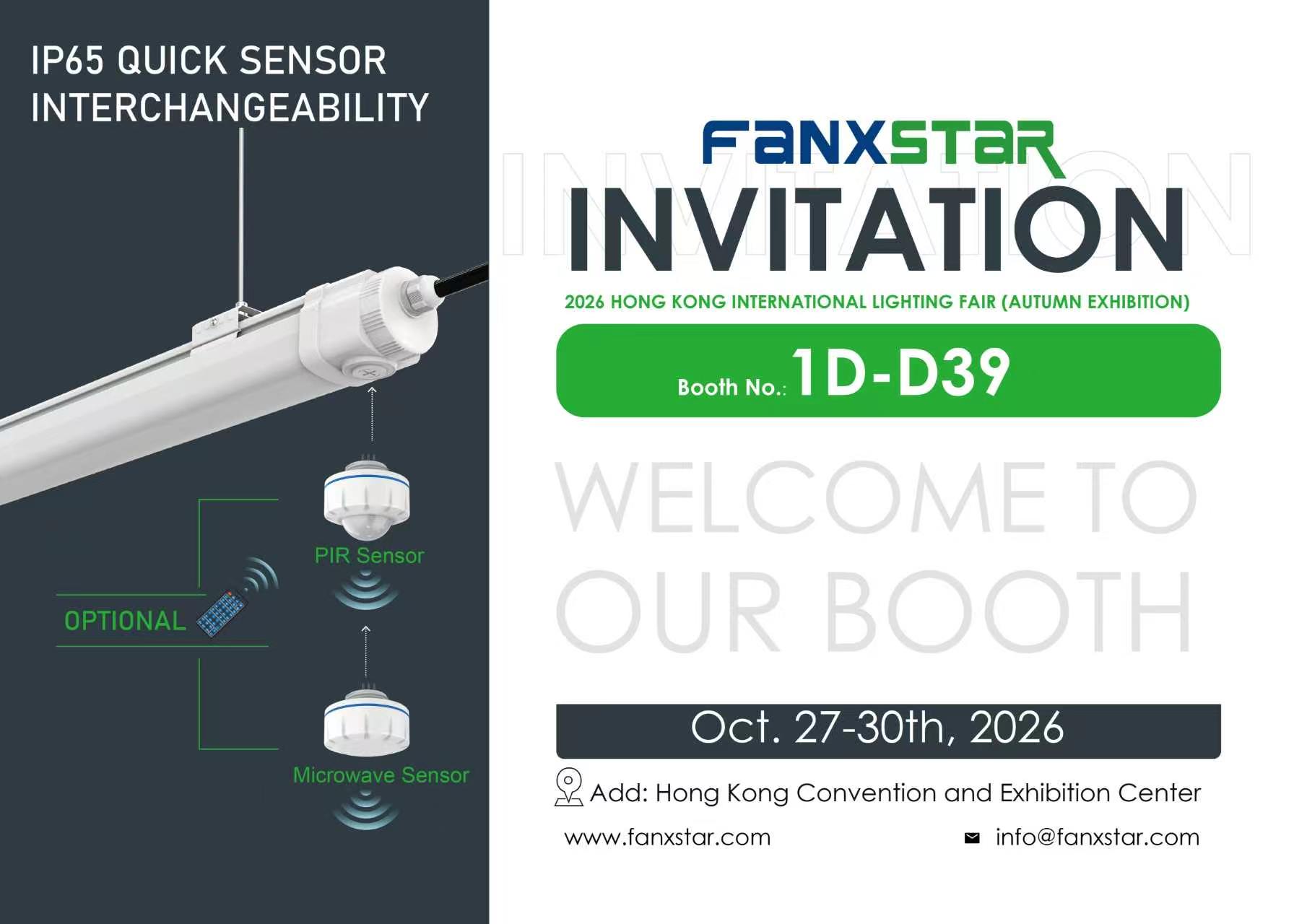
PIR and microwave sensors both have legitimate uses. PIR depends on thermal movement and line-of-sight; microwave sensing can behave differently around obstructions, mounting positions, and enclosure materials. The buyer should choose the sensor only after defining mounting height, aisle width, movement speed, ambient temperature, and whether the fixture has a diffuser or enclosed body that affects detection.
EIA’s 2018 CBECS building-characteristics report identifies occupancy sensors as a common commercial lighting feature, used in 17% of buildings and covering 46% of floorspace. That broad adoption does not mean every zone should use the same sequence. It means buyers should expect sensor behavior to be a normal design topic and ask for configuration evidence rather than treating controls as an optional checkbox.
Standby level is the hidden savings lever
In many commercial and industrial spaces, full off is too aggressive. A 10%, 20%, or 30% standby level can preserve orientation while lowering power. The right level depends on pedestrian safety, camera visibility, egress expectation, task type, and local code or owner policy. Long hold times feel safe but reduce savings. Short hold times save more but can irritate users if detection is incomplete.
Energy Code Ace’s mandatory lighting controls reference shows why controls are now embedded in compliance thinking: shutoff, area control, and occupancy behavior are not side topics. Even when a buyer is not designing for California Title 24, the structure of the requirement helps frame a better RFQ: define area, control method, shutoff behavior, and acceptance check before purchase.
Commissioning is where theoretical savings are won or lost
Motion sensor lighting is easy to buy and surprisingly easy to miscommission. A supplier can ship a good fixture while the installed site still performs poorly because the hold time is left at a factory default, the sensor looks across the wrong aisle, or one control zone includes areas with different traffic patterns. The buyer should budget for adjustment time instead of treating commissioning as a minor accessory.
A practical acceptance test uses the actual zone map. Walk the low-traffic path, the normal working path, and the edge condition near doors, corners, racks, pillars, or parked vehicles. Confirm that lights recover before the worker reaches the task area, that standby level preserves orientation, and that override behavior is clear to maintenance staff. The best energy model can fail if the people using the space decide the system is annoying and disable it.
How to Specify Motion Sensor Lighting in an RFQ
Ask for a control sequence, not a product phrase
A useful RFQ sentence is: “Quote the fixture platform with the sensor type, detection zone, mounting height, standby level, hold time, override rule, and commissioning method required for this application.” That wording forces the supplier to describe behavior. It also makes quotations easier to compare because one offer cannot hide behind a generic “with sensor” line while another includes real commissioning work.
The sample acceptance rule should be equally clear. Ask the supplier to provide a short video or test note showing detection at planned mounting height, transition from standby to full output, hold time, and recovery after no motion. If the product uses a sensor inside a sealed housing, confirm that the housing and diffuser do not change detection behavior. If the product will be installed in a cold room or parking garage, test in a representative condition where possible.
Separate building-control value from fixture value
Advanced controls can be networked, luminaire-level, room-based, or integrated with other building systems. GSA’s lighting efficiency page recommends occupancy sensors for task lighting to avoid lights being left on when spaces are unoccupied. That is a useful principle, but it does not tell a buyer whether a standalone fixture sensor, a zone controller, or a networked system is the best purchase.
The buyer should decide what needs to be controlled at fixture level and what belongs to the building system. For parking garages, warehouses, and utility corridors, fixture-level or small-zone control may be practical. For a large campus or data center, central monitoring and diagnostics may matter more. The wrong architecture can save energy while creating maintenance complexity.
Fanxstar Application Fit for Sensor Lighting Buyers
ODM value appears before the sample is frozen
Fanxstar is relevant here because motion sensor lighting becomes more reliable when fixture platform, driver, sensor, housing, optics, cable entry, and standby behavior are designed together. A buyer can start with motion sensor LED lighting for product-family context, then use the Fanxstar custom LED lighting ODM service to convert the control sequence into a sample brief.
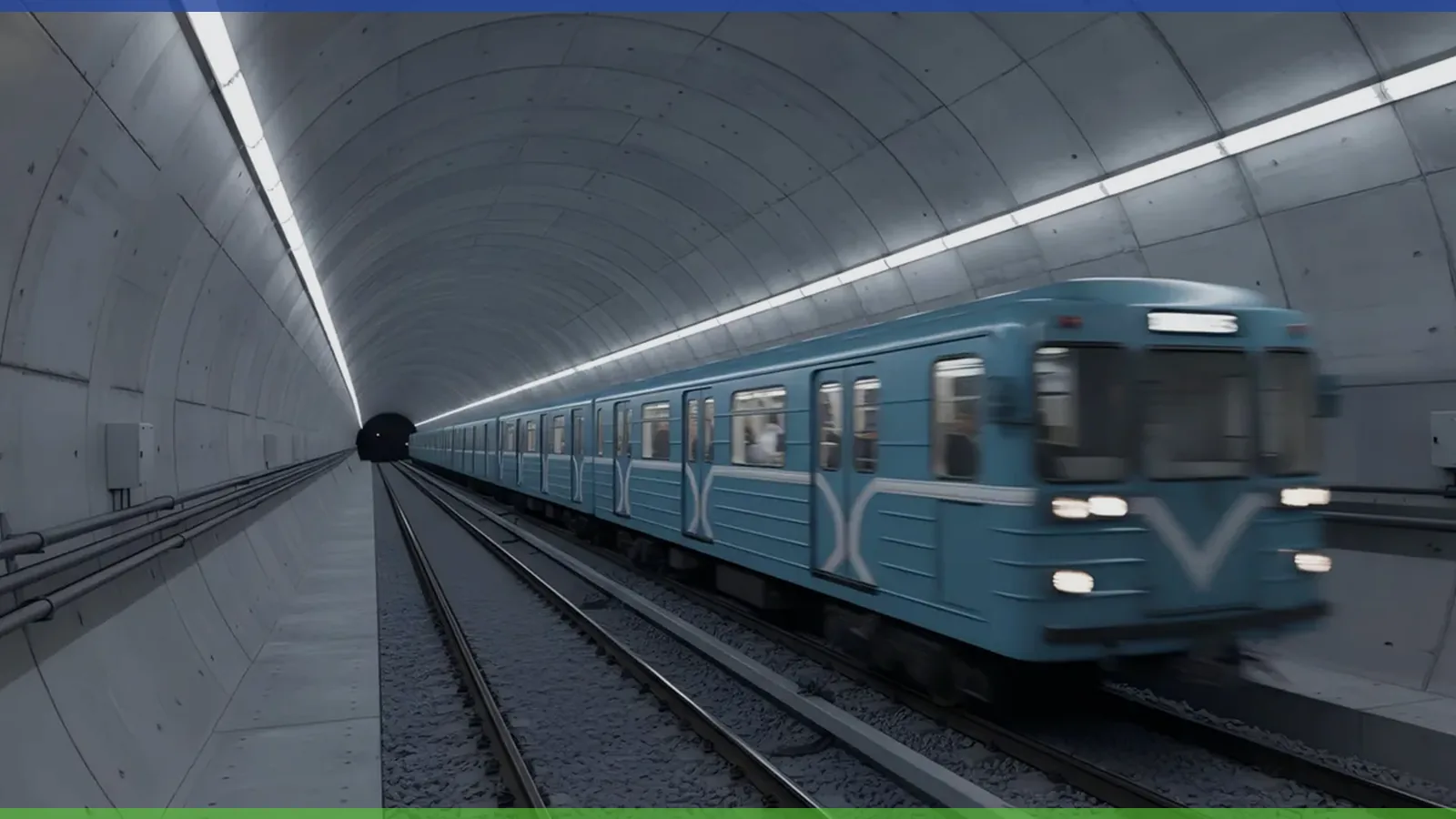
For parking garages, service corridors, warehouses, backrooms, and wet-location utility zones, the sample should name fixture wattage, detection pattern, standby output, hold time, voltage, mounting height, and target market. That keeps the quote from drifting into a low-cost sensor option that does not match the operating site.
The same discipline matters for fixture families that look similar from the outside. A linear weatherproof body, parking fixture, or sensor-ready utility light can share a housing while using a different driver, sensor lens, cable entry, or emergency option. If the buyer treats those variants as interchangeable, the payback and user-experience assumptions can quietly change between sample approval and mass production.
What to send before asking for a quote
Send a simple zone schedule: operating hours, estimated idle share, mounting height, fixture count, required standby level, and any safety constraint. If the site already has a failed control system, include the failure mode: nuisance switching, missed detection, excessive standby, difficult programming, or disabled overrides. Fanxstar can then map the request to a fixture and control path instead of guessing from a broad product name.
The strongest buyer decision is not “sensor or no sensor.” It is whether the control sequence saves enough full-output hours to justify cost while preserving safety and user confidence.
FAQ
How much can motion sensor lighting reduce energy bills?
Motion sensor lighting can reduce bills significantly in zones with long idle periods, but savings depend on connected watts, operating hours, standby level, and commissioning. A warehouse aisle or parking bay with predictable vacancy can justify controls faster than a constantly occupied area.
Is dim-to-standby better than switching lights fully off?
Dim-to-standby is often better in public, safety-sensitive, or camera-monitored areas because it preserves background visibility. Full off can work in low-risk storage zones, but only when the transition does not create complaints or safety concerns.
Should buyers choose PIR or microwave sensors?
Buyers should choose the sensor after defining mounting height, movement pattern, enclosure, temperature, and detection zone. PIR and microwave sensors solve different site problems, so the control sequence and pilot test matter more than a generic technology preference.
What should be tested before approving a motion sensor LED sample?
Test detection coverage, standby-to-full transition, hold time, override behavior, and behavior at the intended mounting height. The sample record should also match the driver, sensor module, housing, and wiring that will be used in production.