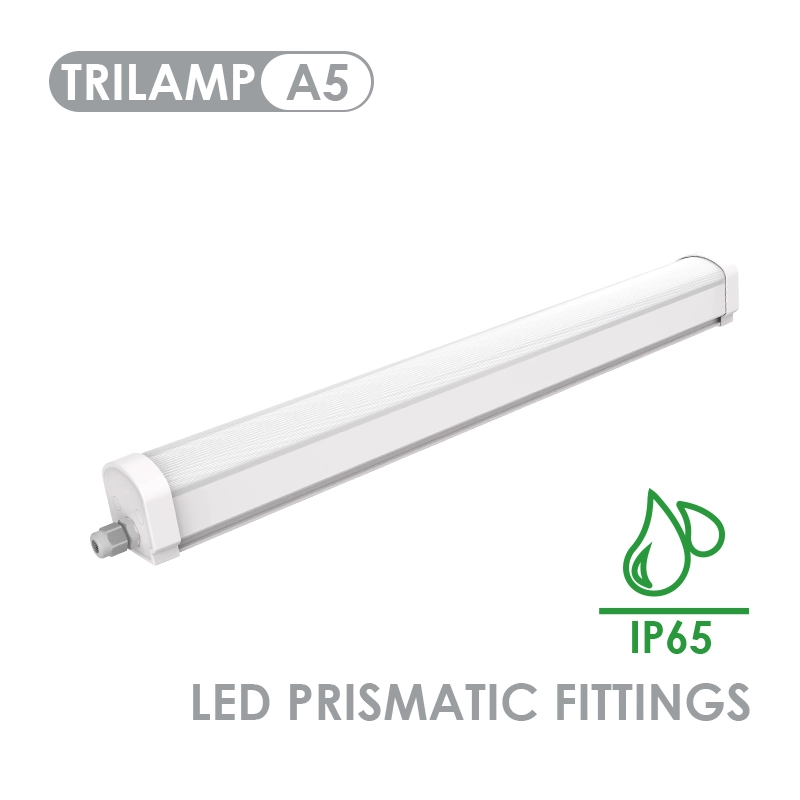
In the procurement of industrial lighting, the “initial purchase price” is often a deceptive metric. Facility managers frequently find that selecting entry-level, budget-grade tri-proof lights results in a cascade of hidden operational expenses that surface within the first 18 months of operation. These unrated alternatives often lack the thermal management and component integrity required for high-duty cycles, leading to frequent failures and expensive maintenance labor. This guide explores the technical logic behind the Total Cost of Ownership (TCO) and why high-standard engineering is the only sustainable strategy for facility lighting.
Key Takeaways
-
The Quality Gap: Budget fixtures utilize low-grade LED chips and substandard drivers, leading to rapid lumen depreciation and premature failure.
-
Thermal Management: Aluminum-backed housings dissipate heat far better than full plastic units, extending the L80 lifespan of the LED array to 74,000+ hours.
-
Labor Inflation: The cost of “ladder time”—the labor required to replace a single failed unit—often exceeds the price of a premium fixture.
-
Smart Safety: Premium tri-proof lights feature automated self-testing and high-voltage protection that budget units lack, reducing manual inspection overhead by 70%.
-
Battery Reliability: High-end emergency units utilize LiFePO4 chemistry, which handles 2,000+ charge cycles compared to the short-lived Ni-Cd variants in cheap lights.
Technical Breakdown: Why Budget Fixtures Fail Prematurely
The lifespan of a luminaire is dictated by its weakest component. In entry-level industrial lights, the failure is rarely the LED chip itself, but rather the internal driver or the lack of effective heat dispersion. Choosing high-quality LED fixtures involves looking past the wattage label into the engineering topology.
1. Poor Component Selection and Driver Degradation
Substandard drivers utilize low-cost electrolytic capacitors that dry out when exposed to the continuous heat generated in industrial bays. As these capacitors fail, the current regulated to the LED chips fluctuates, causing flicker and eventual burnout. Furthermore, budget units often have a high Total Harmonic Distortion (THD), which introduces electrical noise into the facility’s power grid, potentially interfering with sensitive automation sensors.
2. Luminous Maintenance Rates (L70/L80)
Every LED loses brightness over time. Premium fixtures adhere to an L80 rating, meaning they maintain 80% of their initial brightness after 74,000 hours. Budget fixtures often lack these certifications, experiencing visible “dimming” within the first year. This forces facility teams to replace bulbs more frequently to meet mandatory safety lux levels, driving up the Operating Cost per square foot.
|
Fixture Feature |
Budget-Grade Tri-proof |
Fanxstar Premium Series |
|---|---|---|
|
Housing Material |
Thin PC or ABS Plastic |
AL6063 Aluminum / Thick PC |
|
Driver Certification |
Unrated / Generic |
UL/CE Certified Flicker-Free |
|
Lumen Maintenance |
Rapid Decay (<15,000 hrs) |
L80 (74,000 hrs+) |
|
Ingress Protection |
Standard IP65 |
Hermetic IP66 / IP69K |
|
Thermal Conductivity |
Poor (Heat traps inside) |
Superior (Active Heat Sink) |
Thermal Management: The Silent Life-Saver
Heat is the primary catalyst for LED failure. High-efficacy chips reaching 185 lm/W generate concentrated thermal energy at the junction point. Aluminum alloy housings act as a proactive cooling engine, drawing heat away from the chips and dissipating it into the surrounding air. In contrast, full plastic fixtures act as insulators, trapping heat and accelerating the aging of the internal circuitry.
“In industrial lighting, the material choice is as critical as the LED chip itself. An aluminum heat sink is essentially an insurance policy for the fixture’s stated lifespan.”
The Hidden Cost of Maintenance Labor (Ladder Time)
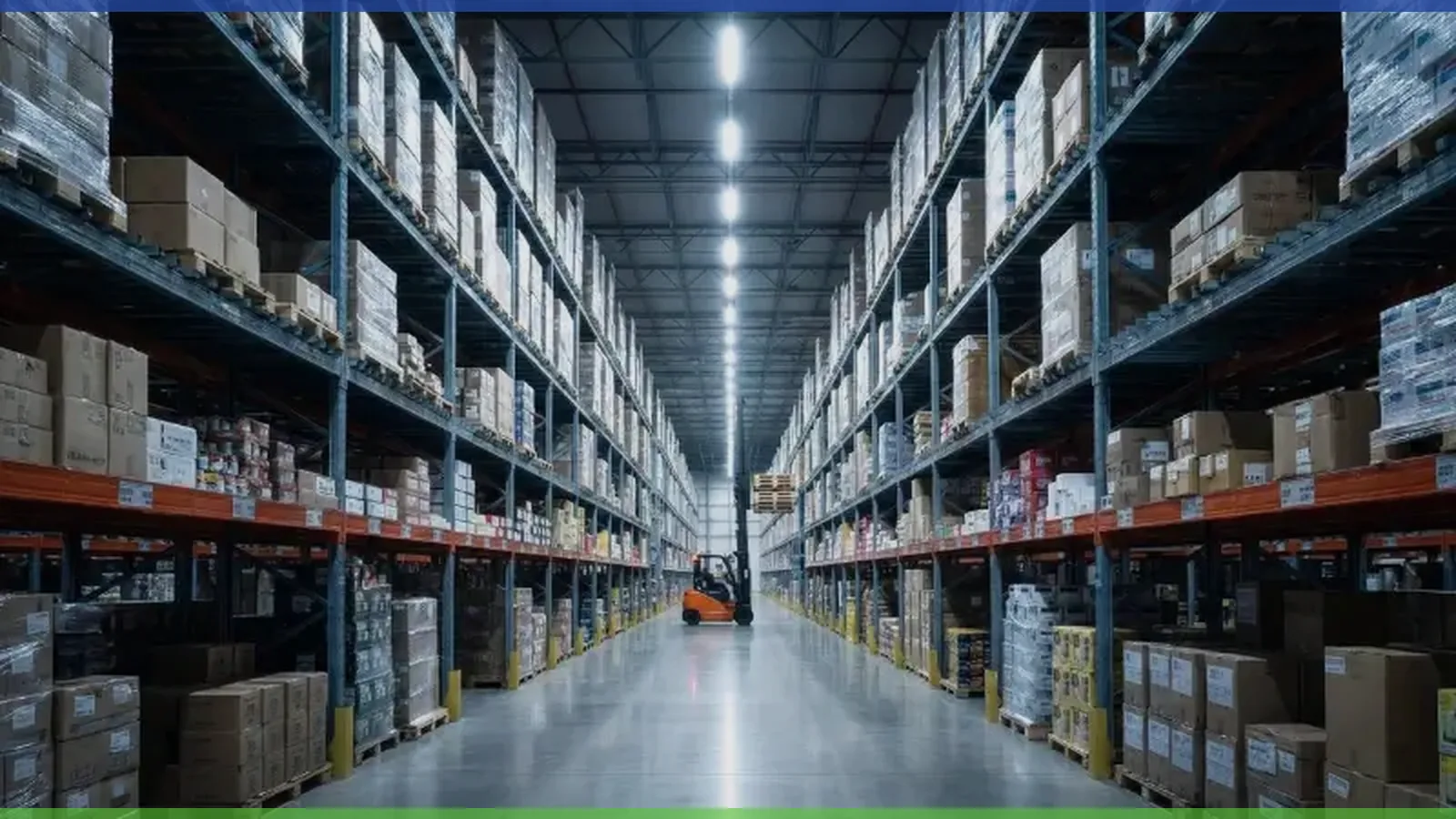
Facility managers often underestimate the cost of labor. In a high-ceiling warehouse or production floor, replacing a light is not a simple task. It requires:
-
Equipment Rental: Scissor lift rentals can cost $200-$500 per day.
-
Safety Protocols: Sections of the production floor must be cordoned off, leading to operational downtime.
-
Specialized Labor: Licensed electricians command hourly rates that often exceed the price of the light fixture itself.
By investing in long-term LED solutions, you eliminate these recurring maintenance spikes. A premium Fanxstar fixture is designed for “install and forget” performance, often operating for 10-15 years without a single service intervention.

Intelligent Features: Automated Safety and Compliance
Compliance with emergency lighting regulations is a major administrative burden. Budget lights require manual monthly testing, which is labor-intensive and prone to human error. Modern, professional-grade tri-proof luminaires integrate automated self-testing diagnostics.
These smart systems conduct routine 30-second functional tests and bi-annual discharge tests autonomously. Status is signaled via a multi-color LED indicator, allowing a supervisor to verify facility-wide compliance at a glance. When combined with advanced LiFePO4 battery technology—which handles extreme temperatures far better than old Ni-Cd packs—the maintenance requirement for emergency modules drops by nearly 80%.
Economic Logic: Total Cost of Ownership (TCO) vs. ROI
A pragmatic TCO analysis reveals that a “cheap” $40 light often costs twice as much as an $80 premium light over a five-year period when factoring in energy waste and repair labor. High-efficacy LEDs (up to 185 lm/W) can cut electricity bills by up to 60%, paying back the higher CAPEX within the first 12-18 months.
|
TCO Component (5 Years) |
Budget Lighting Path |
Fanxstar Premium Path |
|---|---|---|
|
Initial Fixture Cost |
$4,000 |
$8,500 |
|
Energy Consumption Cost |
$12,000 |
$4,200 |
|
Replacement Labor & Lifts |
$5,500 |
$0 |
|
Regulatory Compliance Labor |
$2,000 |
$400 |
|
Total 5-Year Expense |
$23,500 |
$13,100 |
Summary: Securing Your Facility’s Future
The conclusion for modern industrial facilities is clear: choosing substandard lighting is a classic case of “throwing good money after bad.” To maximize ROI and ensure a safe visual environment, managers should prioritize IP66/IK10 ratings, certified flicker-free drivers, and robust thermal engineering. Upgrading to high-standard vapor-tight LED fixtures ensures that your facility remains compliant, efficient, and productive for years beyond the initial investment.
Frequently Asked Questions (FAQ)
What does “Tri-proof” actually mean for my facility?
It signifies that the fixture is waterproof, dustproof, and anti-corrosive. High-standard models also offer impact resistance (IK10), ensuring they survive the daily mechanical and environmental stressors of a factory or warehouse.
How does a premium driver reduce my maintenance bill?
Premium drivers are built with higher-quality capacitors and integrated protection circuits. They are less likely to fail during power surges or high ambient heat, eliminating the most common reason for a maintenance service call.
Are long warranties on cheap lights reliable?
Often, they are not. Many unrated suppliers disappear or make the claim process so difficult that it is easier to buy new fixtures. A warranty is only as strong as the manufacturer’s established reputation and technical support infrastructure.
Can I use these lights in high-temperature environments?
Yes, but you must specify fixtures with AL6063 aluminum housings. Plastic-only units will fail prematurely in high-heat zones like boiler rooms or non-ventilated ceiling decks.
What is the maintenance difference between Ni-Cd and LiFePO4 batteries?
Ni-Cd batteries suffer from a “memory effect” and typically last 2-3 years. LiFePO4 batteries are maintenance-free, handle deep discharge better, and typically offer an 8-10 year service life.
Ready to secure your facility’s ROI? Explore Fanxstar’s High-Performance LED Solutions and say goodbye to expensive budget lighting failures.