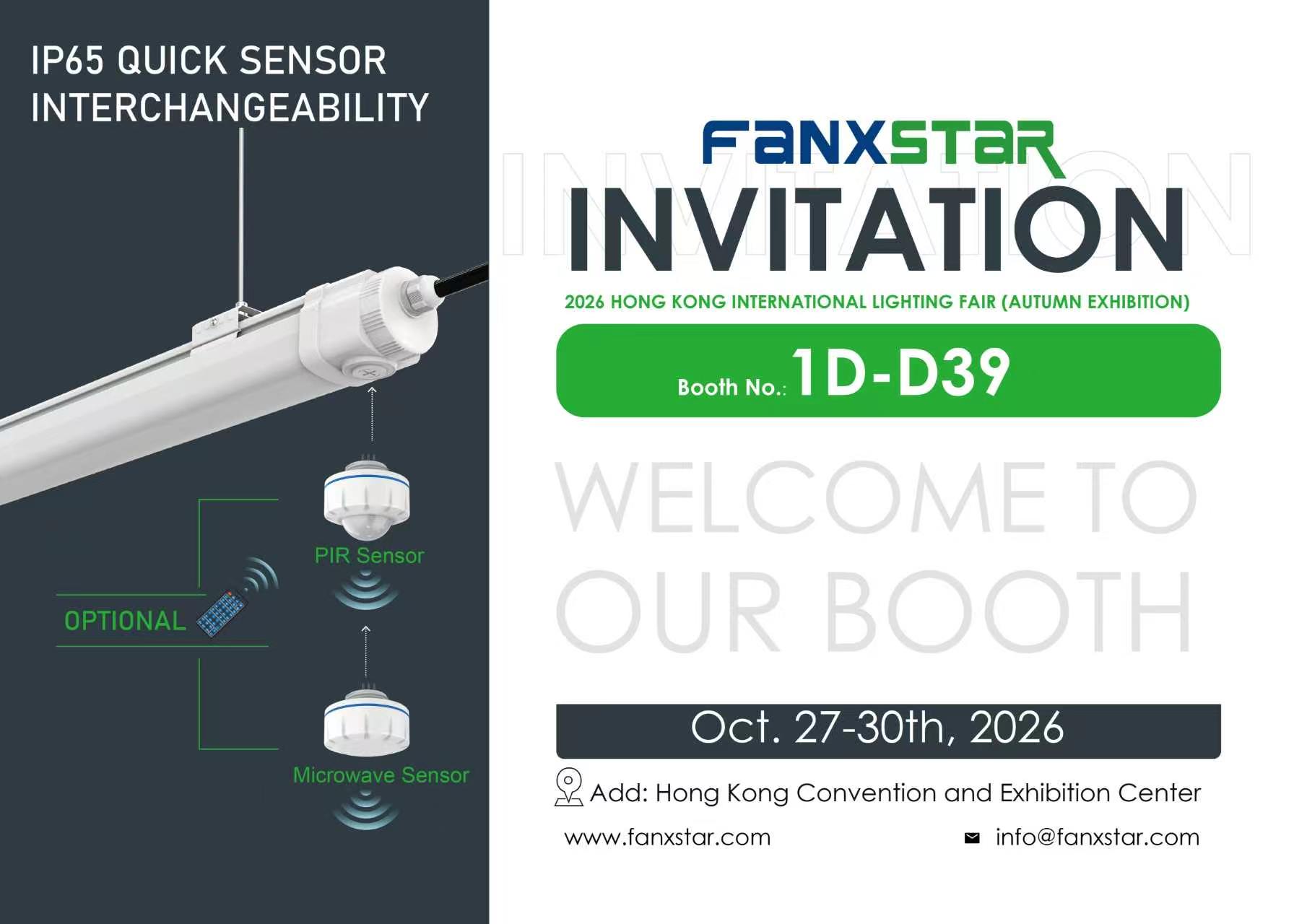
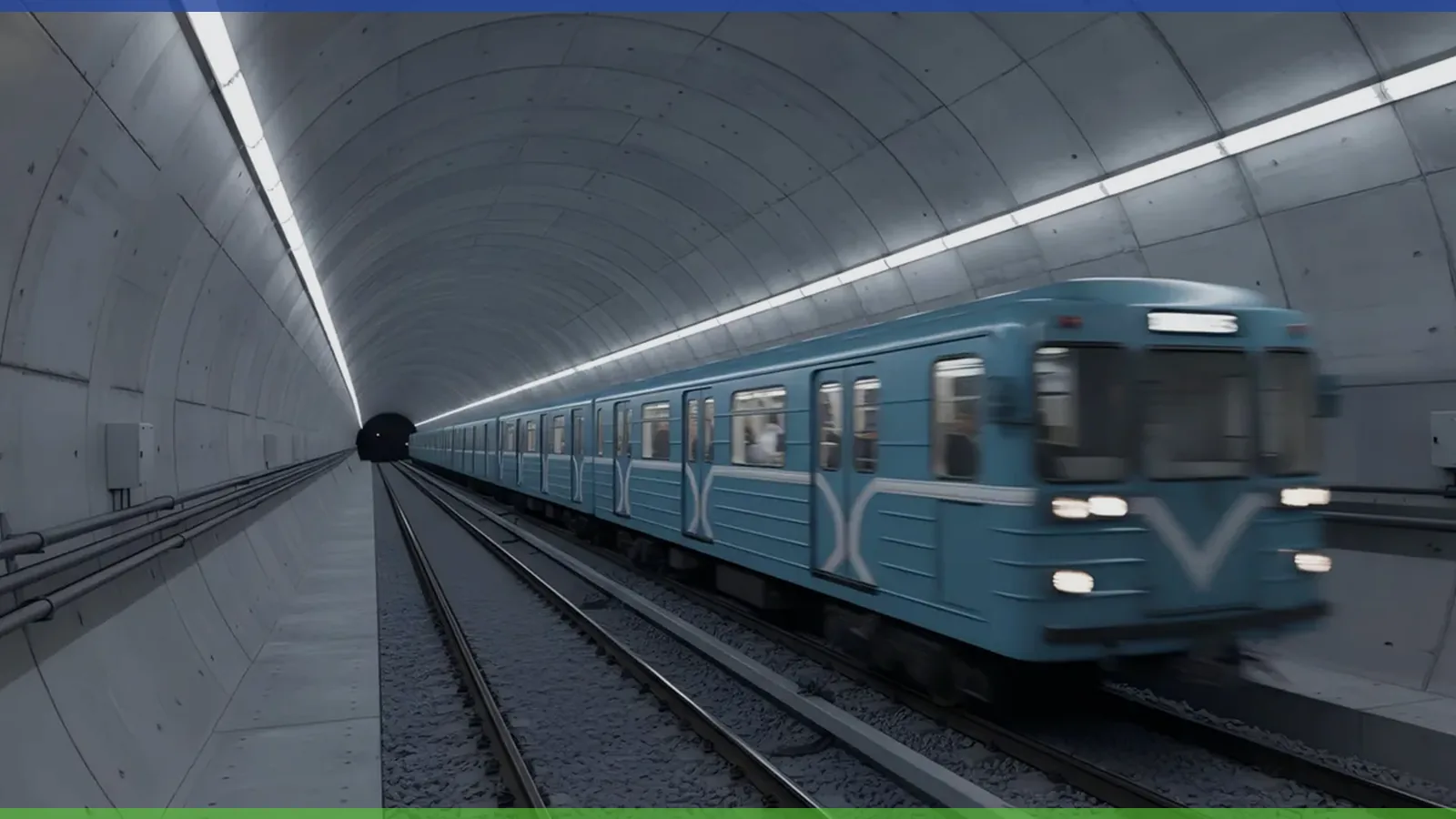
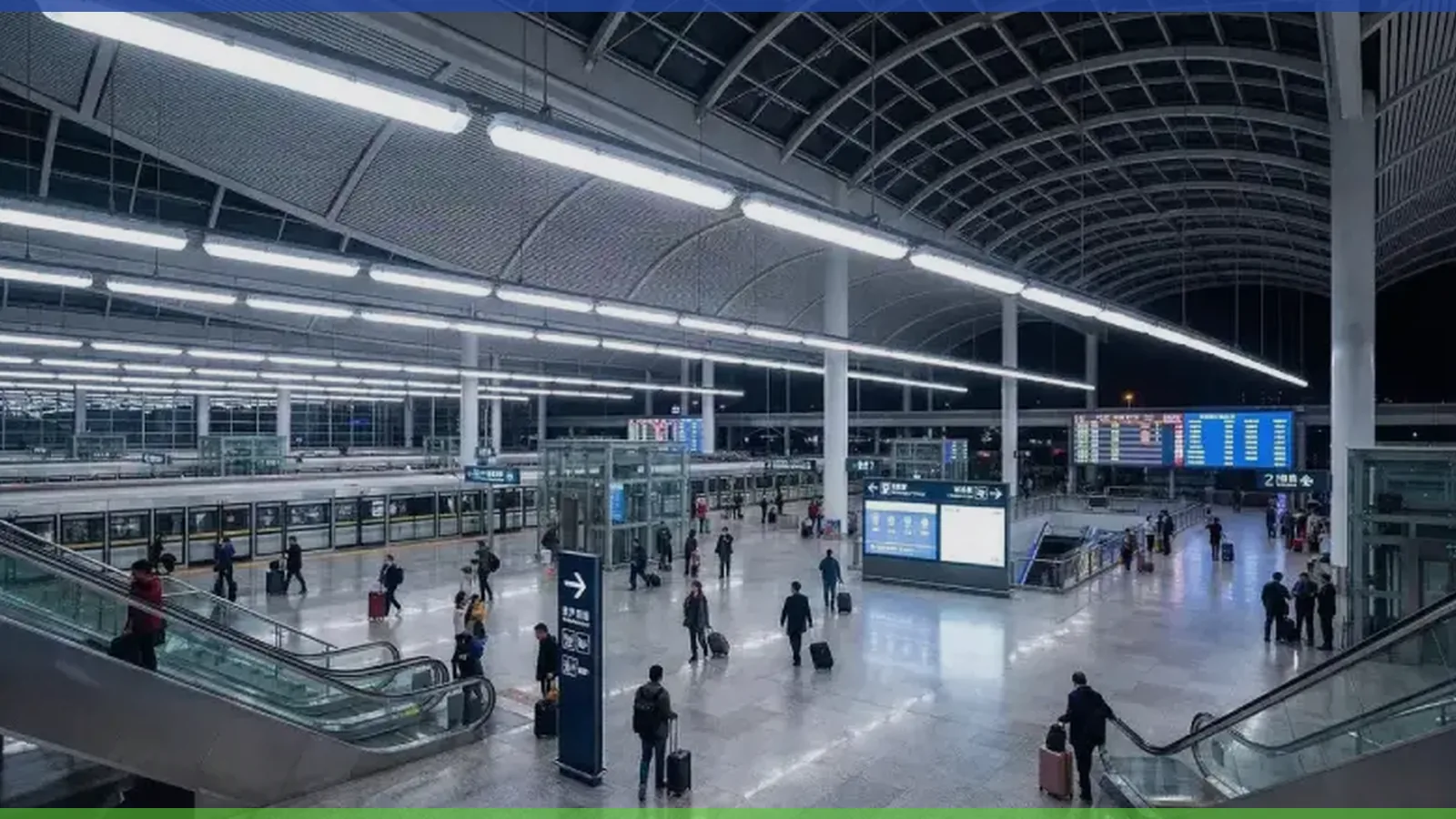
An on/off sensor in a smart LED lighting system is not just a motion detector; it is a sequence of detection, delay, daylight logic, zone control, override behavior, and field verification. The most common buying mistake is to ask whether the sensor is good, when the better question is whether the control sequence matches the room, route, driver, user behavior, and maintenance plan.
According to NEMA lighting controls guidance, lighting controls can include at least 5 device families: dimmers, occupancy sensors, photosensors, timers, and related devices. According to DesignLights Consortium control strategy guidance, occupancy, daylight harvesting, scheduling, dimming, and high-end trim are 5 separate control strategies. Those distinctions matter because an on/off sensor is only one input inside a control strategy.
For B2B lighting buyers, the practical decision is not whether motion sensing saves energy in theory. The practical decision is whether the fixture, sensor, driver, mounting height, wiring, and sequence of operation can be tested before the project accepts the sample or production batch.
Key Takeaways
- An on/off sensor works by detecting a presence signal, applying delay logic, checking daylight or override conditions, then switching a fixture or zone.
- PIR, microwave, and dual-technology sensors fail in different ways, so the sensor type should be chosen after the room geometry and movement pattern are known.
- Hold time, sensitivity, daylight threshold, and zone grouping usually decide user satisfaction more than the sensor brand name.
- Smart lighting projects should specify a sequence of operation before choosing fixture hardware, especially in warehouses, parking garages, data centers, and service corridors.
- Fanxstar sensor-ready lighting projects should be released only after the final sensor, driver, wiring, mounting height, and sample behavior match the buyer’s use case.
What Actually Happens When an On/Off Sensor Controls a Luminaire
Detection is only the first input
A basic on/off sensor starts by watching for a change in the environment. A PIR sensor watches heat movement across its field of view. A microwave sensor sends out a signal and reads changes in reflection. A dual-technology sensor combines methods to reduce false decisions. None of those methods is the complete control system. They only produce the first signal that starts the logic.
According to NLCAA lighting controls terminology, occupancy sensing, vacancy sensing, photosensors, manual control, and related functions are separate terms across more than 4 control categories. That vocabulary is useful in procurement because an occupancy sensor can turn lights on automatically, while a vacancy strategy may require manual-on and automatic-off behavior. The wrong term can create the wrong quote.
A buyer should therefore describe the task before describing the sensor. Is the zone a narrow warehouse aisle, a parking garage ramp, a restroom, a freezer corridor, a loading dock, a data hall service route, or a backroom with intermittent occupancy? A sensor that works well in one geometry may create nuisance triggers, blind spots, or user complaints in another.
Hold time and daylight decide whether the switch feels smart
After detection, the system applies rules. Hold time decides how long the light remains on after the last detected event. Sensitivity decides how easy it is to trigger the zone. Daylight logic decides whether natural light should block or reduce artificial light. Manual override decides whether users can recover when automatic logic is wrong.
According to GSA LED lighting and controls guidance, LED upgrades can combine occupancy sensing, daylight controls, dimming, scheduling, and commissioning in the same 2024 planning file. The point for buyers is straightforward: sensor hardware does not finish the job unless the operating rules are commissioned in the space.
| Control item | What it decides | Buyer evidence to request |
|---|---|---|
| Sensor type | Which movement or presence signal can be detected | PIR, microwave, dual-tech, lens angle, mounting height, and coverage map |
| Hold time | How long the zone stays on after the last trigger | Field-adjustable range, default setting, and retrigger behavior |
| Daylight rule | Whether natural light blocks or reduces artificial light | Photocell threshold, daylight priority, and commissioning note |
| Zone boundary | Which luminaires react together | Wiring diagram, relay or driver grouping, and master-slave logic |
| Manual override | How users recover from a wrong decision | Switch, local button, BMS override, or service-mode instruction |
| Field test | Whether the installed system behaves as specified | Walk test, nuisance trigger test, and night or low-traffic test record |
Based on this comparison, the RFQ should name the sequence first and the sensor second. A quote that says microwave sensor included is still incomplete if it does not say how long the lights stay on, which fixtures belong to the zone, whether daylight changes the response, and how the installer validates the final behavior.
Why Sensor Type Changes the On/Off Result
PIR, microwave, and dual-technology sensors fail for different reasons
PIR sensors usually work best when people or vehicles cross the detection field. They can struggle when movement is directly toward the sensor, when the target is partly hidden, or when the temperature contrast is low. Microwave sensors can detect motion through some materials and over longer ranges, but that strength can become a weakness when movement outside the intended zone keeps the lights on.
Dual-technology sensing can reduce false-on or false-off problems, but it also increases the need to understand the logic. Does either technology trigger the load, or must both agree? Does one method hold the zone after the other starts it? Does the driver or control module accept the sensor output directly, or is a relay or gateway required?
According to Energy Code Ace indoor lighting control material, indoor lighting control requirements can include 5 types of decisions: manual control, automatic shutoff, occupancy sensing, daylighting, and demand response. Even when a project is outside that exact code context, the buying lesson remains useful: the control method should follow the space use, not a single catalog default.
The zone boundary is often more important than the sensor label
The sensor label tells the buyer what input is available. The zone boundary tells the buyer what actually changes in the building. If one sensor turns on a whole warehouse row, energy savings may disappear. If each fixture is too isolated, workers can move through a patchwork of bright and dark areas. If a car park ramp and parking bay share a zone, the ramp traffic may keep the whole area on.
A useful zone boundary follows the task. In a logistics aisle, the zone may need to start before the forklift enters the picking face. In a parking garage, the route, ramp, and pedestrian path may need different hold times. In a data center service corridor, lighting should protect safe movement without putting unnecessary load and heat into spaces that are not occupied.
| Scenario assumption | Consequence | Specification response |
|---|---|---|
| A 30 second hold time in a slow forklift aisle | The lights can cycle off while the operator is still in the zone | Increase hold time or extend the detection zone before the blind corner |
| Microwave sensor sees through thin partitions | Adjacent movement can keep a private zone on | Use shielding, lower sensitivity, PIR, or a different mounting point |
| Daylight threshold is not commissioned | Fixtures turn on during bright daytime conditions | Set photocell threshold after real daylight measurement |
| One sensor controls too many luminaires | Energy savings fall and complaints rise | Split the zone by task, route, or safety requirement |
The table shows why sensor procurement should include a simple field scenario review. The buyer does not need to solve every control problem in the RFQ, but the buyer should force the supplier to name the expected trigger, delay, zone, daylight behavior, and override path before the sample is approved.
How to Specify On/Off Sensor Logic for Smart Lighting Projects
Write the sequence of operation before choosing hardware
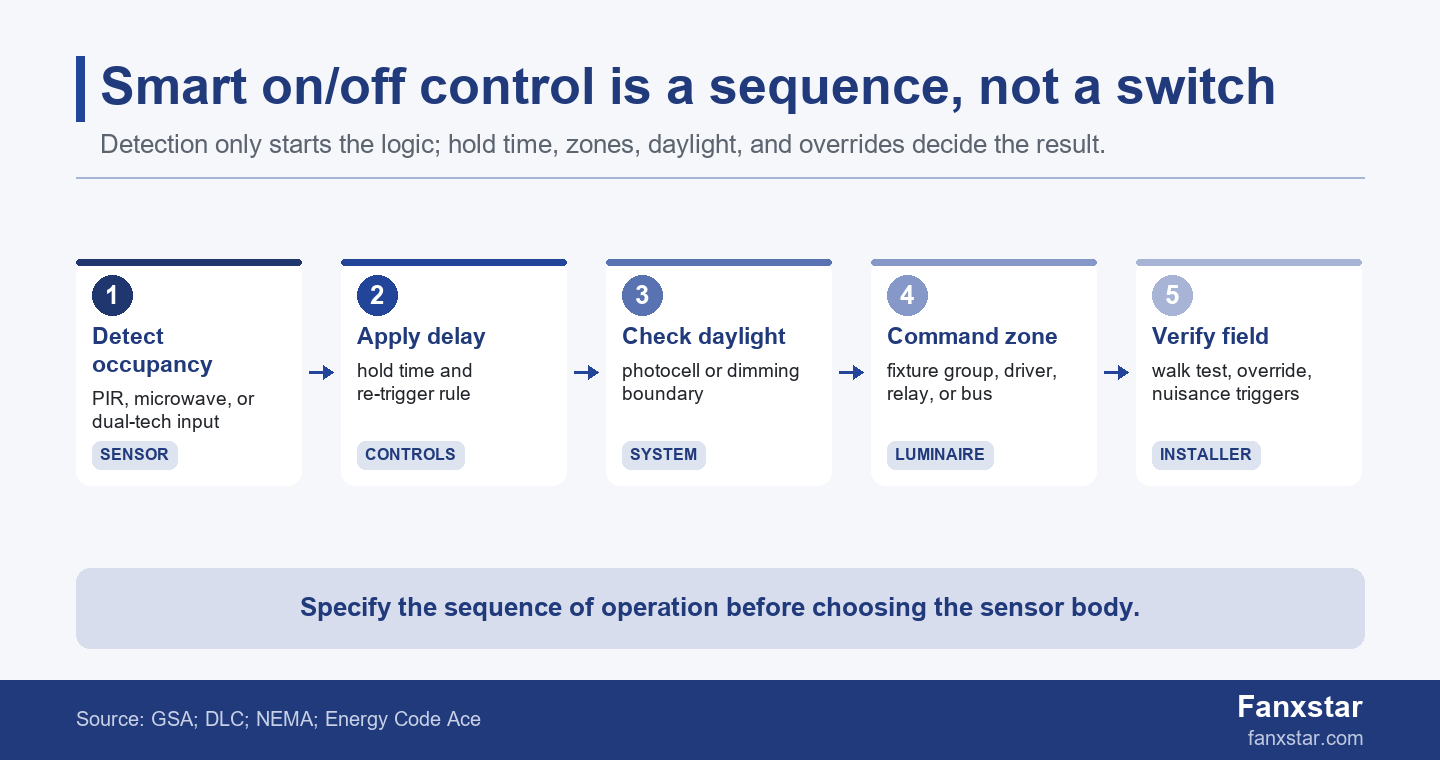
The sequence of operation is a short document that states what the lighting system should do under defined conditions. It should name the normal state, detection trigger, hold time, daylight threshold, manual override, emergency or safety exception, and test method. Without that sequence, two suppliers can quote the same sensor keyword and deliver different field behavior.
A strong sequence uses practical language. Example: when occupancy is detected in the loading aisle, fixtures in zone A turn on to the required task level within the driver response time, remain on for the selected hold period after the last trigger, ignore daylight only during safety-critical night operation, and allow maintenance override at the local switch. That sentence gives the supplier something to build and the installer something to test.
According to DLC solid-state lighting technical requirements, commercial LED product qualification is tied to defined product categories and performance evidence across multiple luminaire types. For sensor-ready fixtures, the same discipline should be applied to control evidence: state the driver option, sensor version, wiring boundary, and tested configuration rather than approving a generic sensor-ready claim.
Use a simple calculation to expose bad hold-time choices
Illustrative calculation: assume a warehouse aisle has 40 luminaires at 30 W each, and a poor zone design causes the aisle to remain on for an unnecessary 4 hours per day. The avoidable load is 40 x 30 W x 4 hours, or 4.8 kWh per day. Across 300 operating days, that is 1,440 kWh before considering demand charges, lamp life, driver heat, and user complaints.
The number is not a universal savings claim. It is a test of whether the zone, hold time, and sensor coverage are worth commissioning. If the project has hundreds of fixtures or long idle hours, small control mistakes can become a visible operating cost. If the space is continuously occupied, an on/off sensor may provide less value than a scheduling or dimming strategy.
According to DOE FEMP LED luminaire purchasing guidance, federal purchasing guidance includes 4 common indoor luminaire categories: linear ambient, high-bay, low-bay, and troffer products. For a smart-lighting buyer, the same purchasing discipline should extend from the luminaire to the control behavior. The fixture may be efficient, but the installed system can still waste energy if the zone never turns off.
Where Fanxstar Fits in Sensor-Ready LED Lighting
Treat sensor integration as a product-version question
Fanxstar sensor-ready projects should start from the application and fixture platform. Relevant starting points include motion sensor LED lighting, LED linear lighting platforms, weatherproof LED lighting product platforms, parking garage LED lighting solutions, and LED lighting for AI data centers. Each project should connect the sensor to the housing, driver, wiring, mounting, and target environment.
The critical release question is whether the sample represents the final product version. A sensor added to a sealed weatherproof luminaire can affect cable entry, enclosure space, IP performance, driver wiring, service access, and certification scope. A sensor added to a linear fixture can change installation spacing, light distribution, and user experience. The buyer should not approve the sensor as a loose accessory when the final fixture will ship as a controlled product.
For platform-based ODM work, Fanxstar can review the room type, mounting height, control goal, sensor preference, driver option, wiring method, and sample test plan. The useful output is not a slogan about smart lighting; it is a fixture-control configuration that the buyer can test in the target scenario.
Send a control packet before asking for a quote
According to International Trade Administration import documentation guidance, import files can include invoices, bills of lading, packing lists, insurance proof, and certificates of origin, giving buyers at least 5 document families to keep aligned. For sensor lighting, the same file discipline helps avoid mismatched samples: quote, wiring diagram, driver label, sensor data, installation instruction, and test report should describe the same product version.
A practical Fanxstar RFQ packet should include site type, fixture family, mounting height, aisle or room drawing, expected movement, target hold time, daylight condition, manual override need, emergency or safety exception, target market, and the desired sample test. If the buyer is not sure which sensor fits, the packet can still state the sequence of operation and let the supplier recommend a product path.
If the project needs custom housings, optics, sensors, drivers, or wiring, use Fanxstar custom LED lighting ODM service as the technical handoff point. The strongest next step is to send the sequence, not just the sensor keyword, because the sequence decides whether the delivered fixture will work in the field.
FAQ
What is the difference between an on/off sensor and a dimming sensor?
An on/off sensor switches a fixture or zone between on and off states, while a dimming sensor can change light output between levels. Some projects combine both functions, but the RFQ should still separate occupancy detection, daylight sensing, driver dimming interface, hold time, and override behavior so the supplier does not quote the wrong control package.
Is PIR or microwave better for LED lighting?
Neither technology is always better. PIR often fits spaces where people cross the sensor field, while microwave can cover larger or more complex zones but may trigger through some materials. The better choice depends on mounting height, room shape, movement direction, partition risk, temperature contrast, and the cost of false-on or false-off behavior.
Can an on/off sensor be added to any LED fixture?
Not safely as a generic rule. The fixture must have the right driver, wiring space, mounting method, enclosure design, voltage boundary, and installation instructions. In sealed or certified fixtures, adding a sensor can affect IP rating, cable entry, thermal behavior, and product evidence, so the final product version should be reviewed before approval.
What should buyers test before approving sensor lighting samples?
Buyers should test coverage, hold time, daylight threshold, nuisance triggers, blind spots, manual override, driver response, and the actual zone boundary. The sample should use the final fixture, sensor, driver, wiring method, and mounting height, because bench behavior can differ from field behavior in corridors, warehouses, parking garages, and service spaces.