Key Takeaways
-
IP66 Defined: The IP66 rating certifies complete protection against dust ingress (dust-tight) and powerful jets of water, critical for outdoor equipment.
-
Superior Performance: Polyurethane glue outperforms epoxies and silicones for dynamic seals, offering unmatched flexibility and bond strength.
-
Science of Sealing: Moisture-curing chemistry and permanent elasticity make polyurethane ideal for maintaining seals under thermal and mechanical stress.
-
Process is Paramount: Meticulous surface preparation and proper curing are non-negotiable for a reliable IP66 seal.
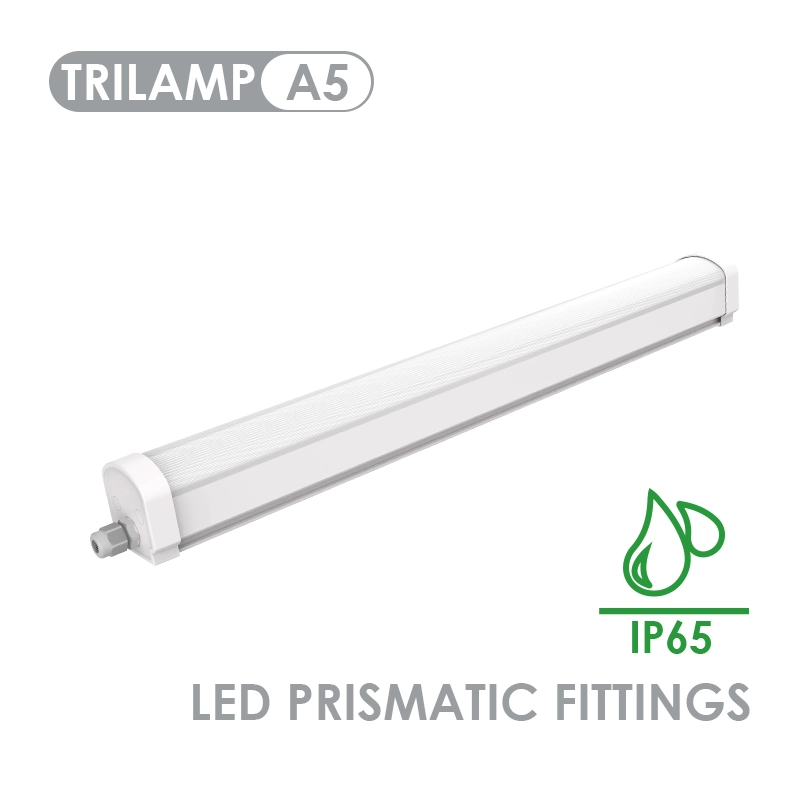
Polyurethane glue stands at the forefront of waterproof technology. Engineers choose it for its strong bond and reliable protection. It forms a seamless barrier, stopping water and dust from reaching sensitive components in harsh environments like those faced by IP66-rated LED fixtures.
What is IP66 Waterproofing?
Understanding the Ingress Protection (IP) rating system is fundamental. Governed by IEC 60529, IP66 signifies:
-
First Digit (6) – Dust Tight: Complete protection against dust ingress. No dust can enter the enclosure.
-
Second Digit (6) – Powerful Water Jets: Water projected in powerful jets (12.5mm nozzle) against the enclosure from any direction shall have no harmful effects.
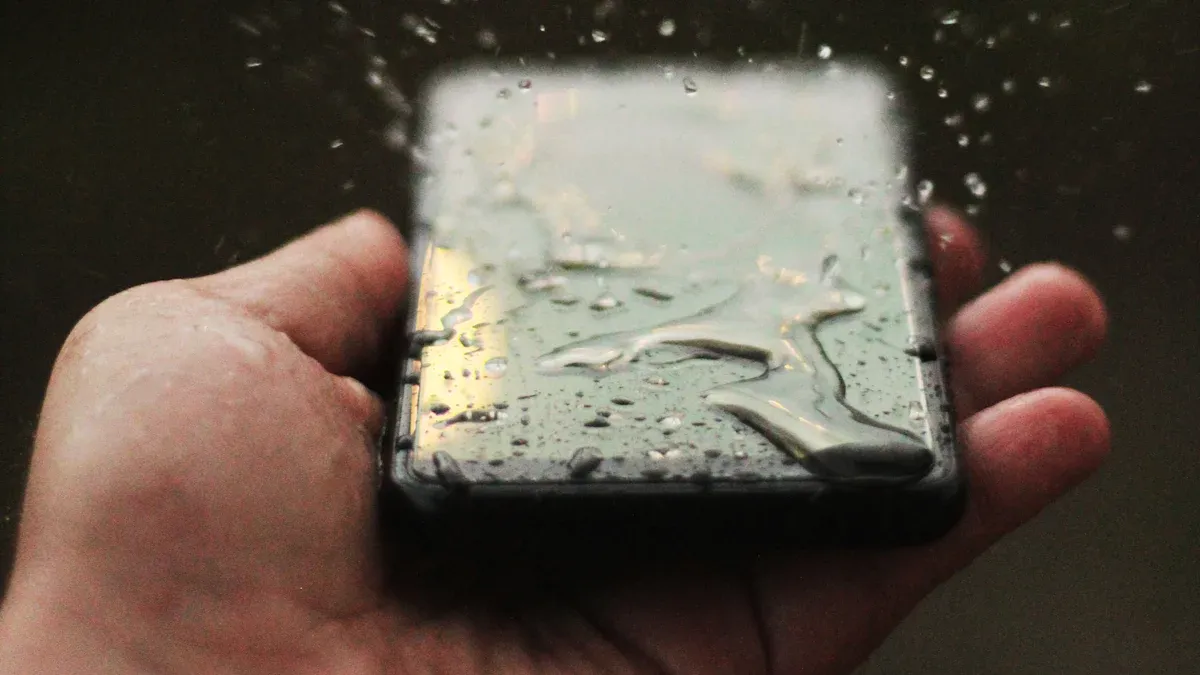
This rating is critical for products like outdoor motion sensor lights exposed to rain and cleaning sprays.
Why Polyurethane Glue Beats Epoxy and Silicone
When selecting a sealant for IP66, material properties matter. Polyurethane offers a unique balance.
|
Property |
Polyurethane Glue |
Epoxy |
Silicone |
|---|---|---|---|
|
Flexibility |
High (Elastic) |
Low (Brittle) |
Very High |
|
Bond Strength |
Superior |
High |
Moderate |
|
Vibration Resistance |
Excellent |
Poor (Cracks) |
Good |
|
Gap Filling |
Excellent |
Good |
Good |
The Critical Advantage: Flexibility
Unlike brittle epoxies, cured polyurethane remains elastic. This allows it to absorb vibrations and thermal expansion/contraction without cracking—a common failure mode in outdoor electronics. This makes it ideal for rugged industrial lighting.
Key Properties for Waterproofing
-
Moisture-Curing Chemistry: Polyurethane reacts with moisture in the air to cure deeply, even in gaps, forming a solid, non-porous seal.
-
Exceptional Adhesion: It bonds aggressively to metals, plastics, and glass, preventing water from seeping along the bond line.
-
Environmental Resistance: High-quality PU glues resist UV degradation, chemicals, and extreme temperatures (-40°C to 80°C).
Step-by-Step Guide: Applying Polyurethane Glue for IP66
Achieving a reliable seal is 90% preparation. Rushing this stage is a recipe for failure.
Step 1: Surface Preparation
Cleanliness is key. Remove all oil, dust, and old sealant. Use isopropyl alcohol to degrease surfaces. For smooth plastics, light sanding can improve mechanical adhesion.
Step 2: Application
Apply a continuous, uniform bead of glue. Avoid air bubbles, which can create leak paths. For potting electronics, pour slowly to ensure complete encapsulation.
Step 3: Assembly and Curing
Assemble parts promptly within the open time. Apply firm pressure to ensure the glue spreads evenly. Allow for a full cure (often 24 hours) before exposing the assembly to water stress.
Real-World Applications
Polyurethane glue is the unsung hero in many critical systems:
-
LED Lighting: Sealing lens covers to housings in vapor-tight fixtures.
-
Automotive: Bonding windshields and sealing wire harnesses.
-
Marine: Protecting electronics from saltwater spray and humidity.
FAQ
Is polyurethane glue suitable for use on plastics?
Yes, many formulations bond excellently to PVC, polycarbonate, and other plastics used in enclosures. Always check the datasheet for specific polymer compatibility.
How long does it take to cure?
While it may set in a few hours, reaching full waterproof strength typically takes 24 hours or more, depending on humidity and temperature.
Can it withstand extreme temperatures?
Yes, cured PU glue is stable across a wide range (-40°C to 80°C+), making it perfect for outdoor environments that experience seasonal extremes.
Is polyurethane glue UV resistant?
Standard PU can degrade in direct sunlight. For outdoor exposed seals, ensure you use a UV-stabilized formulation or paint over the sealant line.