In the procurement of industrial lighting, particularly for large-scale warehouse or infrastructure projects, stakeholders are often surprised when a quote issued 30 days ago is no longer valid. While components like LED chips and drivers tend to follow a steady, predictable price decline over years, the physical structure of the fixture—its aluminum housing—is tethered to the volatile global commodities market.
Aluminum is the bedrock of high-performance LED fixtures. It is not merely a “container” for the electronics; it is an active mechanical component responsible for thermal dissipation and structural integrity. Because professional-grade industrial lights use high volumes of extruded aluminum, fluctuations in the London Metal Exchange (LME) index translate directly into the Bill of Materials (BOM) and, ultimately, your final quote.
Key Takeaways
-
Commodity Tethering: High-performance LED fixtures are heavily comprised of aluminum, making their cost sensitive to LME market shifts.
-
Thermal Criticality: Aluminum is used primarily for its 237 W/m.K thermal conductivity, which is essential for maintaining LED lifespan.
-
Market Drivers: Global energy costs, trade tariffs (up to 50% in some regions), and geopolitical instability are the primary causes of price spikes.
-
Procurement Strategy: Locking in specifications early and utilizing price escalation clauses can help facility managers manage budget risk.
-
Quality vs. Cost: Reducing aluminum volume to save money often leads to overheating and premature failure, increasing the Total Cost of Ownership (TCO).
The Indispensable Role of Aluminum in Lighting
Structural Integrity and Corrosion Resistance
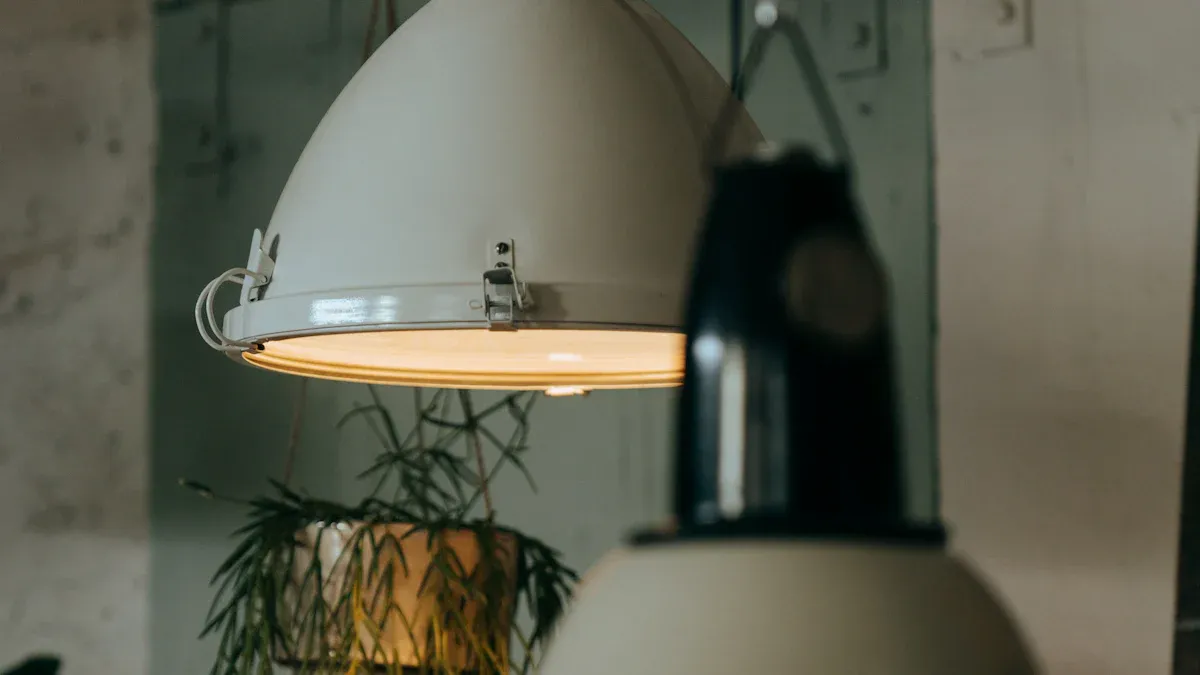
Modern industrial lighting must withstand harsh environments. High-performance series such as the Fanxstar A10 and A12 utilize heavy-duty aluminum extrusions to create a rigid chassis. Aluminum is preferred because it offers a high strength-to-weight ratio, allowing for large 8-foot fixtures that are light enough for easy installation but strong enough to resist mechanical impacts (IK10 ratings).
Furthermore, aluminum naturally forms a protective oxide layer. When combined with marine-grade powder coatings or anodization, it becomes the ideal material for coastal or high-humidity applications where steel would rust and plastic would degrade under UV exposure.
Thermal Management: The Lifeline of an LED
The greatest enemy of an LED is heat. While LEDs are efficient, approximately 60-70% of the energy they consume is still converted into heat. If this heat is not removed from the chip junction, the LED will suffer from rapid lumen depreciation and color shifting.
Aluminum’s thermal conductivity of approximately 237 W/m.K is nearly 1,000 times higher than that of polycarbonate plastics. In fixtures like our Batman B1/B2 series, the entire aluminum base plate acts as a massive heat sink. When aluminum prices rise, manufacturers face a choice: increase the quote or reduce the aluminum thickness. Reducing thickness compromises cooling, which is why a “cheap” quote often hides a fixture destined for early failure.
|
Material |
Thermal Conductivity (W/m.K) |
Impact on LED Lifespan |
|---|---|---|
|
Aluminum (Extruded) |
~237 |
Optimal; enables 100,000hr L70 life. |
|
Die-Cast Aluminum |
~100 – 120 |
Good; standard for most high-bays. |
|
Polycarbonate (Plastic) |
0.2 |
Poor; limited to low-wattage fixtures. |
Factors Driving Aluminum Price Volatility
The Energy Intensity of Smelting
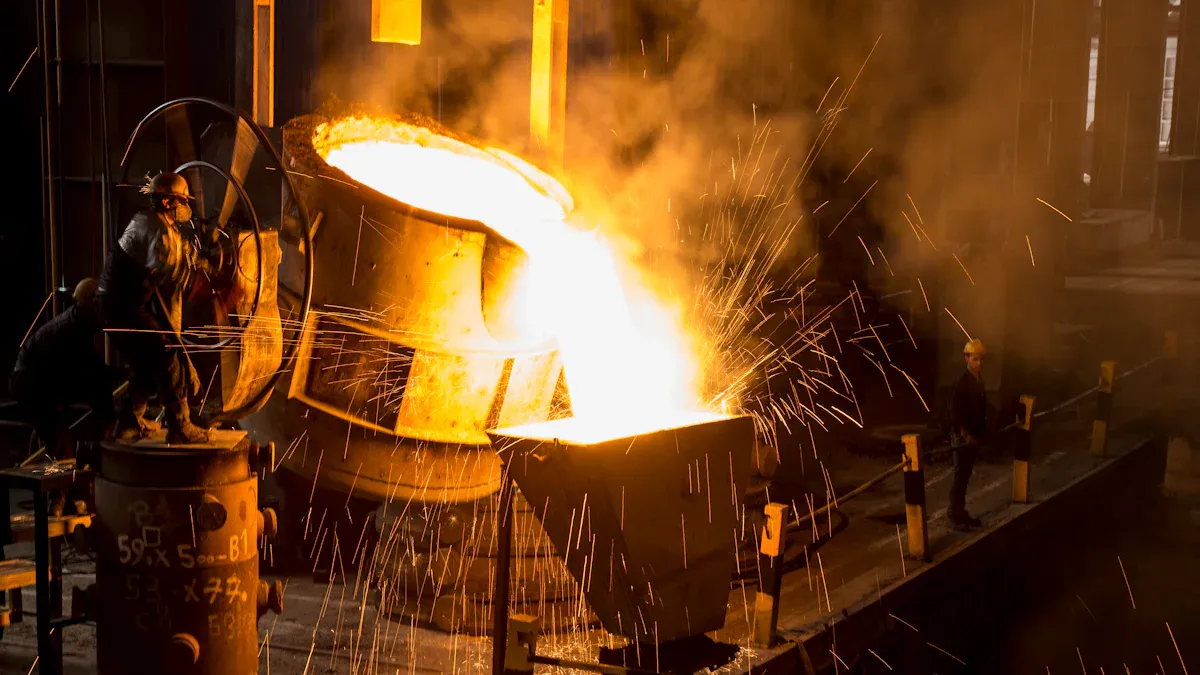
Aluminum is often referred to as “solid electricity.” Producing one tonne of primary aluminum requires approximately 13,500 to 15,000 kWh of energy. Consequently, when global energy prices—particularly natural gas and coal—spike, aluminum prices follow immediately. The ongoing energy transition in Europe and production caps in China have created a structural “tightness” in the market that keeps prices supported and volatile.
Geopolitics and Tariffs
International trade policy has become a major factor in lighting quotes. In 2024 and 2025, several regions implemented or increased tariffs on aluminum imports. For example, some US Midwest premiums for aluminum have reached record highs due to a combination of 25-50% tariffs and domestic supply shortages. When a manufacturer in China or Europe prepares a quote for an international buyer, they must factor in these shifting “premiums” that sit on top of the base LME price.
How Fluctuations Translate to Your Lighting Quote
Short-Term vs. Long-Term Impacts
In the short term (0-3 months), raw material spikes cause manufacturers to reduce the “validity period” of their quotes. While a quote might have once been valid for 90 days, it is now common to see “Valid for 7 days” or “Subject to LME adjustment” on professional estimates. Over the long term (6-12 months), manufacturers may redesign fixtures to use more efficient extrusion shapes to minimize material volume without sacrificing surface area for cooling.
Strategic Advice for Project Managers
If you are managing a lighting project for 2026, do not wait for the “perfect” price. Aluminum is currently in a “tightening” cycle. Procurement experts recommend locking in quantities and securing pricing early, even if the delivery is staged. This protects your budget from the sudden 10-15% jumps common in the metals market.
Strategies for Managing Lighting Project Costs
1. Early Procurement and “Locking” Specs
Once the lighting design (photometrics) is approved, buyers should move quickly to the Sales Confirmation stage. Manufacturers often purchase the specific aluminum extrusions for your order the moment the deposit is paid. By delaying the deposit, you are essentially gambling on the global metal market.
2. Utilizing Long-Term Framework Agreements
For REITs, large supermarket chains, or government infrastructure, long-term contracts can provide price smoothing. These agreements allow the manufacturer to hedge their aluminum purchases, providing a stabilized price for the client over a 12-to-24-month rollout.
3. Strategic Material Substitution
In certain applications where thermal demands are lower, a hybrid fixture (aluminum base with a high-quality PC cover) may be used to balance cost and performance. However, for high-wattage industrial high-bays or tri-proof lights, aluminum remains the only viable choice for professional longevity.
4. Monitoring Market Trends
Buyers should stay informed through reliable commodities resources. Tracking indices like the London Metal Exchange (LME) or US Midwest Premium allows procurement officers to negotiate more effectively. When you see aluminum prices trending downward, it is an ideal window to finalize pending quotes.
|
Market Resource |
Data Provided |
|---|---|
|
London Metal Exchange (LME) |
Global baseline cash and 3-month futures rates. |
|
Daily Metal Price |
Real-time spot pricing for aluminum scrap and ingot. |
|
Trading Economics |
Historical charts and macroeconomic forecasts. |
Conclusion: Aluminum as a Value Indicator
Understanding the link between aluminum and lighting quotes empowers buyers to make more sophisticated decisions. A sudden price increase is often not an attempt by the manufacturer to increase profit, but a necessary reaction to maintain the structural and thermal quality of the product. By focusing on aluminum content as a sign of quality, and using strategic timing to lock in orders, facility managers can secure high-performance lighting that delivers long-term ROI despite the volatility of the metals market.
FAQ
1. Does every lighting quote change when aluminum prices move?
Not necessarily. Small, indoor residential lights or full-plastic LED battens have very little aluminum and are less affected. However, industrial fixtures like UFO high-bays, vapor-tights, and linear lights with aluminum heat sinks are highly sensitive to these shifts.
2. Why don’t manufacturers just switch to plastic to keep prices stable?
Plastic is an insulator. If you put a high-power LED (e.g., 150W) in a full-plastic housing, the heat will be trapped inside. This leads to the LEDs burning out within months. For professional industrial lighting, aluminum is a technical requirement, not a stylistic choice.
3. What is a “Price Escalation Clause”?
This is a term in a contract that allows the price to be adjusted (up or down) based on a specific index, like the LME aluminum price, between the time the quote is given and the time the order is placed. It protects both the buyer and the seller from extreme market swings.
4. How much of an LED fixture’s cost is actually aluminum?
Depending on the fixture type, aluminum can represent 15% to 35% of the total manufacturing cost (BOM). When raw aluminum prices rise by 20%, the final price of the light may increase by 3-7%.
5. Can “Green Aluminum” help lower costs?
Currently, Green Aluminum (produced with renewable energy) often carries a premium price. While it supports sustainability goals and ESG reporting, it usually results in a slightly higher quote than standard primary aluminum. However, as carbon taxes increase, Green Aluminum may become the more cost-effective long-term choice.