Key Takeaways
-
Rugged Performance: Prioritize fixtures with IK10 impact resistance and IP66 ratings to withstand the mechanical stress and dust of 24/7 terminal operations.
-
Architectural Integration: Modern LED linear battens offer seamless splicing, enhancing terminal aesthetics while providing uniform, shadow-free light.
-
Efficiency and Longevity: High-efficacy LEDs (up to 205 lm/W) drastically reduce energy overhead and carbon footprints for large-scale aviation hubs.
-
Operational Intelligence: DALI and motion-sensing controls allow for real-time dimming and maintenance monitoring, crucial for large-scale facility management.
-
Safety Compliance: Ensure all products carry ENEC, TUV, and UL certifications to meet international civil aviation safety standards.
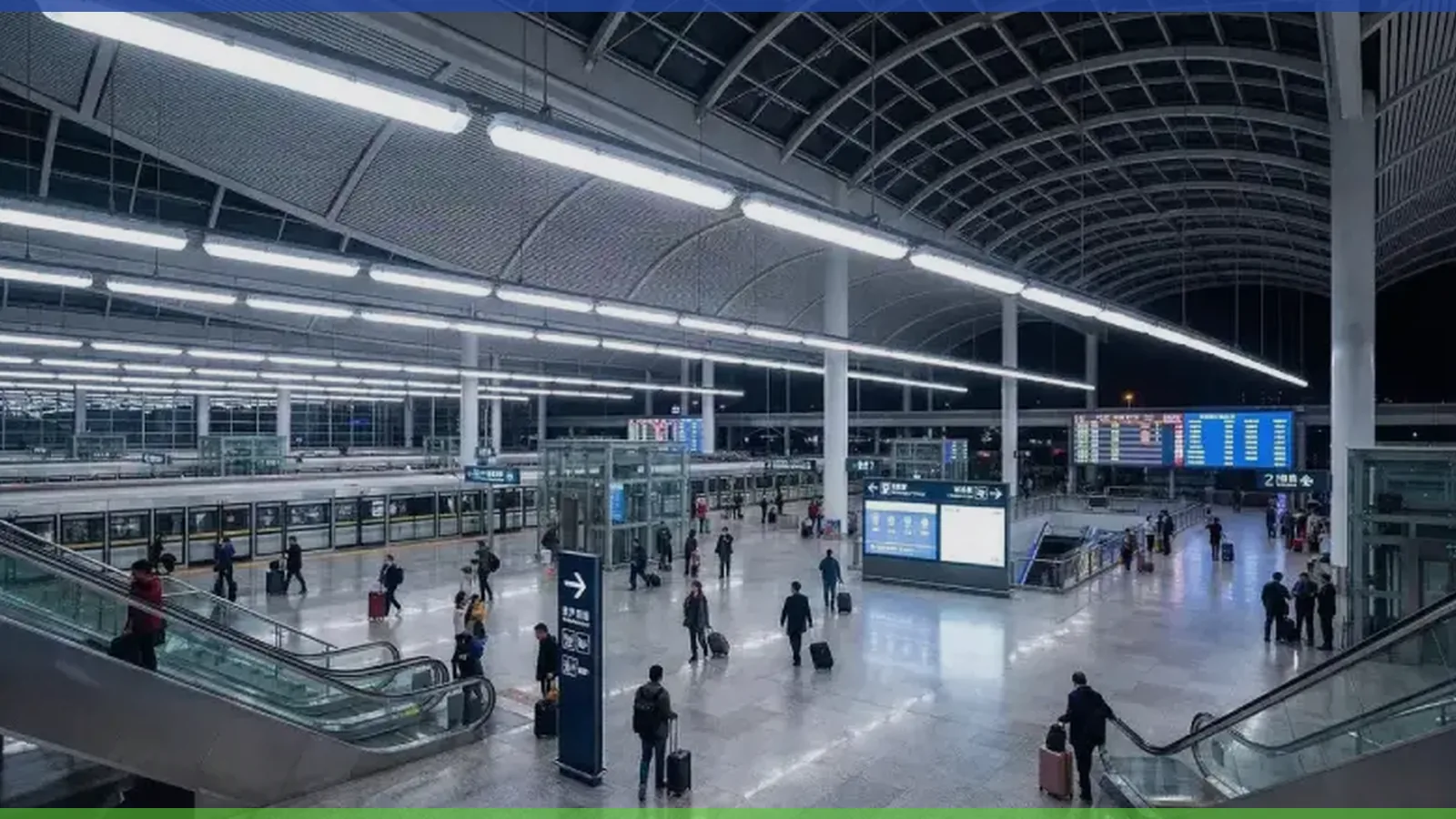
Airport terminals are dynamic environments that never sleep. For facility managers and architects, the lighting system is a critical infrastructure component that must balance passenger comfort, operational safety, and long-term durability. Fanxstar’s Trilamp, Batman, and Allstar series provide engineered solutions specifically designed to meet the rigorous demands of aviation hubs. From grand entrance halls to high-traffic baggage transit zones, these LED linear lighting systems offer the reliability required to keep world-class airports running efficiently.
The Necessity of Durability in Aviation Hubs
Environmental Challenges
Large transportation hubs operate on a 24/7 cycle, meaning luminaires must function continuously without frequent maintenance intervals. Standard commercial fixtures often fail under the stress of constant use, vibrations from ground transport, and airborne particulates common in high-ceiling environments. Furthermore, airport concourses are susceptible to temperature fluctuations and moisture near entrance zones, necessitating hardware with advanced protection ratings.
|
Critical Challenge |
Required Specification |
Impact on Operations |
|---|---|---|
|
Mechanical Stress |
IK10 Impact Rating |
Resists damage from luggage carts and cleaning machinery. |
|
Dust & Moisture |
IP66 Protection |
Prevents internal degradation, ensuring consistent light output. |
|
Energy Intensity |
180+ lm/W Efficacy |
Reduces utility bills and supports green airport initiatives. |
Operational Risks of Lighting Failure
Inadequate or failing light in terminals can lead to more than just aesthetic issues; it poses significant safety risks. Uneven lighting in transit corridors or flickering in check-in areas can lead to passenger disorientation and operational bottlenecks. Reliable illumination is part of a facility’s “safety assurance,” aligning with international aviation standards for terminal safety. Choosing high-performance LEDs with certified drivers ensures that critical signage and walkways remain visible under all conditions.
Core Features of Premium Airport Linear LEDs
1. Advanced Impact and Weather Resistance
Airport-grade linear lights must be built to last. An IK10 rating indicates that the fixture can withstand a 20-joule impact—essential for baggage claim areas where equipment is frequently moved. When combined with an IP66 rating, these luminaires become virtually immune to the dust and water jets used during terminal deep-cleaning cycles.
2. Exceptional Luminous Efficacy
Given the vast square footage of modern airports, even a slight increase in energy efficiency translates to massive financial savings. Modern LED linear battens deliver high luminous efficacy (often between 183 and 205 lm/W), utilizing 80% less electricity than traditional fluorescent counterparts. This long-term efficiency is a cornerstone of sustainable commercial LED lighting strategies.
3. Intelligent Control Systems
The integration of DALI (Digital Addressable Lighting Interface) allows airport operators to manage entire terminal wings from a central panel. This includes daylight harvesting—where lights dim automatically when natural sunlight is sufficient—and real-time performance tracking to predict when maintenance might be required. These smart systems are essential for the “future-ready” airport.
Top Picks: Durable LED Solutions for Airport Zones
Trilamp A3: Elegance for Concourses and Lounges
The Trilamp A3 is designed for areas where aesthetics and passenger comfort are paramount. With its seamless splicing capability, it creates continuous lines of architectural light that emphasize the terminal’s design. Its UGR<19 rating ensures low glare, which is critical for reducing passenger stress in waiting areas and high-end lounges.
Batman B1/B2: Precision for Lobby and Check-in
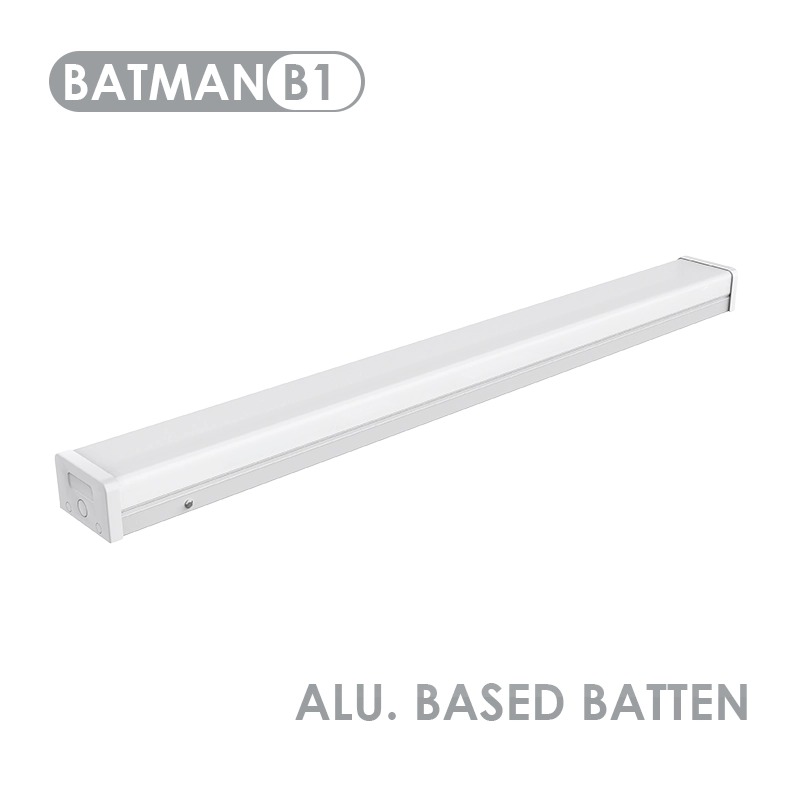
Lobbies and check-in counters require homogenous, shadow-free lighting to facilitate fast processing. The Batman series features a modular diffused design that eliminates hotspots. Its aluminum base and smart PD sensors allow for automatic brightness adjustment, helping terminals maintain a welcoming atmosphere while maximizing energy savings.
Trilamp A8/A10: Reliability for Baggage and Transit
Baggage claim and transit tunnels are “rough” environments. The Trilamp A8/A10 series is engineered for these zones with an IK10 impact rating and rapid-cooling plates to maintain stability during heavy use. These fixtures are often equipped with flicker-free drivers from Osram or Philips to ensure visual comfort for staff working long shifts.
D2-H Allstar: Power for High-Ceiling Entrances
For entrance halls with ceilings reaching 7 to 9 meters, the D2-H Allstar provides the necessary lumen punch. This high-power recessed solution is durable and impact-resistant, with full support for centralized emergency systems to ensure safety during power outages.
|
Product Series |
Best Use Case |
Unique Spec |
Durability Level |
|---|---|---|---|
|
Trilamp A3 |
Concours, Lounges |
UGR<19, Seamless Splicing |
IP66 |
|
Batman B1/B2 |
Lobbies, Check-in |
Daylight Harvesting Sensors |
74,000h Lifespan |
|
Trilamp A8/A10 |
Baggage, Transit |
IK10 Impact Resistance |
Heavy-Duty |
|
D2-H Allstar |
Grand Entrances |
High-Power for 9m+ Ceilings |
IK10 |
Selection Criteria for Airport Facility Managers
Assessing Compliance and Certifications
Airport lighting must meet stringent global standards. Managers should prioritize products with ENEC (European Norms Electrical Certification), TUV, and UL markings. These certifications guarantee that the luminaires have passed rigorous safety, quality, and electromagnetic compatibility tests. Furthermore, adherence to emergency lighting regulations ensures that terminals remain navigable during critical power failures.
ROI and Financial Planning
While the initial cost of high-performance LEDs is higher than standard fixtures, the Return on Investment (ROI) is achieved through reduced maintenance and lower energy bills. A 50,000 to 74,000-hour lifespan means that in many cases, the lighting will not need servicing for over a decade. Factoring in utility rebates for green upgrades can further accelerate the payback period.
“Sustainable aviation begins on the ground. By upgrading to durable LED linear systems, terminals can cut energy use by over 60% while simultaneously improving passenger safety.”
Frequently Asked Questions
Why is an IK10 rating necessary for baggage claim areas?Baggage areas involve the movement of heavy carts and machinery. An IK10 rating ensures the fixture can withstand significant physical impacts without shattering or losing functionality, preventing injury and debris.
What is the benefit of DALI controls in an airport?DALI allows for granular control over every fixture. You can create lighting “scenes” for different times of day, monitor energy consumption in real-time, and receive automatic alerts if a specific light fails.
Can LED linear lights replace traditional fluorescent tubes directly?Yes. Many modern LED linear battens are designed for tool-free installation and can either replace old tubes in existing housings or replace the entire fixture for better performance and sealing.
How do high-efficacy LEDs support airport sustainability?High-efficacy LEDs produce more light (lumens) for every watt of electricity consumed. This lower power draw directly reduces the facility’s carbon footprint and helps airports achieve green building certifications like LEED.
Is flicker-free operation standard for terminal lighting?It should be. Flicker-free drivers are essential in airports to prevent eye strain and stroboscopic effects, which are particularly important for security staff and pilots in transit zones.
In conclusion, selecting the right LED linear lighting is a strategic decision for any airport terminal. By focusing on durability, efficacy, and smart integration, aviation hubs can ensure a safe, comfortable, and sustainable environment for millions of travelers. Explore Fanxstar’s full range of terminal solutions to find the perfect fit for your next infrastructure upgrade.