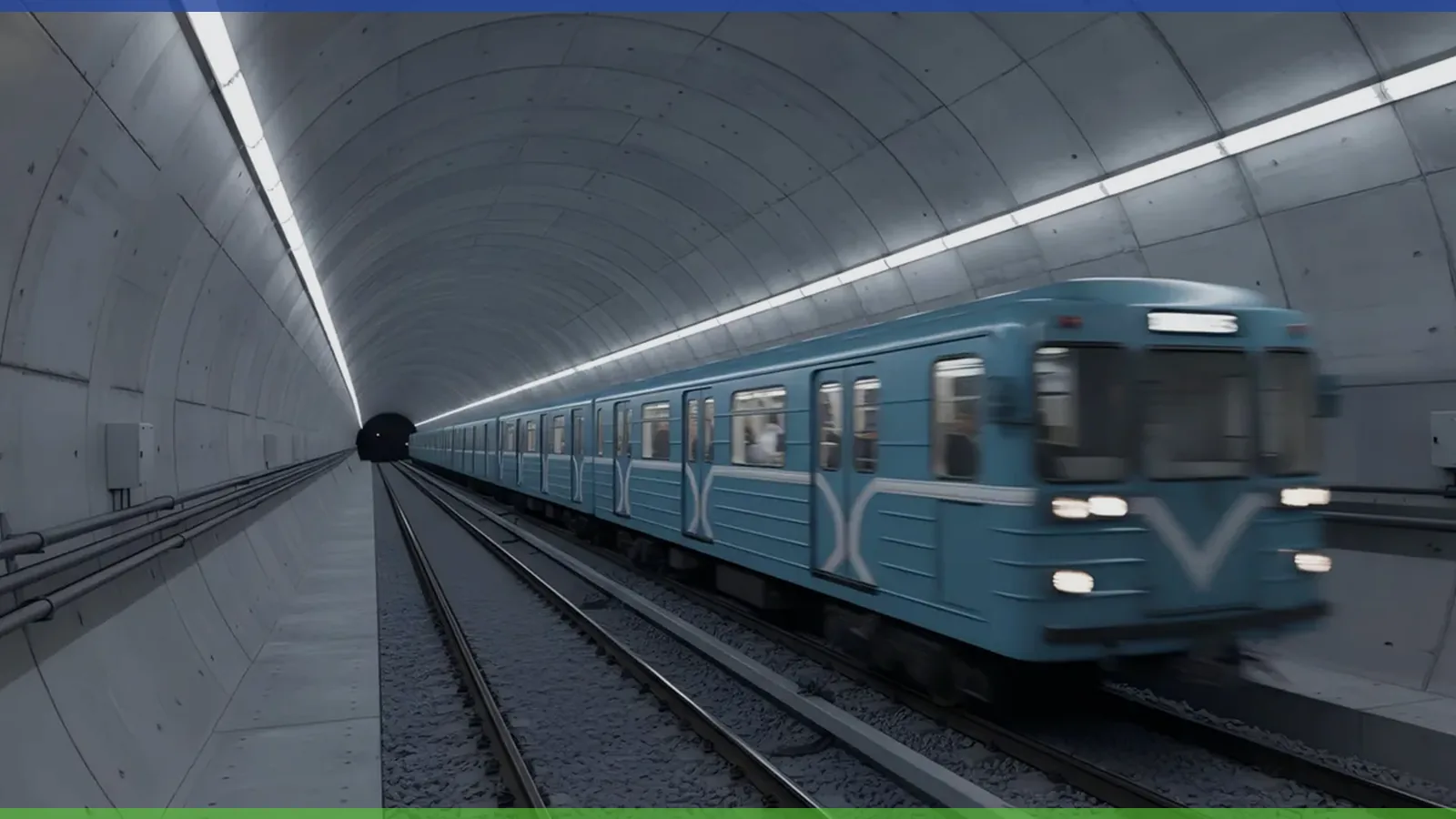
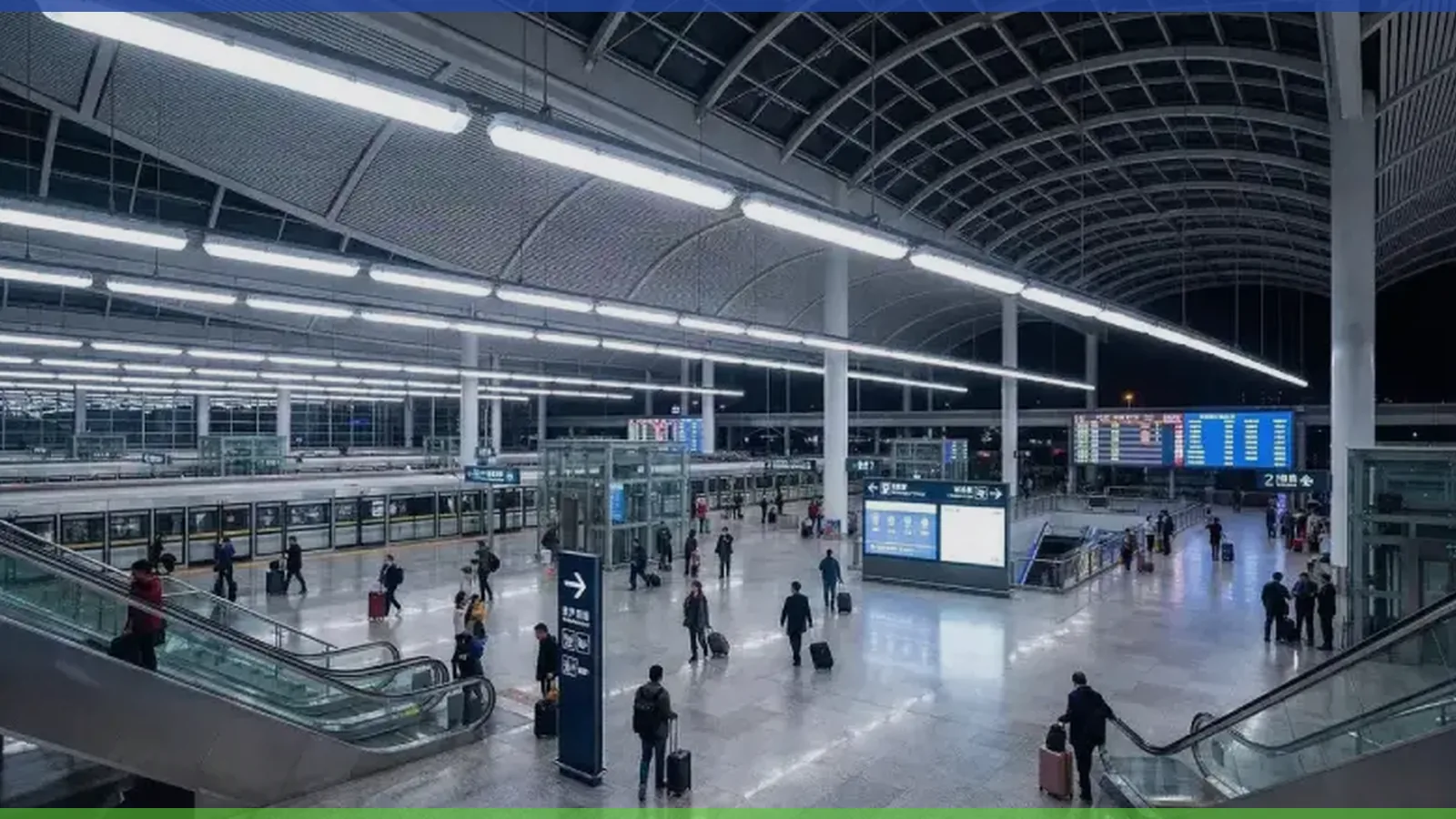
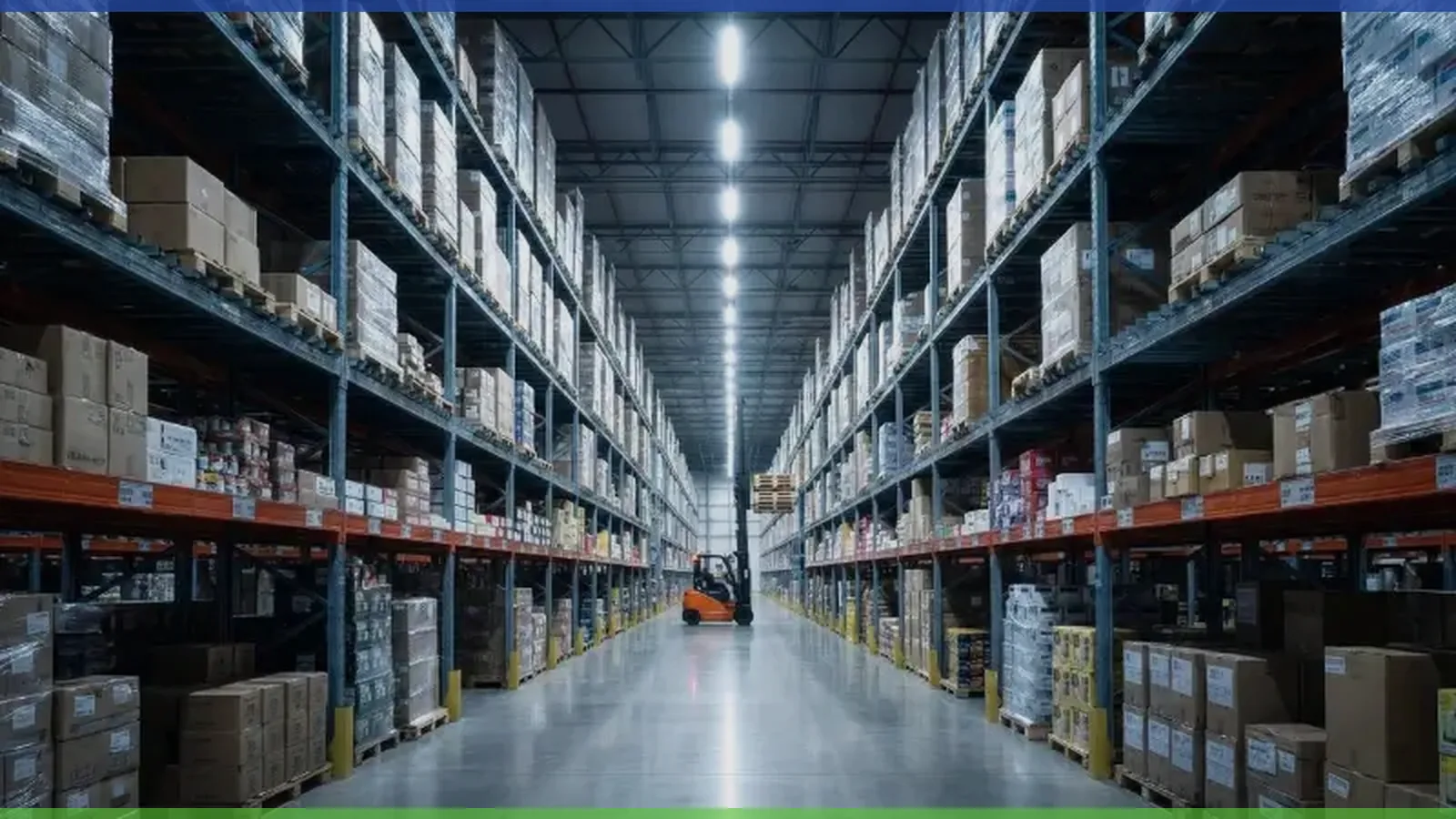
Emergency lighting systems are very important for safety at work. These lights help people see well during emergencies. They work even if there is smoke or power failure. LED emergency lighting gives bright and steady light. It is used in places like exit signs and stairs. The light helps stop confusion and shows people where to go, achieve effective evacuation. It helps people get out of danger safely. Safety rules make sure every workplace is ready. Checking and installing emergency lighting often keeps it working for any emergency.
Key Takeaways
Emergency lighting lets people see exits and escape paths when the power outage or there is smoke. This keeps everyone and commercial building safety.
Following safety rules like NFPA 101 and OSHA makes sure emergency lights work right. It also helps avoid legal trouble.
Testing and taking care of emergency lighting often keeps the prepared for emergencies. This stops it from failing during emergencies.
LED and smart lighting make lights brighter and save energy. They also help emergency systems work better.
Good emergency lighting saves lives and stops panic. It also helps businesses avoid fines and keep a good name.
Importance of Emergency Lighting

Life-Saving Illumination
Emergency lighting systems are very important for safety at work. They give light you can count on during emergencies. If there is smoke, darkness, or power outage, these lights help people see safe exits and escape paths. LED emergency lighting is bright and lasts a long time. It works even in wet places or where there might be fire. Some smart emergency lighting systems can test themselves. They tell managers if something is wrong, so the lights will work when needed.
In the Grenfell Tower fire in 2017, bad emergency lighting made people confused and slowed down their escape. But in the 2011 Tōhoku earthquake, emergency lighting helped many people get out safely, even when the power was out.
New emergency lighting uses lasers and moving signs to help people find their way through smoke. This makes it easier to see and helps people get to safety. These systems must follow strict rules like NFPA 101 and UL 924. They need to be tested and checked often. Emergency lighting saves lives by helping people leave safely and not get hurt.
Emergency lighting helps people see obstacles and exits, so accidents are less likely.
Smart LED systems are more reliable and do not fail as much.
Following safety codes makes sure emergency lighting works in emergencies.
Safety During Emergencies
Emergency lighting keeps people safe during emergencies by lighting up exits and escape routes. Smoke and darkness can make it hard to see exit signs. Flashing arrows on signs help people find exits faster. LED emergency lighting can change how bright it is to help people see better.
Emergency lighting helps stop panic and confusion by showing clear paths. Bright escape routes help people leave in an organized way and keep them from getting hurt.
Emergency lighting helps rescue workers by lighting up dangers and ways in. When it works with fire alarms and other safety systems, it makes the workplace safer.
Emergency exits show people where to go and helps everyone stay calm.
Checking and fixing emergency lighting often keeps it ready for anything.
Emergency lighting works with other safety tools to keep people and things safe.
Workplace Safety Benefits
Having emergency lighting in your workplace has many good points. These lights make busy areas and escape paths safe during emergencies. Emergency lighting keeps things bright even if the main power goes out, so people do not get confused or hurt.
Workplaces are safer when emergency lighting meets rules like OSHA and NFPA 101. Good emergency lighting means fewer problems and shows you are ready for emergencies.
Testing and taking care of emergency lighting often keeps everyone safe and follows the rules.
Emergency lighting helps people leave safely by lighting stairs, aisles, halls, and exits.
Lights with batteries stay on when the power fails, so there are fewer dangers.
Good lighting at night keeps workers and visitors safe after hours.
Following safety rules helps avoid fines and shows you care about safety.
Bright escape routes and exit signs help people leave safely and not panic or get hurt.
Fanxstar emergency lighting keeps workplaces safe by making sure people can see, leave safely, and follow the rules. These lights help people get out in order and protect lives and property.
Emergency Lighting Systems and Regulations
NFPA 101 Standards
NFPA 101 gives rules for emergency lighting at work. These rules help keep people safe in emergencies. Emergency lighting must work in tall buildings and underground places. The lights turn on by themselves if the power goes out. They must stay on for at least 1.5 hours so everyone can leave.
NFPA 101 also says how bright the lights must be. Escape paths need an average of 1 foot-candle of light. After 1.5 hours, the light cannot go below 0.6 foot-candle. Battery-powered emergency lighting must use approved rechargeable batteries. They must meet ANSI/UL 924 standards. The lights must work without anyone turning them on.
Tip: Emergency lighting with self-testing can help managers find problems early.
NFPA 101 says to test the lights often. Every month, tests must last at least 30 seconds. Every year, tests must last 1.5 hours. Managers must write down all tests and checks. These records show that the workplace follows the law.
Time After Normal Lighting Failure | Illumination Requirement (Average) | Minimum Illumination at Any Point | Additional Requirements |
|---|---|---|---|
First 1.5 hours | 1 foot-candle | 0.1 foot-candle | Emergency lighting must turn on by itself |
After 1.5 hours | Minimum 0.06 foot-candle (average) | N/A | The brightest spot cannot be more than 40 times brighter than the dimmest spot |
OSHA and Local Codes
OSHA makes rules for emergency lighting at work. These rules keep workers and visitors safe. OSHA says emergency lighting must turn on by itself if the power fails. Exit signs must be easy to see and say “EXIT” in big letters. The signs must use colors that stand out.
OSHA says to test battery backup systems every month. Each test must last at least 30 seconds. Every year, tests must last 1.5 hours. Managers must keep records of all tests and checks. OSHA also says exit paths must always be bright enough to see. The average light at floor level must be at least 1 foot-candle. After 1.5 hours, it cannot go below 0.6 foot-candle.
Local building codes often use OSHA and NFPA 101 rules but may add more. Some cities want exit signs in red, green, or orange. Others have rules for how high to put emergency lighting. Local codes may ask for more tests or special care. Managers must check local codes to make sure they follow the law.
Note: Local codes can change a lot. Managers should check for new rules often.
Compliance Risks
Workplaces can have problems if they do not follow emergency lighting rules. Sometimes, lights or exit signs are put where people cannot see them. If lights are not checked, they may not work or may be too dim. Some managers forget to keep records of tests and checks. These mistakes can cause big problems.
If a workplace does not follow NFPA 101 or OSHA rules, people can get hurt in emergencies. The business can get fined, have legal trouble, or even close. Checking and fixing emergency lighting often helps lower these risks. Managers should check the lights often and learn about new safety rules.
Warning: Not following the law can put lives in danger and hurt a company’s good name.
Types of Emergency Lighting
Exit Signs
Exit signs help people find exits in emergencies. They use bright colors like green and red. This makes them easy to see in the dark. Exit signs must stay on for 1.5 hours. This gives people time to leave safely. Many exit signs light up or flash with fire alarms. This helps people notice them fast. Safety codes say where to put exit signs. They also say to test them often to make sure they work.
Tip: Put exit signs above doors and along escape routes. This helps everyone find exits faster.
Exit signs show people where to go.
They help stop confusion and panic.
Checking exit signs often keeps them ready.
Escape Route Lighting
Escape route lighting makes it safer to leave a building. These lights turn on by themselves if the power goes out. They keep halls, stairs, and doors bright. This helps people see even in smoke or darkness. Escape route lighting uses special lights to show the way. These lights help people move fast and avoid things in the way.
Escape route lighting also helps rescue teams see dangers. It helps them find people who need help. Keeping escape routes bright stops panic and keeps people calm.
Note: Escape route lighting must follow safety rules and stay on for 90 minutes.
Escape route lighting shows safe ways out.
It keeps paths clear and easy to follow.
Backup power keeps these lights on during outages.
Backup Power Solutions
Backup power keeps emergency lights on if power is lost. New systems use LED lights with batteries or generators. This gives backup power for at least 90 minutes. Some units have batteries and drivers together. This makes them easy to install. Programmable drivers can check themselves and change power as needed. This makes things safer and saves money.
Micro-inverters can power many lights at once. This helps big buildings stay bright in emergencies. Smart systems can watch batteries and send alerts if there is a problem. Some systems use solar power to charge batteries. This helps the environment.
Table: Different types of emergency lighting found in workplaces
Type of Emergency Lighting | Description | Typical Use Case / Features |
|---|---|---|
LED units with compact batteries | General emergency illumination | |
Flush with ceiling or walls | Aesthetic settings, 90-minute runtime | |
Remote-Head Emergency Lights | Lamp heads placed strategically | Warehouses, atriums, extended coverage |
High-Output & Area Lights | Powerful LEDs for large areas | Warehouses, parking structures |
Wet-Location Lights | Waterproof, cold-weather batteries | Outdoor or corrosive environments |
Hazardous-Location Lights | Explosion-proof, strict safety standards | Flammable gas or dust zones |
Self-Testing & Smart Lights | Built-in diagnostics, automatic tests | Monitors compliance, logs maintenance |
Temporary or Standby Lights | Battery-backed, 90-minute runtime | Hospitals, data centers, prisons |
Backup power and different emergency lights help keep workplaces safe and ready for emergencies.
Installation and Maintenance
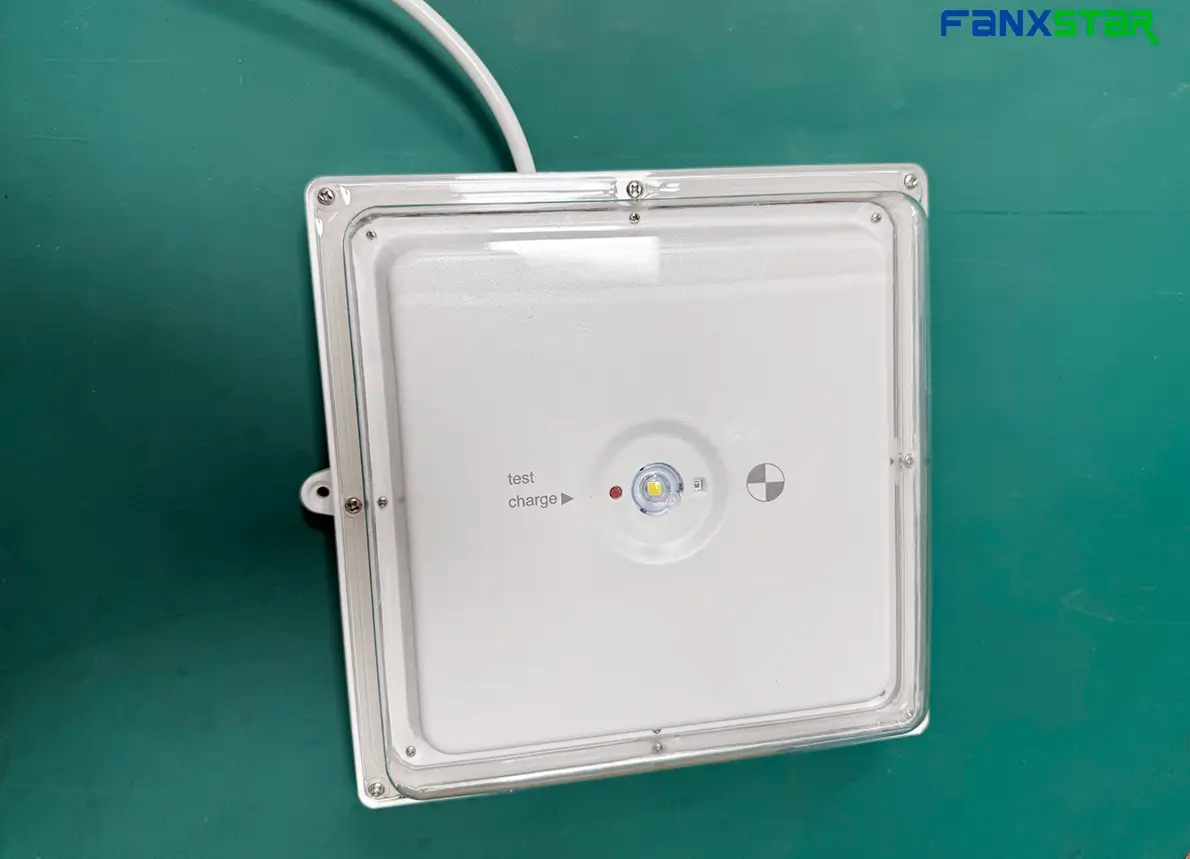
Professional Setup
Professionals set up emergency lighting by following strict steps. They connect the emergency lighting circuits before local switches. This keeps the lights charged and ready all the time. Wall units are put up between 80 and 96 inches high. Ceiling lights are installed using the maker’s instructions. Stairwell lights must shine on every step but not cause glare.
Installers put clear labels on emergency wires, as the National Electrical Code says. They work with other teams, like HVAC and sprinkler workers, so nothing blocks the lights. Good installers keep records, like photos before ceilings close and drawings of the setup. Emergency lighting panels are locked and labeled to stop tampering.
Tip: Do not block lights, use the wrong circuits, or pick the wrong equipment. Always choose the right battery size and plan for enough light.
Routine Testing
Routine testing makes sure emergency lights work when needed. First, someone looks for damage or blocked lights. They press the test button to pretend the power is out. This checks if the lights turn on and are bright enough.
A battery test checks if the lights stay on for 90 minutes. Testers also check if the main power works and if the switch to battery is smooth. Every test is written down with the date, time, and what happened.
Do tests when work is slow to avoid problems. Quick tests each month and full tests each year follow NFPA 101 and OSHA rules. Certified workers can find problems early and keep the system working.
Maintenance Schedules
A good maintenance plan stops emergency lights from failing. Monthly tests make sure the lights work during power loss. Once a year, batteries, bulbs, and wires are checked. Bad bulbs are changed right away and batteries are tested to see if they hold a charge.
Self-test features help by logging problems on their own. Professionals test the system under load to check full power. All checks, repairs, and tests are written down for audits. Batteries should be changed before they get too old.
Regular tests and care help keep workplaces safe, follow the law, and stop costly problems.
Consequences of Poor Emergency Lighting
Safety Risks
Bad emergency lighting can make workplaces unsafe. People might get scared or confused if lights go out. They may not see exits or escape paths, so leaving is harder. First responders have trouble finding dangers and helping people fast. If people cannot leave quickly, they might get hurt or worse.
Leaving takes more time, so harm is more likely.
First responders have more trouble and take longer to help.
Owners can lose money from stopping work and paying for legal problems.
If emergency lighting is not checked, work can stop. These problems show why every workplace needs working emergency lighting.
Legal Penalties
If a business ignores emergency lighting rules, it can get in trouble. Groups like NFPA and OSHA have strict safety rules. Not following these rules can mean big fines and legal problems. Insurance may not pay if a business does not follow the rules. Sometimes, a business must close until it fixes safety issues. Checking and fixing emergency lighting often helps avoid these problems.
Businesses need to follow safety rules to keep people safe and stay out of trouble. Keeping your business open depends on meeting these rules.
Reputation Impact
Bad emergency lighting can hurt a business’s good name. For example, a restaurant in Greensboro had a fire in the kitchen. The emergency lights did not work because the batteries were old. When the power went out, the exits stayed dark. People inside got confused, and some were hurt. The restaurant had to close for repairs, and people thought less of it.
Fines and legal trouble make people lose trust.
Accidents and injuries make people feel unsafe.
Stopping work messes up daily business.
Lawsuits and court cases cost more money.
Customers and workers want to feel safe. If a business does not have good emergency lighting, people may not trust it and may hear bad things about it. Good emergency lighting keeps people safe and protects the business’s good name.
Advances in Emergency Lighting
LED Technology
LED technology has changed emergency lighting in many ways. LEDs last much longer than old bulbs and need less care. They turn on right away, so people get light as soon as an emergency starts. LEDs also use less power and stay cool, which makes them safer. Many systems now use self-testing features and sensors to check if lights work. Some LEDs can connect wirelessly for easy checks from far away. These new features help keep emergency lights ready at all times.
LEDs give instant light during emergencies.
They last up to 50,000 hours, so workers change them less often.
LEDs handle shocks and bumps, making them good for many places.
They use less energy, which saves money.
Battery backups keep LEDs on when the power goes out.
Sensors turn on lights when it gets dark or smoky.
Smart LEDs can link with fire alarms and other safety tools.
Tip: LED emergency lights improve visibility and help people find exits quickly.
Smart Systems
Smart emergency lighting systems use new technology to make workplaces safer. These systems can test themselves and send alerts if something is wrong. They use sensors to check if people are in a room and adjust the lights as needed. Smart systems can also connect to the internet, so managers can watch them from anywhere. This helps fix problems before an emergency happens. Smart systems keep records of tests and show if the lights follow safety rules.
Smart lights send real-time updates during power failures.
They help managers fix problems fast.
Automated tests make sure lights always work.
Smart systems help workplaces follow safety laws.
Note: Smart emergency lighting helps keep everyone safe and ready for emergencies.
Energy Efficiency
Modern emergency lighting uses much less energy than old systems. LEDs use only a small amount of power but give off bright light. For example, an LED may use 9 watts, while an old bulb uses 60 watts for the same brightness. LEDs last much longer, so workers do not need to replace them often. These lights also turn most of their energy into light, not heat, which saves even more power. Some systems use motion sensors to turn lights on only when needed. This lowers electricity bills and helps the environment.
Feature | LED Emergency Lighting | Traditional Lighting |
|---|---|---|
Power Use | Low | High |
Lifespan (hours) | 15,000–50,000 | 1,000–2,000 |
Maintenance | Low | High |
Heat Output | Low | High |
Cost Over Time | Low | High |
Energy-efficient emergency lighting supports safety and helps workplaces save money.
Emergency lighting helps save lives by showing people where to go in emergencies. Real-life stories prove that good systems, regular checks, and the right spots for lights lower dangers and help people leave safely. Experts say to use LED technology, put lights above, and pick self-testing features for better light and to save energy. Facility managers should check their lights, replace old ones, and ask experts to look at their workplace safety. Every workplace needs to focus on emergency lighting to help people leave safely and follow safety rules.
FAQ
What is emergency lighting?
Emergency lighting turns on when the main power goes out. It helps people see exits and escape paths in emergencies. These lights use batteries or generators for power. Emergency lighting keeps everyone safe and helps people leave fast.
How often should emergency lighting be tested?
Facility managers need to test emergency lighting every month. They also do a longer test once each year. Regular tests help find problems early.
Tip: Write down every test in a log for safety checks.
Where should emergency lights be installed?
Put emergency lights in hallways, stairwells, exits, and big open spaces. Place them where people need to see to get out safely.
Over exit doors
Along escape paths
Next to stairs
What happens if a business does not follow emergency lighting rules?
Businesses can get fines, lawsuits, or be forced to close. People might get hurt if the lights do not work. Insurance might not pay for damage.
Following the rules keeps people and the business safe.
Can LED emergency lights save energy?
Yes, LED emergency lights use less power than old bulbs. They last longer and do not need as much care.
Feature | LED Lights | Old Bulbs |
|---|---|---|
Power Use | Low | High |
Lifespan | Long | Short |