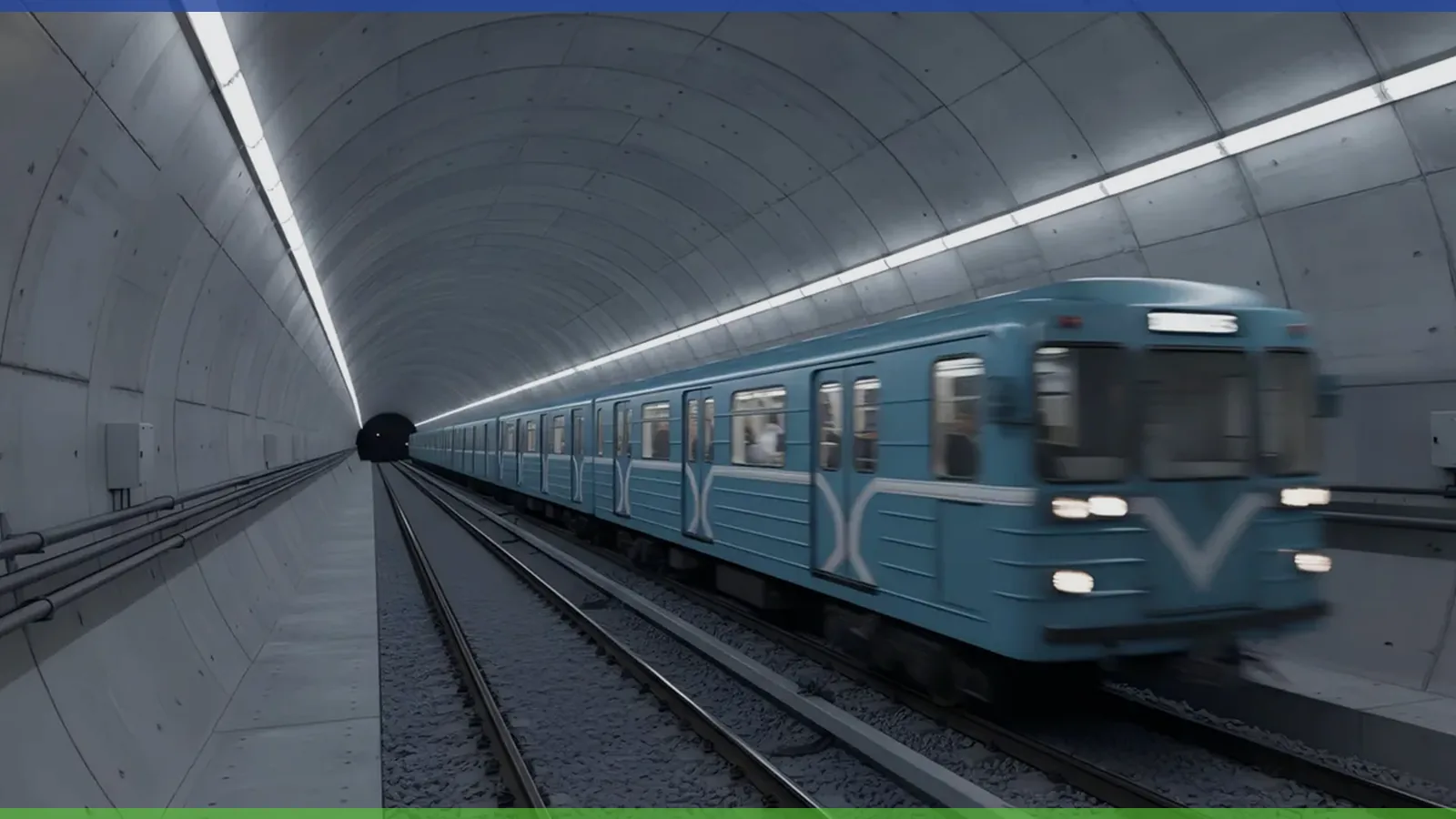
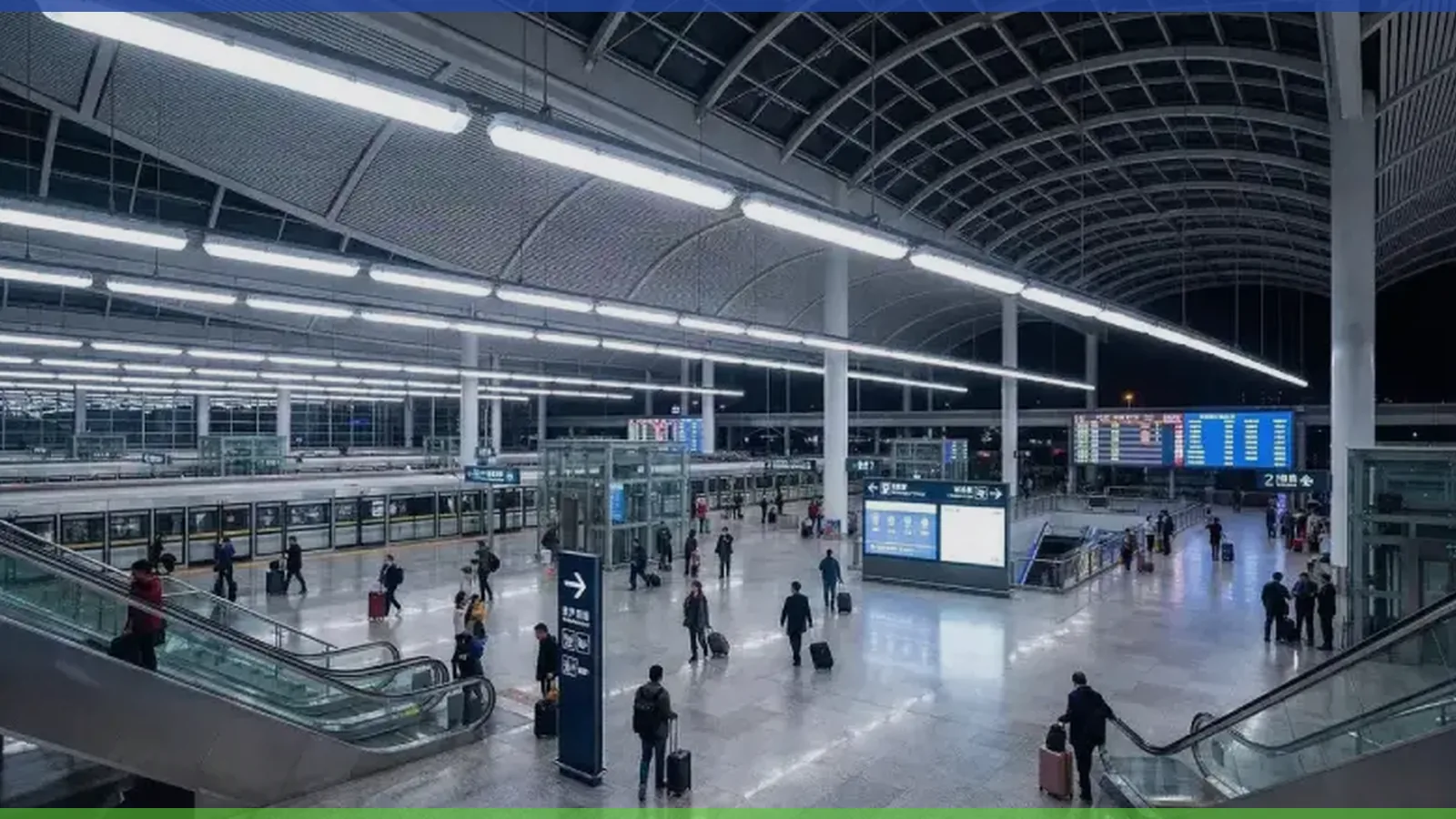
Lighting can affect the body’s timing system, but the commercial buying conversation is often too simple. A brochure may say 4000 K improves alertness, 6500 K supports circadian rhythm, or warm light protects sleep. Those shortcuts miss the actual variables: timing, amount of light at the eye, spectrum, direction, duration, worker schedule, glare, and control behavior.
CDC NIOSH explains that circadian rhythms are influenced by the light-dark cycle. CDC NIOSH also explains that evening light can shift the circadian system later while morning light can shift it earlier. For LED lighting buyers, this means biological effects are not a simple fixture label. They are a design and operations question.
Key Takeaways
- Lighting can influence circadian timing and alertness, but responsible buyers should avoid medical or guaranteed sleep claims from fixture marketing.
- CCT alone is not enough; the buyer should ask about spectrum, vertical eye-level exposure, timing, duration, glare, and control zones.
- In shift-work facilities, lighting may need different scenes for early shift alertness, late shift transition, task safety, and rest areas.
- Fanxstar can support commercial and industrial lighting briefs when the project defines schedule, zone, task, controls, and evidence needs rather than asking for a generic healthy light.
Biological lighting depends on timing and exposure
The eye-level dose matters more than the ceiling label
A luminaire mounted on the ceiling does not automatically create a biological effect. The relevant question is what reaches the eye, from what direction, at what time, and for how long. A high-CCT fixture hidden behind shelves may have less circadian relevance than a lower-output fixture that creates more vertical exposure at the worker’s eye. A bright task light at night may support visual performance but also affect the transition to sleep.
CIE TN 015 explains melanopic equivalent daylight illuminance as a measurement concept from CIE S 026. That kind of metric reminds buyers that biological lighting is not just Kelvin. It needs a measurable exposure concept, especially when a project claims circadian support.
For a commercial building, warehouse, clinic support area, control room, or data center service corridor, the practical brief should name the schedule. Day shift, evening shift, overnight shift, 24-hour operation, public-facing zones, rest zones, and emergency routes may need different lighting scenes. One fixture setting rarely serves all biological and operational goals at once.
Blue light is a timing problem, not a slogan
CDC NIOSH notes that blue light suppresses melatonin at night. That does not mean blue-rich light is always bad. Daytime light exposure can help align the body’s clock, while nighttime blue-rich exposure can be disruptive for some sleep schedules. The same spectrum can be helpful or harmful depending on timing and context.
This is where many SEO articles become misleading. They treat blue light as a villain or sell a single color temperature as a health upgrade. A better buyer approach is to define when the space needs alertness, when it needs visual accuracy, when it should reduce stimulation, and how controls keep the wrong scene from being used at the wrong time.
Commercial facilities need controls, not just different LEDs
Static lighting cannot solve a time-based problem
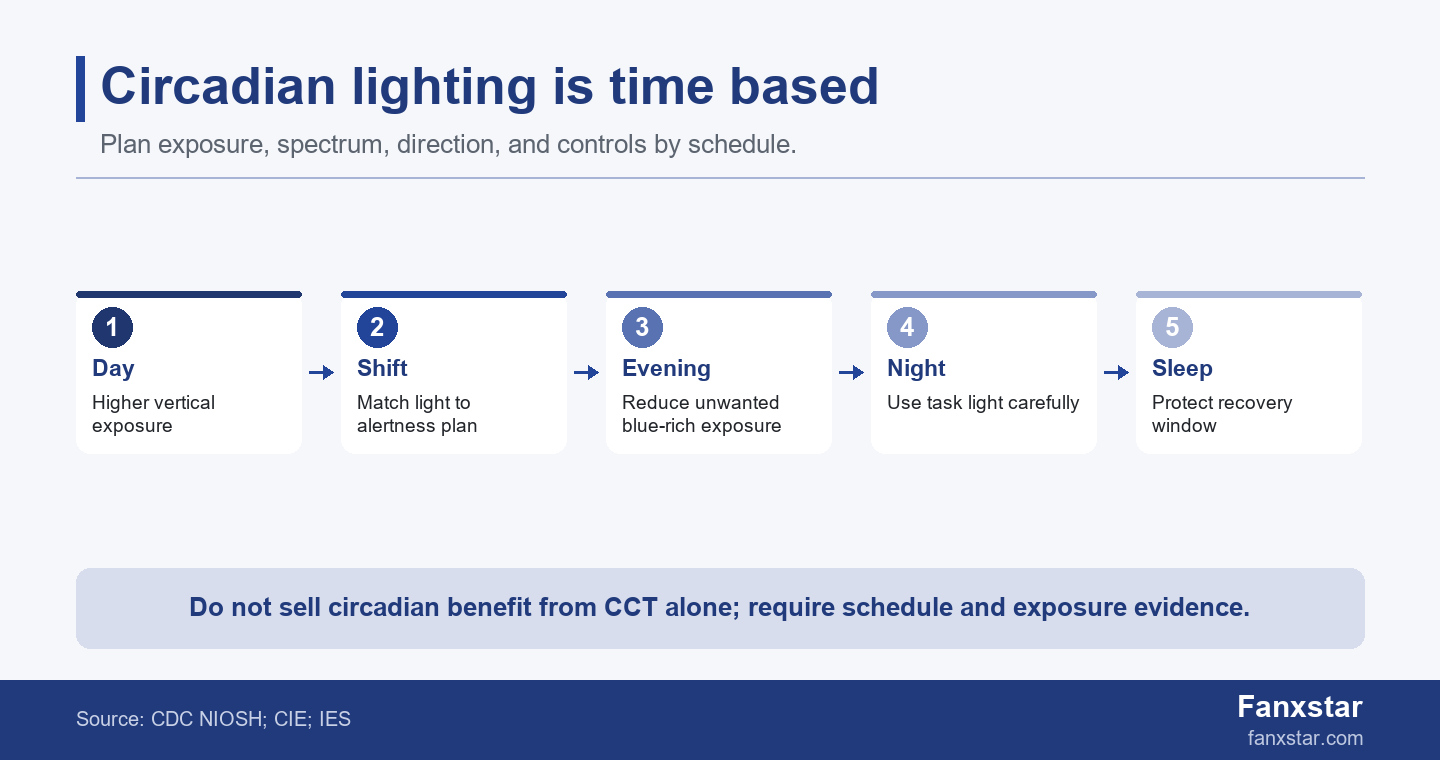
Circadian rhythm is time-based, so a static lighting installation is limited. A 24-hour logistics site, data center, hospital support corridor, or emergency facility may need higher alertness light during active work and calmer lower-intensity light near transition periods. Without controls, the operator has to choose one compromise setting for every hour.
An open-access review discusses CIE S 026 as a method for characterizing light exposure relevant to non-visual effects. In practical procurement, this points toward control zones, dimming scenes, scheduling, occupancy behavior, and training. The fixture can provide optical and spectral capability, but the control system decides when that capability is used.
Fanxstar buyers can connect this planning to LED lighting controls for industrial facilities, data center lighting applications, warehouse logistics lighting applications, and custom LED lighting design options. The goal is not to sell a medical device. The goal is to make workplace lighting more appropriate to the task, schedule, and environment.
Glare and visual comfort still matter
A lighting plan can have a biologically interesting spectrum and still fail users if it creates glare, flicker, harsh contrasts, or reflections. For work areas, visual comfort remains a baseline requirement. If a night-shift worker avoids looking toward the ceiling because luminaires are too bright, the actual exposure and the user experience both become unreliable.
The buyer should ask for photometric files, glare review, dimming behavior, flicker information where available, sample views, and scene testing. If the space has screens, stainless equipment, wet floors, glass, or glossy packaging, reflections should be part of the sample review. Biological lighting should not be allowed to excuse poor visual lighting.
Evidence checks for commercial circadian-lighting projects
Ask for a schedule map before choosing CCT
The first useful document is not a product catalog. It is a 24-hour schedule map. The map should show when people arrive, when alertness matters, when visual inspection matters, when the space is empty, when cleaning or maintenance happens, and when workers need to prepare for sleep after a shift. Without that schedule, a 3000 K, 4000 K, or 6500 K choice is only a guess.
CDC NIOSH circadian rhythm guidance and CDC NIOSH light-timing guidance support the same core point: timing changes the meaning of light exposure. The implication is that a commercial project should define at least 3 scenes when biological-lighting claims are important: active work, transition, and low-stimulation support. Some 24-hour sites may need 4 or 5 scenes if inspection, rest, cleaning, and emergency paths have different needs.
The buyer should also define where the exposure is measured. Horizontal workplane lux is not the same as vertical eye-level exposure. A fixture can satisfy a task-lighting target and still provide little biologically relevant exposure if most light is directed downward and workers rarely face the bright surface. This is why schedule, direction, and measurement point belong in the same brief.
Connect controls to the evidence file
CIE TN 015 discusses melanopic equivalent daylight illuminance gives buyers a more specific vocabulary than healthy light. The article does not mean every warehouse or corridor needs an advanced biological-lighting model, but it does show why projects making circadian claims need a metric, a method, and a location for measurement.
GSA LED and controls guidance and DOE FEMP luminaire purchasing guidance are useful for translating that idea into procurement. The lighting file should include fixture data, dimming range, control protocol, sensor behavior, scene schedule, commissioning method, and who is allowed to change scenes after handover.
A practical 6-point evidence request is enough for many commercial spaces: SPD or spectrum data where relevant, CCT range, dimming range, vertical measurement plan, schedule table, and glare review. The result is a project that can defend its lighting choices without promising medical outcomes.
How to evaluate biological-lighting claims
Use evidence language instead of wellness promises
Responsible content should avoid saying that a fixture improves sleep, treats fatigue, cures shift-work problems, or guarantees productivity. Those claims require evidence that a normal product page usually does not have. Safer language says that light exposure can influence circadian timing and alertness, and that a project can design lighting to support the intended schedule while respecting visual comfort and safety.
| Claim to check | Weak version | Better buyer question |
|---|---|---|
| Circadian lighting | This CCT is healthy. | What vertical eye-level exposure, schedule, and control scene are planned? |
| Blue light | Blue light is always bad. | At what time, intensity, duration, and worker schedule does blue-rich light appear? |
| Night shift alertness | More light all night is better. | When should light support alertness, and when should it protect the sleep transition? |
| Wellness benefit | The fixture improves sleep. | What evidence supports the claim, and is this a medical or workplace-lighting statement? |
| Product selection | Choose by Kelvin. | Choose by spectrum, optics, glare, controls, timing, and measurement method. |
The buyer’s evidence request should include spectrum or SPD data where needed, CCT and CRI, dimming range, control scenes, timing schedule, vertical-eye-level measurement plan, glare review, and installation layout. If the supplier cannot explain how the lighting will be used over time, the claim is probably a marketing claim rather than a design plan.
When to involve Fanxstar in the brief
Fanxstar is most relevant when the project already knows its operating pattern: warehouse shifts, data hall service corridors, food plant backrooms, retail support areas, emergency paths, or industrial zones with sensors and dimming. With those details, Fanxstar can discuss fixture families, optics, control compatibility, CCT options, wiring, and sample testing.
A useful inquiry should include room type, shift schedule, target tasks, ceiling height, mounting method, target illuminance, desired CCT range, control zones, sensor needs, emergency requirements, and any evidence language required by the owner’s standard. This keeps the discussion inside lighting design and avoids unsupported medical promises. If a buyer already has a shift schedule and zone map, Fanxstar can respond with fixture and control options that match the operating rhythm rather than a generic wellness claim.
Implementation Note for Buyers
For biological lighting claims, the approval sheet should use operational language rather than medical language. A practical sheet can include 7 fields: user group, shift schedule, task, scene timing, CCT or spectrum option, vertical measurement point, and control responsibility. This keeps the project focused on lighting design and avoids unsupported promises about sleep, treatment, or health outcomes.
Fanxstar can support this kind of brief when the buyer names the space and schedule first. For example, a warehouse logistics lighting application may need different scenes than a data center lighting application, and both may need controls that maintenance teams can understand after installation.
According to CDC NIOSH circadian rhythm guidance, circadian rhythms are influenced by light-dark timing. According to CDC NIOSH light timing guidance, evening and morning light can shift the timing system in different directions. According to CDC NIOSH blue-light shift-work guidance, blue-rich exposure at night deserves special attention.
According to CIE TN 015 melanopic EDI guidance, melanopic EDI gives projects a more specific measurement language than generic healthy-light claims. According to the open-access review of CIE S 026, non-visual light effects need a characterization method. According to GSA LED and controls guidance, controls are part of how a lighting system performs after installation.
The decision rule is to ask what happens during the first 24 hours of a normal operating cycle, not only what CCT appears on the product sheet. According to DOE FEMP luminaire purchasing guidance, the luminaire choice should fit the application, so a circadian-lighting brief should name task, timing, control scene, and measurement point before fixture approval.
For procurement teams, the useful output is a lighting schedule that maintenance can operate after handover. Name the day scene, evening scene, night task scene, and any low-stimulation service scene. Then connect each scene to fixture output, control setting, and measurement location so the biological-lighting claim remains practical. This also gives the owner a clear way to audit whether future driver, sensor, or CCT substitutions still support the same operating schedule and documented user workflow.
FAQ
Can lighting affect circadian rhythm?
Yes. Light exposure can influence circadian timing, especially depending on timing, intensity, spectrum, direction, and duration. Commercial lighting should treat this as a design and control issue, not a simple fixture label.
Is 6500 K always better for alertness?
No. CCT alone is not enough. A high-CCT light may support alertness in some daytime or shift-work contexts, but the useful effect depends on eye-level exposure, timing, task, glare, and worker schedule.
Should night-shift workplaces avoid all blue light?
Not always. Blue-rich light at night can affect melatonin, but some tasks need alertness and visual performance. The practical answer is scheduled scenes and controls, not a blanket rule.
What evidence should a buyer request for circadian lighting?
Ask for spectrum or SPD data where relevant, CCT, CRI, dimming range, control scenes, timing schedule, vertical-eye-level measurement plan, glare review, and sample testing in the actual zone.