Key Takeaways
-
Unmatched Impact Strength: Polycarbonate offers up to 250 times the impact resistance of glass, making it virtually unbreakable in industrial settings.
-
The Tri-Proof Standard: It excels in waterproofing (IP66+), dustproofing, and shockproofing (IK10), ensuring holistic protection for tri-proof lights.
-
Superior Optical Clarity: Despite its toughness, it maintains 90% light transmission, rivaling glass but with far greater safety.
-
Long-Term Value: Its durability drastically reduces maintenance costs, making it the most cost-effective solution over a product’s lifecycle.
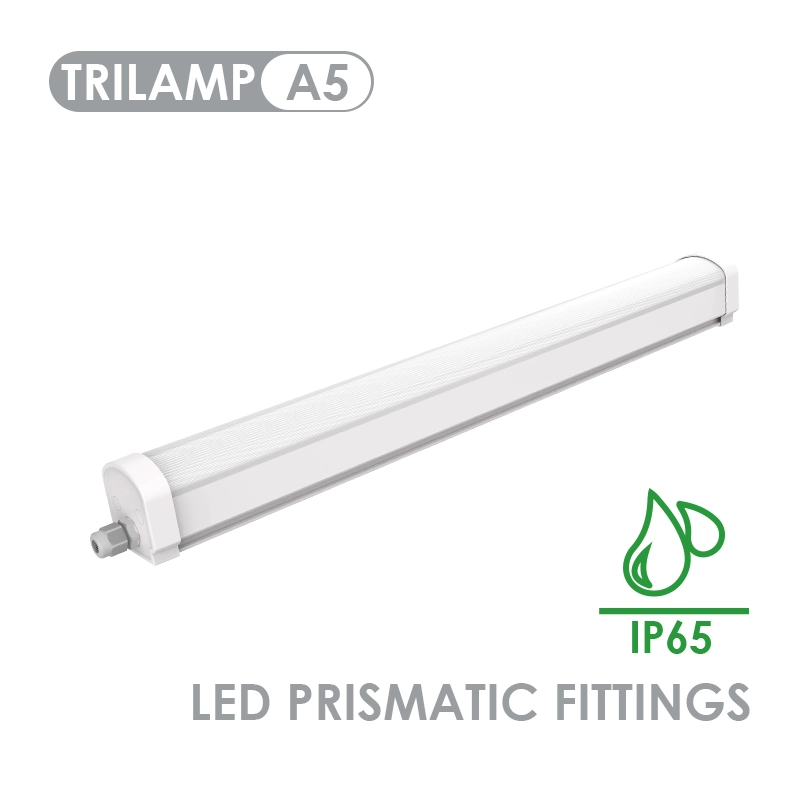
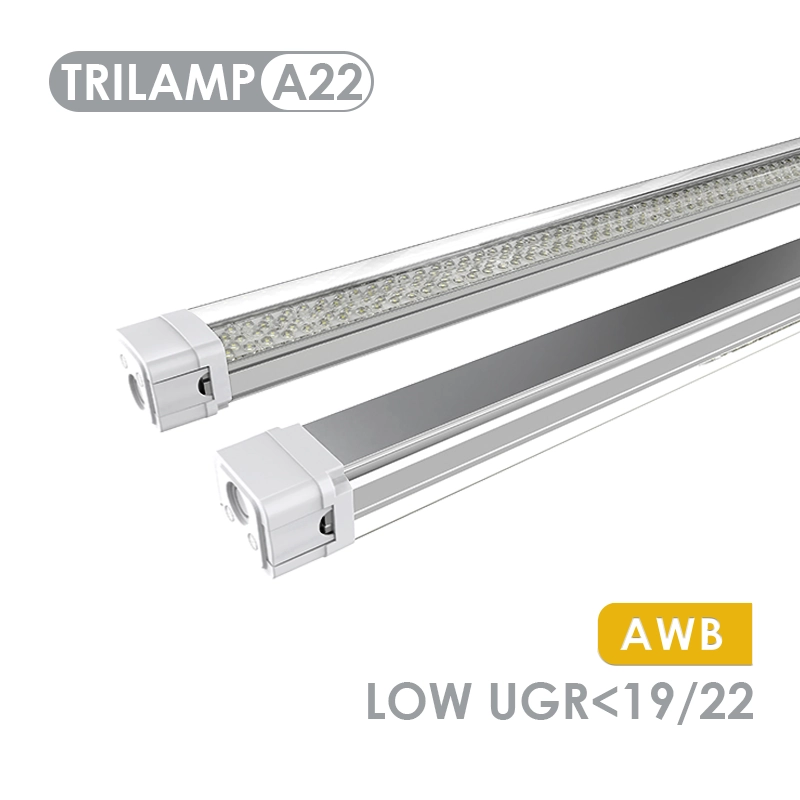
Polycarbonate (PC) is best understood as an amorphous engineering thermoplastic renowned for its unique combination of properties. Manufacturers rely on it for its exceptional ability to resist impacts, block water, and keep dust away. This high-performance material forms the backbone of rugged LED fixtures in factories, warehouses, and outdoor spaces.
Key Properties: Why Polycarbonate is an Engineering Marvel
Polycarbonate stands as a pinnacle of material engineering. Its performance is defined by a powerful synergy of characteristics that outperform common alternatives like glass, acrylic, and standard plastics.
1. Unmatched Impact Resistance (IK10)
The most celebrated property of polycarbonate is its extraordinary impact strength. This material exhibits impact resistance up to 250 times greater than standard glass and approximately 30 times that of acrylic. The IK10 rating is the highest standard for mechanical impact protection.
|
Impact Force (Joules) |
Object Weight (kg) |
Real-World Application |
|---|---|---|
|
20 Joules (IK10) |
5 kg dropped from 400mm |
Industrial areas, sports facilities, public spaces prone to vandalism. |
This inherent toughness allows IK10 rated fixtures to withstand accidental drops, collisions, or vandalism without compromising the seal.
2. Superior Optical Clarity
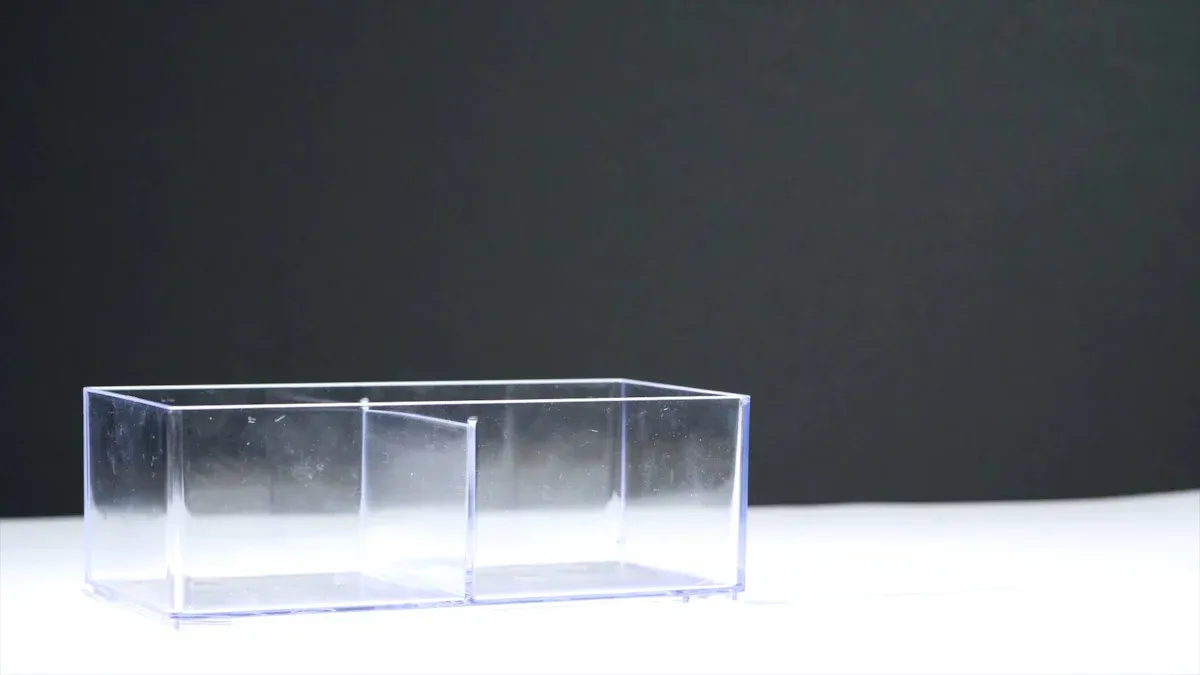
Despite its durability, polycarbonate does not sacrifice transparency. It offers exceptional optical clarity, allowing for light transmission rates over 90%, comparable to glass. This makes it ideal for lens covers and diffusers where brightness is paramount.
3. Fire Safety and UV Protection
Polycarbonate excels in fire safety, often achieving UL 94 V-0 ratings, meaning it resists burning and self-extinguishes. Additionally, high-quality polycarbonate is treated to block over 99% of harmful UV radiation, preventing the yellowing and brittleness often seen in cheaper plastics.
|
Material |
UL 94 Rating |
Performance |
|---|---|---|
|
Polycarbonate (PC) |
V-0, V-1, V-2 |
Excellent self-extinguishing properties. |
|
ABS |
Varies |
Often flammable without additives. |
|
PVC |
Varies |
Releases toxic fumes when burned. |
Understanding ‘Tri-Proof’: Waterproof, Dustproof, Shockproof
When selecting materials for demanding environments, the term “tri-proof” is a powerful indicator of resilience. It signifies that a product is engineered to withstand three primary environmental aggressors.
-
Waterproof (IP66/IP67): Protection against high-pressure water jets or immersion. Critical for washdown areas in food processing.
-
Dustproof (IP6X): Complete protection against dust ingress, preventing overheating and component failure.
-
Shockproof (IK08-IK10): The ability to absorb physical blows without cracking.
Polycarbonate creates a tight, durable seal that maintains these ratings over years of exposure, making it the standard for waterproof motion detector lights and other harsh-environment fixtures.
Polycarbonate vs. The Competition
Why choose PC over Acrylic (PMMA) or Glass?
|
Feature |
Polycarbonate |
Acrylic (PMMA) |
Tempered Glass |
|---|---|---|---|
|
Impact Resistance |
High (250x glass) |
Medium (17x glass) |
Low (Brittle) |
|
Scratch Resistance |
Low (needs coating) |
Medium |
High |
|
Flexibility |
High |
Low (Rigid) |
None |
|
Chemical Resistance |
Good |
Poor |
Excellent |
Limitations and Considerations
While Polycarbonate is the “King,” it requires specific engineering considerations:
-
Scratch Susceptibility: PC is softer than glass. For high-traffic areas, specify hard-coated polycarbonate to prevent abrasions.
-
Chemical Sensitivity: It can be attacked by strong alkalis or solvents like acetone. Always check chemical compatibility for specific industrial environments.
The Future: Sustainability and Innovation
The future of polycarbonate lies in sustainability. Innovations are focusing on bio-based alternatives and advanced mechanical recycling to reduce the carbon footprint. Leading manufacturers like Fanxstar are adopting eco-conscious designs that maintain the legendary durability of PC while supporting a circular economy.
FAQ
What does “tri-proof” mean in industrial lighting?
Tri-proof means a fixture is engineered to be waterproof, dustproof, and shockproof (corrosion-proof). Polycarbonate is the primary material used to achieve this holistic protection.
Is polycarbonate truly unbreakable?
While not literally unbreakable, it is virtually indestructible in standard applications. It will dent or deform under extreme stress long before it fractures.
How does polycarbonate compare to glass for lighting covers?
PC is half the weight of glass and 250 times stronger. Unlike glass, which shatters into dangerous shards, PC remains intact, making it essential for safety in food processing and public areas.
Is all polycarbonate UV protected?
No. Basic PC can yellow over time. For outdoor use, always ensure the fixture uses UV-stabilized polycarbonate to maintain clarity and strength.