LED lighting carbon footprint reduction is credible only after the buyer calculates the actual energy drop. The useful path is baseline kWh, new LED kWh, controls behavior, operating schedule, grid emissions factor, replacement interval, and evidence for the exact fixture version. A generic green claim is weaker than a simple project calculation.
According to EPA eGRID, eGRID provides data on electricity generation and emissions from U.S. power plants. According to EPA Greenhouse Gas Equivalencies Calculator, EPA provides a tool for translating greenhouse gas reductions into understandable equivalents. The buyer should therefore calculate kWh reduction first, then translate it into carbon impact using the correct region or market context.
Key Takeaways
- LED lighting reduces carbon footprint mainly by cutting kWh, reducing operating hours through controls, and extending replacement intervals when the fixture is reliable.
- Carbon claims should use the actual fixture count, wattage, schedule, controls, grid factor, and maintenance plan, not a generic percentage.
- A retrofit can save energy and still fail commercially if glare, dark zones, driver failure, or poor controls force rework.
- Fanxstar is relevant when buyers need efficient, sensor-ready, weatherproof, or custom ODM fixtures whose evidence can support a project carbon calculation.
Start with kWh before talking about carbon
Carbon reduction is a result, not a slogan
A lighting project reduces operational carbon when it reduces electricity consumption or shifts operating behavior. The first calculation is not carbon. It is kWh. Count the old fixtures, old wattage, operating hours per year, new fixture wattage, expected control schedule, and whether the lighting level still meets the task. Only after that should the buyer apply an emissions factor.
According to ENERGY STAR commercial lighting guidance, lighting upgrades can reduce electricity used in commercial buildings. According to DOE solid-state lighting resources, LED technology belongs within a broader solid-state lighting system. In practice, the fixture alone is not the whole reduction story. Controls, layout, maintenance, and operating hours decide whether the expected saving becomes real.
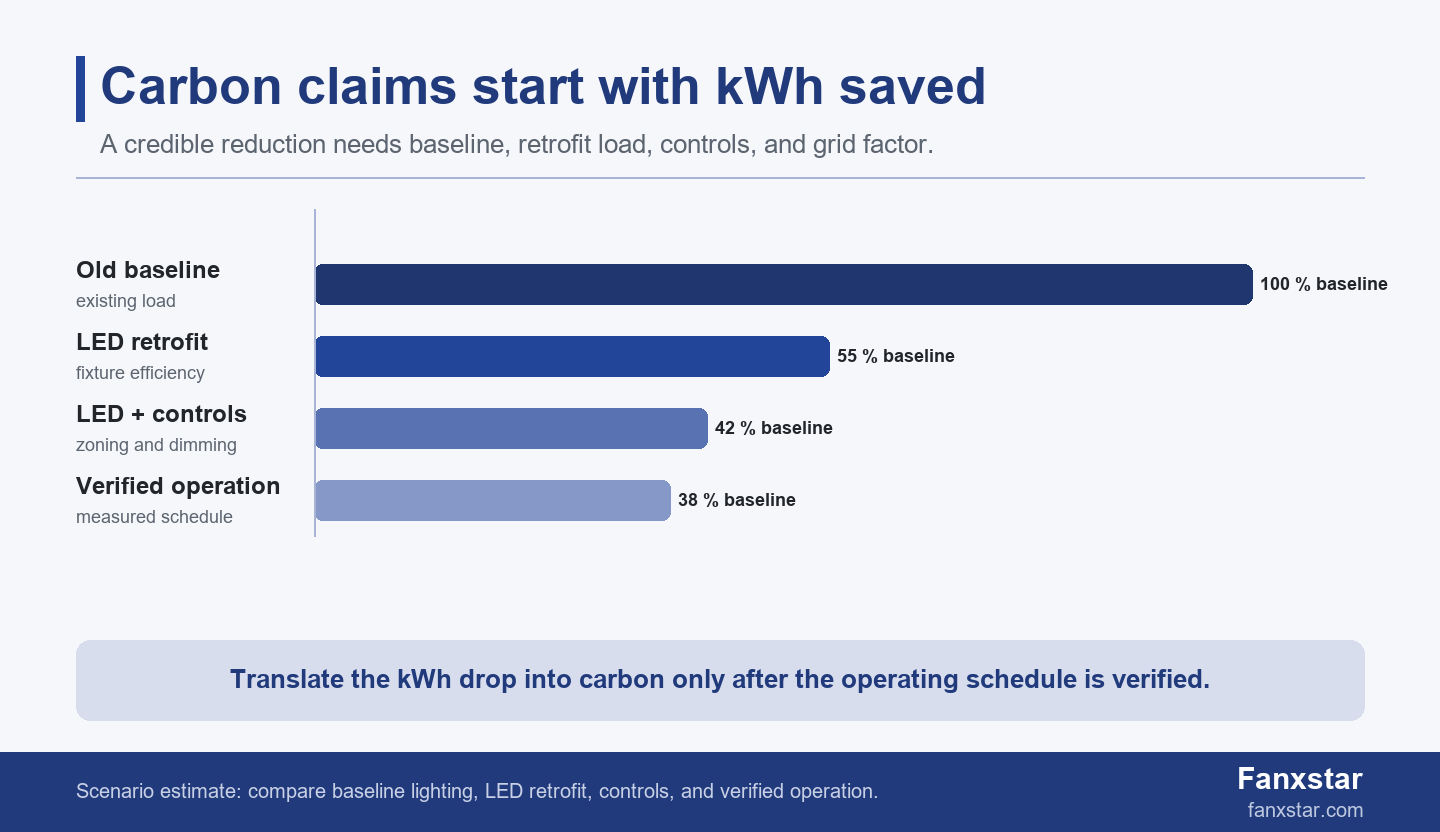
Use an illustrative calculation. If 100 old fixtures use 150 W for 4,000 hours per year, baseline energy is 60,000 kWh per year. If 100 LED fixtures use 80 W for the same 4,000 hours, energy falls to 32,000 kWh. If zoning and dimming reduce average operation by another 15 percent, the project reaches 27,200 kWh. The carbon claim should be based on that verified 32,800 kWh reduction, not a generic LED statement.
Grid data changes the carbon answer
The same kWh saving creates different carbon impact depending on grid emissions. A project in a coal-heavy grid and a project in a low-carbon grid can save the same energy but different emissions. That is why carbon reporting should name the emissions source or at least state the grid factor assumption. Buyers should avoid one universal carbon number for every country and project.
According to EPA eGRID data, electricity generation and emissions data can be linked to U.S. power plants and grid regions. For non-U.S. projects, buyers should use the best available local or corporate reporting factor. The decision rule is the same: calculate energy first, then apply the relevant grid factor.
| Calculation step | Buyer input | Why it matters |
|---|---|---|
| Baseline energy | old wattage, quantity, hours per year | sets the carbon starting point |
| LED energy | new wattage, controls, schedule | separates fixture efficiency from operating behavior |
| Grid factor | regional eGRID or local emissions data | turns kWh into carbon impact |
| Replacement effect | lifetime, failure rate, service visits | captures maintenance and embodied impact signals |
Where LED fixtures create real sustainability impact
Efficiency matters only if the layout still works
A lower wattage fixture is not automatically a better sustainability choice. If the beam is wrong, the buyer may add more fixtures. If glare is high, the site may lower output or reject the product. If the driver fails early, replacement visits erase part of the sustainability gain. A credible carbon reduction plan must preserve visibility, safety, uniformity, and serviceability.
According to DLC solid-state lighting technical requirements, LED products are evaluated through defined technical requirements. That discipline matters for carbon work because a project report needs the exact fixture version. A claimed efficient product family is weak if the shipped driver, optics, CCT, lens, or control option differs from the model used in the calculation.
Controls can be the second carbon lever
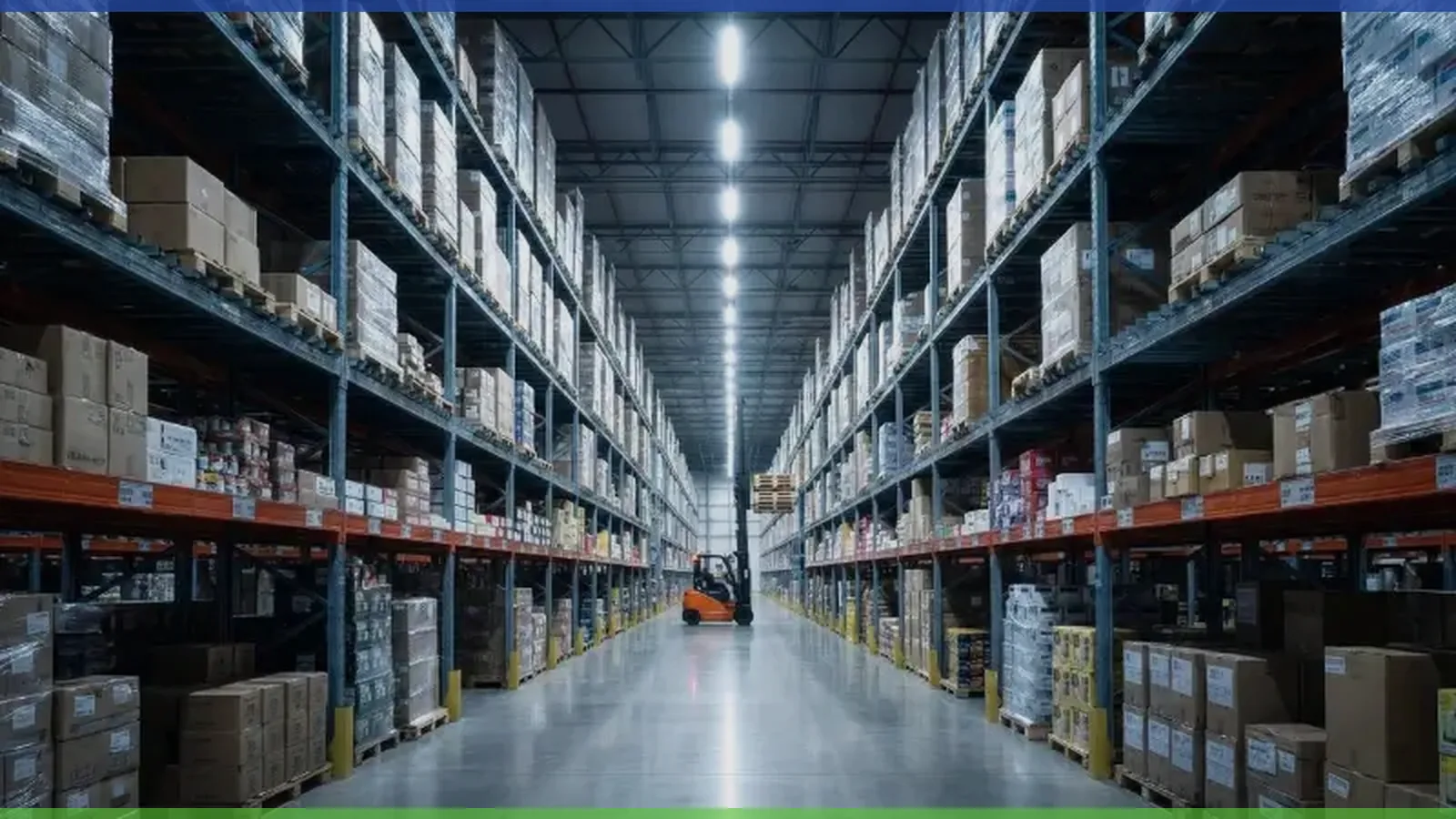
Occupancy sensors, daylight dimming, scheduled dimming, aisle zoning, and emergency-only logic can reduce operating hours or average power. The saving depends on behavior. A warehouse with empty aisles at night can benefit more from controls than a production area that runs at full occupancy 24 hours per day. That is why the calculation should include at least 2 scenarios: fixture-only and fixture-plus-controls.
According to GSA LED and controls guidance, lighting choices should account for life-cycle cost and controls behavior. A B2B buyer can turn that into a carbon workflow: model baseline, model LED-only, model LED plus controls, then verify with measured operation after installation.
A practical 90-day post-install check helps. Compare meter data, control schedules, occupancy logs, and user complaints in the first 30, 60, and 90 days. If people override dimming because the layout is uncomfortable, the carbon calculation should be corrected. Sustainability is not proven by purchase order; it is proven by operation.
Embodied and maintenance impacts should not be ignored
Replacement interval changes the sustainability picture
Operational energy is usually the largest visible lever, but replacement frequency still matters. A fixture that lasts longer can reduce service visits, spare inventory, packaging, and waste. A fixture that fails early can create extra lifts, transport, labor, and downtime. For industrial buyers, maintenance carbon and cost often move together.
According to DOE LED basics, LED performance should be understood through technology and system behavior. The practical point is that lumen maintenance, driver reliability, thermal design, and service access belong in a sustainability conversation. A short-lived fixture may look efficient at purchase but weak over a 5-year or 10-year ownership period.
Use a scenario estimate. If 400 fixtures require one additional service visit in year 3 because of driver failures, the project loses labor hours, lift use, replacement parts, and operational disruption. Even when the energy saving remains positive, the sustainability report becomes less credible because the product evidence did not match the ownership period.
Imported products need evidence that matches the carbon story
According to International Trade Administration import documentation guidance, shipment files can include invoices, bills of lading, packing lists, insurance proof, and certificates of origin. Lighting buyers should align the sustainability file in the same way: approved model, wattage, driver, controls, packing list, invoice, and test evidence should describe the same product.
According to SBA import and export law guidance, businesses should understand import and export rules before international sales. Carbon reporting is not the same as import compliance, but both need version control. If a supplier changes driver, optics, or sensor option after the calculation, the buyer should update the energy and carbon estimate.
This matters for private-label and ODM projects because small design changes can affect wattage, light distribution, and controls. If the buyer wants a credible carbon claim, the final fixture evidence must match the calculation assumptions.
Procurement controls that make carbon reporting defensible
Lock the calculation to a product version
A carbon calculation is only as reliable as its version control. The buyer should lock the fixture model, wattage, driver, optics, lens, sensor option, dimming method, CCT, and emergency option before publishing a saving number. If any of those fields changes after sample approval, the energy model should be reviewed. A 10 W difference across 1,000 fixtures running 4,000 hours per year changes the annual energy result by 40,000 kWh.
This is especially important in ODM and private-label projects because the visible housing can stay the same while the driver, LED board, lens, or sensor logic changes. The buyer may still receive a fixture that looks correct but no longer matches the carbon model. A simple version table in the purchase file prevents that mismatch.
According to International Trade Administration import documentation guidance, shipment documentation can include invoices, packing lists, and certificates of origin. Carbon evidence should be kept with the same discipline. The invoice model, packing list, technical datasheet, and carbon calculation should point to the same shipped version.
Define the measurement plan before claiming savings
A stronger project does not stop at projected savings. It defines how savings will be checked after installation. The buyer can compare monthly energy bills, submetered lighting circuits, control schedules, or representative runtime logs. The method does not need to be complicated, but it should be named before the project starts.
For example, a warehouse retrofit can record baseline fixture count, baseline wattage, operating hours, and occupancy pattern before replacement. After installation, the facility can check whether dimming zones actually follow occupancy, whether staff override sensors, and whether emergency or security requirements keep some zones at full output. This turns the carbon claim into an operating practice rather than a marketing paragraph.
According to EPA Greenhouse Gas Equivalencies Calculator, greenhouse gas reductions can be translated into familiar equivalents after the emissions reduction is known. That sequence matters. Measure or estimate kWh reduction first, then translate the result. If the operating evidence changes, update the carbon number instead of leaving an old claim in place.
How Fanxstar supports evidence-led carbon reduction
Start with the project baseline and environment
Fanxstar’s relevant starting points include LED linear lighting platforms, motion sensor LED lighting, weatherproof LED lighting, AI data center LED lighting solutions, and custom LED lighting ODM service. The best carbon project starts with the site’s old fixture count, wattage, operating hours, target light level, environment, and control opportunity.
A useful Fanxstar brief includes baseline wattage, fixture count, operating hours, mounting height, temperature, moisture or dust exposure, desired controls, target market, and whether the buyer needs a custom housing, sensor, driver, or label. Fanxstar can then recommend a platform that supports both performance and the energy calculation.
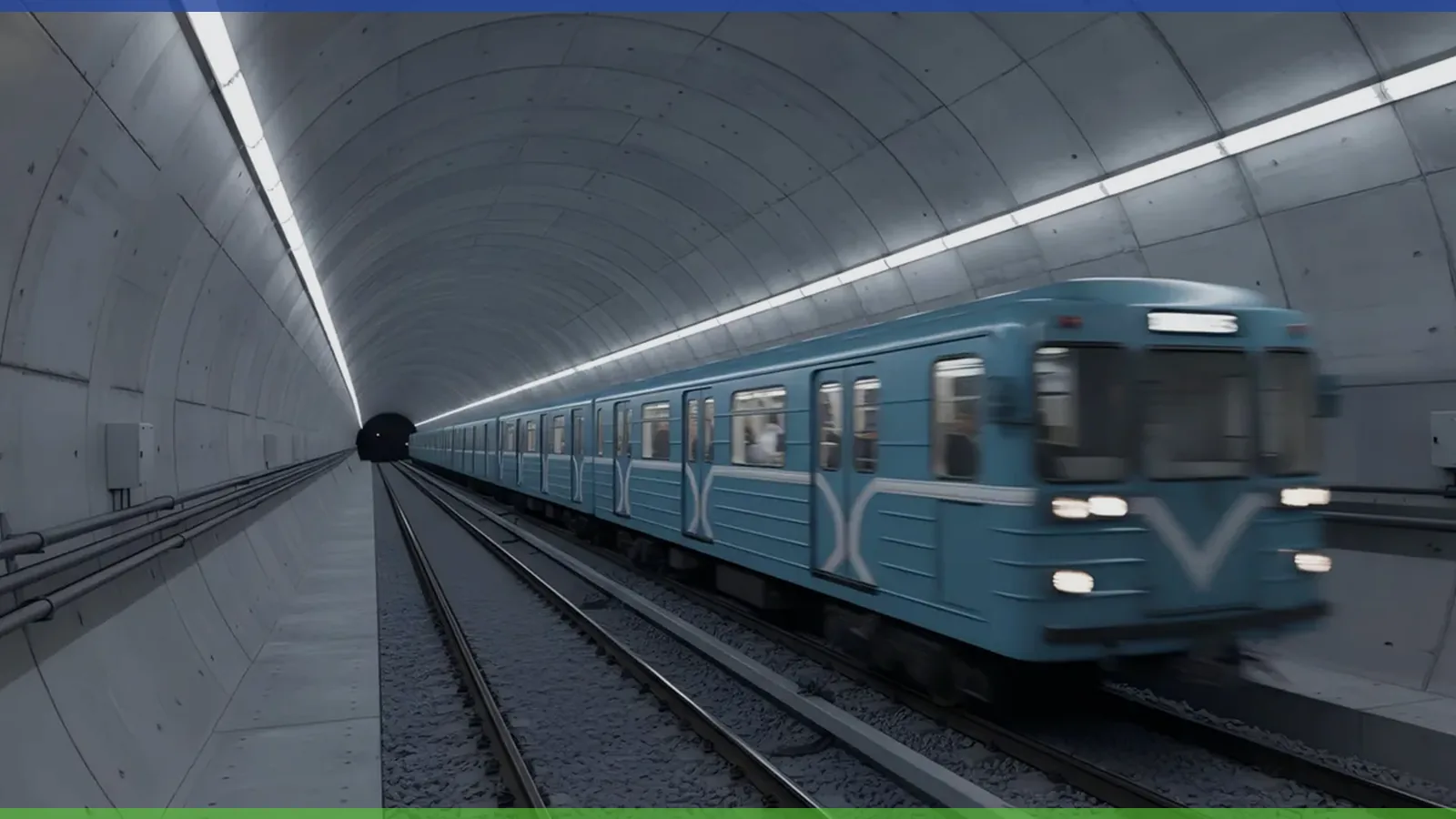
For example, a parking garage, tunnel, cold storage room, and data hall may all need LED efficiency, but their carbon calculations rely on different control behavior and service assumptions. The buyer should not use one sustainability template for all four environments.
Use the carbon calculation as an RFQ control
The RFQ should ask for wattage, lumen output, photometric file, driver model, sensor option, dimming method, warranty boundary, expected lifetime evidence, and whether substitutions change the calculation. If the buyer uses an 80 W version in the carbon model, the supplier should not ship a 95 W version without updating the report.
According to FEMP LED luminaire purchasing guidance, buyers should evaluate complete commercial and industrial LED luminaires. That is the right sustainability frame. Carbon reduction belongs to the complete installed fixture and operating mode, not one efficient component.
The final handoff should include a baseline calculation, proposed fixture file, control schedule, grid factor assumption, and post-install verification plan. That file makes the carbon claim useful for procurement, facilities, and marketing without overstating what the lighting project can prove.
FAQ
How does LED lighting reduce carbon footprint?
LED lighting reduces carbon footprint by lowering electricity consumption and, when controls are used well, reducing operating hours or average power. The actual carbon impact depends on kWh saved, the grid emissions factor, product lifetime, and whether the installed lighting still meets the task.
Can I use one carbon reduction percentage for every LED project?
No. A single percentage can mislead because fixture wattage, operating hours, controls, grid emissions, and replacement intervals vary by site. Buyers should calculate baseline kWh, LED kWh, controls effect, and grid factor for each project.
Do motion sensors improve carbon reduction?
Motion sensors can improve carbon reduction when occupancy is intermittent and the sensor zones are commissioned correctly. They may add little value in fully occupied spaces or when users override settings. The calculation should include measured or realistic operating behavior.
What evidence should support a lighting sustainability claim?
Use model-level wattage, photometric files, fixture count, operating schedule, controls settings, grid emissions factor, product version, and post-install verification. If the supplier changes driver, optics, sensor, or output, the carbon calculation should be reviewed.