

Key Takeaways
-
CRI Drives Trust: High CRI (90+) ensures product colors look true-to-life, reducing “metamerism” (color shifting) and product returns.
-
Psychological Impact: Vibrant colors trigger positive emotional responses, increasing dwell time and purchase intent.
-
Digital Readiness: High CRI lighting prevents “color banding” on camera, making your store “Instagram-ready” for social sharing and livestreaming.
-
Strategic Layering: Use CRI 90+ for focal points (displays, fitting rooms) and CRI 80 for general areas to balance cost and impact.
In the competitive landscape of modern commerce, CRI (Color Rendering Index) serves as a silent salesperson. It determines whether the products on your shelves look vibrant and appetizing or dull and deceptive. Understanding this metric is vital because it moves beyond illumination to functional sales performance.
What is CRI and Why Does It Matter?
CRI measures how accurately a light source reveals the true colors of objects compared to natural sunlight (CRI 100). When lighting has a low rating (<80), reds can look brown and blues can look gray. This lack of visual accuracy creates psychological friction for shoppers.
The Consumer Psychology of Color
When a customer evaluates a product, they are looking for “color truth.” High CRI lighting ensures that textures are crisp and color differentiation is sharp. This transparency fosters brand reliability and lowers the psychological barrier to purchase.
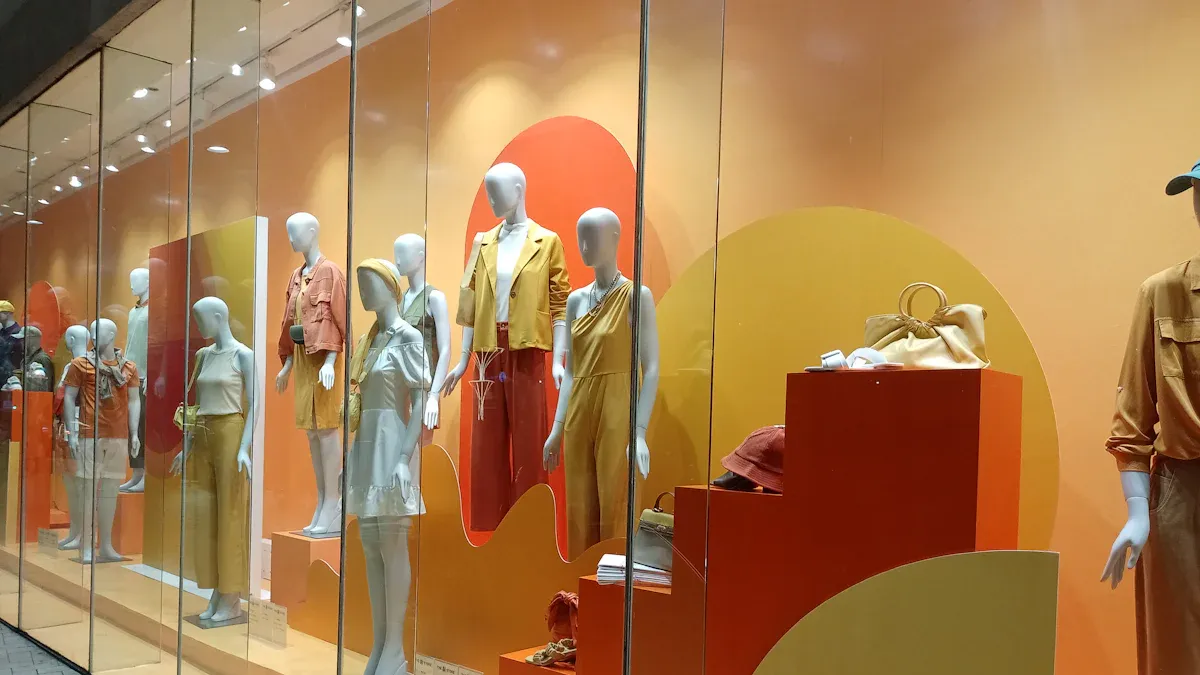
CRI 80 vs. CRI 90+: Seeing the Difference
While CRI 80 is the industry standard for general commercial use, upgrading to CRI 90+ can fundamentally transform the customer experience.
|
Feature |
CRI 80 (Standard) |
CRI 90+ (Premium) |
|---|---|---|
|
Best For |
Aisles, Stockrooms |
Displays, Fitting Rooms |
|
Visual Effect |
Colors are recognizable but flat |
Vibrant, High Saturation |
|
Retail Impact |
Functional |
Emotional Connection |
Strategic Application: Choosing the Right CRI
Effective lighting design requires a layered approach. Use high-performance lighting where it counts most.
High-Impact Zones (CRI 90+)
-
Fresh Food: Makes produce and meat look fresh and juicy, triggering biological hunger cues.
-
Fashion: Prevents color mismatches. Customers need to know the shirt they buy matches the pants they have at home.
-
Jewelry: Reveals the true brilliance and facets of gemstones.
Ambient Zones (CRI 80)
For general circulation aisles and back-of-house areas, standard CRI 80 LED linear lights provide sufficient visibility without the premium cost.
Beyond the Eye: Social Media & Livestreaming
In 2026, your store is a content studio. Low-quality LED lighting often results in “color banding” or greenish skin tones on smartphone cameras.
High CRI (95+) benefits for the digital age:
-
Eliminates Distortion: Ensures products look great on Instagram and TikTok.
-
Enhances Skin Tones: Crucial for beauty retailers; customers want to look healthy in selfies.
-
Builds Trust: Ensures the product color online matches the item in the box.
Balancing CRI with Energy Efficiency
Historically, higher CRI meant lower energy efficiency. However, modern high-efficiency LED chips have bridged this gap. You no longer have to sacrifice sustainability for sales performance.
FAQ
What is the best CRI for a clothing store?
A CRI of 90 or higher is recommended. Accurate color rendering is vital for fashion to reduce return rates caused by “color surprise” when customers see the item in daylight.
Does high CRI lighting cost more to run?
Negligibly. While high CRI LEDs might have slightly lower lumens per watt than standard ones, the difference in energy cost is tiny compared to the increase in sales conversion.
What is “metamerism”?
Metamerism is when two colors match under one light source but look different under another. High CRI lighting minimizes this effect, ensuring consistent product appearance.
Is CRI 80 good enough for a grocery store?
For aisles, yes. But for fresh produce, meat, and bakery sections, upgrading to CRI 90+ is a proven strategy to increase sales by making food look fresher and more appetizing.








