A motion sensor light uses sensors to detect movement and automatically turns on when you enter its range. You get instant illumination without needing to flip a switch. People install these lights for several reasons:
You boost security because the light deters intruders by shining when someone approaches.
You save energy since the light only activates when needed, which can lower electricity bills.
You improve safety by lighting up driveways, yards, or work areas for better visibility.
Key Takeaways
Motion sensor lights automatically turn on when they detect movement, providing instant illumination without needing a switch.
These lights enhance security by deterring intruders, improve safety in dark areas, and save energy by only activating when needed.
Different sensor types, like PIR and microwave, detect motion in unique ways, making them suitable for various environments.
Installing motion sensor lights can lead to significant energy efficient savings, with reductions of up to 80% compared to traditional lighting.
Proper placement and sensitivity adjustments are crucial for minimizing false activations and ensuring reliable performance.
How They Work and Detect Movement
Sensor Types
You will find several types of sensors used in motion sensor light systems. Each sensor type detects movement in a unique way, making them suitable for different environments, especially in industrial settings where accuracy and reliability matter.
Sensor Type | Growth Trend | |
|---|---|---|
Infrared | Second highest | High CAGR due to demand in consumer electronics |
Microwave | Growing | Increased application in industrial automation and security |
Hybrid | Highest CAGR | Combines technologies for enhanced accuracy |
Passive Infrared Sensor (PIR): These sensors detect heat from moving objects, such as people or machinery. You often see PIR sensors in warehouses and factories to monitor large spaces.
Microwave Sensor: These sensors send out microwave pulses and measure changes in the reflected signal. You can use them in industrial zones where walls or obstacles might block other sensor types.
Photoelectric Sensors: These sensors use beams of light to detect movement. You might install them along conveyor belts or entryways in manufacturing plants.
Ultrasonic Sensors: These sensors emit sound waves and measure the echo to detect motion. You can rely on them in areas with complex layouts or where visual detection is difficult.
Dual Technology Motion Sensors: These combine PIR and microwave sensors for better accuracy. You will find them in environments with fluctuating temperatures or drafts, such as large industrial facilities.
Tip: Dual technology sensors offer the highest reliability in challenging industrial environments, reducing false alarms and ensuring consistent operation.
Detection Principles
Each sensor type uses a different principle to detect motion. Understanding these principles helps you choose the right motion sensor lights for your needs.
Sensor Type | Key Features | |
|---|---|---|
Ultrasonic Sensors | Utilize sound waves to detect objects and measure distance through echolocation. | Emit sound pulses and measure the time for echoes to return, allowing for distance calculation. |
Photoelectric Sensors | Rely on light interruption or reflection to detect presence or absence. | Can be configured in various ways for different industrial applications. |
PIR sensors sense changes in heat, so when a person or machine moves, the sensor detects the temperature shift.
Microwave sensors measure changes in the frequency of reflected microwaves, which helps you spot movement even through thin walls or partitions.
Photoelectric sensors detect when something interrupts or reflects a beam of light, making them ideal for monitoring production lines.
Ultrasonic sensors use sound waves to measure distance. When an object moves, the time it takes for the echo to return changes, signaling motion.
Note: Dual technology sensors require both heat and movement detection, which minimizes false positives in busy industrial spaces.
Activation Process
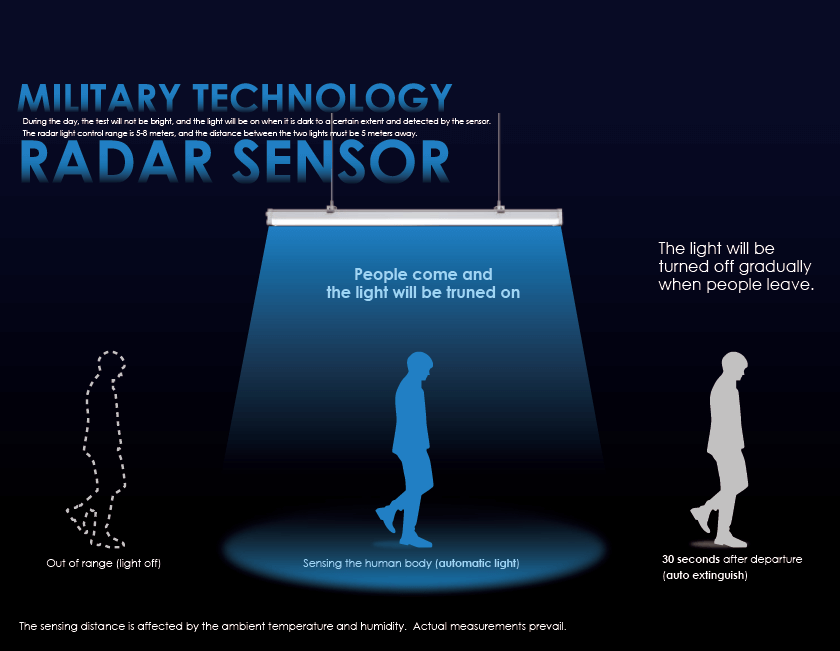
When a sensor detects movement, the motion sensor light activates instantly. You do not need to touch a switch or control panel. For example, if you walk into a storage area, the PIR sensor picks up your body heat and turns on the lights. If a forklift passes through a monitored zone, a microwave sensor detects the movement and triggers illumination.
Here is a simple activation process:
The sensor monitors its environment for changes in heat, light, or sound.
When movement occurs, the sensor sends a signal to the light fixture.
The light turns on, providing immediate visibility.
You may encounter false activations n industrial settings. Common causes include:
Over-sensitivity, which can trigger a motion sensor light due to blowing leaves, passing animals, or wind.
Sunlight interference, especially during sunrise or sunset, when sensors may misinterpret light changes.
Incorrect sensor settings, where high sensitivity causes activation from minor movements or light shifts.
Dual motion detection technology technology helps reduce these issues. They require both PIR and microwave systems to confirm motion, making them ideal for environments with drafts or temperature changes. This ensures your motion sensor lights only activate when genuine movement occurs, improving reliability and safety in industrial applications.
Tip: Adjust sensor sensitivity and placement to minimize false activations and maximize efficiency in your workspace.
Features & Benefits
Convenience of Motion Sensors
You gain many practical advantages when you install a motion sensor light in an industrial setting. These lights offer hands-free operation, which means you do not need to search for switches in dark warehouses or busy loading docks. Here are some of the most popular convenience features:
Automatic activation when you enter a room or workspace, so you never fumble for a switch.
Enhanced safety and independence for workers with mobility challenges.
Reduced physical effort for staff, which is especially helpful in large facilities.
Seamless integration into different areas, ensuring well-lit spaces for comfort and accessibility.
Tip: Motion sensor lights help keep your workflow smooth, especially when your hands are full or you operate heavy equipment.
Energy Savings
A motion sensor light helps you save energy and lower costs in commercial and industrial environments. These lights only turn on when someone is present, which means you avoid wasting electricity in empty areas. Key benefits include:
Up to 80% less energy use compared to traditional lighting, which can make a big difference in large warehouses or factories.
Lower utility bills, allowing your business to spend more on important projects.
Improved energy efficiency by lighting only occupied zones, which is crucial for big spaces.
Reduced maintenance costs, since lights last longer and need fewer replacements.
Security
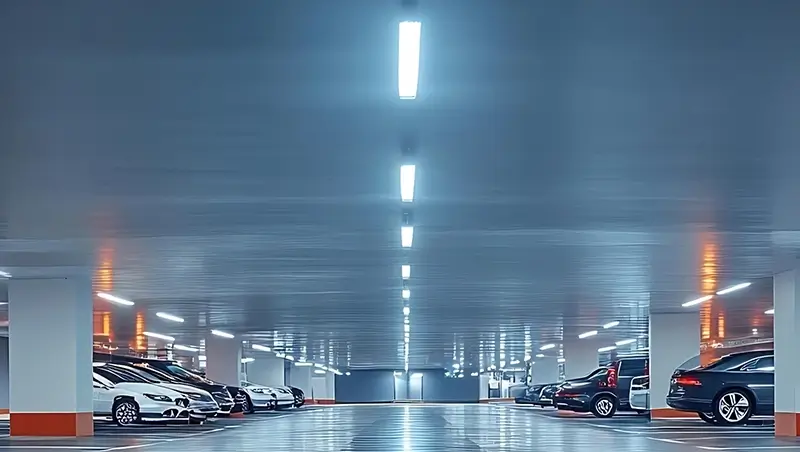
You improve security when you use motion sensor lights in industrial yards, parking lots, or storage areas. Studies show a 70% drop in attempted break-ins when you combine motion sensors with cameras. Neighborhoods with outdoor security lighting see a 20% decrease in crime rates. About 60% of convicted burglars say they avoid properties with security lighting. In parking lots and public spaces, motion-activated lighting increases safety by making it harder for criminals to hide. You create a safer environment for your staff and protect valuable equipment.
Motion Sensor Light Applications
Home Use
You can use motion sensor lights in many areas around your home. These lights help you stay safe, save energy, and add style. The table below shows some of the most common ways people use them:
Application Type | Description |
|---|---|
Outdoor Landscaping | Lights up dark areas in your yard or porch, making your home look better and feel safer. |
Security | Turns on when someone approaches, which can scare off trespassers or burglars. |
Pool Lighting | Makes swimming pools safer and more attractive at night. |
Indoor Staircases | Helps you see the stairs clearly, reducing the risk of falls. |
Long Hallways | Saves energy by lighting up only when someone walks through. |
Interior Design Embellishments | Adds a special touch by lighting up spaces like under beds or inside drawers. |
Tip: You can place these lights in entryways, garages, or even closets for extra convenience.
Commercial Spaces
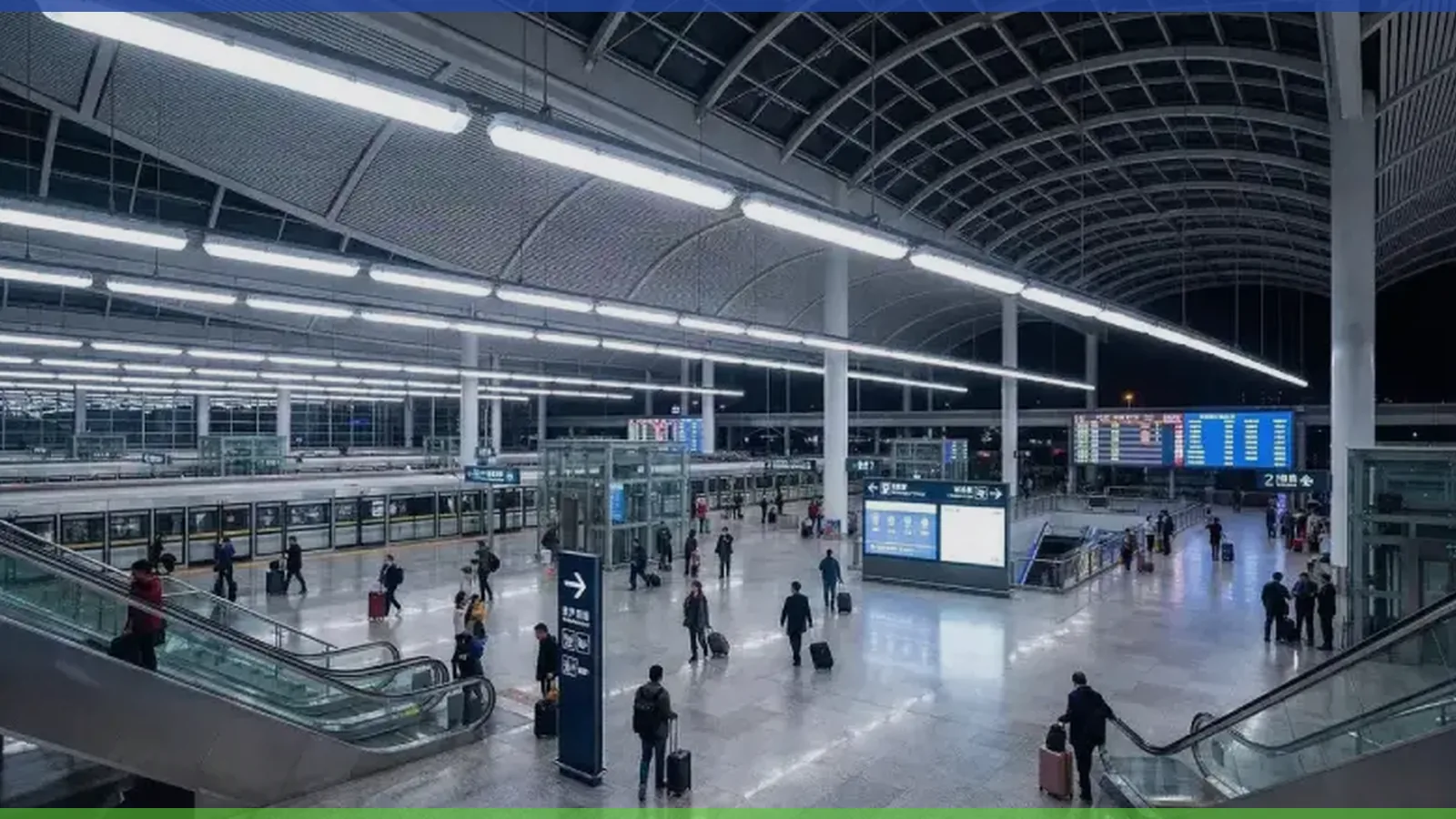
You will find motion sensor lights in many commercial and industrial settings. These lights help you improve safety, save energy, and keep large spaces well-lit. In factories and warehouses, you can use them to light up aisles, storage areas, and loading docks only when workers are present. This reduces electricity use and lowers costs.
Energy savings can reach up to 95% compared to traditional lighting.
LED motion sensor lights last up to 50,000 hours, so you do not need to replace them often.
High brightness ensures workers see clearly, which helps prevent accidents.
LEDs do not contain toxins, making your workspace safer for everyone.
Low maintenance means you spend less time and money on repairs.
In office buildings, you can install these lights in hallways, restrooms, and meeting rooms. The lights turn on only when someone enters, which keeps energy use low and ensures a comfortable environment.
Note: In industrial environments, you should use multiple lights with overlapping coverage to avoid dark spots and improve safety.
Install a Motion Sensor Lumianires Tips
You can get the best results from your motion sensor lights by following a few simple installation tips:
Place lights in high-traffic or vulnerable areas, such as entrances, stairwells, or storage zones.
Install lights 6 to 10 feet above the ground and angle them downward for better detection.
Remove or trim any objects that might block the sensor’s view.
Adjust the sensitivity settings to avoid false triggers from small animals or moving branches.
Test the lights after installation by walking through the area to make sure they turn on at the right time.
Use several lights with overlapping zones in large spaces to cover every area.
Incorrect placement or power supply issues can cause the lights to miss movement or not work at all. Mounting and wiring considerations also impact the using effects. Regular maintenance helps you catch these problems early and keeps your lighting system working well.
Tip: Choosing the right placement and always check for obstructions and test the detection range after you install your lights to ensure reliable performance.
You can see how motion sensor lights detect movement and provide instant illumination in industrial spaces. These systems offer energy savings, security, and convenience. The table below highlights the main points:
Key Point | Description |
|---|---|
Definition | Motion sensor lights turn on automatically when they detect human movement. |
Function | They improve safety and deter intruders in large work areas. |
Advantages | Energy efficiency, enhanced security, and hands-free operation. |
Consider your facility’s needs and explore options like LED models or advanced controls. You can improve safety, reduce costs, and support smarter energy use by choosing the right motion sensor lighting.
FAQ
How do you choose the right motion sensor light for your factory?
You should consider the size of your workspace, the type of activity, and the environment. PIR sensors work well in open areas. Dual technology sensors reduce false alarms in busy zones.
Can motion sensor lights handle dust and moisture in industrial settings?
Most industrial motion sensor lights have weatherproof and dust-resistant designs. You should check the IP rating before installation to ensure durability in harsh environments.
What maintenance do motion sensor lighting fixture need in warehouses?
You should clean the sensors regularly and check for obstructions. Test the activation range monthly. Replace faulty units quickly to keep your workspace safe and efficient.
Do motion sensor lights save money in large facilities?
Yes. You reduce energy costs because lights turn on only when needed. Many factories report up to 80% savings compared to traditional lighting systems.