If you want your garage to be safer, a motion activated light with a microwave sensor turns on right away when someone comes in. This bright light can scare away most burglars. It helps stop intruders from coming inside. Studies show that motion detector lights can lower break-in attempts by up to 70% when used with cameras. You also get good detection even in bad weather or darkness. Microwave sensors work through things and when it is hard to see.
Key Takeaways
A motion activated light with a microwave sensor can stop up to 70% of break-ins. This helps keep your garage much safer.
Microwave sensors can sense movement through walls and things in the way. This gives better coverage in big or messy spaces.
You can change how sensitive the sensor is. You can do this with DIP switches or a remote. This lets you set up security the way you want.
These lights work well in any weather. They still work in fog, rain, or darkness.
Putting motion sensor lights near doors can scare off burglars. This makes your garage more secure.
Motion Activated Light for Garage Security
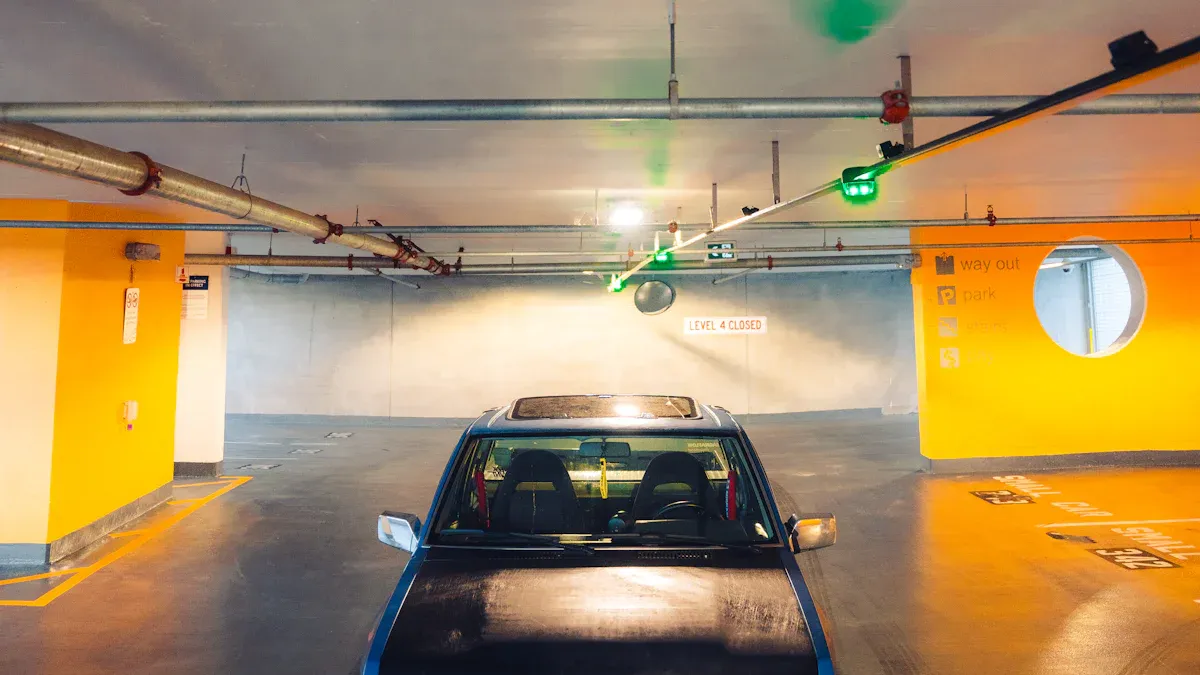
How Microwave Motion Detector Works
Putting a motion activated light in your garage makes it safer. The light turns on by itself when it senses movement. You do not need to touch a switch. You also do not have to remember to turn it off. This happens because there is a sensor inside the light.
There are a few kinds of sensors that notice movement. Here is a simple table that shows how each one works:
Sensor Type | Mechanism Description |
|---|---|
Passive Infrared | Senses heat changes from warm bodies. It works well in closed places like garages. |
Microwave | Sends out microwave pulses and checks for changes. It can spot movement even through things in the way. |
Dual Technology | Uses both PIR and microwave sensors together. This helps stop false alarms and makes it more reliable. |
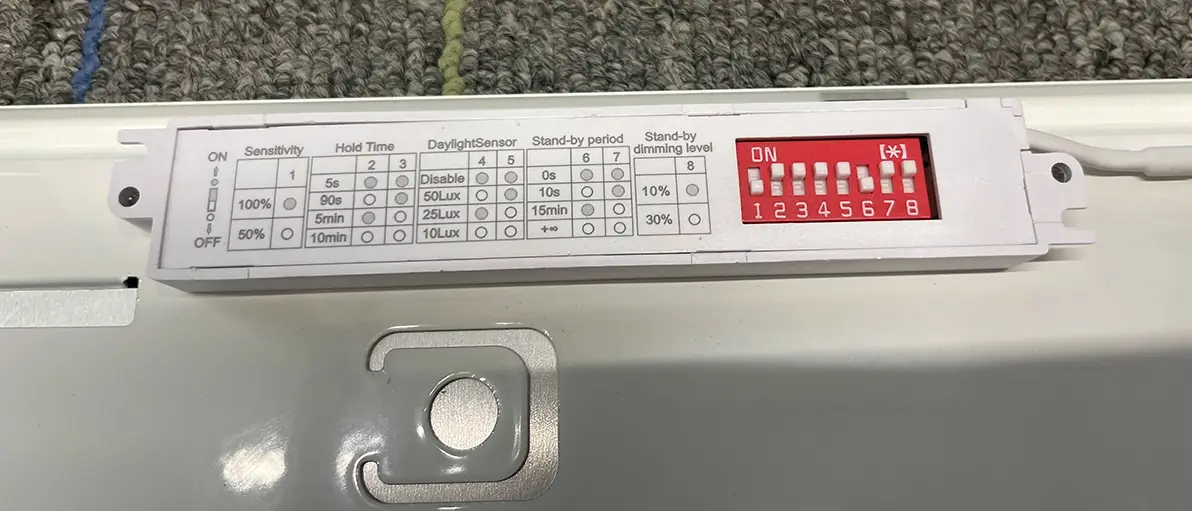
A microwave motion sensor sends out waves. If something moves, the waves bounce back differently. The sensor can tell when this happens. This lets the light notice movement even if something is blocking its view, like boxes or a thin wall. Some lights let you change settings with DIP switches or a remote. You can pick how sensitive the sensor is or how long the light stays on. Some lights have DC input for more power choices, tri-level dimming to save energy, and a lux sensor to keep the light off during the day.
Security Benefits
A motion activated light does more than help you see at night. It makes your garage much safer. When the light turns on fast, it can scare people who try to sneak in. Most burglars do not want to be seen. A bright light can make them leave.
Bright lights help keep you safe by stopping accidents. They also make it hard for criminals to hide in the dark.
If you put lights near doors and windows, you take away places to hide. Motion-sensor light works best when they surprise people. When someone steps into the area, the light comes on right away. This quick action can stop a break-in before it happens.
Microwave motion sensors give extra protection. They can sense movement through walls and other things. This means they cover more space than regular sensors. You get good detection even if someone tries to hide.
Microwave motion sensors can spot movement through barriers. This helps keep your garage safer.
They work well in big spaces and cover a lot of area.
With a motion-activated lighting, your garage is not just brighter. It is also safer, smarter, and more enhance security.
Microwave Motion Sensor Technology

Detection Mechanism
You may wonder how microwave sensors know someone is in your garage. It sends out electromagnetic waves, like invisible radio signals. These waves bounce off things and come back to the sensor. If nothing moves, the waves return at the same time each cycle. When you or something else moves, the timing of the waves changes. The sensor notices this change and turns on your motion activated light.
Here’s a simple table that shows how motion detectors work in your garage:
Feature | Description |
|---|---|
Operation | Emits electromagnetic waves in the radio frequency spectrum and measures changes in frequency. |
Detection Method | Uses Doppler frequency shift to spot movement based on reflected waves from moving objects. |
Types | Monostatic (one unit for sending and receiving) and bistatic (separate units). |
Common Use | Monostatic systems are popular indoors, like in garages. |
Detection Zone Shape | Shaped by the antenna’s radiation pattern. |
Microwave motion sensors send signals all the time.
Signals come back at regular times if nothing moves.
When something moves, the timing changes.
The sensor sees this and turns on the light.
You get good motion detection even if something blocks the sensor’s view. Boxes, bikes, or thin walls will not stop the sensor from working.
Range and Sensitivity
Microwave motion sensors can cover a big area. Most garages have a detection range of about 50 feet. This is enough for a two-car garage or even bigger spaces. You do not need to worry about missing spots.
These sensors are very sensitive. They can notice small movements, like a pet walking or a curtain moving. Sometimes, this high sensitivity causes false alarms. If you have pets or lots of moving things, you might see the light turn on more often.
Tip: Many advanced outdoor motion sensor lights let you change their sensitivity. You can use DIP switches or a remote to set how easily the sensor reacts to movement. If you want more control, look for models with DC input for flexible power, tri-level dimming to save energy, and a lux sensor. The lux sensor keeps the light off during the day, so you do not waste electricity.
These features help you set up your car parking security. You can make the motion sensor light works for you and avoid unwanted triggers.
Performance in Low Visibility
5.8G Motion sensors work well when you cannot see clearly. Fog, darkness, or smoke will not stop them. Other sensors may care about temperature changes, but motion sensors do not. You get the same performance in summer or winter.
Microwave sensors work in hot or cold weather.
They can detect movement through walls and non-metal barriers.
You get good coverage in large or messy spaces.
If you compare microwave motion sensors to other types, you will see they stay accurate when the weather changes. PIR sensors may have trouble in extreme temperatures, but microwave motion sensors stay the same. You can trust them to protect your garage, even when it is hard to see.
Note: Because microwave sensors can “see” through things, they are great for garages with lots of stuff or odd shapes. You do not have to worry about blocked views or hidden corners.
Microwave sensors help you feel safe. Parking Lot is the best places to put motion sensor light, which makes you know your garage is protected, no matter what happens.
Placement Tips

Getting the best places to put motion sensor light makes a big difference for your garage security. You want your microwave sensor lighting to cover as much area as possible. Most sensors reach motion detectors between 20 and 60 feet, and some can even go up to 100 feet. Before you install, look at your garage layout. Think about where people might enter or hide. Place the sensor so it faces doors and windows. This helps you catch movement right away.
Try to aim the sensor at the main entry points.
Keep the angle between 90 and 180 degrees to avoid blind spots.
If your parking lot has more than one entrance, you might need more than one sensor.
Adjust the sensitivity with DIP switches or a remote. This lets you fine-tune how easily the sensor reacts.
Tip: Some sensors let you set how long the light stays on, use tri-level dimming to save energy, or connect to DC input for flexible power. A built-in lux sensor keeps the light off during the day.
Reliability Factors
You want your motion sensor to work every time. Good installation helps, but other things matter too. The quality of the sensor and how often you use it can affect how long it lasts. Regular maintenance, like cleaning the sensor and checking the wiring, keeps it working well. Modern sensors handle tough conditions. Some models work from -40°F to 158°F and can handle up to 95% humidity. That means your sensor will keep working in hot summers, cold winters, or damp garages.
Sensors today resist false alarms from wind or small animals.
New technology helps lower the chance of nuisance triggers.
High-quality sensors send alerts quickly, sometimes in just a few seconds.
Common Concerns
You might worry about false alarms or missed motion detection. Placement plays a big role here. If you put the sensor near moving branches or vents, you might get more false alarms. Adjusting the sensitivity helps. Some people worry about electronics interfering with the sensor. Most modern sensors handle this well, but it’s smart to keep them away from strong Wi-Fi routers or microwaves.
Note: If you ever notice the light turning on too often, try lowering the sensitivity or moving the sensor. Regular checks and small adjustments keep your garage safe and your sensor reliable.
A motion activated light with a microwave motion sensors make your garage safer and smarter. You get instant, bright light when you need it. This scares off intruders and helps you see better. You can adjust settings with a remote or DIP switch, use tri-level dimming, and save energy with a built-in lux sensor. Here’s why many people choose this upgrade:
Lights turn on only when needed, saving money and energy.
Automatic lighting gives you peace of mind and keeps your garage secure.
You can pick from different types and price ranges to fit your needs.
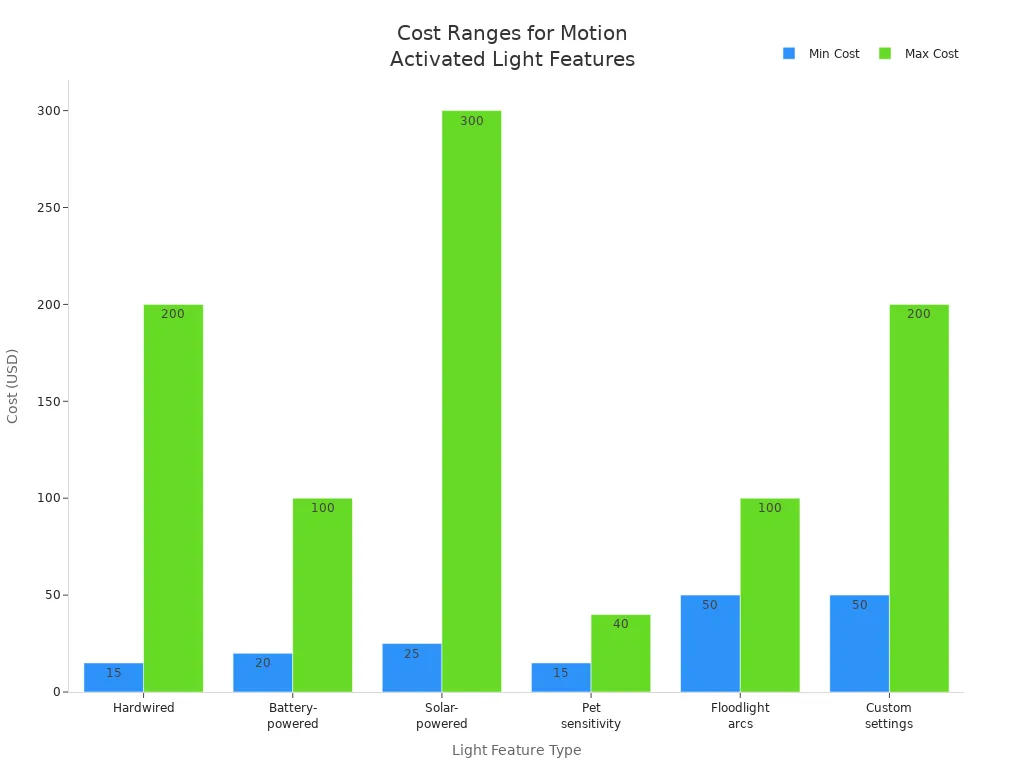
If you want a simple way to boost your garage security, this technology is a smart choice.
FAQ
How do DIP switch settings motion sensors help you customize your garage light?
You can use DIP switches to change how sensitive your sensor is or how long the light stays on. Just flip the switches to set your favorite options. It’s quick and simple!
Can you control the motion sensor light with a remote?
Yes, you can! A remote lets you adjust sensitivity, brightness, and timer settings from anywhere in your garage. You don’t need to climb a ladder or open the light fixture.
What does DC input mean for your motion sensor light?
DC input gives you more power choices. You can connect your light to different power sources, like batteries or solar panels. This helps you keep your garage light working during power outages.
Why is tri-level dimming useful in a moton sensors?
Tri-level dimming lets you pick how bright your light gets. You can choose low, medium, or high brightness. This saves energy and keeps your garage comfortable for any activity.
What does a built-in lux sensor do?
A lux sensor checks how much light is in your garage. If it’s already bright, your motion sensor light stays off. This saves electricity and keeps your garage from getting too bright.