Key Takeaways
-
Ventilation is a Silent Killer: Running fans 24/7 is often the biggest cost. Demand-controlled systems can slash this by 70-80%.
-
Lighting Upgrade is Essential: Switching to LED reduces energy use by up to 75% and eliminates frequent maintenance.
-
Audit Before Action: A professional energy audit transforms guesswork into a data-driven ROI plan.
-
Smart Controls Pay Off: Motion sensors and automation ensure you only pay for energy when it’s actually needed.
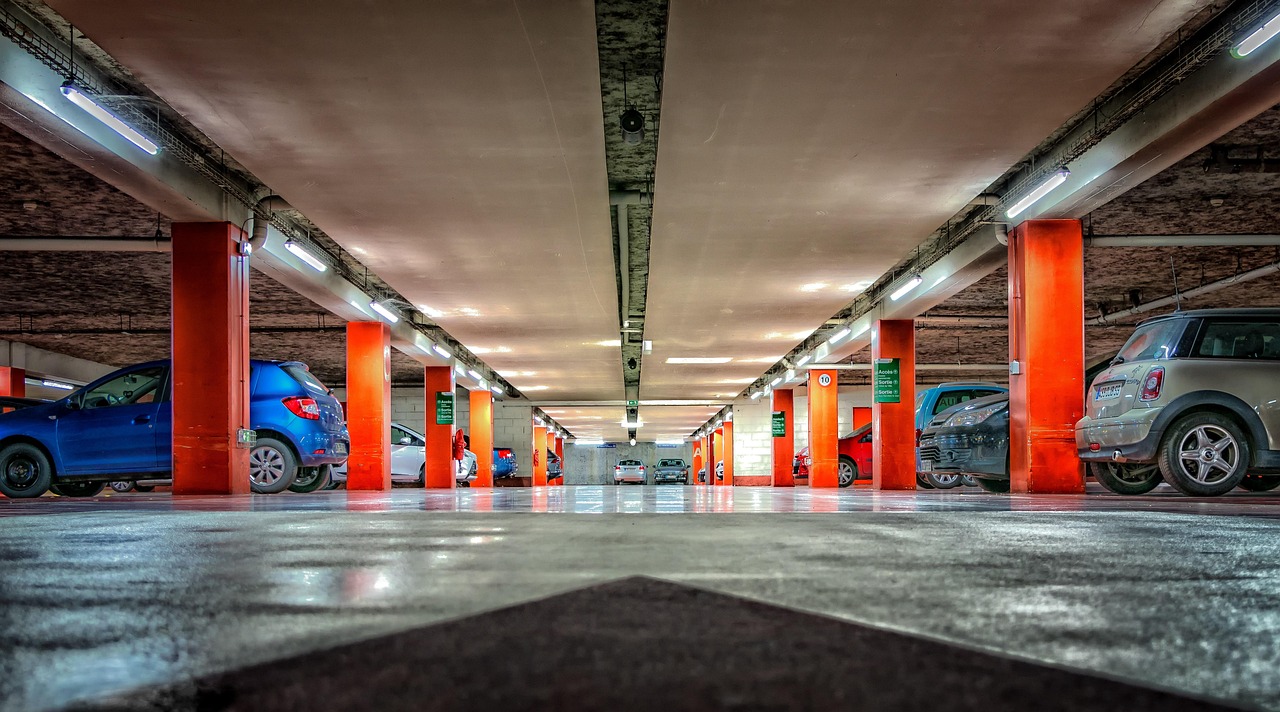
If you’ve noticed a steady climb in your operational costs, your parking garage is likely the culprit. These structures are notoriously inefficient, silently draining your budget through outdated systems. Here are the top reasons why—and how to fix them.
1. Inefficient Ventilation: The Biggest Hidden Cost
While lighting is visible, the single largest contributor to exorbitant energy bills is often the ventilation system running 24/7. Most garages are designed for peak occupancy, meaning fans run at full blast even when the garage is empty.
The Solution: Demand-Controlled Ventilation (DCV)
Modern DCV systems use CO and NO2 sensors to monitor air quality in real-time. Fans only activate when pollutant levels rise. This intelligent modulation can reduce fan runtime by 70-80%, leading to massive energy savings and extending equipment life.
2. Outdated Lighting Technology
Legacy Metal Halide or High-Pressure Sodium lights are energy hogs. They draw immense power, generate excess heat, and require frequent replacement.
|
Lighting Type |
Wattage (Old) |
Wattage (LED) |
Lifespan |
|---|---|---|---|
|
Metal Halide |
175W – 400W |
40W – 100W |
15,000 hrs |
|
LED Fixture |
N/A |
40W – 100W |
50,000+ hrs |
The Fix: A full LED lighting retrofit. LEDs use up to 75% less energy and provide better, safer illumination instantly.
3. “Empty Space” Lighting (Lack of Controls)
A manual, set-it-and-forget-it approach guarantees waste. Without automation, lights burn at full power in empty zones at 3 AM.
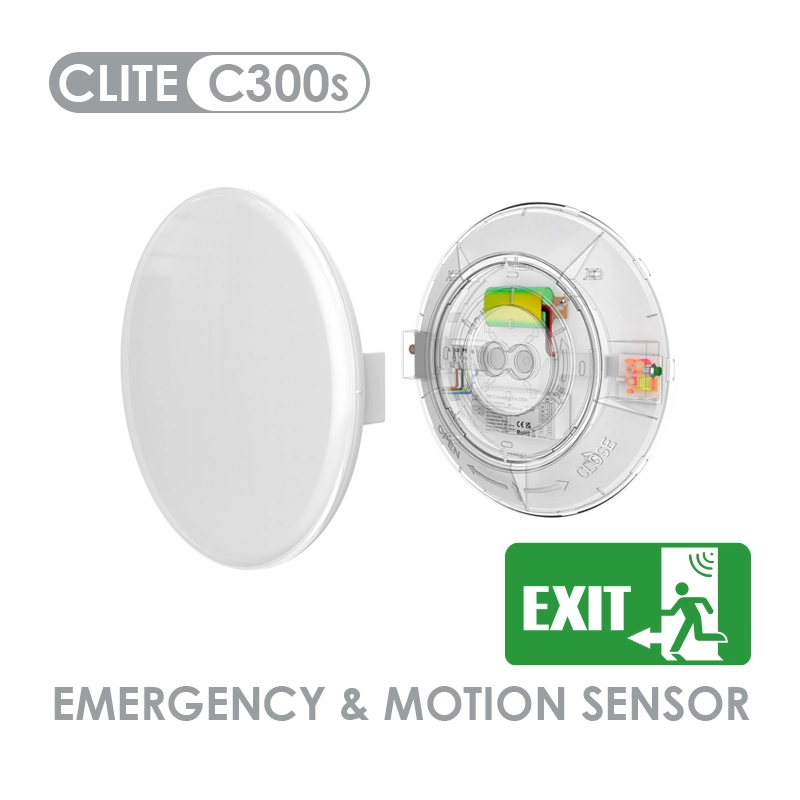
The Fix: Install motion sensor lights. These fixtures dim or turn off when no motion is detected, compounding your energy savings by an additional 20-30% without compromising safety.
4. Poor Maintenance & Vampire Loads
Dirty HVAC coils, leaky ducts, and failing ballasts force systems to work harder. Additionally, emergency systems often have inefficient charging circuits that draw power continuously.
The Fix: Implement a proactive maintenance schedule. Cleaning fixtures and servicing ventilation fans ensures they operate at peak efficiency.
How to Fix It: Conduct an Energy Audit
Don’t guess; measure. An energy audit is the foundational step to cutting costs.
Step 1: Analyze Utility Data
Look for anomalies in your last 12-24 months of bills. Spikes often indicate equipment failure or setting errors.
Step 2: Walk-Through Inspection
Physically inspect your facility. Are lights on in daylight? Are fans roaring in an empty garage? Identify the type and count of all fixtures.
Step 3: Calculate ROI & Upgrade
Work with a partner to design a retrofit plan. Calculate the ROI based on energy reduction and maintenance savings. Most LED and smart control upgrades pay for themselves in 2-3 years.
FAQ
How much can I save by switching to LED in a parking garage?
Typically, facilities see a 50-75% reduction in lighting energy costs. When combined with smart controls, savings can reach 90%.
What is Demand-Controlled Ventilation (DCV)?
DCV is a smart system that uses sensors to monitor air quality (CO/NO2). It only runs ventilation fans when pollutants are present, rather than 24/7.
Are motion sensors safe for parking garages?
Yes. Modern sensors are highly sensitive and can be set to dim lights (e.g., to 20%) rather than turn them off completely, maintaining a safe baseline of light.
How long do LED garage lights last?
High-quality commercial LED fixtures are rated for 50,000 to 100,000 hours, which translates to 10+ years of 24/7 operation with minimal maintenance.