Key Takeaways
-
Unstable Power is a Red Flag: Flickering or dimming lights signal electrical instability, posing immediate safety and productivity risks.
-
Rising Costs = Inefficiency: Climbing energy bills without increased production indicate your lighting system is a financial drain.
-
Maintenance Drain: Frequent repairs of ballasts and bulbs create hidden costs in labor, downtime, and inventory.
-
Safety Compliance: Poor lighting increases accident risks and may violate OSHA standards, creating legal liability.
-
Smart Future: Upgrading to LED offers rapid ROI through energy savings, eliminates maintenance, and enables smart, data-driven operations.
A reliable industrial lighting system protects workers and supports efficient operations. However, outdated systems often hide risks like safety hazards, rising costs, and lower productivity. Ignoring warning signs can lead to accidents and wasted resources. Upgrading to a modern LED lighting system can boost worker productivity by up to 15%, reduce errors, and improve overall safety.
Sign 1: Flickering or Dimming Lights
When lights flicker or dim without a clear cause, it’s not a minor annoyance; it’s a critical warning sign of electrical instability. This behavior indicates your system is failing to deliver consistent power.
-
Safety Hazards: Strobing effects can cause disorientation and headaches, increasing accident risks near moving machinery.
-
Root Causes: Often points to aging ballasts, loose wiring, or incompatible drivers that are failing under load.
Sign 2: Rising Energy Bills
If your operational output hasn’t changed but your energy bills keep climbing, your lighting is likely the culprit. Outdated HID or fluorescent fixtures waste significant energy as heat.
The Solution: An LED retrofit can reduce lighting energy consumption by 50-75%. This direct reduction in kilowatt-hours (kWh) offers a rapid return on investment (ROI), often paying for itself in under two years.
Sign 3: Frequent Maintenance & Repair Cycles
Are your maintenance teams constantly replacing bulbs or ballasts? This “reactive maintenance” is a massive hidden cost.
|
Cost Factor |
Impact of Old Technology |
|---|---|
|
Labor |
High recurring costs for changing bulbs at height. |
|
Downtime |
Production stops to allow lift access for repairs. |
|
Inventory |
Capital tied up in stocking various spare parts (SKUs). |
Modern industrial LED fixtures are “set and forget,” rated for 50,000+ hours, virtually eliminating this burden.
Sign 4: Inadequate Lighting Levels (Safety Risk)
Dim corners and shadows aren’t just gloomy; they are dangerous. Human beings detect danger through sight. Poor lighting hides hazards, flattens depth perception, and increases reaction time.
OSHA Compliance: Failure to meet minimum foot-candle requirements isn’t just unsafe—it’s a legal liability. Upgrading ensures bright, uniform illumination that meets safety codes and reduces slip-and-fall incidents.
Sign 5: Lack of Smart Controls
If your lights are simply “on” or “off,” you are missing out on massive efficiency gains. Legacy systems cannot adapt to their environment.
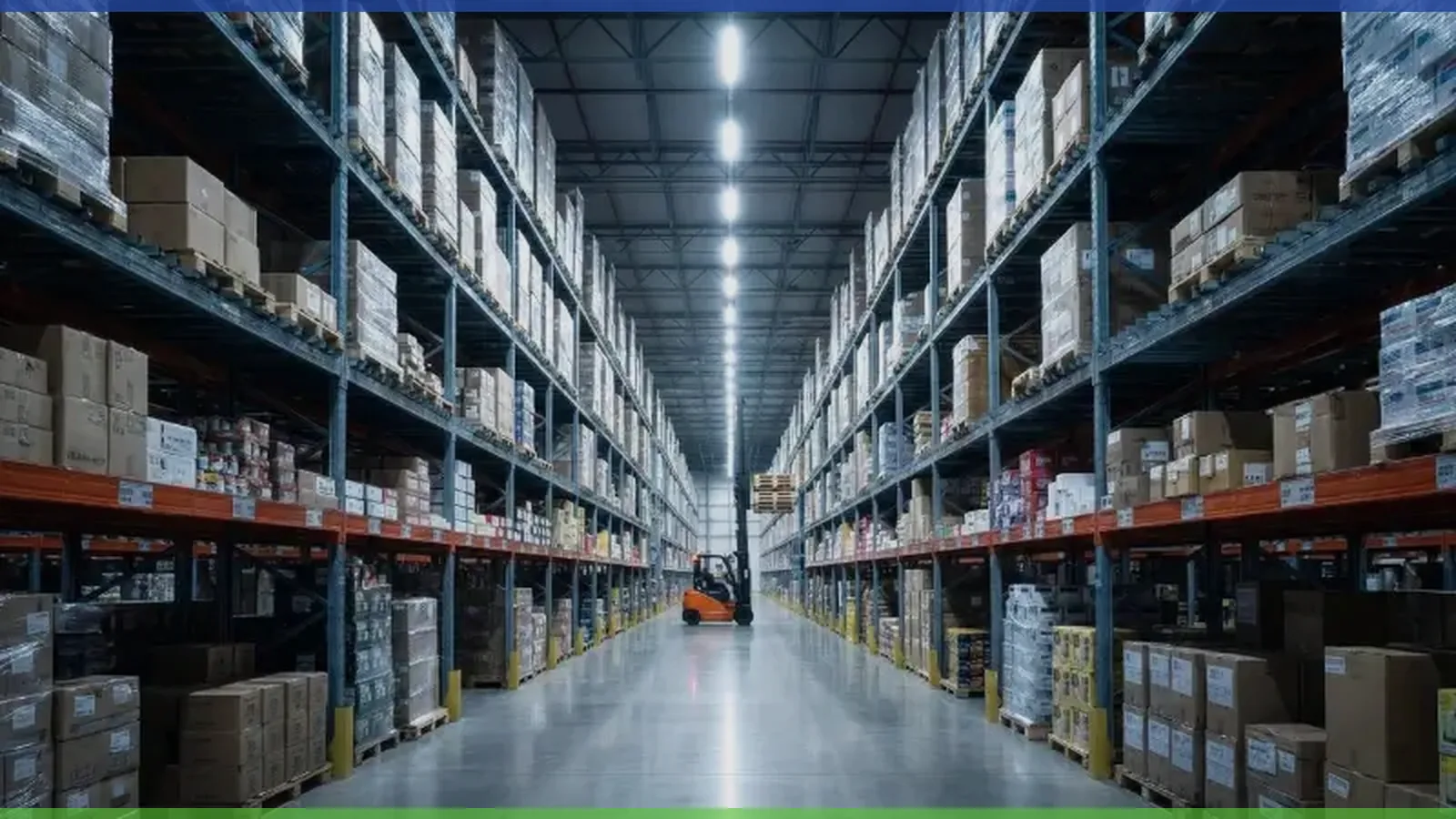
The Smart Advantage: Modern LED systems integrate with motion sensors and daylight harvesting. They automatically dim when enough natural light is present or turn off in empty warehouse aisles, compounding your energy savings by an additional 20-30%.
Next Steps: Planning Your Upgrade
Don’t wait for a total failure. Follow this plan:
-
Audit: Conduct a professional lighting audit to measure current lux levels and energy usage.
-
Design: Work with experts to design a layout that optimizes uniformity and reduces fixture count.
-
Calculate ROI: Factor in energy savings, maintenance reduction, and utility rebates to see your payback period.
-
Implement: Schedule installation during off-peak hours to minimize operational disruption.
FAQ
How much can I save with an LED upgrade?
Most facilities see energy bill reductions of 50-75%. When factoring in reduced maintenance labor and HVAC load (LEDs run cooler), the total savings are even higher.
Does LED lighting improve worker productivity?
Yes. Studies show that bright, high-quality light (high CRI) reduces eye strain and fatigue, leading to fewer errors and a potential productivity boost of up to 15%.
What is the typical lifespan of industrial LED lights?
High-quality industrial LEDs are rated for 50,000 to 100,000 hours of operation. This translates to 10+ years of reliable service in most applications.
Are there rebates available for upgrading?
Yes, many utility companies and governments offer significant rebates for switching to energy-efficient lighting, which can cover a substantial portion of the upfront cost.