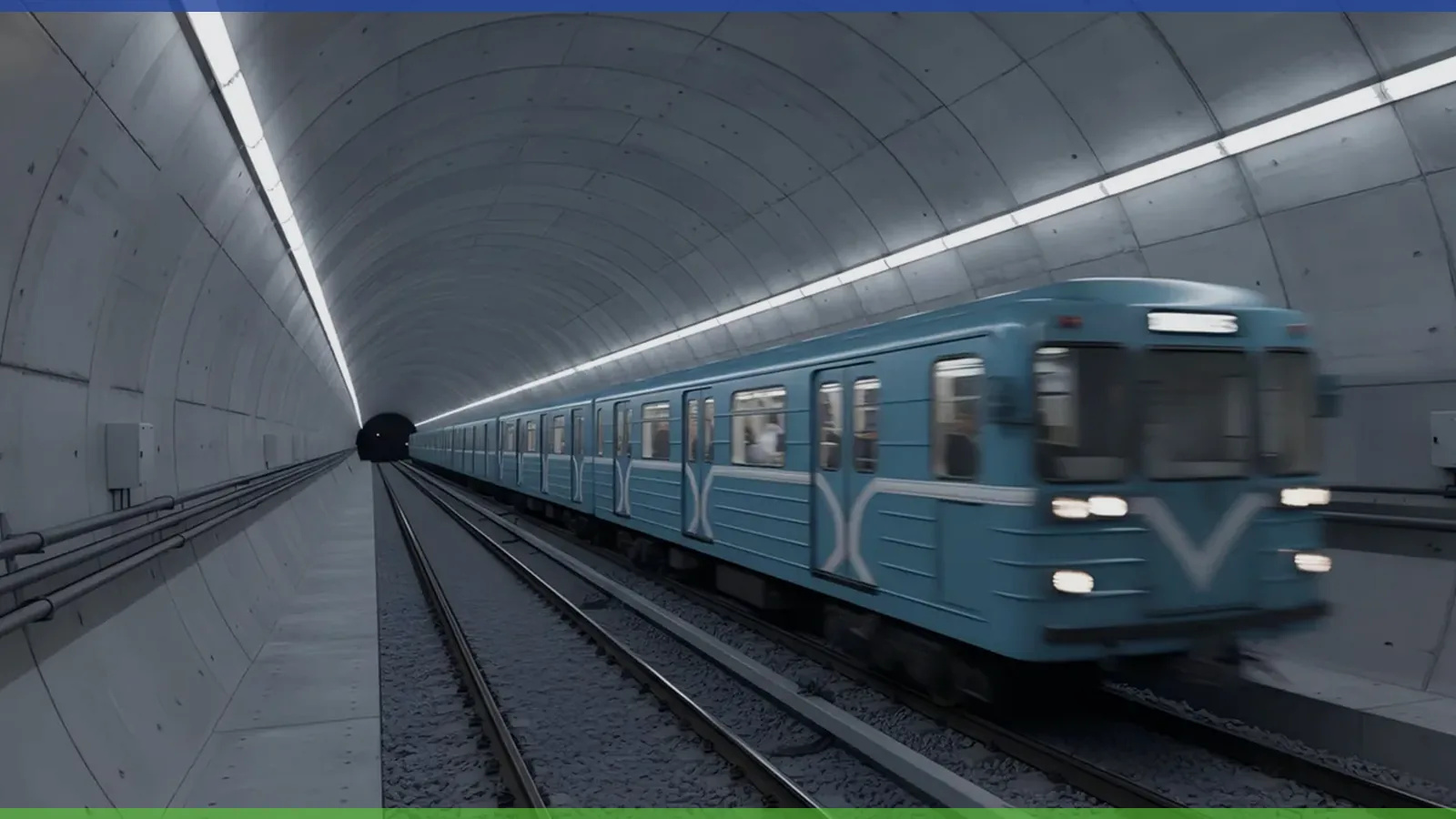
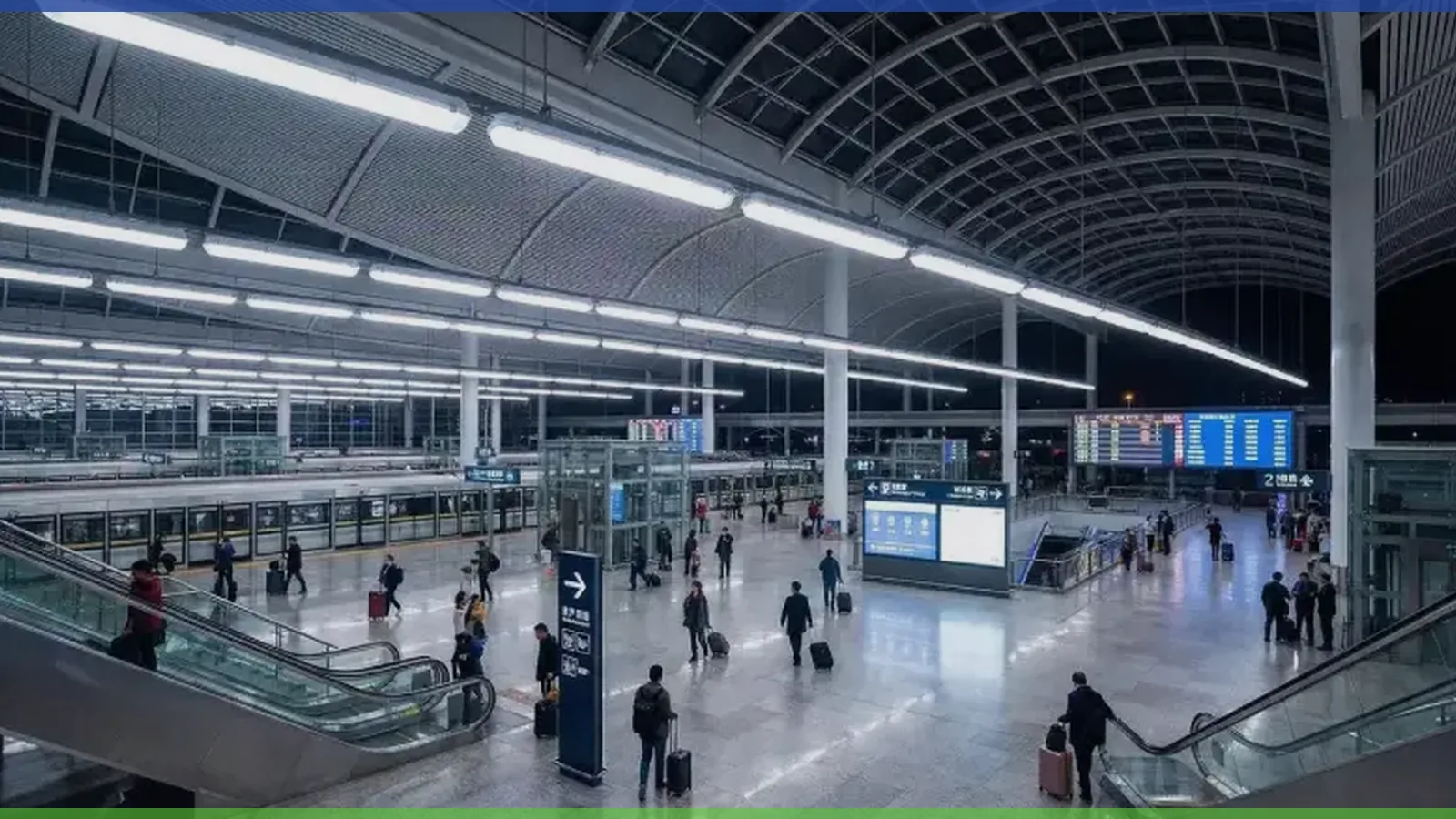
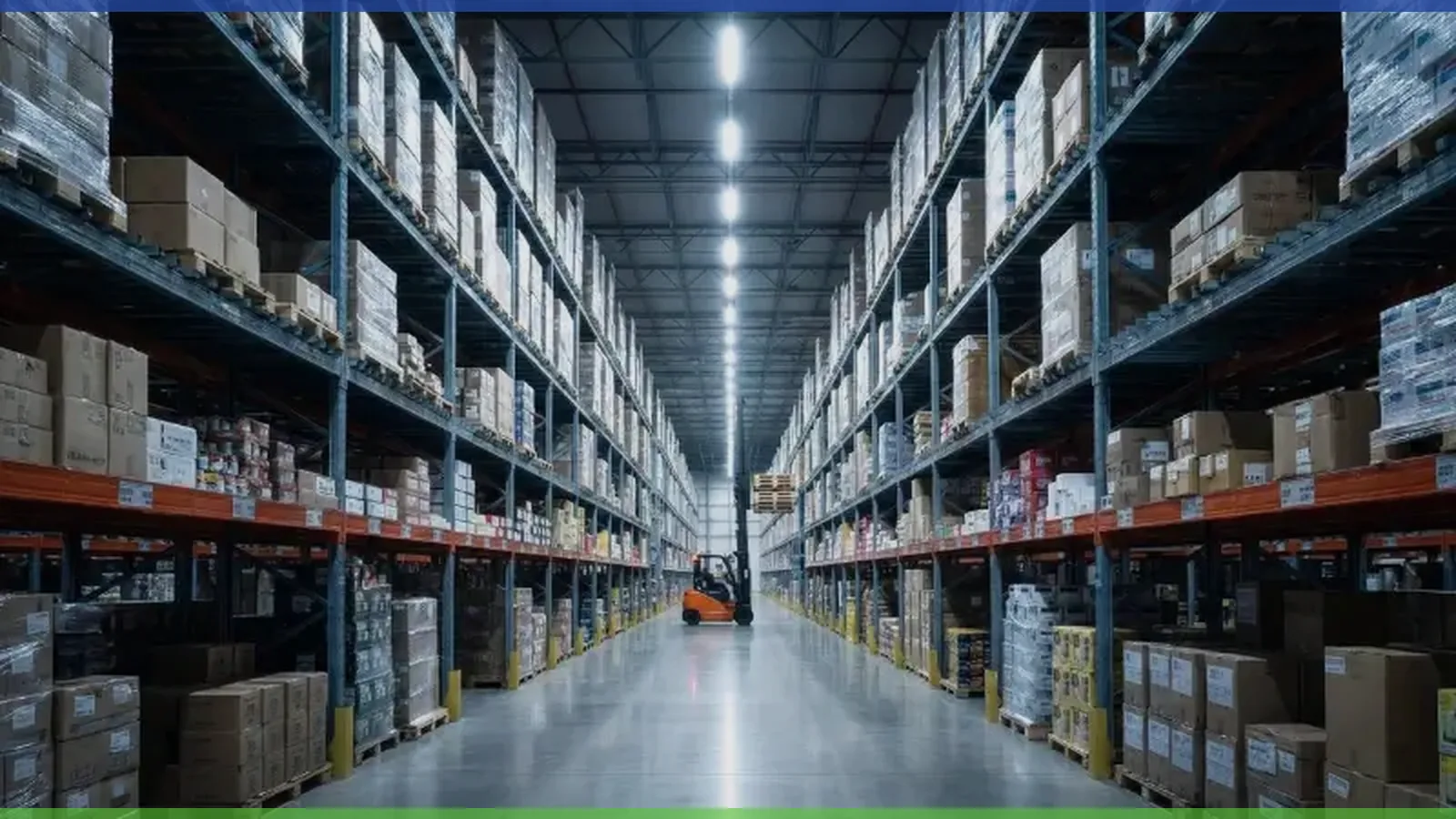
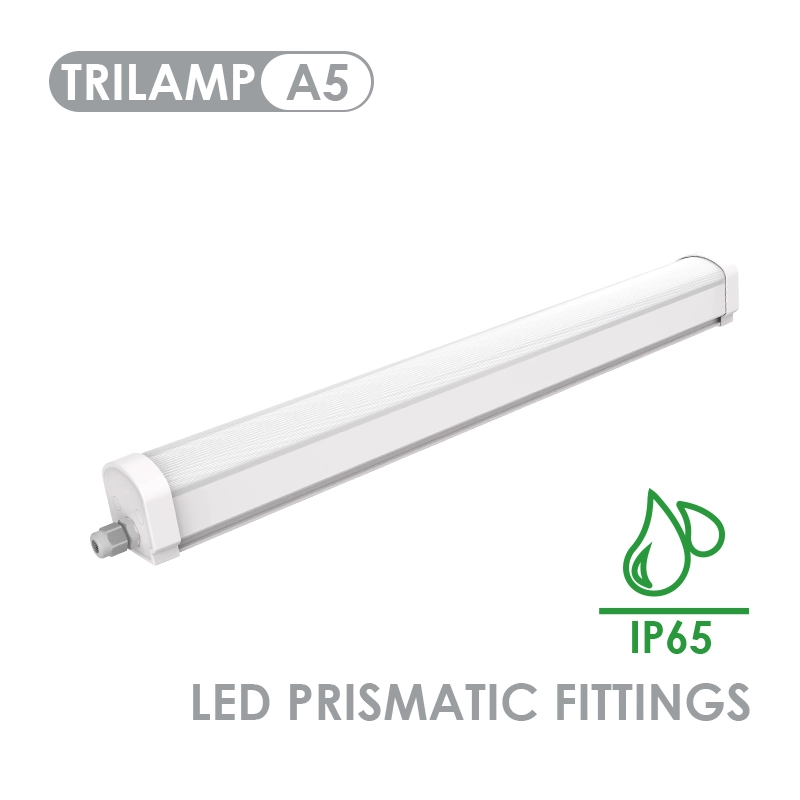
In a 200-meter warehouse aisle, a tunnel, or a multi-story car park, the cost of getting light to every fixture is not just a material problem—it is a labor problem. Every additional electrical connection point in a long lighting run represents installation time, a conduit run, and a potential future failure location. Linkable weatherproof vapor tight fixtures solve this directly: through-wiring or push-in connector systems allow multiple fixtures to be powered from a single electrical feed, dramatically reducing the wiring labor that constitutes 30–50% of the total installation cost on large linear lighting projects. For procurement managers, electrical contractors, and lighting distributors specifying for warehouses, parking structures, tunnels, and cold storage facilities, the linkable specification has become as important as the IP rating or efficacy figure. This review evaluates the leading linkable weatherproof light manufacturers in 2026 and the technical details that separate high-performance daisy-chain systems from those that limit flexibility or compromise IP integrity at the connection point.
Key Takeaways
- Linkable design reduces installation labor costs by 30–66% on long linear lighting runs compared to individual wiring of each fixture.
- Through-wiring (hardwired daisy-chain) vs. push-in connector systems serve different project profiles—through-wiring suits permanent industrial installations; push-in connectors accelerate retrofit timelines.
- Maximum chain length and load capacity are critical specification variables—exceeding manufacturer limits causes voltage drop and reduces lumen output at the end of the run.
- IP integrity at the connection point is the most common weak link in linked weatherproof installations—verify that linked connections maintain the rated IP level, not just the fixture body.
- Sensor and DALI integration in linked runs can deliver 40–60% additional energy savings on top of the 50–70% savings from switching to LED.
- Fanxstar’s Batman series and comparable systems from other specialist manufacturers support runs of up to 60 meters from a single feed, significantly reducing home-run wiring costs on large installations.
Why Linkable Design Is the Installation Standard for Long-Run Weatherproof Projects
The Labor Economics of Daisy-Chain vs. Individual Wiring
The financial case for linkable weatherproof fixtures is straightforward. Linkable LED fixtures minimize wiring complexity by connecting multiple fixtures through a single power source, reducing the number of electrical connections and the conduit runs required between them. In a 100-meter tunnel with 4-foot vapor tight fixtures at 1.5-meter spacing, standard individual wiring requires over 60 separate power connections; a through-wired daisy-chain system with a maximum run of 60 meters requires only two or three home-run connections to serve the same space. Industry data from large-warehouse LED retrofit projects indicates that the rapid-link connector approach can reduce manual wiring labor by up to 66% compared to standard conduit wiring per fixture—a saving that materially affects project economics for any installation above 20 fixtures. For electrical contractors pricing large installation bids, this labor advantage is also a competitive differentiation tool: lower installed cost, faster completion, and better margin retention.
Linkable vapor tight fixtures are widely deployed in warehouse aisles and logistics environments. Application-specific guidance for these environments is available on the Fanxstar warehouse and logistics lighting application page.
Through-Wiring vs. Push-In Connector Linkable Systems
Two primary linkable architectures exist in the weatherproof vapor tight market, each with distinct advantages for different project profiles. Through-wiring—the original and still most common approach—involves routing line voltage wiring through the fixture housing via cable glands or conduit knockouts at each fixture end, with larger terminal blocks (typically 5.0 mm hole size) enabling straightforward wire-through connections. This system is robust, maintains full IP integrity through a sealed conduit system, and supports heavier conductor cross-sections for longer runs. It is the standard for permanent industrial installations in harsh environments.
Push-in connector systems—sometimes called “plug-and-play linkable”—provide faster installation by eliminating the need to strip and terminate individual conductors at each fixture. Plug-and-play connectors allow daisy-chaining using standard wiring leads, reducing installation time per fixture to minutes rather than the 10–20 minutes required for full conduit termination. The trade-off is that the connector itself must maintain IP-rated sealing when connected, and the maximum chain length is typically lower than through-wired systems due to conductor cross-section limitations in the connector assembly. Push-in systems are particularly well-suited for retrofit projects where speed is critical and the environment is not at the harsh extreme of the IP scale.
Technical Specifications That Define Industrial-Grade Linkable Systems
Maximum Chain Length and Load Capacity
Every linkable weatherproof system has a maximum total wattage that can be connected in series from a single supply feed—exceeding this limit causes voltage drop along the run, resulting in reduced lumen output and potential driver instability at the far end of the chain. Consumer-grade daisy-chain systems typically support up to 700W per run, which equates to approximately 11–17 fixtures depending on wattage. For long industrial aisles, this requires a power feed every 8–12 fixtures—a significant improvement over individual wiring, but still limiting for 100+ meter tunnel or warehouse applications.
Industrial-grade linkable systems using through-wiring with heavier internal conductors can support substantially longer runs. Premium linkable tri-proof systems support up to 33 fixtures (1.5-meter format) in a single chain, equating to approximately 49.5 meters of continuous lighting from a single feed. Fanxstar’s heavy-duty Batman series, designed for logistics centers and warehouse applications, supports runs of up to 60 meters—enabling very large single-feed zones that eliminate intermediate junction boxes and conduit sections. When specifying linkable systems, always confirm the maximum wattage per chain (not just fixture count), the internal conductor cross-section, and whether the stated maximum is based on 120V or 277V operation, as higher voltage input supports proportionally longer maximum runs.
IP Integrity at the Connection Point
The most common quality gap in linked vapor tight systems is inadequate IP protection at the connection point. The fixture body may be rated IP65 or IP66, but if the linked cable connector or the through-wiring gland does not maintain an equivalent seal, moisture ingress at the connection defeats the overall IP rating. For industrial installations subject to hosing, high humidity, or chemical splash, specify fixtures with IP-rated cable grommets or liquid-tight fittings at the linked entry points, and confirm that the manufacturer’s IP rating test covered the fixture in linked configuration, not just as an isolated unit. Through-wired systems with sealed conduit fittings are generally more reliable than push-in connector systems for sustained IP66 compliance in washdown-adjacent environments. IP66-rated linkable fixtures with UL certification providing documented IP integrity in linked configuration are the appropriate specification for car park, tunnel, and logistics center applications.
Sensor and DALI Integration in Linked Runs
Motion sensor and DALI dimming integration within a linked vapor tight system provides significant additional energy savings on top of the baseline LED efficiency improvement. A linked run with a single master microwave sensor and dimming controls can reduce lighting energy consumption by 40–60% in warehouse aisles, car parks, and tunnel applications where occupancy is intermittent. The key specification requirement is that the control input (0-10V, DALI, or wireless) propagates through the entire linked chain from a single control point, rather than requiring individual sensor or dimming module installation per fixture. Leading manufacturers offer two approaches: a master fixture with a sensor that controls all linked followers, or individual sensor/dimming modules that can be inserted anywhere in the chain without rewiring. The latter approach is more flexible for large, complex lighting zones but requires pre-coordination at the design stage to ensure compatibility between the control system and the fixture firmware.

Top Manufacturers of Linkable Weatherproof Vapor Tight Lights 2026
Fanxstar Technology — Through-Wired and Connector Linkable Systems
Fanxstar’s linkable weatherproof range encompasses both through-wired and quick-connector daisy-chain architectures, covering 2ft to 8ft fixture formats. The Batman series, developed specifically for large warehouse and logistics center applications, achieves 60-meter maximum run lengths from a single feed using high-purity copper bus-bars and optimized internal conductor sizing—a specification that materially reduces home-run wiring costs on large projects. IP65 and IP66 ratings are maintained through the linkable connection using IP-rated sealed entry points, with certification documentation available for specification submissions. Multi-function integration within a linked run includes 5.8GHz microwave motion sensing, DALI dimming, 0-10V, and LiFePO4 emergency battery backup modules. The Yistar Linkable TC65 series—available through Fanxstar’s distribution network—has been noted by specifiers for its strong optical performance in linked configurations. Review the full Fanxstar weatherproof product range for current linkable specifications, or consult the About Fanxstar page for company credentials and OEM/ODM customization options for private-label linkable systems.
Yistar Lighting
Yistar’s TC65 linkable weatherproof series has established strong market presence among European distributors for its push-in connector design that reduces installation time significantly in retrofit projects. The system supports up to 9 fixtures in a push-in series without additional wiring, making it well-suited for smaller runs in car parks, stairwells, and covered walkways where ceiling access is limited and installation speed matters more than maximum chain length.
TUBU
TUBU’s weatherproof batten range includes through-wired linkable configurations with 304 stainless steel end cap options for marine and corrosive environments. Their linked system documentation explicitly addresses IP rating maintenance in the linked configuration—a specification detail that is absent from many competitor data sheets. This transparency makes TUBU a reasonable shortlist candidate for project specifications that require documented IP compliance in linked form.
GRNLED
GRNLED offers linkable variants across their tri-proof and weatherproof batten product lines, with 4ft and 5ft formats covering the most common warehouse and car park specifications. Their OEM linkable program allows distributors to specify custom maximum chain lengths, CCT options, and sensor integration levels for project-specific product configurations.
US Market: DLC-Listed Linkable Vapor Tight Options
US-manufactured linkable vapor tight systems compliant with the 2026 National Electrical Code include EPCO’s LED Linear Vapor Tight Luminaires, which are DLC 5.0 listed for utility rebate qualification and deliver 50% energy savings versus fluorescent equivalents. For North American projects requiring Buy American Act compliance or DLC Premium specification, these options fill the specification requirement but at significantly higher unit cost than Chinese-manufactured alternatives. Energy savings of up to 80% are achievable with modern LED vapor tight systems, with 50,000+ hour lifespans that reduce maintenance callouts in difficult-access locations.
Application Matrix: Where Linkable Vapor Tight Delivers Maximum Value
| Application | Recommended System | Key Specification | Labor Saving |
|---|---|---|---|
| Long warehouse aisles (100m+) | Through-wired, 60m max run | Heavy conductor bus-bar, IP65/66 | High |
| Car park retrofits | Push-in connector, up to 9 units | Speed of installation priority | Very high |
| Tunnels and underground passages | Through-wired, IP66, IK10 | IP integrity at connection, vibration resistance | High |
| Cold storage aisles | Through-wired, -40°C rated | Driver cold-start + motion sensor | High |
| Food processing corridors | Through-wired, IP66/IP69K | IP69K at connection + NSF housing | Medium |
Specification Checklist for Linked Weatherproof Systems
- Maximum total wattage per chain — confirm at the operating voltage (120V, 277V, or 220V) relevant to your project.
- Maximum fixture count per chain — verify this is consistent with the wattage limit for the fixture wattage you are specifying.
- IP rating in linked configuration — request the test report confirming IP compliance when fixtures are connected in series, not just as isolated units.
- Internal conductor cross-section — heavier conductors (2.5mm² or larger) support longer runs; request specification confirmation for runs exceeding 20 meters.
- Connector or gland type at linked entry — confirm the sealing mechanism at the linked entry point and its compatibility with your conduit system.
- Control integration capability — verify whether sensor or DALI control propagates through the full chain from a single master point, and whether this requires a specific master/follower configuration.
- Replacement logistics for single fixtures in a chain — confirm that a failed fixture in mid-chain can be replaced without rewiring the entire run.
For project-specific linkable weatherproof lighting specifications and quotations covering large-run warehouse, car park, or tunnel installations, contact the Fanxstar technical team with your project layout, fixture spacing, and wattage requirements for a detailed chain configuration proposal. More technical content on linked tri-proof and linear lighting systems is available on the Fanxstar blog.
Frequently Asked Questions
How many vapor tight fixtures can I link together in a daisy-chain?
The number depends on the system architecture and supply voltage. Consumer-grade push-in connector systems typically support 9–12 fixtures or a maximum of 700W per chain. Industrial through-wired systems with heavier internal bus-bars support 30–33 fixtures per chain in 4ft format, covering up to 60 meters from a single feed. At 277V input, the same wiring cross-section supports proportionally more fixtures than at 120V due to lower current for the same power. Always confirm the maximum chain specification with the manufacturer rather than relying on fixture count alone—wattage is the controlling variable, not fixture count.
Do linked vapor tight fixtures maintain their IP rating at the connection points?
This varies by manufacturer and system design. The fixture body’s IP rating is tested in isolation; the linked connection point may use a cable gland, a sealed connector, or simply an open conduit knockout that relies on the conduit system for sealing. For installations requiring sustained IP65 or IP66 compliance throughout the linked run, specify fixtures with IP-rated cable glands or sealed connector fittings at the linked entry points, and request documentation confirming IP testing in the linked configuration. Through-wired systems using sealed liquid-tight conduit fittings generally provide more reliable IP compliance over the life of the installation than push-in connectors.
Can I add a motion sensor to an existing linked weatherproof run without rewiring?
In most modular linked systems, yes—but the capability needs to be designed in at specification stage. Fixtures with built-in sensor ports or modular sensor attachment points allow a sensor to be retrofitted without dismantling the fixture body. In systems without this feature, retrofitting sensor control to a linked run typically requires replacing at least the master fixture. When specifying linked systems for applications where sensor addition may be needed in the future—car parks, warehouse aisles, cold storage—specify the sensor-ready or modular variant from the outset to preserve this flexibility.
What is the voltage drop risk in long daisy-chain runs, and how is it managed?
Voltage drop in linked runs causes reduced lumen output at fixtures furthest from the supply feed, creating uneven illumination in long aisles or tunnels. The risk increases with chain length, fixture wattage, and lower supply voltage. It is managed through three design variables: higher supply voltage (277V or 220V rather than 120V), heavier internal conductor cross-section (2.5mm² or larger for runs exceeding 20 meters), and limiting the total wattage per chain to the manufacturer’s stated maximum. For critical applications where uniform illuminance must be maintained across the full run—tunnel lighting, food QC areas—specify systems with copper bus-bar internal conductors and confirm the voltage drop profile across the maximum chain length with the manufacturer before finalizing the design.