Key Takeaways
-
Regulatory Excellence: Self-testing fixtures automate compliance with EN62034 and AS/NZS 2293.3, ensuring buildings remain audit-ready at all times.
-
Maintenance Automation: Built-in diagnostic routines eliminate the need for manual testing, reducing operational labor costs by up to 70%.
-
Advanced Lifespan: LiFePO4 battery technology provides superior thermal stability and a service life of up to 10 years (3,000+ cycles).
-
Instant Intelligence: Bi-color LED status indicators provide immediate visual feedback on battery health, charging status, and lamp integrity.
-
IoT Integration: Professional models support DALI 2.0 protocols, allowing for centralized digital reporting and remote system management.
Building safety regulations have become increasingly stringent, demanding absolute reliability from emergency egress systems. For building operators, maintaining compliance no longer requires a manual, unit-by-unit inspection. The advent of self-testing emergency LED battens has transformed facility management. By integrating intelligent diagnostic microprocessors, Fanxstar’s Trilamp, Batman, and Clite series offer automated testing cycles that guarantee every luminaire functions perfectly during critical power failures, protecting both occupants and the facility’s legal integrity.
The Strategic Advantage of Self-Testing Technology
Compliance without Complexity
Standardized safety codes like EN62034 and AS/NZS 2293.3 mandate specific testing intervals: a brief functional check every month and a full discharge test annually. Manual execution of these tests in a large-scale facility is not only labor-intensive but prone to human error. Self-testing battens execute these protocols automatically, utilizing internal timers and sensors to verify battery capacity and LED board performance without human intervention.
|
Feature |
Manual Testing Method |
Self-Testing (Fanxstar) Advantage |
|---|---|---|
|
Execution |
Staff must physically trigger each unit. |
Microprocessor triggers tests automatically. |
|
Record Keeping |
Paper logs susceptible to loss or error. |
Digital logs and real-time LED status indicators. |
|
Reliability |
Units may be missed during large audits. |
100% coverage with proactive fault alerts. |
|
Maintenance Cost |
High labor costs for inspection. |
Up to 80% reduction in long-term labor. |
LiFePO4 Battery Technology: The New Benchmark
Modern emergency units have transitioned to Lithium Iron Phosphate (LiFePO4) batteries. Compared to legacy Ni-Cd batteries, LiFePO4 offers better energy density, superior thermal stability, and is environmentally eco-friendly. When paired with a Battery Management System (BMS) and NTC temperature sensors, these batteries can operate safely for over a decade, providing a much higher Return on Investment (ROI) than traditional emergency lighting units.
Top Self-Testing Solutions by Fanxstar
1. Trilamp A18 Series: The Intelligent 3-in-1
The Trilamp A18 is a comprehensive luminaire that integrates the LED driver, emergency converter, and motion sensor into a single housing. This “One-Fits-All” design minimizes installation footprint and wiring complexity. With DALI 2.0 compatibility, the A18 is the primary choice for smart buildings that require centralized monitoring and digital compliance reporting.
2. Trilamp A8-SE: High-Output Powerhouse
For industrial settings like factories and gymnasiums, the A8-SE provides versatile power configurations. It can deliver up to 30W of emergency output for 90 minutes, ensuring high-visibility illumination in high-ceiling environments. Its self-testing routines ensure that even in the most demanding industrial atmospheres, the unit remains compliant with EN62034.
3. Batman B2 (EMS Version): Long-Run Scalability
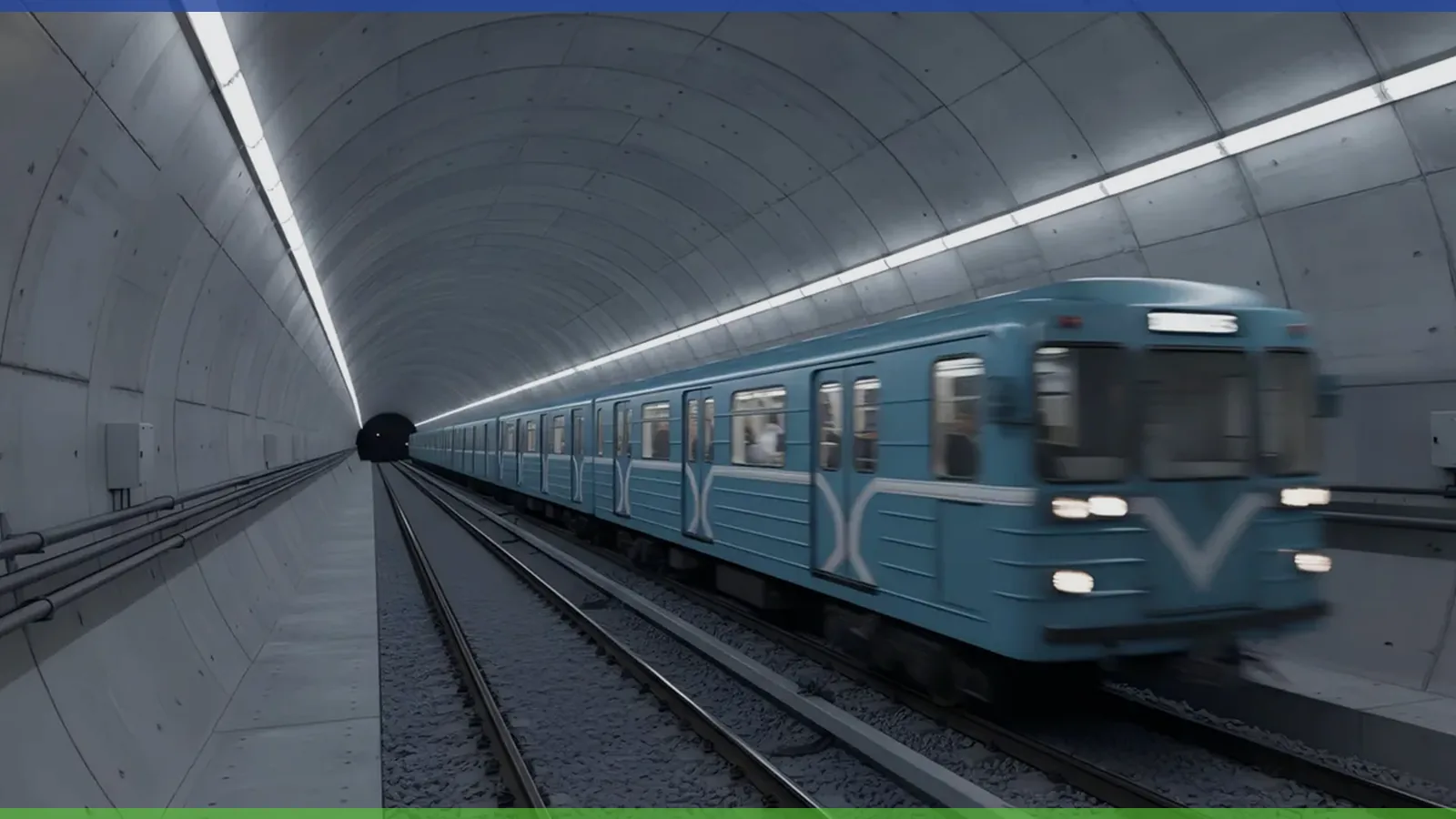
The Batman B2 series is engineered for continuous runs, often utilized in tunnels and transit halls. The EMS version features dedicated self-test microprocessors that perform monthly functional checks and bi-annual duration tests. Its modular design allows for rapid component replacement, further lowering the “Total Cost of Ownership.”
4. Trilamp A3-LW: Rapid Battery Maintenance
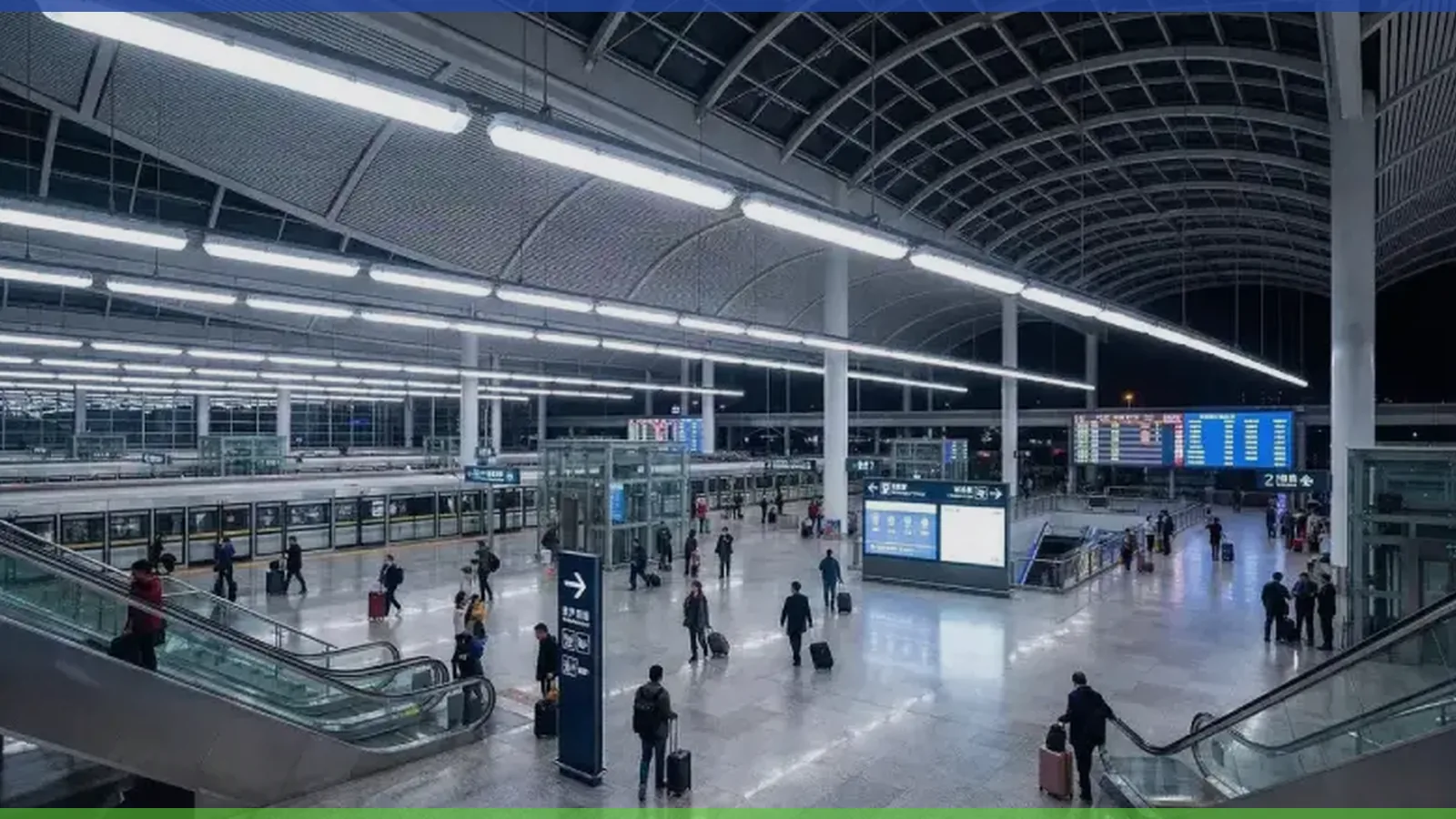
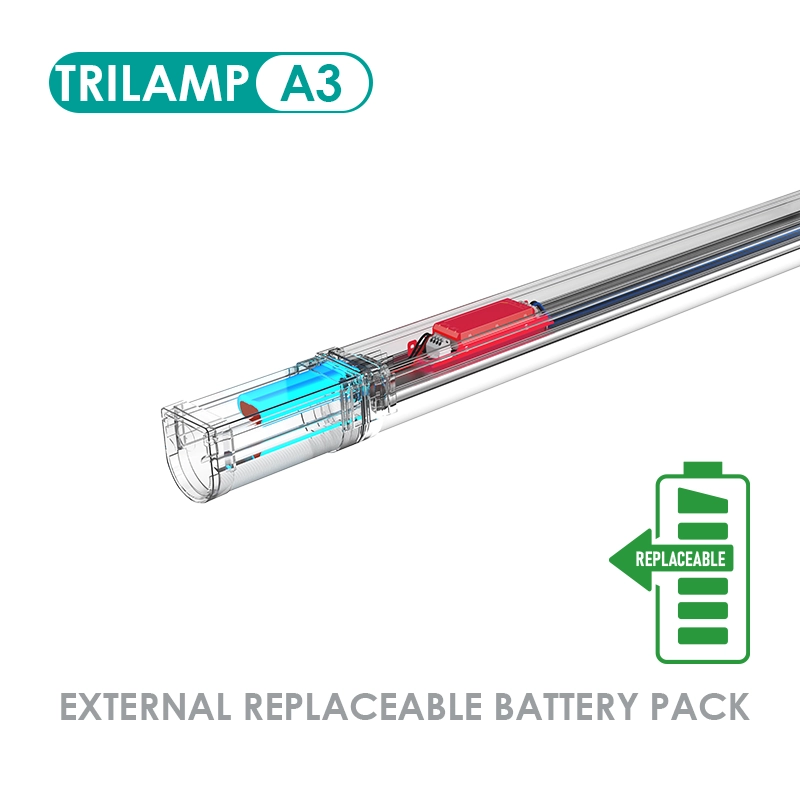
Maintenance speed is critical in high-traffic areas. The Trilamp A3-LW redefines serviceability with an external, tool-free battery replacement pack. This allows maintenance teams to swap batteries in seconds without compromising the unit’s waterproof integrity, keeping the emergency path ready at all times.
5. Clite C300: Architectural Circular Bulkhead
Safety shouldn’t compromise aesthetics. The Clite C300 brings self-testing intelligence to a sleek, circular bulkhead design. Ideal for stairwells and hotel corridors, it features IP65 protection and built-in indicators that provide clear system health status while maintaining a professional look.
Decoding the Diagnostic Indicators
Status indicators are the primary interface between the emergency system and the maintenance team. Understanding these signals is vital for maintaining a compliant environment.
|
LED Signal |
System Status |
Required Maintenance Action |
|---|---|---|
|
Solid Green |
Ready: Normal operation |
None: Compliance achieved. |
|
Blinking Green |
Test in Progress |
Wait for cycle completion. |
|
Solid Red |
Critical Charging Fault |
Check connections or replace charger. |
|
Double Red Flash |
Battery Capacity Failure |
Immediate battery replacement required. |
|
Triple Red Flash |
LED Board Failure |
Replace LED module or entire fixture. |
Future-Proofing via Smart Integration
Advanced facilities are moving toward integrated safety management. By utilizing DALI 2.0 protocols, Fanxstar’s self-testing battens can be controlled and monitored from a central Building Management System (BMS). This allows for app-based testing, automated digital log generation, and predictive failure alerts, ensuring that your emergency egress is always functional and 100% compliant with fire safety audits.
“Automated self-testing is not just a convenience; it is a critical safety upgrade. It ensures that when the power goes out, the way out remains clearly lit.”
Frequently Asked Questions
How do self-testing LED battens save money?They drastically reduce labor costs associated with manual inspections. Instead of a staff member spending hours checking units, the system monitors itself and only alerts you when a specific unit requires repair.
Are these battens compliant with AS/NZS 2293.3?Yes. Fanxstar’s professional emergency series are engineered and certified to meet the rigorous standards of both European (EN) and Australasian (AS/NZS) safety regulations.
What is the lifespan of a LiFePO4 emergency battery?Under normal conditions, these batteries last between 7 to 10 years. Our self-testing units include smart charging algorithms that prevent overcharging and deep discharge, further extending battery life.
Can I install these units in outdoor areas?Yes. Models like the Trilamp A8-SE and Batman B2 feature IP65 and IP66 protection, making them suitable for outdoor stairwells, car parks, and loading bays.
Does self-testing disrupt the normal building operation?No. The tests are staggered and designed to run in the background. Functional tests are brief (30 seconds), and full duration tests are typically scheduled during low-occupancy hours to ensure safety.
Choosing the right self-testing emergency batten is an investment in the safety and legal security of your facility. By prioritizing certified fixtures with advanced LiFePO4 technology and smart diagnostics, you ensure your building remains a safe haven for all occupants. Explore Fanxstar’s full range of emergency solutions today.