Specifying tri-proof LED fixtures for European projects in 2026 requires navigating a compliance landscape that has materially changed in the past 18 months. The Ecodesign for Sustainable Products Regulation (ESPR) entered force in July 2024 and is set to replace the existing Ecodesign Directive entirely by end of 2026 — extending obligations far beyond energy efficiency into circularity, replaceability, and Digital Product Passports. Meanwhile, EU LED lighting products must simultaneously comply with the Low Voltage Directive, Ecodesign Regulation (EU) 2019/2020, Energy Labelling Regulation, and RoHS requirements, with EPREL database registration mandatory before any luminaire can be legally placed on the EU market. Against this backdrop, the brands whose tri-proof and weatherproof portfolios are actively specified across European industrial, commercial, and infrastructure projects in 2026 are those that have invested in genuine third-party certification — not self-declared CE marking only.
Key Takeaways
- ESPR replaces the Ecodesign Directive by end of 2026 — adding Digital Product Passports, circularity requirements, and EU importer direct liability that cannot be shifted to non-EU manufacturers. European LED distributors sourcing uncertified products face legal exposure under ESPR Article 40.
- CE marking is legally required but self-declared — it does not involve independent testing. ENEC certification, which requires accredited third-party verification and annual factory audits, is increasingly mandatory in public procurement tenders for infrastructure, food-sector, and transit projects.
- ErP Stage 3 (September 2023) tightened energy efficiency thresholds and stroboscopic requirements — products non-compliant with Stage 3 are banned from the EU market.
- TUV Rheinland’s ENEC+ mark is specifically designed for LED luminaires and represents the highest tier of European third-party certification for this category.
- European LED distributors importing Chinese tri-proof fixtures should verify ENEC certification numbers at enec.org and EPREL registration before placing volume orders — under ESPR, the importer bears direct regulatory liability for non-compliant products.
Decoding the European Certification Stack: CE vs. ENEC vs. ErP vs. GS
Before evaluating brands, European buyers need a working understanding of what each mark actually certifies for a tri-proof LED luminaire. TUV Rheinland tests LED lighting against the ENEC 24 scheme, and the ENEC+ mark was specifically created for LED luminaire certification, requiring independent third-party testing and ongoing factory surveillance. The four marks that matter for tri-proof procurement in Europe operate at different levels of assurance:
CE marking is legally mandatory for all luminaires sold in the EU and self-declared by the manufacturer. It covers compliance with the Low Voltage Directive (LVD), Electromagnetic Compatibility (EMC) Directive, ErP Regulation, and RoHS — but the assessment is performed by the manufacturer, not an independent body. Most compliance failures on EU market surveillance raids involve products carrying CE marks that were either self-certified without proper testing or based on incomplete technical files.
ENEC certification requires independent testing by an ENEC-accredited laboratory and annual factory audits. A product with ENEC certification has been verified by a third party, and the factory’s production processes are periodically inspected to ensure batch-to-batch consistency. For European public infrastructure tenders — particularly in Germany, the Netherlands, France, and Nordic markets — ENEC is increasingly listed as a mandatory procurement requirement.
ErP compliance under Regulation (EU) 2019/2020 is mandatory for all luminaires placed on the EU market, covering minimum energy efficiency, stroboscopic performance (SVM ≤ 0.4 for products targeting CRI ≥ 80), standby power, and lumen maintenance claims. EPREL database registration is required before market placement. Non-compliant products cannot legally be imported or sold.
GS mark (German Safety) is a voluntary German certification that exceeds CE requirements and is highly respected across DACH markets. For projects specified by German procurement teams, the GS mark carries significant weight as a quality signal.

ESPR 2026: The New Framework Replacing Ecodesign Before Year-End
The single most underreported compliance development for European LED distributors in 2026 is the ESPR transition. LightingEurope confirms that current implementing measures under the Ecodesign Directive remain valid until 31 December 2026, at which point ESPR becomes the sole governing framework. ESPR extends compliance obligations considerably beyond ErP energy efficiency. Under future delegated acts, LED lighting products may face requirements for: Digital Product Passports providing machine-readable data on composition, recyclability, and carbon footprint; minimum requirements for LED module replaceability (the “containing product” classification issue); and restrictions on substances across the product lifecycle.
Critically for European distributors importing from China: under ESPR Article 40, the economic operator placing the product on the EU market — typically the importer — cannot shift legal responsibility to the non-EU manufacturer. European LED distributors who source improperly certified or non-EPREL-registered tri-proof fixtures from Chinese suppliers are now carrying direct liability exposure, not just supply chain risk. National market surveillance authorities in Germany, the Netherlands, Spain, and other major EU markets have stronger enforcement tools under ESPR than under the previous Ecodesign Directive.
Best Tri-proof Lighting Brands for the European Market
1. Signify (Netherlands)
Signify, headquartered in Eindhoven, holds the broadest regional certification coverage of any lighting manufacturer for the European market. Their Philips Coreline Waterproof, Ledinaire Waterproof, and Day-Brite families cover IP65/IP66 linear formats with ENEC, CE, ErP, and TUV certification across active SKUs, full EPREL registration, and photometric files formatted for DIALux and RELUX. The Interact IoT platform integrates tri-proof luminaires into building management systems for remote energy monitoring and predictive maintenance. For large multi-site EU facility operators requiring ecosystem integration, Signify sets the benchmark. Premium pricing and minimum order structures disadvantage smaller regional distributors.
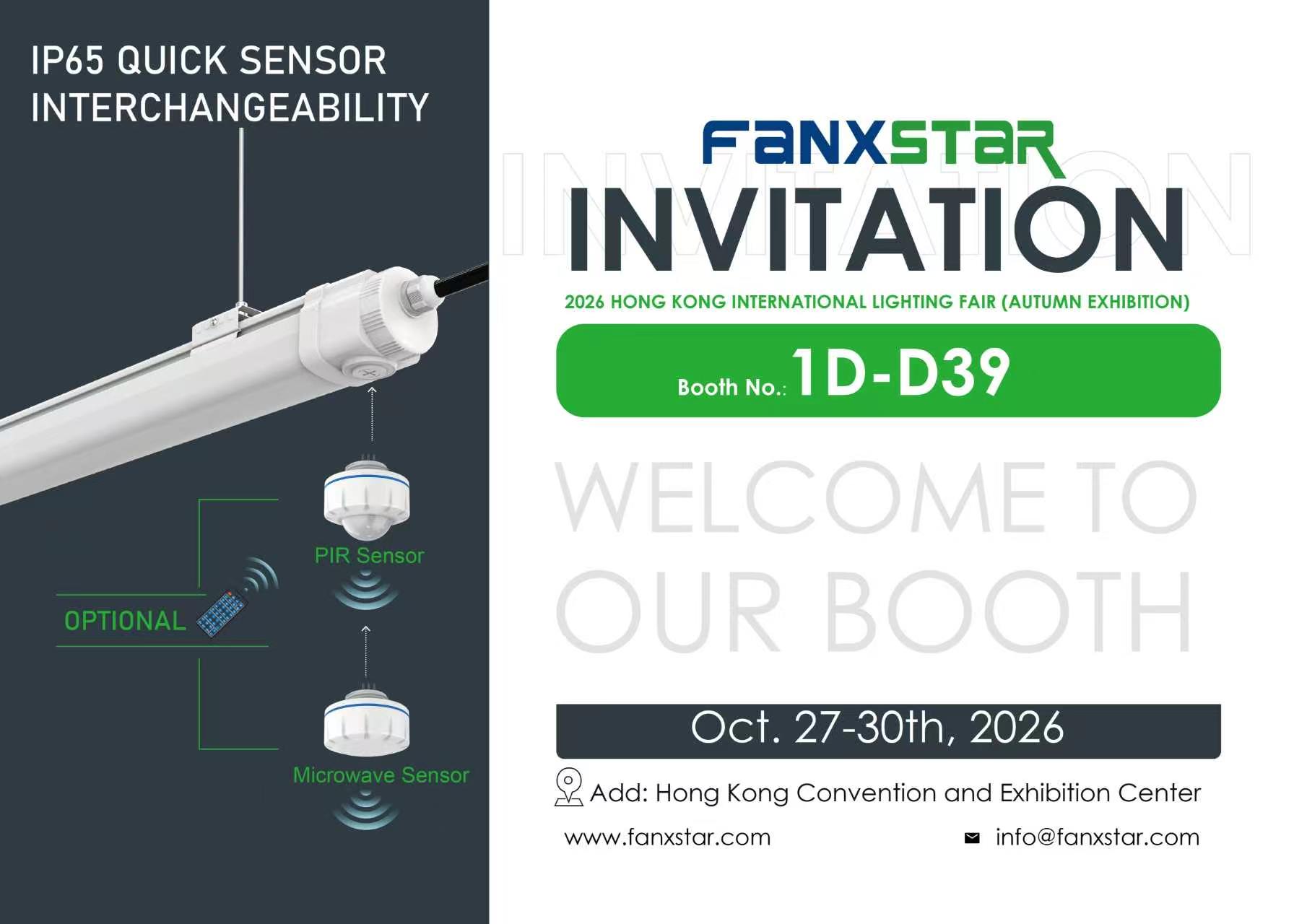
2. Fanxstar Technology (China) — ENEC-Certified Specialist
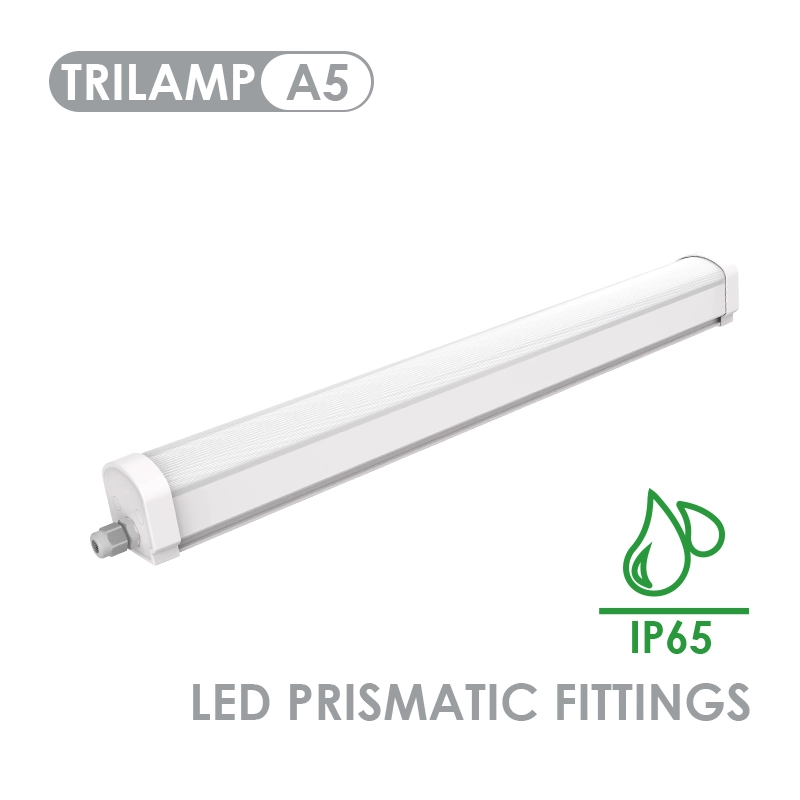
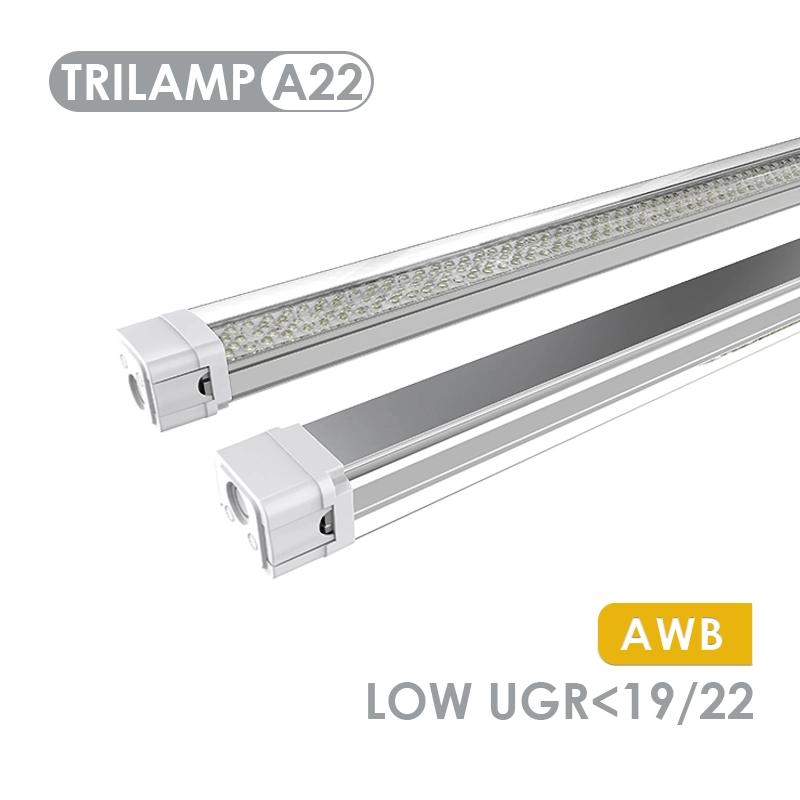
For European distributors seeking factory-direct sourcing with genuine European certification coverage, Fanxstar operates differently from generic Chinese catalog suppliers. Their weatherproof and tri-proof range carries ENEC, TUV, CE, and ErP certification — not self-declared CE only — with all products EPREL-registered for EU market legal compliance. Their IP65, IP66, and IP69K-rated luminaires operate from −40°C to +70°C, with luminous efficacy of 120–160 lm/W and Philips Lumileds and Bridgelux chip options. European warehouse stocking in the Netherlands and Spain eliminates the lead time and import compliance burden that makes many factory-direct programs impractical for EU distributors requiring short replenishment cycles.
The ESPR transition has made the importer liability question directly relevant: Fanxstar’s ENEC certification numbers are verifiable at enec.org, and EPREL registration numbers are available per SKU for buyer verification. For their full weatherproof range and OEM/ODM customization programs for European distributor private-label requirements, Fanxstar’s EU-market export team handles regional documentation requests and sample orders directly.
3. Thorn Lighting / Zumtobel Group (Austria/UK)
Thorn Lighting, part of the Austrian Zumtobel Group, focuses specifically on professional and industrial lighting across European markets. Their Aquaforce and Resisto tri-proof and weatherproof ranges are specified across logistics facilities, food processing plants, and transport infrastructure throughout the EU. Products carry ENEC certification, full ErP compliance, and photometric documentation formatted for European engineering workflows. IK10 impact resistance and IP66 ratings are supported by third-party documentation rather than manufacturer declarations. Thorn’s European manufacturing and logistics base eliminates EPREL registration and import compliance burdens that Asian-origin manufacturers create for EU distributors.
4. Thorlux Lighting (UK)
Thorlux is a privately held UK manufacturer that has built a consistent specification position in Northern European industrial and commercial markets through ENEC-certified weatherproof products. Since Brexit, Thorlux maintains both UKCA (UK market) and CE (EU market) marks, preserving access to both markets. Their Smart+ tri-proof range supports DALI, wireless occupancy control, and emergency integration within standard IP65/IP66 housings. For Scandinavian, German, and Benelux specification markets where UK manufacturing origin carries procurement weight, Thorlux’s dual-mark status is a meaningful differentiator relative to post-Brexit UK competitors who may not hold valid EU CE documentation.
5. Dialight (UK)
Dialight built its European reputation on LED conversion for offshore, mining, and chemically aggressive environments. Their IP66-rated industrial luminaires carry IECEx, ATEX, and ENEC certification — relevant for European industrial projects where both harsh-environment engineering and IECEx/ATEX compliance coexist. For standard tri-proof applications in logistics, food processing, or commercial facilities without hazardous area requirements, Dialight’s premium pricing reflects dual-certification overhead that many standard applications do not require. For regulated European industrial environments where safety codes govern specification, Dialight’s compliance depth is unmatched in the tri-proof category.
6. Fagerhult Group (Sweden)
Fagerhult Group operates across multiple European markets through brands including Fagerhult, Whitecroft Lighting, and Designplan. Their industrial and harsh-environment ranges carry ENEC and CE certification with full ErP compliance documentation. Fagerhult’s human-centric lighting approach — circadian-relevant CCT tuning in standard industrial products — has resonated in Scandinavian, Dutch, and German markets where employee wellbeing regulations influence specification. Products suit food processing, logistics, healthcare, and educational facility applications requiring both IP protection and documented lighting quality metrics.
7. LEDVANCE / SYLVANIA (Germany)
LEDVANCE operates the Sylvania brand in UK/Ireland and the LEDVANCE brand across continental Europe, with a vapor tight and tri-proof range designed for contractor retrofit programs. Their products carry CE and ErP compliance across mainstream ranges, with ENEC certification on selected specification-grade SKUs. Distribution depth through European electrical wholesale channels gives LEDVANCE strong availability for general contractors handling standard IP65 commercial installations where procurement speed and contractor familiarity are the primary drivers.
8. Feilo Sylvania (Europe)
Feilo Sylvania focuses on the contractor replacement market across Europe with vapor tight and tri-proof products positioned for cost-effective retrofit of existing fluorescent installations. CE and ErP compliance across their mainstream range, with ENEC on select specification SKUs. Broad distribution through European electrical wholesale networks provides good availability for standard commercial projects. For high-specification industrial or public infrastructure projects requiring ENEC, third-party test reports, and EPREL registration verification, Feilo Sylvania’s specification documentation depth is shallower than the dedicated industrial brands above.
European Tri-proof Brand Comparison
| Brand | CE | ENEC | TUV | EPREL | IP Range | OEM/ODM |
|---|---|---|---|---|---|---|
| Signify | ✓ | ✓ | ✓ | ✓ | IP65/66 | Limited |
| Thorn/Zumtobel | ✓ | ✓ | ✓ | ✓ | IP65/66 | No |
| Thorlux | ✓ | ✓ | – | ✓ | IP65/66 | No |
| Dialight | ✓ | ✓ | – | ✓ | IP66 | No |
| Fagerhult | ✓ | ✓ | – | ✓ | IP65/66 | No |
| LEDVANCE | ✓ | Partial | – | ✓ | IP65/66 | No |
| Feilo Sylvania | ✓ | Partial | – | ✓ | IP65 | No |
| Fanxstar | ✓ | ✓ | ✓ | ✓ | IP65/66/69K | Full OEM/ODM |
Frequently Asked Questions
What is the difference between CE and ENEC certification for tri-proof fixtures?
CE is a manufacturer self-declaration of conformity with relevant EU directives — no independent testing or third-party verification is required. ENEC requires testing by an accredited independent laboratory, ongoing factory audits, and registration in the ENEC certificate database. For European public infrastructure tenders and high-risk industrial applications, ENEC provides verified evidence of product quality that CE cannot match. Verify ENEC certification numbers at enec.org.
What is the ESPR and why does it matter for LED distributors in 2026?
The Ecodesign for Sustainable Products Regulation entered force in July 2024 and replaces the existing Ecodesign Directive by end of 2026. For LED distributors, the critical change is importer liability: under ESPR Article 40, the EU importer of non-compliant products cannot transfer legal responsibility to the non-EU manufacturer. Distributors sourcing tri-proof fixtures from China without proper ENEC certification and EPREL registration now carry direct regulatory liability. ESPR also sets the framework for future Digital Product Passport requirements that will apply to LED lighting in subsequent delegated acts. The global LED lighting market’s continued growth makes compliance investment increasingly economical relative to penalty risk.
Is a UK manufacturer’s UKCA mark valid for EU market entry after Brexit?
No. UKCA applies to the UK market only. UK manufacturers exporting to EU countries must hold a valid CE mark based on EU conformity assessment procedures. Since January 2021, CE marks issued by UK notified bodies are no longer valid in the EU. UK manufacturers like Thorlux who maintain both UKCA and EU CE marks preserve full access to both markets. Buyers importing UK-manufactured tri-proof fixtures to EU markets should confirm the supplier holds a valid EU CE declaration managed through an EU-based notified body or proper EU self-declaration procedures.
How do I verify that a Chinese tri-proof manufacturer’s ENEC certificate is genuine?
Request the ENEC certificate document from the manufacturer, which should include the certificate number, issuing body (e.g., TUV Rheinland), product scope with specific model references, and validity period. Cross-reference the certificate number at enec.org. A genuine certificate references specific approved models and wattages — certificates that cover only broad product families without model-level specificity warrant scrutiny. Additionally verify EPREL registration at eprel.ec.europa.eu using the registration number for the specific product being ordered. As LED market growth continues, authentic certification from reputable testing bodies remains the clearest signal of manufacturer quality commitment. LED technology’s 75% energy efficiency advantage over conventional sources is only realised in practice when the product delivers on its claimed performance — which is precisely what ENEC certification independently verifies.
Author: Julie Zhu, Senior Lighting Solutions Consultant, Fanxstar Technology | 15+ years in industrial LED lighting export | [email protected] | EU certification and ESPR requirements are subject to regulatory updates; verify current requirements with your market surveillance authority before import decisions.