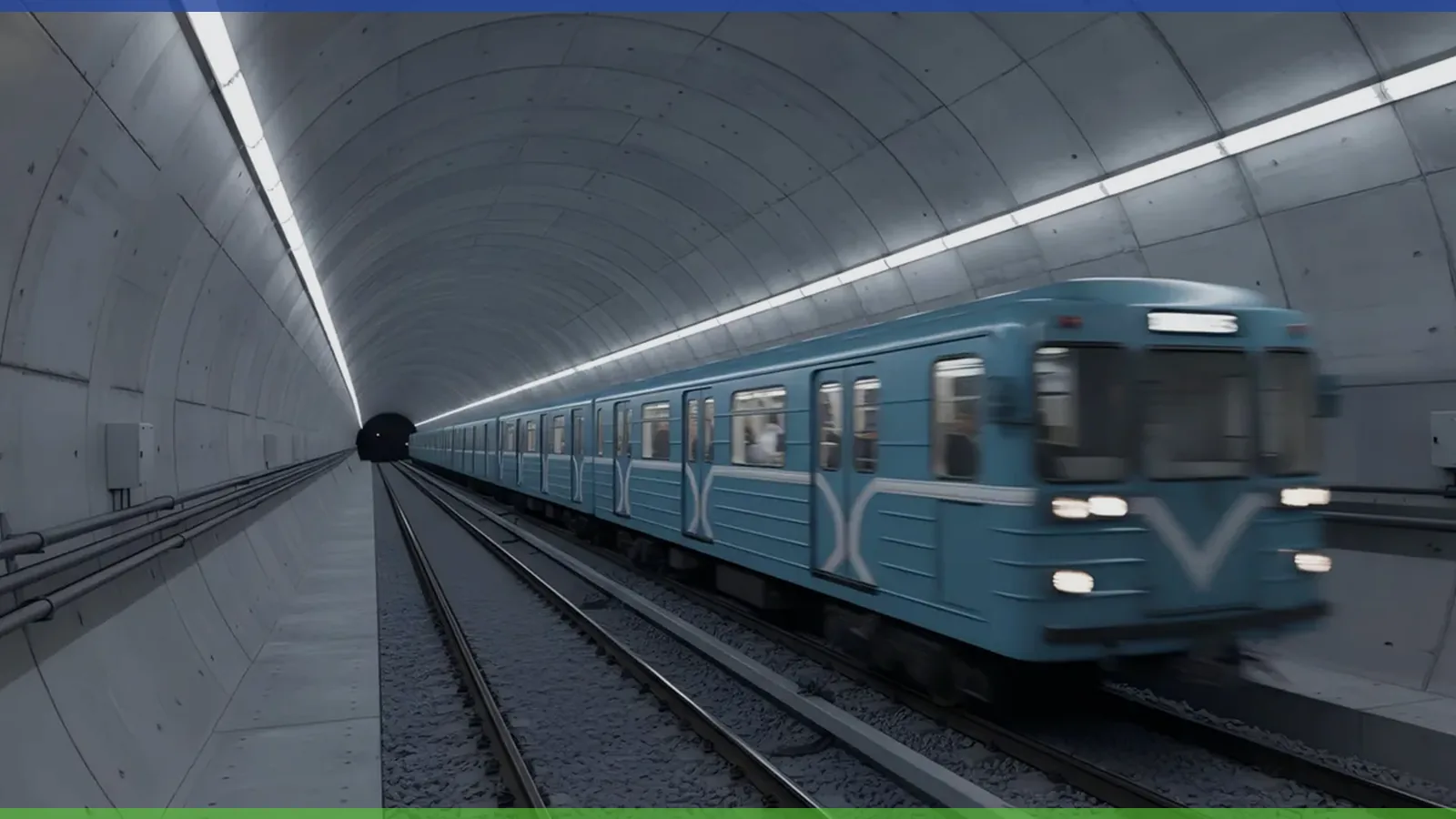
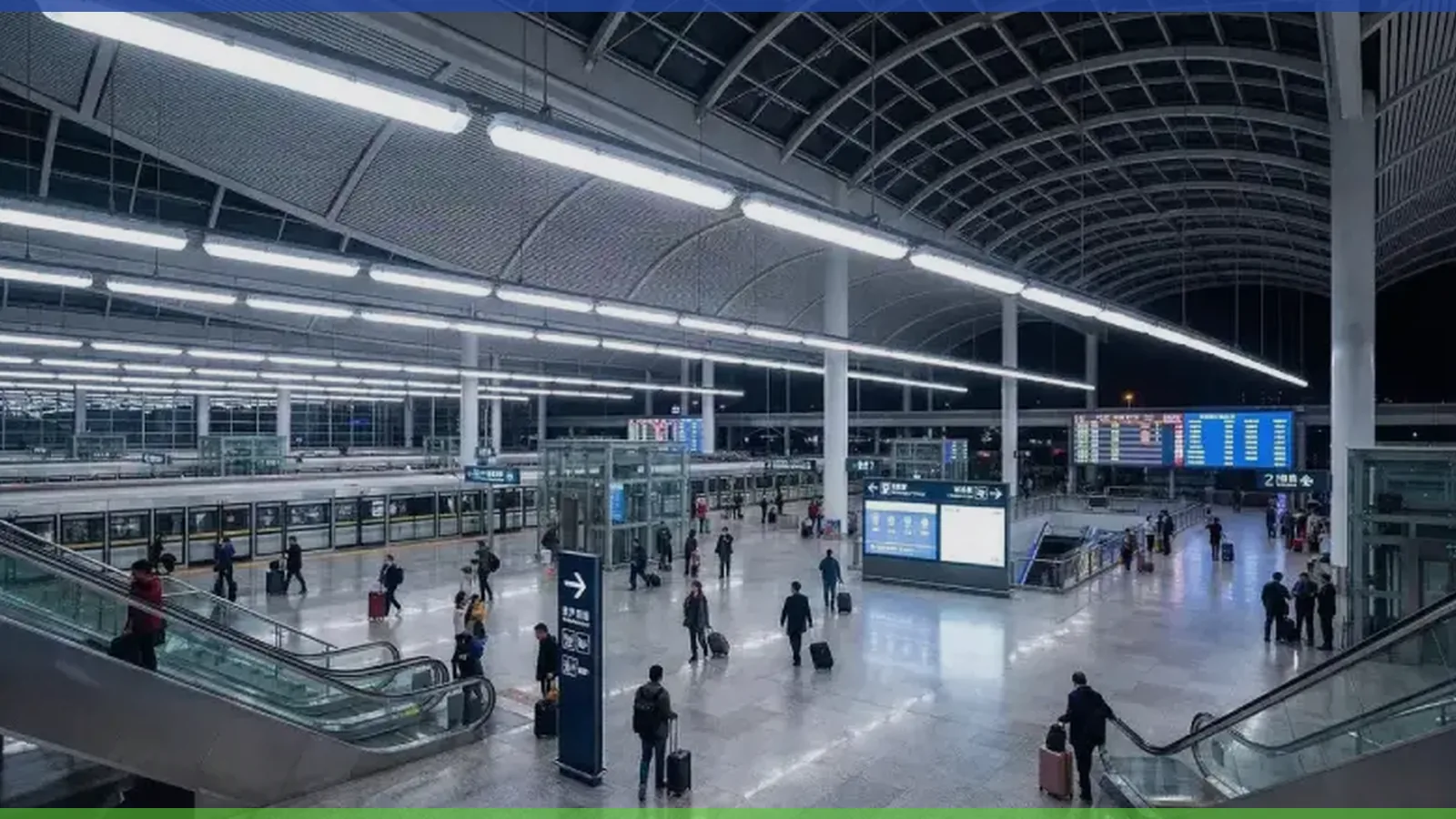
In the technical landscape of modern architecture and industrial engineering, lighting design is no longer a “one-size-fits-all” procurement task. Strategic customization allows project teams to optimize luminous infrastructure based on specific spatial dimensions, spectral requirements, and installation environments. By leveraging the Original Design Manufacturer (ODM) process, facilities can move from standard fixtures to engineer-to-order solutions that maximize energy efficiency and operational reliability. This guide details the essential parameters for customizing linear systems, ensuring that every project achieves its aesthetic and performance benchmarks.
Key Takeaways
-
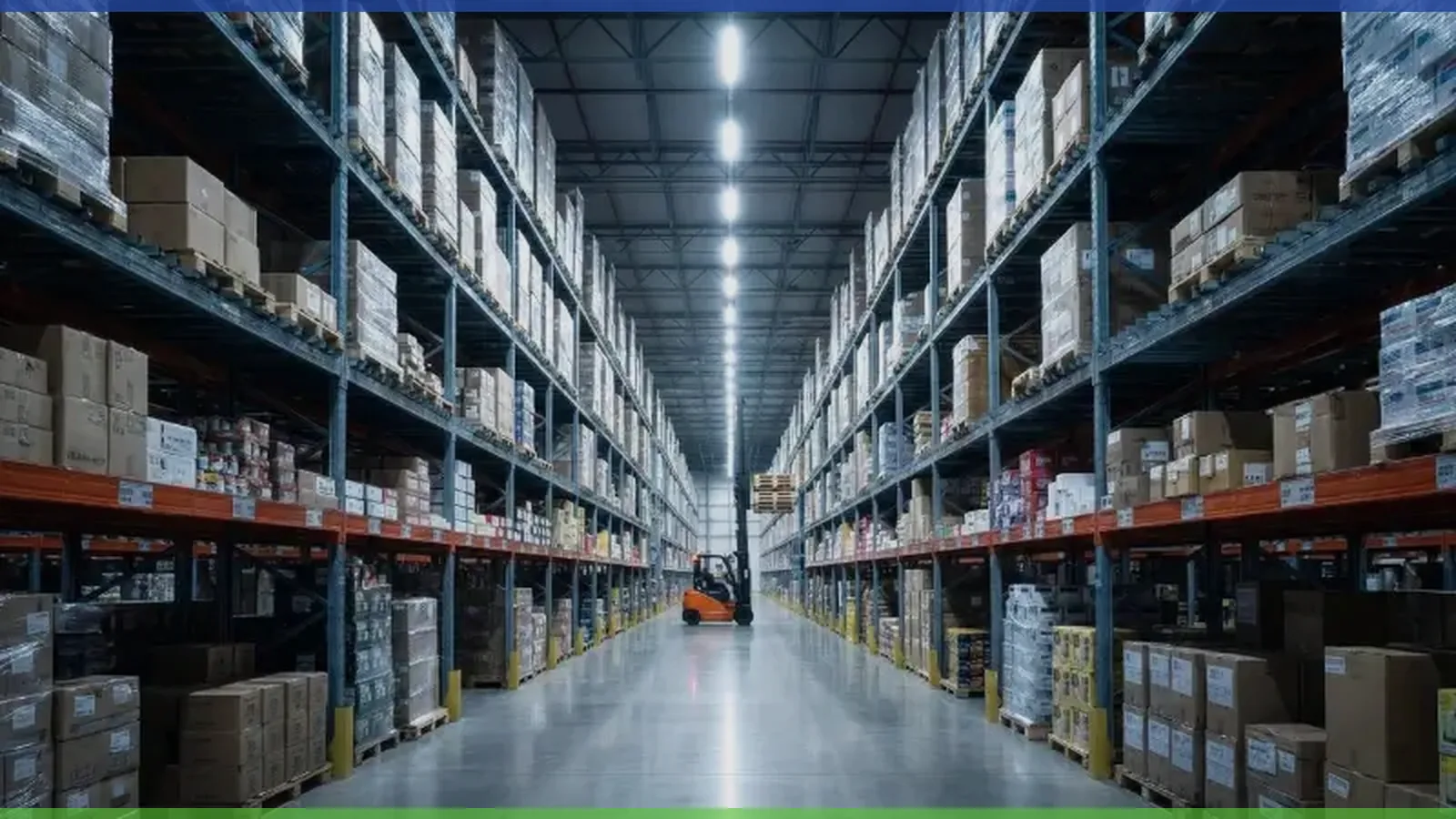
Dimensional Precision: Custom lengths ensure seamless architectural integration, eliminating dark spots and shadows in high-rack warehouses or executive offices.
-
Spectral Agility: Tri-CCT technology and specialty spectra (UV-C, Fresh Light) provide the flexibility to adapt to changing biological or retail needs.
-
Connectivity ROI: Tool-free quick connectors and modular trunking systems reduce installation labor costs by up to 60%.
-
Industrial Durability: Selecting high-grade materials like AL6063-T5 aluminum ensures L80B10 lifespans exceeding 74,000 hours.
-
SKU Consolidation: Multi-power and multi-CCT designs allow a single fixture to cover multiple application needs, reducing inventory overhead.
Technical Framework: The ODM vs. Standard Manufacturing Process
When planning a large-scale illumination project, understanding the manufacturer’s capabilities is paramount. Standard manufacturing focuses on high-volume uniformity, whereas the ODM process is built on technical collaboration. This approach is vital for projects requiring unconventional lengths or specialized ingress protection (IP65/IP66) for harsh environments.
|
Technical Feature |
Standard Manufacturing |
Fanxstar ODM Process |
|---|---|---|
|
Fixture Lengths |
Fixed (e.g., 4ft, 8ft) |
Bespoke (Precision to 1/2 inch) |
|
Spectral Tuning |
Single CCT Option |
Tri-CCT / Tunable White / RGBW |
|
Connectivity |
Hardwired only |
Modular Quick-Link / Terminal Blocks |
|
Thermal Design |
Generic Heat Sinks |
Environment-Matched AL6063 Profiles |
|
Compliance |
Standard Safety Labels |
Regional Certification Support (UL, SAA, TUV) |
Optimizing Length: From Standard Sizes to Continuous Runs
Selecting the appropriate length for a linear luminaire is critical for maintaining lux uniformity. Standard industrial sizes (2ft, 4ft, 5ft, and 8ft) cover general needs, but bespoke lengths provide the freedom to create a single ribbon of light that follows a building’s unique geometry.
Seamless Splicing Technology
In large-scale warehouse and retail environments, dark zones between fixtures can lead to picking errors and visual fatigue. Seamless splicing allows up to 30 modular fixtures to be linked in a continuous series run of 50 to 60 meters. To mitigate the risk of voltage drop in these long runs, Fanxstar utilizes constant current drivers and dual-end power supply configurations, ensuring that the last fixture in the run maintains the same luminous efficacy as the first.
“Continuous lighting design is not just an aesthetic trend; it is a technical necessity for high-clearance aisles. By removing the gaps between luminaires, we create a homogenous field of vision that improves safety and scanning accuracy.”
The Role of Color: RAL Finishes and Spectral Precision
Customization extends to the fixture’s exterior and the quality of light it emits. For professional projects, color consistency (SDCM < 3) and architectural integration are key success metrics.
-
Housing Durability: Standard finishes include Signal Gray (RAL7035) for industrial use, Signal White (RAL9010) for offices, and Jet Black (RAL9005) for retail. These coatings are typically anti-corrosive powder finishes designed for long-term stability.
-
Tri-CCT Switching: To reduce SKU complexity, many Fanxstar linear luminaires include internal switches that allow installers to select between 3000K (Warm), 4000K (Neutral), and 5000K (Cool) white light on-site.
-
Specialty Spectra: For healthcare or laboratories, we integrate UV-C modules for surface disinfection. In the fresh food sector, we utilize “Fresh Light” spectra (combining 4000K with Red 660nm) to enhance the vibrance of produce without accelerating oxidation.
Modular Connection Systems: Engineering for Efficiency
Installation labor typically accounts for a significant portion of a lighting project’s budget. Modular connection systems are designed to minimize this overhead.
|
Connectivity Type |
Installation Benefit |
Primary Application |
|---|---|---|
|
Tool-Free Connectors |
60% reduction in labor time |
Rapid Retail Rollouts |
|
High-Voltage Splicing |
Fewer electrical home-runs |
High-Rack Logistics |
|
Integrated Sensors |
Native motion/daylight response |
Energy-Efficient Smart Offices |
|
Waterproof Plug-ins |
Safe field connections (IP66) |
Marine & Cold Storage |

The Fanxstar ODM Roadmap: A Collaborative Approach
A successful custom lighting project follows a structured engineering workflow. Fanxstar’s team provides comprehensive design assistance, from initial 3D modeling to safety certification compliance.
-
Project Definition: Assessment of environmental conditions (humidity, dust, temperature) and required lux levels.
-
Rapid Prootyping: Utilizing CAD tools and, in specific cases, 3D printing to create physical samples for approval within 7-10 days.
-
SKU Consolidation: Designing multi-wattage and multi-CCT modules to ensure a “12-in-1” flexibility, significantly reducing the client’s inventory management costs.
-
Compliance Verification: Rigorous testing for UL, CE, SAA, or ATEX standards to ensure the product is ready for global distribution.
Conclusion: Leveraging Custom Luminous Assets
In the evolving world of linear lighting trends, customization is the primary tool for competitive advantage. By meticulously selecting lengths, spectrums, and connection systems, project teams can deliver a system that is perfectly balanced for its environment. Collaborative ODM partnerships ensure that these high-standard solutions are delivered with the reliability and certifications required for high-stakes industrial and commercial infrastructure. Upgrading to a custom-engineered luminous framework is a commitment to quality that pays dividends in energy savings, maintenance avoidance, and architectural excellence.
Frequently Asked Questions (FAQ)
What is the main advantage of customizing LED linear fixtures?
Customization allows you to match the fixture’s physical and luminous properties exactly to the space. This improves light uniformity, reduces the number of fixtures required, and ensures that the electrical connection system is optimized for the site’s labor constraints.
How do ODM services support unique architectural lighting?
ODM services provide specialized design support, including 3D modeling and photometric planning. This allows for the creation of unique shapes (curves, zigzags) and continuous runs that are not available in off-the-shelf product catalogs.
Can I adjust the wattage and color temperature of custom lights after installation?
Yes, if the fixtures are designed with multi-wattage and tri-CCT dip switches. This feature is a common part of our SKU consolidation strategy, giving facility managers the ability to fine-tune lighting on-site as space usage changes.
What connection options are best for high-clearance warehouses?
For high ceilings, we recommend modular trunking or linkable systems with high-voltage splicing. These systems allow fixtures to be powered in long series runs, reducing the cost of running individual conduits and junction boxes up to the rafters.
Are custom LED linear lights safe for hazardous industrial areas?
Yes, Fanxstar can customize vapor-tight and explosion-proof linear lights using specialized materials like 316-grade stainless steel and tempered glass or PMMA diffusers to meet ATEX/IECEx certifications.
Ready to design your ideal lighting solution? Explore Fanxstar’s Full Custom Linear Portfolio and secure your project’s success today.