Key Takeaways
-
Thermal Limits: Specialized desert luminaires must maintain operational stability at ambient temperatures (Ta) exceeding +50’C.
-
Material Engineering: AL6063 aluminum and UV-stabilized polycarbonate are essential to prevent structural warping and yellowing under intense solar radiation.
-
Ingress Protection: IP67 sealing is the gold standard for desert environments to block ultra-fine sand and prevent pressure-related seal failures.
-
Efficiency vs. Heat: High-efficacy LEDs (up to 180 lm/W) minimize internal heat generation, significantly extending the fixture’s service life.
-
Intelligent Management: Daylight harvesting and dimming sensors reduce operational heat stress during peak sun hours, further enhancing reliability.
In regions where daytime temperatures frequently surpass +50’C, traditional illumination systems face catastrophic failure rates. For industrial facilities, transit corridors, and municipal projects in desert climates, standard lighting is no longer a viable option. Modern high-temperature LED lighting is engineered to thrive in these “thermal stress zones.” By integrating advanced passive cooling, specialized materials, and robust sealing, Fanxstar’s Batman and Allstar series provide the reliability needed to ensure safety and productivity in some of the harshest environments on Earth.
The Desert Environment: A Quadruple Threat
Lighting infrastructure in arid regions must overcome four distinct environmental stressors simultaneously: extreme heat, intense UV radiation, abrasive sandstorms, and dramatic diurnal temperature fluctuations.
1. Thermal Saturation and Electronic Degradation
When ambient temperatures reach 50’C, the “junction temperature” of an LED chip can quickly exceed its safe operating limit. Without specialized thermal management, this leads to rapid lumen depreciation and driver failure. Fanxstar utilizes oversized heat sinks and drivers rated for Ta 60’C to ensure that internal components remain within safe parameters even during heatwaves.
2. UV-Induced Material Breakdown
The desert sun provides an unrelenting barrage of ultraviolet light. Low-grade plastics become brittle and yellow within months, compromising the light’s output and sealing integrity. Utilizing UV-stabilized materials and tempered glass is essential for maintaining optical clarity over a 10-year lifespan.
|
Hazard Factor |
Impact on Standard LED |
Desert-Grade Specification |
|---|---|---|
|
Intense Heat (>50’C) |
Circuit failure and color shifting |
AL6063 Aluminum Heat Sinks |
|
UV Radiation |
Housing yellowing and lens cracking |
Anti-UV Polycarbonate / Tempered Glass |
|
Sand & Dust |
Ingress and internal hotspots |
IP67 Sealed Housing |
|
Temp Swings |
Seal warping and condensation |
Pressure Equalization Glands |
Core Features of Thermal-Resilient Luminaires
Superior Heat Dissipation with AL6063 Aluminum
Effective heat management starts with the choice of metal. AL6063 aluminum alloy is favored for desert lighting because of its exceptional thermal conductivity. It allows the fixture to act as a massive passive cooling radiator. Unlike standard die-cast aluminum, AL6063 maintains its structural integrity and heat-conducting efficiency even as it absorbs intense external solar energy.
|
Ambient Temperature (‘C) |
Thermal Conductivity (W/m·K) |
Recommended Material |
|---|---|---|
|
25’C (Standard) |
~237 |
Standard Aluminum |
|
100’C (Peak Desert Load) |
~240 |
AL6063 Alloy |
|
200’C (Extreme Industrial) |
~235 |
Aerospace Grade |
Advanced Ingress Protection: Beyond IP65
While IP65 is common for industrial lighting, the “fine silt” of desert sand requires a more robust defense. IP66 or IP67 ratings are preferred. These fixtures utilize foamed-in-place gaskets that remain flexible under extreme heat, preventing the ingress of dust that could insulate the electronics and cause localized overheating.
Fanxstar’s Specialized Solutions for Arid Regions
1. Batman B1/B2 Series: The Heavy-Duty Standard
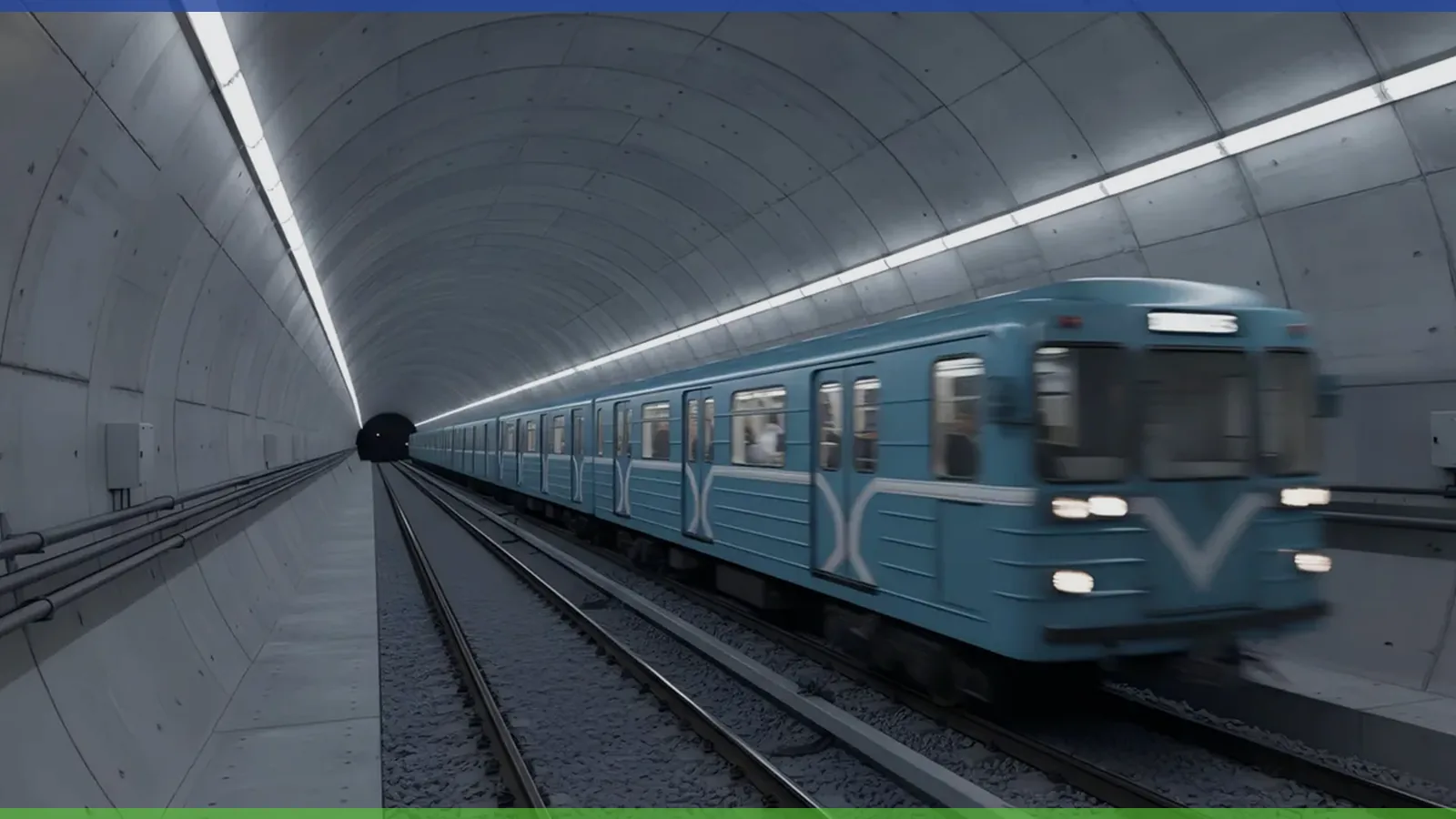
The Batman series is engineered with a modular aluminum body and high-efficacy chips. Its “No-Shadow” design and vapor-tight IP66 sealing make it ideal for desert transit tunnels and corridors. With an operational window up to +50’C, it has become the standard for infrastructure reliability in high-heat zones.
2. D3-LT Allstar: Precision for Fixed Stations
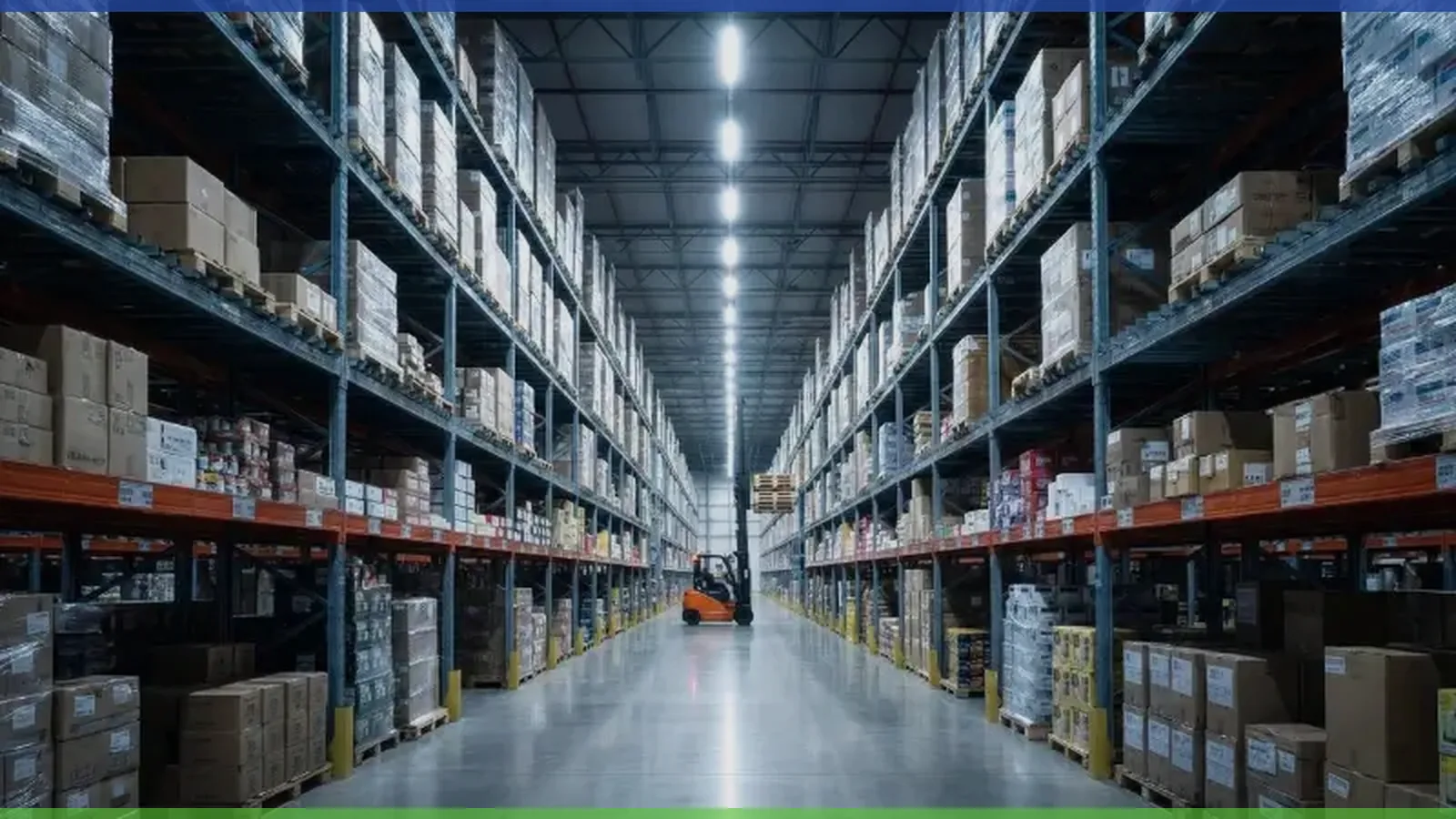
For high-ceiling desert facilities, the D3-LT Allstar features a reinforced die-cast housing and an internal driver designed for 24/7 reliability. This model is frequently specified for maintenance sheds and storage areas where airflow is restricted, relying on its advanced passive cooling geometry to stay stable.
3. Trilamp A8 Series: The Thermal Control Expert
The A8 series utilizes a wide-area rapid-cooling plate. This architecture allows the luminaire to dissipate internal heat faster than the desert can warm the housing. When paired with smart daylight sensors, the A8 reduces its output (and heat generation) during the hottest sunlight hours, maximizing its survival rate.
Strategic Implementation and ROI
Switching to sensor-controlled heat-resistant LEDs is a financial imperative. High-temperature LEDs typically achieve an ROI within 24-36 months through a 50% reduction in energy costs and an 80% reduction in maintenance labor. In desert projects, the “Total Cost of Ownership” is the only metric that matters, as the cost of sending a technician to a remote, 50’C site far outweighs the initial price of the fixture.
“Desert environments do not forgive engineering oversights. In heat above 50’C, a specialized lighting fixture is not a luxury—it is a critical safety shield for your entire operation.”
Maintenance Strategy for Arid Climates
Reliability requires a proactive maintenance schedule. Dust management is the primary goal. We recommend a weekly cleaning cycle for fixtures in high-sand zones to prevent “thermal blanketing”—where dust layers act as insulation, causing the LED to cook from the inside out. Using robotic brush systems or self-cleaning solar modules can further reduce the labor burden on maintenance teams.
Frequently Asked Questions (FAQ)
Why is +50’C the critical threshold for LED lighting?Most standard LED drivers and chips are designed for ambient temperatures up to 40’C. Beyond 50’C, the internal thermal protection of the driver may trigger a shutdown, or the LED chips may suffer from “thermal runaway,” leading to permanent damage.
Does UV protection affect the brightness of the light?High-quality anti-UV coatings are engineered to be 98-99% transparent. While they provide a vital shield, they do not significantly impact the lumen output or color rendering index (CRI) of the fixture.
Can these lights work in coastal desert areas?Yes. In coastal deserts where salt spray is a factor, Fanxstar recommends our IP67 series with stainless-steel clips and corrosion-resistant powder coatings to prevent electrolytic decay of the aluminum body.
What is a ‘Pressure Equalization Gland’?When a fixture cools down at night, it creates a vacuum that can suck in moisture. A specialized gland allows the fixture to “breathe” while filtering out sand and water, maintaining the integrity of the vapor-tight seal.
How do smart sensors help in the desert heat?By dimming the lights during periods of high ambient sunlight or low occupancy, you reduce the internal power draw. This lowers the internal temperature of the fixture, effectively giving the components a “thermal break” and extending their life.
Investing in specialized high-temperature lighting is the only way to ensure project success in extreme arid regions. By focusing on AL6063 thermal architecture, IP67 sealing, and UV-stable optics, facility managers can secure their operations against the most severe heatwaves. Explore Fanxstar’s full range of desert-ready LED solutions to find the perfect fit for your next project.