For facility managers and warehouse owners, the overhead associated with outdated lighting systems is no longer just a line item—it is a significant financial drain. Legacy systems, such as T8 fluorescent tubes and high-intensity discharge (HID) metal halide lamps, are increasingly becoming liabilities. By transitioning to sensor-controlled LED battens, commercial and industrial buildings are reporting dramatic energy savings of up to 80%. This intelligent lighting solution transforms traditional fixtures into a smart ecosystem that eliminates unnecessary energy usage and maximizes return on investment (ROI).
Key Takeaways
-
Drastic Energy Reduction: Upgrading to sensor-controlled LEDs can slash energy consumption by 60% to 80% through high-efficacy chips and motion-activated dimming.
-
Rapid ROI: Most industrial facilities achieve a full return on investment within 12 to 24 months, accelerated by US utility rebates and reduced maintenance labor.
-
Dual-Tech Intelligence: Combining daylight harvesting and microwave motion detection ensures lights only operate at the necessary brightness when a zone is occupied.
-
Secondary Savings: LEDs run cooler, significantly lowering the HVAC cooling load in climate-controlled environments like data centers.
-
Longevity: Smart sensors extend hardware lifespan by reducing “burn time,” while modern LEDs are immune to the wear caused by frequent switching.
The Financial Burden of Traditional “Always-On” Lighting
Traditional industrial lights often run at 100% capacity throughout an entire shift, regardless of whether a zone is occupied. This “always-on” approach results in massive energy waste, especially in expansive areas like distribution centers, stairwells, or parking garages where foot traffic is sporadic. Beyond the electricity bill, legacy systems carry several hidden burdens:
-
Excessive Heat Generation: Traditional bulbs convert a large percentage of energy into heat. In climate-controlled environments, this forces HVAC systems to work harder to maintain temperatures.
-
Rapid Lumen Depreciation: T8 and metal halide bulbs lose brightness significantly faster than LEDs, potentially compromising safety before the bulb officially fails.
-
Ballast Failures: Legacy systems rely on external ballasts which are prone to failure, adding complexity and labor costs to maintenance schedules.
“Think of traditional lighting as a garden hose left running all day. LED battens with smart sensors act like a precision nozzle that only sprays water when needed, shutting off automatically when it rains.”
The Anatomy of a Smart Upgrade: Integrated Intelligence
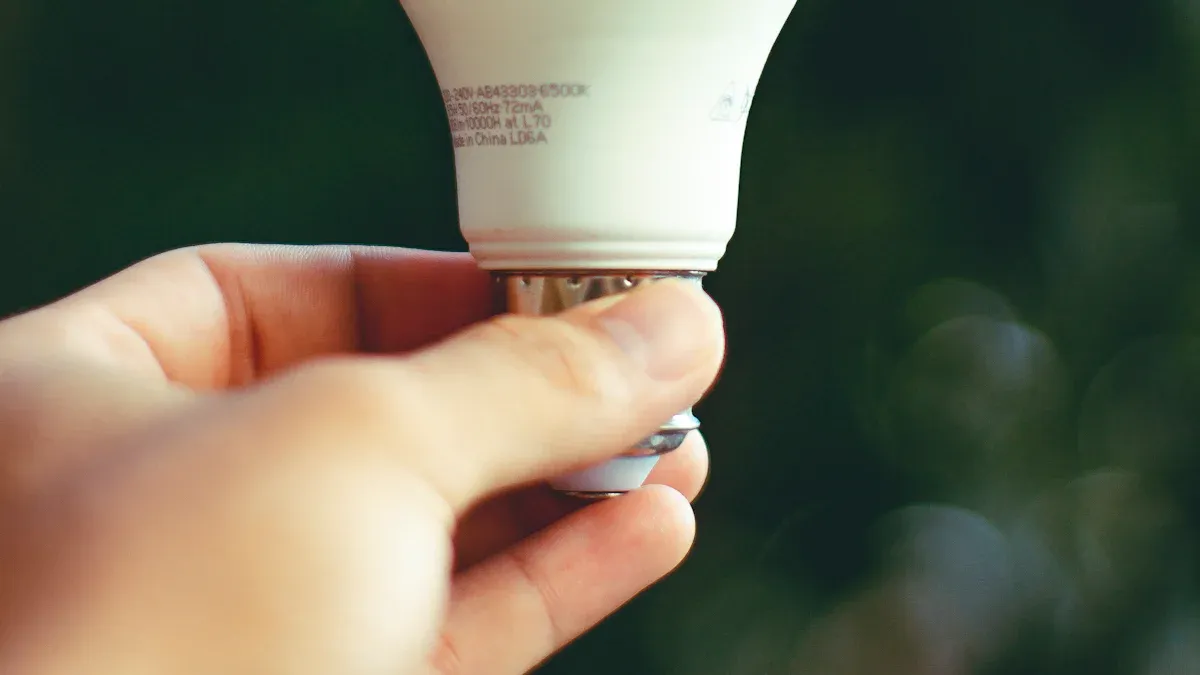
At its core, a modern LED batten is far more than just a light source; it is an integrated energy management system. The synergy between high-efficiency LEDs and intelligent controls drives the massive savings seen in real-world applications.
1. Microwave Motion Sensors vs. PIR
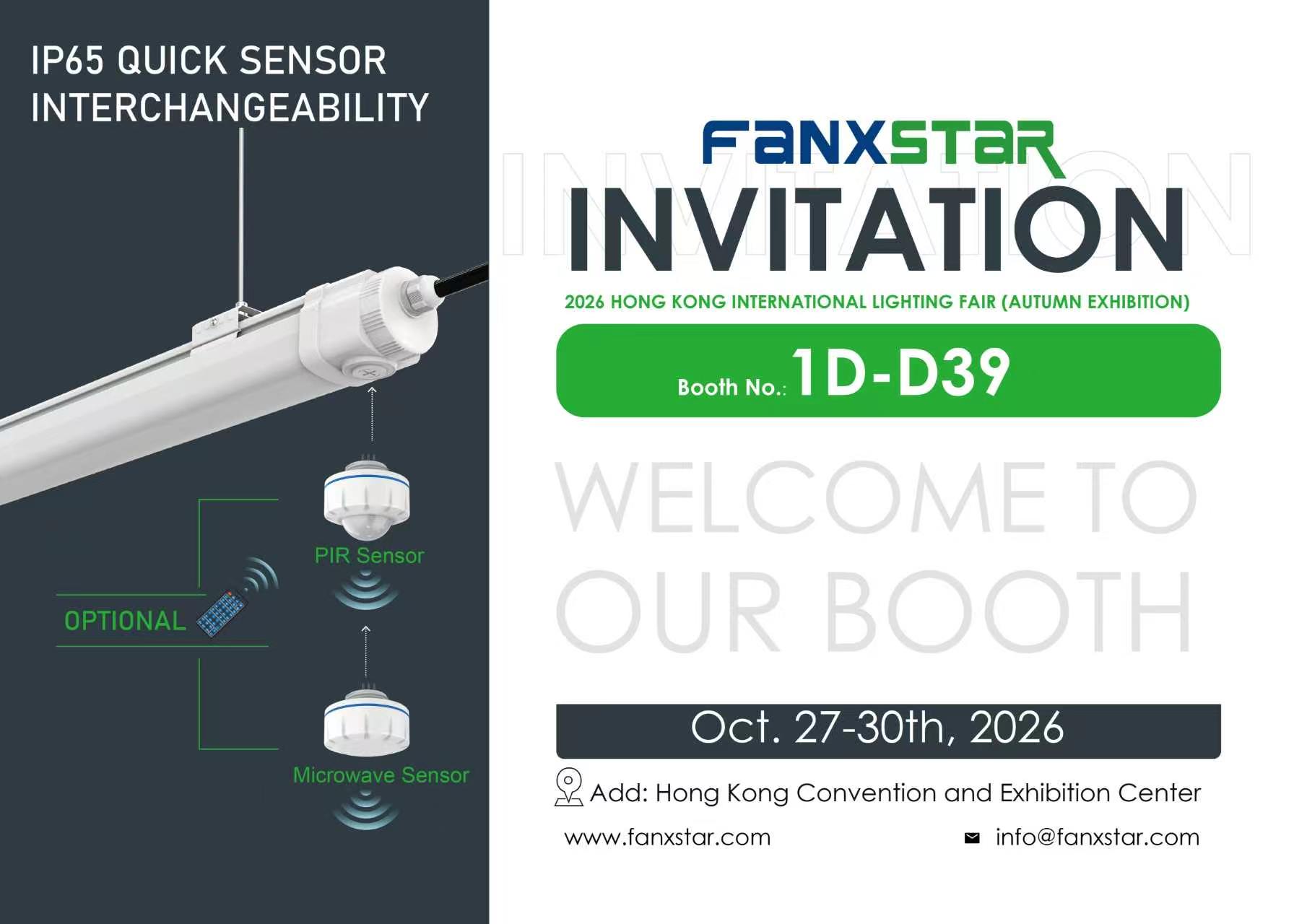
While PIR (Passive Infrared) sensors detect heat signatures and require a direct line of sight, microwave motion sensors emit high-frequency waves and monitor the reflections. This allows them to detect movement through thin walls, glass, and around obstacles, making them ideal for complex industrial layouts. They offer higher accuracy and are unaffected by ambient temperature changes.
2. Daylight Harvesting Photocells
This technology measures natural ambient light. When sunlight fills a room, the sensors dim or switch off the LED lights entirely. This ensures that the facility maintains a consistent lux level while consuming the absolute minimum amount of grid power.
3. Step-Dimming (Corridor Mode)
For safety and security, many facilities prefer not to have areas in total darkness. “Step-dimming” allows a fixture to drop to a 10% or 20% standby level when idle, ramping up to 100% instantly upon motion detection. This maintains a “safety glow” while still capturing 80% of the potential energy savings.
Quantifying Real-World Savings: Data and Case Studies
The transition to sensor-controlled hardware delivers measurable reductions that impact the bottom line immediately. Real-world data across various sectors confirms the effectiveness of these systems.
|
Facility Type |
Energy Savings |
Financial Impact |
|---|---|---|
|
Edge Datacenter (Thailand) |
75% Reduction |
22-month payback; zero lighting maintenance for 30 months. |
|
Financial Services (US Midwest) |
40% Total Energy |
$180,000 annual cost reduction; no bulb swaps in 3+ years. |
|
Warehouse (Southeast Asia) |
68% Reduction |
Additional 18% savings from granular daylight harvesting. |

The Thermodynamic Advantage: Reduced HVAC Loads
One of the most overlooked advantages is the reduction in the HVAC cooling load. Traditional lighting generates significant waste heat. LEDs are much more efficient and run cooler. Industry experts estimate that for every $1.00 saved on lighting energy, an additional $0.25 to $0.35 is saved in cooling costs because the air conditioning system no longer has to “fight” the heat produced by the lights.
Beyond the Bill: Maintenance, Longevity, and Safety
The savings from switching aren’t limited to kWh. Long-term financial advantages extend to operational reliability and hardware preservation.
-
Reduced Burn Time: By using sensors to dim or turn off lights during vacancy, the actual “on-time” of the LED chips is reduced. A fixture rated for 50,000 hours may last 15+ years in a motion-controlled environment.
-
Immunity to Switching Cycles: Unlike fluorescent tubes, which suffer damage from frequent on/off cycles, LEDs are solid-state technology and are entirely unaffected by frequent switching.
-
Enhanced Security: Instant-on lighting triggered by movement acts as a deterrent to unwanted activity in remote zones or parking areas.
-
Compliance: Modern sensor-equipped battens often include self-diagnostic features for emergency lighting, cutting manual compliance testing time by up to 40%.
ROI Analysis and US Utility Rebates
For facility managers in the United States, the fiscal argument is further strengthened by utility incentives and tax deductions. By leveraging these programs, operators can often offset 25% to 70% of the total project cost.
-
Prescriptive Rebates: Fixed “per-fixture” amounts for installing DLC-listed (DesignLights Consortium) equipment.
-
Custom Rebates: Based on the total kWh saved. Because sensors drastically lower consumption, these often provide higher payouts than simple “LED-only” retrofits.
-
Section 179D: Federal tax deductions for energy-efficient commercial building improvements can provide significant year-one tax relief.
Implementation Strategy: Best Practices for Success
To maximize your savings, consider these implementation steps:
-
Granular Zoning: Divide spaces into independent zones. In datacenters, align battens with specific server aisles so only the occupied aisle illuminates.
-
Sensitivity Calibration: Fine-tune sensors to prevent “false-offs” when staff are stationary, and “false-ons” caused by external vibrations or HVAC fans.
-
Linkable Designs: Choose linkable LED systems that allow up to 30 units to be connected to a single power source, reducing wiring complexity and labor costs.
-
Tool-Free Maintenance: Opt for modular, tool-free designs that allow for rapid replacement or upgrades in the future without specialized equipment.
Frequently Asked Questions (FAQ)
1. Will frequent switching on and off damage the LED driver?
No. Unlike legacy fluorescent lamps, LEDs are solid-state and designed for millions of switching cycles. Using sensors actually extends the life of the driver by keeping it cooler during dimmed or off periods.
2. How much can sensor-controlled LED battens save compared to standard LEDs?
Standard LEDs save about 40-50% over fluorescents. Adding sensors adds an additional 20-30% savings by eliminating “idle burn,” bringing the total savings to 70-80% compared to legacy tech.
3. Can microwave sensors detect motion through warehouse racking?
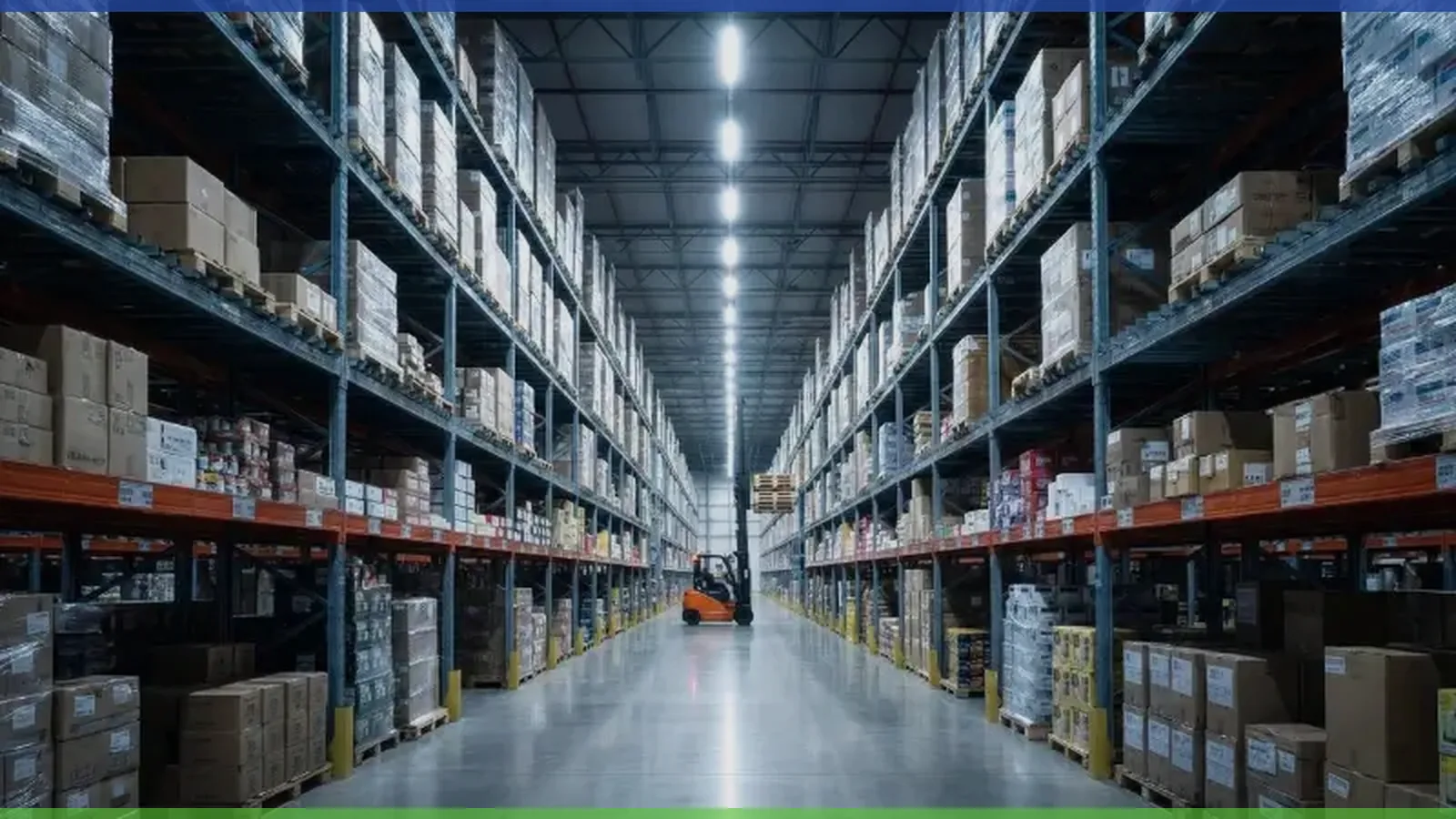
Yes. Microwave sensors emit high-frequency waves that can penetrate non-metallic materials like shelving, wood, and drywall, making them much more effective in warehouse environments than PIR sensors.
4. How do I qualify for utility rebates for my lighting project?
Most US utilities require the use of DLC-qualified (DesignLights Consortium) products. It is best to consult with a lighting expert or your local utility provider before purchasing to ensure the fixtures meet the specific performance criteria for the rebate.
5. What is “Daylight Harvesting”?
Daylight harvesting is a control strategy that uses a light sensor (photocell) to detect the level of natural light in a space. It automatically dims the artificial LED light when sunlight is sufficient, ensuring energy is not wasted when natural light is available.