IK ratings help lighting buyers talk about impact protection, but the rating is only useful when it is tied to the actual fixture construction, mounting position, lens material, and test evidence. A higher IK number does not automatically make a luminaire suitable for a parking garage, tunnel, warehouse dock, food plant, or public corridor. It only says that the tested enclosure resisted a defined impact-energy level under a defined method.
The practical buyer question is therefore simple: what kind of impact can damage this fixture in the real site, and what proof shows the selected version can survive it without losing electrical safety, sealing, optical performance, or service access?
Key Takeaways
- IK is an impact-resistance classification for electrical enclosures; it is separate from IP water and dust protection.
- For lighting projects, the most common decision zone is often IK08, IK09, or IK10, but the right level depends on site exposure and fixture geometry.
- The RFQ should ask for test evidence that matches the final lens, housing, clips, screws, brackets, and mounting orientation.
- High IK can still fail the project if chemical exposure, thermal stress, poor installation, or damaged sealing is ignored.
What IK Ratings Actually Measure for LED Lights
IK is about mechanical impact energy, not general durability
The IK code classifies the degree of protection an electrical enclosure provides against external mechanical impacts. UL summarizes IK ratings for lighting products as a scale that identifies the enclosure’s ability to resist impact energy measured in joules, with the test method governed by IEC 62262. That is useful because buyers can compare a claim such as IK08 or IK10 against a specific energy level rather than relying on vague words like rugged, vandal-resistant, or industrial grade.
The standard-related detail matters. IEC 60068-2-75 describes hammer-test methods for assessing whether a specimen can withstand specified impact severities. The IEC page states that the part covers energy levels from 0.14 J to 50 J. In procurement terms, that means the test is controlled and repeatable, but it is not a complete simulation of every abuse pattern a light may face after installation.
For many lighting projects, the rating is a screening signal. IK07 at 2 J can be meaningful in lower-abuse indoor or protected areas. IK08 at 5 J is often the beginning of heavier-duty industrial discussion. IK09 and IK10 move into harder impact exposure, such as public infrastructure, exposed transport areas, and locations where accidental tool contact or deliberate abuse is plausible. The number helps narrow the candidate fixture, but it should not be the only release gate.
The tested enclosure must match the fixture being purchased
An IK certificate or report is not automatically transferable across every variant in a product family. A clear diffuser, frosted diffuser, glass cover, PC lens, PMMA lens, stainless clip, plastic latch, screw type, or emergency module can change the weak point. If the supplier tested a standard housing but the buyer approves a customized sensor window or different diffuser, the old evidence may no longer describe the final shipment.
That is why the buyer should ask for a configuration match. The report or supplier evidence should identify the model, tested material, test surface, impact point, mounting method, and visible post-test condition. If the report only says “IK10 available” without naming the exact construction, the buyer still has a documentation gap.
IK and IP Protect Against Different Failure Modes
Do not trade impact protection against sealing evidence
IK and IP are often mentioned together because both appear in harsh-environment lighting conversations. They are not interchangeable. IP addresses ingress protection from solids and water, while IK addresses mechanical impact. UL notes this distinction in its lighting testing sheet: IP ratings classify protection against objects and water, while IK ratings classify impact protection. A vapor tight light can have strong washdown sealing and still be vulnerable to impact damage if its lens or clips are not designed for abuse.
The NBS summary of BS EN 62262 describes the standard as a classification system for enclosure protection against external mechanical impacts for equipment within the applicable voltage scope. That scope is helpful for defining what IK means, but it does not remove the need for IP, corrosion, UV, gasket, or chemical-compatibility evidence. In wet industrial sites, impact damage can become an IP failure later because a cracked diffuser, distorted cover, or bent clip may compromise the seal.
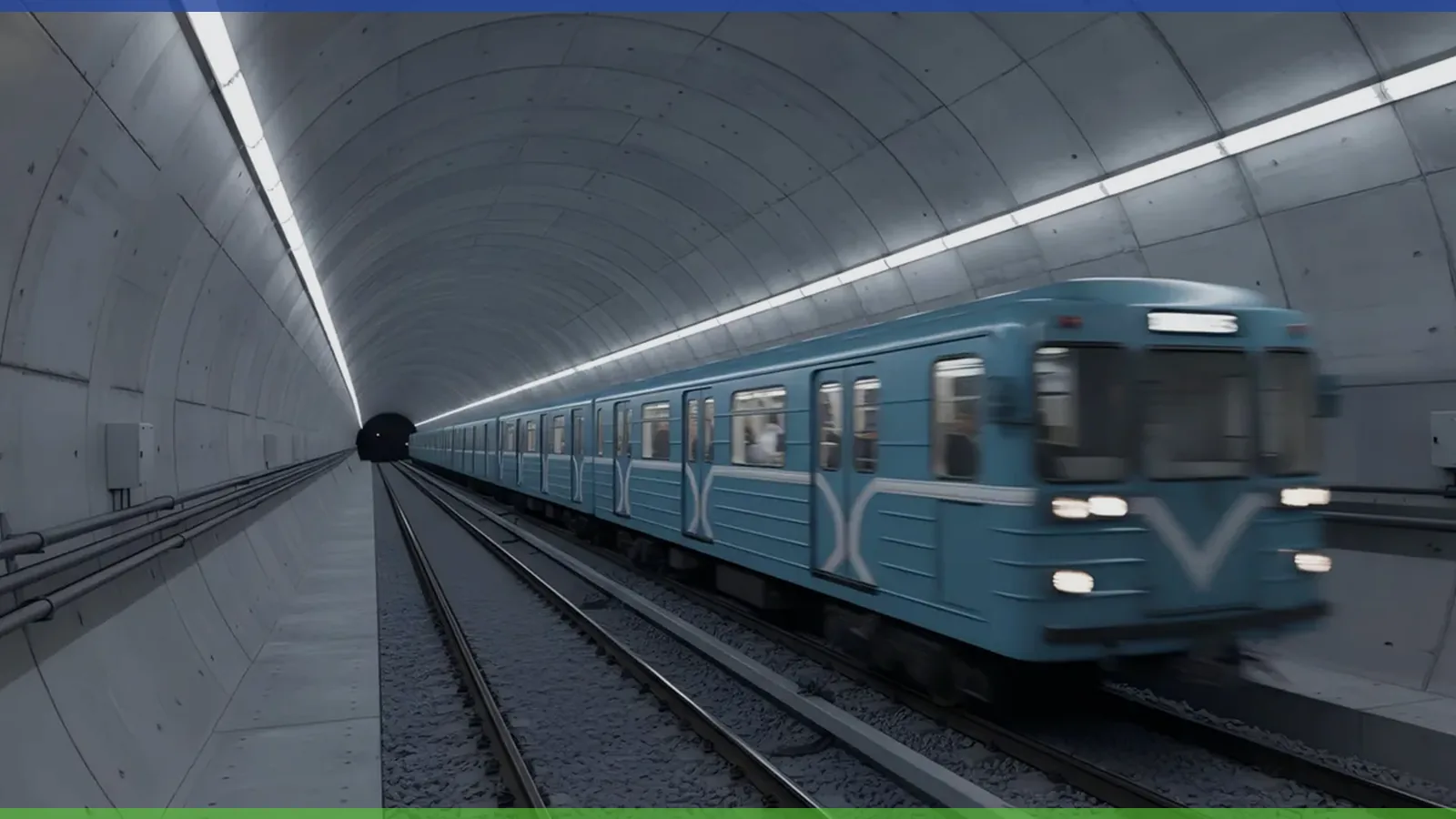
For a buyer, the correct question is not “Do we need IK or IP?” It is “Which failure reaches the fixture first?” A car park can need impact resistance near ramps and columns but also IP protection against humidity and pressure washing. A food-processing area can need washdown sealing, cleanable surfaces, and protection against trolley contact. A tunnel or temporary work site can need impact resistance plus cable-entry protection and safe maintenance access.
A high IK number can hide a weak installation detail
The impact rating applies to the tested enclosure. It may not prove that the installed system is protected if brackets, suspension points, conduit entries, cable glands, or emergency battery compartments remain weak. A luminaire mounted too low in a loading bay may be struck on its end cap rather than the tested lens. A suspended linear fixture may swing under impact, changing the stress path. A wall-mounted fixture may be hit at a corner where the report did not focus.
This is why project teams should map impact direction before purchasing. Ask where forklifts, carts, cleaning equipment, sports balls, hand tools, public contact, and maintenance lifts can touch the fixture. Then ask whether the IK evidence covers the same surface. If the impact path is from the side, do not rely only on a front-lens claim.
How to Choose an IK Rating by Site Risk
Use the exposure map before choosing IK08, IK09, or IK10
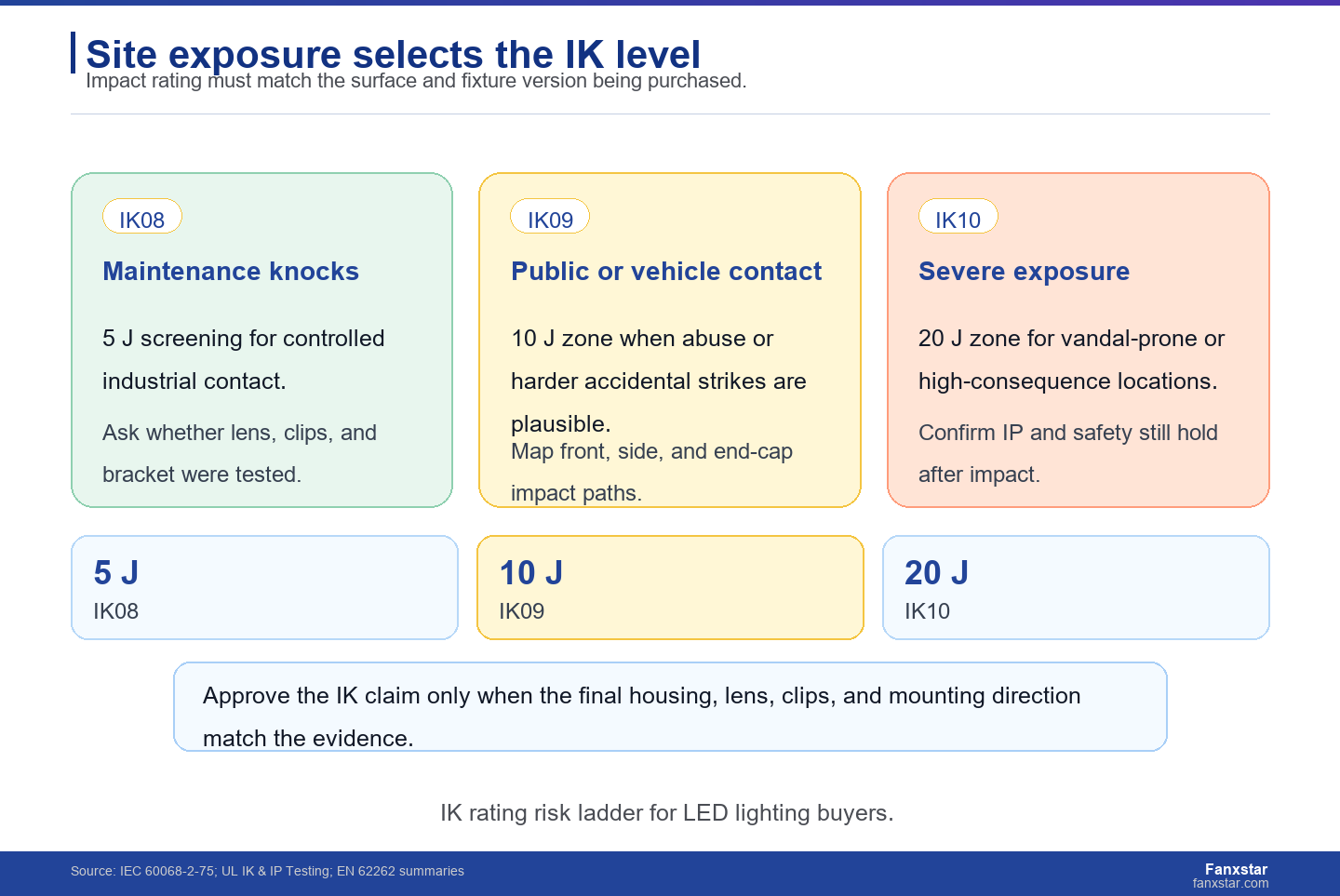
Stratasys lists IK08 as 5 J, IK09 as 10 J, and IK10 as 20 J in its impact-protection reference. Those figures are a useful buyer shorthand, but they still need a project interpretation. IK08 may be reasonable where accidental maintenance knocks or light tool contact are the main risks. IK09 may be a better discussion point where public access, repeated contact, or harder object strikes are plausible. IK10 becomes relevant when the buyer expects severe abuse or needs stronger vandal-resistance language.
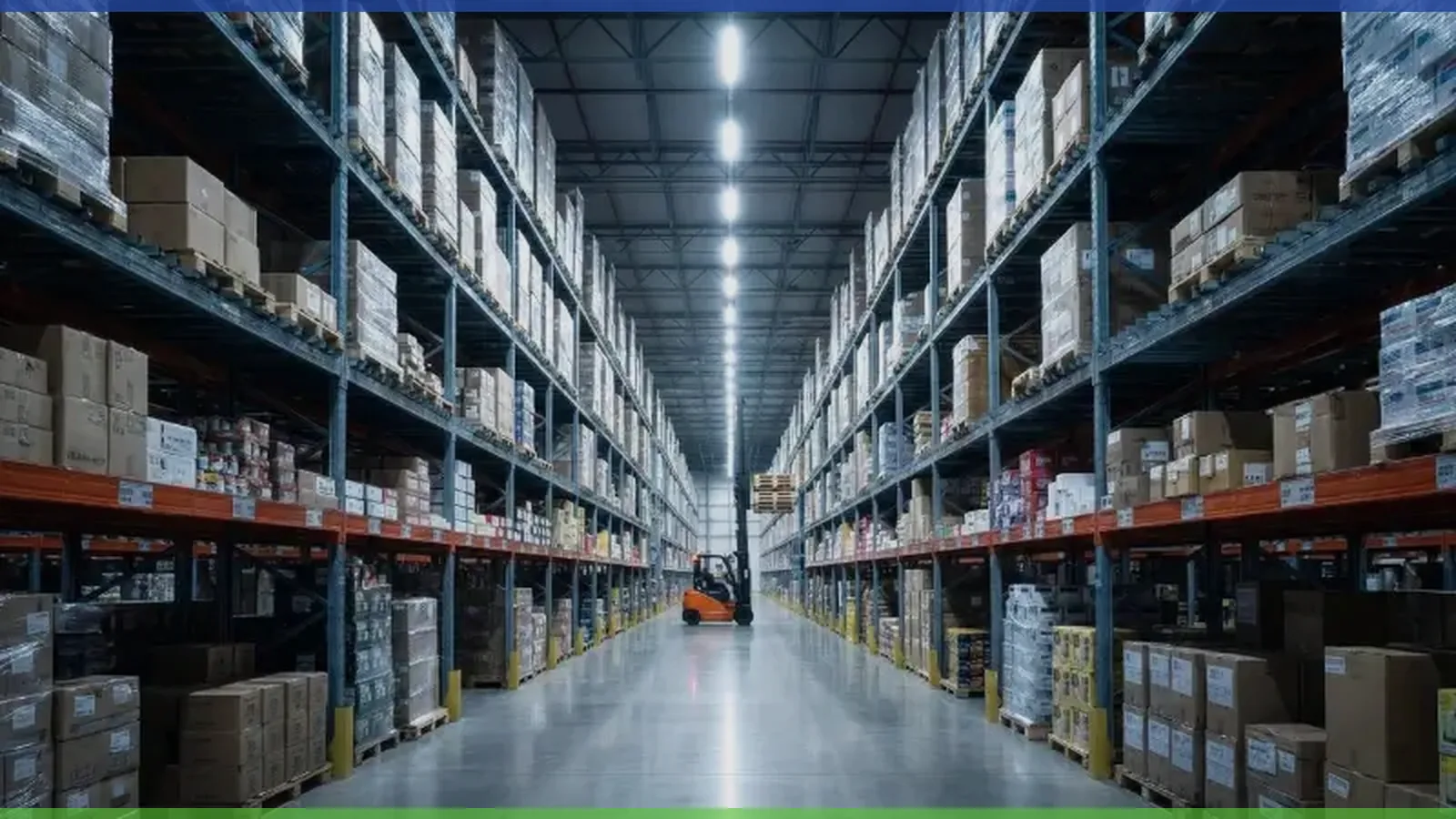
The exposure map should divide the building into zones. Ceiling height, fixture reachability, public access, vehicle movement, cleaning method, and maintenance frequency all change the decision. A high-bay fixture above a warehouse aisle may face less direct impact than a low-mounted corridor fixture, even if the warehouse is more industrial. A parking garage stairwell may be less chemically aggressive than a food plant but more vulnerable to deliberate abuse. The site, not the brochure, should choose the rating.
Impact protection does not remove optical and thermal trade-offs
Impact-resistant materials can affect optical transmission, haze, UV behavior, weight, heat, and serviceability. A thick diffuser may protect the LED board but reduce optical efficiency or change beam distribution. A stronger housing may be heavier and require different mounting hardware. A protective guard may add shadowing or collect dirt. These are not reasons to avoid impact protection; they are reasons to test the final configuration before approving mass production.
Keystone Compliance describes IEC 62262 testing as a way to classify degrees of enclosure protection against external mechanical impacts. Its IEC 60068-2-75 summary also emphasizes standardized hammer methods for impact severity. The buyer takeaway is that lab classification is a disciplined evidence layer, but project design still decides where the impact is likely to happen and whether the fixture remains safe and maintainable afterward.
RFQ Evidence Buyers Should Request
Write the impact requirement into the specification
A useful RFQ does not merely ask for “IK10 lights.” It says where the fixture will be installed, what may strike it, whether the impact is front, side, or end-cap exposure, whether the site is wet or corrosive, and whether the same product must preserve IP rating after normal service handling. The supplier can then recommend the appropriate platform, diffuser, clip, bracket, and cable-entry design.
The evidence request should include the IK rating, tested model or family, test standard basis, tested material, photos or report extract, and any variant limits. If the project uses a custom lens, sensor window, emergency pack, through-wiring, or different mounting bracket, ask whether the evidence still applies. If the supplier cannot answer, treat the sample as a new configuration that needs review.
Release the sample only after impact risk and sealing risk agree
Lighting failures rarely respect category boundaries. A cracked lens can cause glare, ingress, contamination, or a maintenance hazard. A bent bracket can create vibration, reduce aim, or stress wiring. A damaged cable gland can turn an IP-rated product into a field failure. For wet, dusty, or corrosive environments, pair IK evidence with the IP and material decisions covered in Fanxstar’s weatherproof LED lighting guide and relevant LED weatherproof light platforms.
For procurement teams, the release rule is simple: do not approve a high-IK label unless the final BOM, mounting method, and site exposure are visible in the evidence package. A rating is valuable only when the buyer can connect it to a real failure path.
One more practical control is a sample-abuse log. Before approving the pre-production sample, record where the sample was hit or stressed, what changed visually, whether the cover still closes evenly, whether the gasket remains seated, whether screws or clips loosened, and whether the light still meets the required appearance standard. This does not replace laboratory testing, but it forces the buyer and supplier to discuss the same physical evidence. It also helps future maintenance teams understand which parts are service items and which parts are impact-critical.
Fanxstar Application Fit
Fanxstar’s work in weatherproof LED lighting, vapor tight LED fixtures, and linear lighting platforms makes IK discussion practical for buyers who need sealed, serviceable, and configurable luminaires rather than a one-size-fits-all fixture. For parking, food processing, warehouse, tunnel, and utility-corridor projects, impact risk should be reviewed together with IP rating, diffuser material, cable entry, emergency option, sensor position, and maintenance access.
When a project needs a modified housing, optics, sensor, wiring, or bracket, use Fanxstar’s custom LED lighting design options as the starting point. The right sample request should name the impact zone, cleaning exposure, mounting height, and approval market. That gives the engineering team enough context to decide whether an existing platform is suitable, whether a small configuration change is enough, or whether the impact requirement conflicts with another project constraint.
FAQ
Is IK10 always better than IK08 for LED lights?
No. IK10 provides a stronger impact classification, but it may add cost, weight, optical trade-offs, or unnecessary enclosure changes. If the fixture is high-mounted and not exposed to abuse, IK08 or another appropriate level may be more rational. Choose by site exposure and evidence match.
Does an IK rating prove a light is waterproof?
No. IK addresses mechanical impact. IP addresses ingress protection from solids and water. A fixture can have strong impact resistance and weak sealing, or strong sealing and weak impact resistance. Harsh sites often need both types of evidence.
Can a supplier use one IK report for many product variants?
Only when the tested construction still represents the purchased configuration. Different lenses, clips, covers, sensor windows, brackets, or emergency modules can change impact behavior. Ask the supplier to confirm the variant boundary in writing.
What should a buyer inspect after an IK sample test?
Look for cracks, cover separation, clip deformation, sharp edges, damaged cable entries, compromised sealing, optical distortion, and unsafe access to live or sensitive parts. The post-impact condition matters as much as the rating number.
Where does IK matter most in commercial lighting?
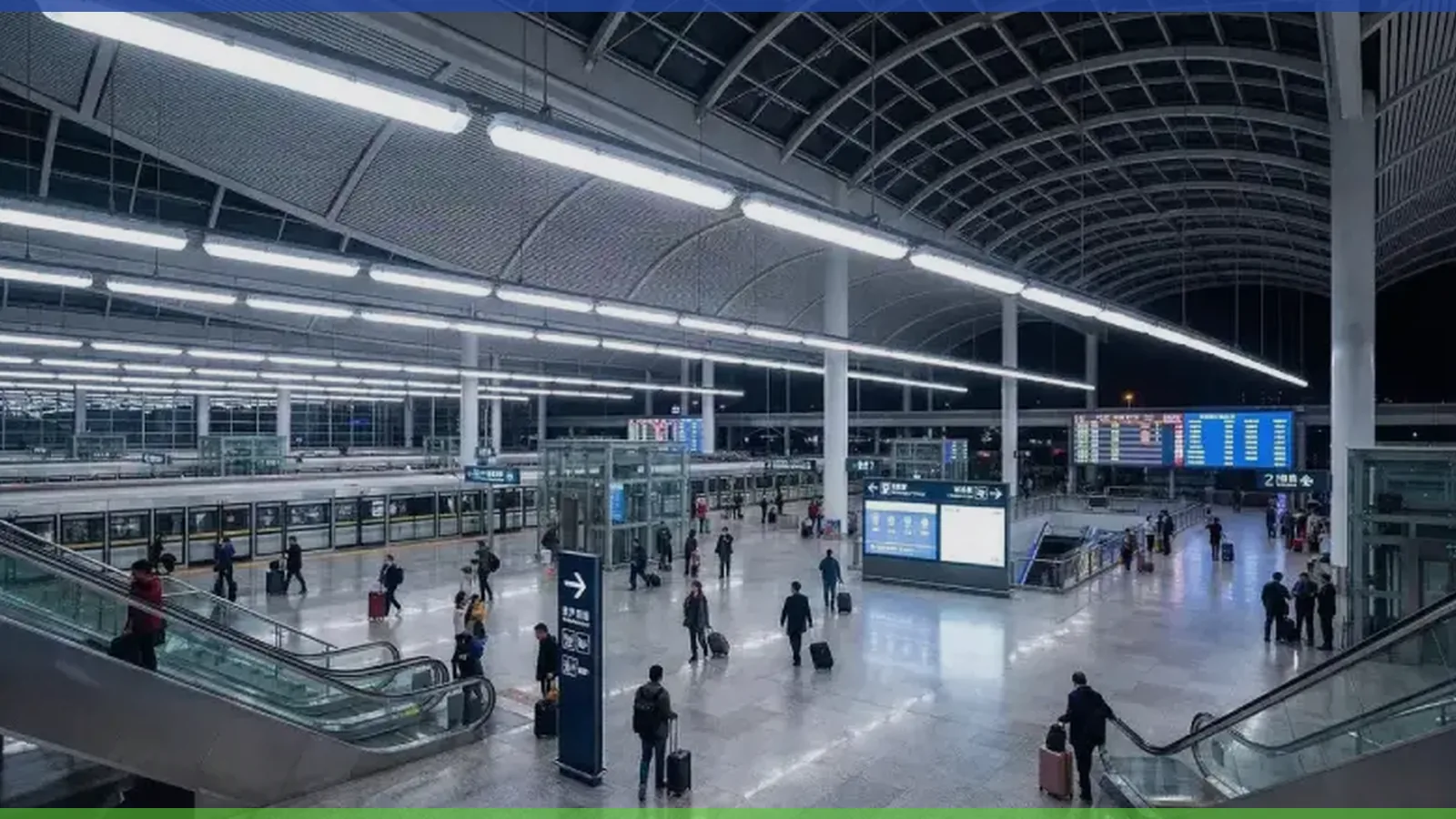
It matters most where fixtures are reachable, publicly exposed, or close to moving equipment: parking garages, transport areas, tunnels, school corridors, sports-adjacent areas, loading docks, maintenance rooms, and industrial washdown zones.