In the world of industrial electronics and high-performance lighting, selecting the right Printed Circuit Board (PCB) substrate is not merely a technical choice—it is a critical financial decision. Material costs typically account for a significant portion of the total Bill of Materials (BOM). While FR4 remains the standard-bearer for general-purpose electronics due to its cost-efficiency, the rise of high-power LED systems and electric vehicle (EV) components has propelled aluminum substrates into the spotlight. Understanding the nuanced cost-to-performance ratio between these two materials is essential for engineers and procurement specialists aiming to balance reliability with budget constraints.
Key Takeaways
-
FR4 is the Cost Leader: Ideal for low-to-medium power applications, FR4 offers the lowest upfront manufacturing costs but may require expensive secondary cooling systems.
-
Aluminum Excels in Thermal Management: Although raw material costs are higher, aluminum PCBs significantly reduce component operating temperatures, potentially doubling the lifespan of LEDs and power transistors.
-
Total Cost of Ownership (TCO): For high-heat environments, the higher initial investment in aluminum can be offset by eliminating heat sinks and reducing warranty claims.
-
Application Synergy: Standardize on FR4 for logic boards and control circuits; utilize aluminum for power stages and LED light engines to maximize efficiency.

Fundamental Material Breakdown
FR4: The Versatile Standard
FR4 (Flame Retardant 4) is a composite material composed of woven fiberglass cloth with an epoxy resin binder that is flame resistant. It is the backbone of the global electronics industry. The primary reason for its dominance is the mature manufacturing ecosystem. Since almost every PCB house is optimized for FR4, the economies of scale are unparalleled.
However, from a thermal perspective, FR4 is an insulator. Its thermal conductivity is typically around 0.25 W/m.K. In high-power applications, this creates a “heat bottleneck,” where thermal energy generated by components like LEDs or MOSFETs remains trapped in the board, leading to premature failure or “thermal throttling.”
Aluminum Substrates (Metal Core PCBs)
Often referred to as MCPCBs (Metal Core PCBs), aluminum substrates are designed specifically for heat dissipation. The board consists of three distinct layers:
-
Circuit Layer: A copper foil layer similar to standard PCBs.
-
Dielectric Layer: The most critical part—a thermally conductive but electrically insulating polymer layer.
-
Base Layer: A thick aluminum plate (typically 5052 or 6061 alloy) that acts as a primary heat sink.
This construction allows aluminum PCBs to achieve thermal conductivity ratings of 1.0 W/m.K to 3.0 W/m.K or higher, which is over 10 times more effective than FR4.
|
Property |
Standard FR4 |
High-Performance Aluminum |
|---|---|---|
|
Thermal Conductivity |
0.25 – 0.3 W/m.K |
1.0 – 5.0 W/m.K |
|
Dielectric Strength |
High (Excellent Insulator) |
Moderate (Depends on Dielectric Layer) |
|
Mechanical Rigidity |
Moderate (Can be brittle) |
Excellent (High impact resistance) |
|
Cost Factor |
1.0 (Baseline) |
2.5 – 4.0 (Typical) |
The Financial Impact: A Deep Dive into Cost Factors
1. Raw Material Procurement
The price of copper-clad laminates for FR4 is heavily influenced by global epoxy resin and fiberglass prices. In contrast, aluminum PCB pricing is sensitive to the aluminum commodity market. A standard 1.6mm aluminum base is significantly more expensive than a 1.6mm FR4 core because the metal itself is a higher-value commodity and requires specialized milling and surface treatment to ensure proper bonding with the dielectric layer.
2. Manufacturing Complexity
Manufacturing aluminum PCBs requires specialized equipment. For instance, standard V-scoring and routing bits used for FR4 will dull rapidly when cutting through aluminum. Many factories use diamond-tipped tools or laser cutting for aluminum, which adds to the machine-time cost. Furthermore, aluminum PCBs are typically single-sided or double-sided. Creating multi-layer aluminum PCBs is technically challenging and exponentially more expensive, whereas multi-layer FR4 (4, 6, or 8 layers) is a standard, low-cost process.
3. The ‘Hidden’ Savings of Aluminum
When analyzing PCB material cost optimization, one must look beyond the board itself. In a high-power LED luminaire, using an FR4 board might require a separate extruded aluminum heat sink, thermal interface materials (TIM), and mechanical fasteners. By switching to an aluminum substrate, the board becomes its own heat sink. This “system-level” approach can often result in a lower total product cost despite the higher PCB price.
Performance-Driven Cost Analysis
In industrial environments, failure is the most significant cost. A factory downtime incident caused by a failed light fixture can cost thousands of dollars per hour. This is where the reliability of aluminum substrates provides a massive financial hedge. Thermal stress is the leading cause of Solder Joint Fatigue. Because aluminum has a different Coefficient of Thermal Expansion (CTE) than FR4, and because it moves heat away from the solder joints faster, it significantly reduces the risk of intermittent connections in high-cycle thermal environments.
Real-World Scenario: LED High-Bay Lighting
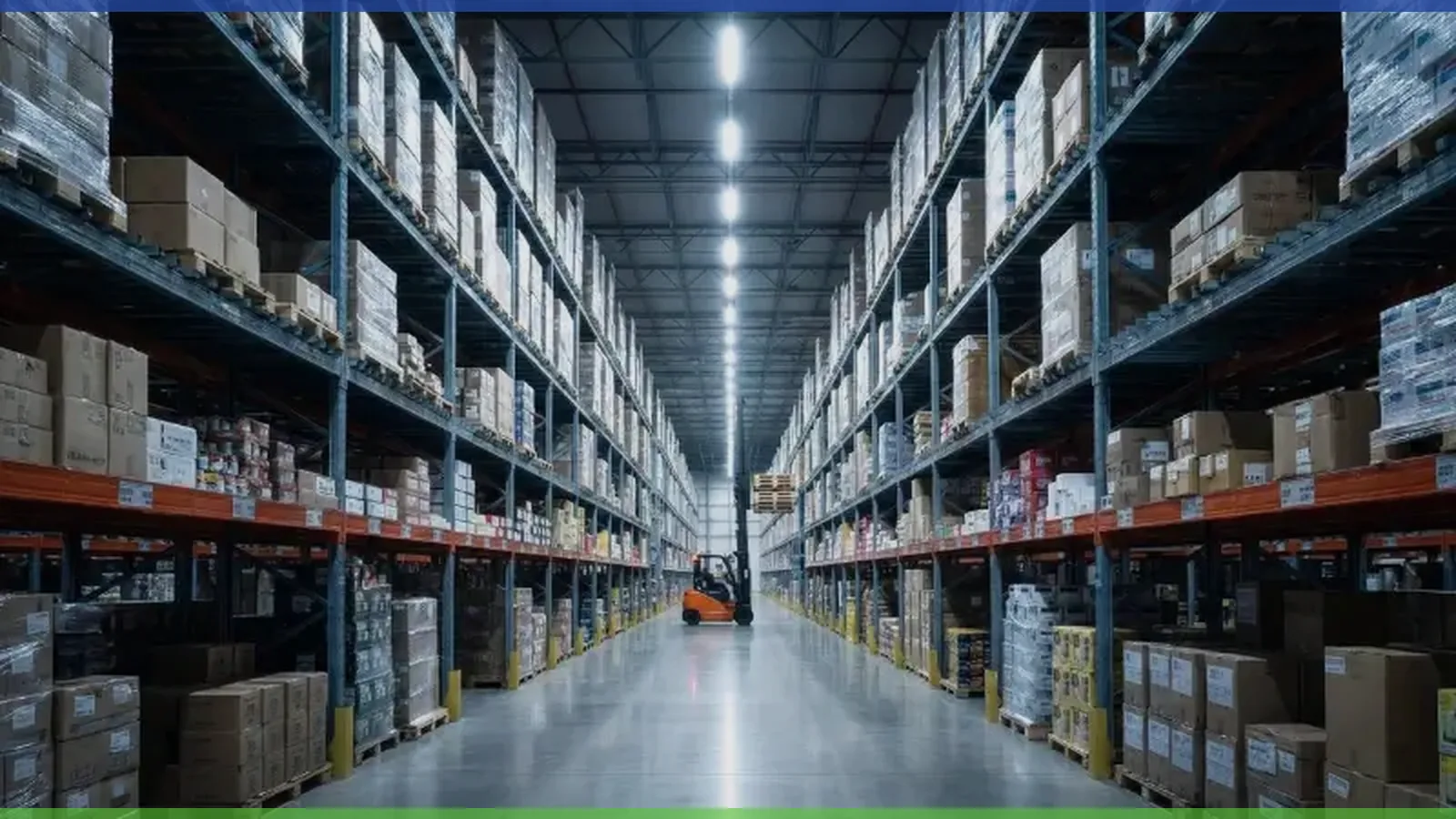
Consider a 200W industrial high-bay light. Using FR4, the junction temperature of the LEDs might reach 95’C, leading to a lumen depreciation (L70) at 30,000 hours. By utilizing a high-conductivity aluminum substrate, the junction temperature could drop to 75’C, extending the L70 life to 60,000 hours. For a warehouse operator, this effectively halves the replacement and labor costs over a 10-year period.
Strategies for Cost Optimization
-
Hybrid Designs: Use small aluminum “sub-boards” for the high-heat LEDs and connect them via ribbon cables to a larger, cheaper FR4 control board.
-
Panelization Efficiency: Aluminum substrates are often more difficult to “snap” out of a panel. Designing for efficient V-scoring can reduce waste and lower the per-board cost by 10-15%.
-
Dielectric Selection: Do not over-specify thermal conductivity. If 1.5 W/m.K is sufficient for your thermal load, choosing a 3.0 W/m.K dielectric will add unnecessary cost without providing tangible reliability gains.
Conclusion
The choice between FR4 and Aluminum is not a binary one of ‘cheap vs. expensive.’ It is a strategic decision based on the thermal profile of your application. For low-density circuits and consumer electronics, FR4’s cost-effectiveness is unbeatable. However, for industrial-grade LED lighting and power conversion, aluminum substrates are a necessary investment that pays for itself through enhanced performance, simplified mechanical design, and long-term reliability.
Frequently Asked Questions (FAQ)
Is it possible to make a 4-layer Aluminum PCB?
While technically possible, it is extremely rare and expensive. Most aluminum PCBs are 1 or 2 layers. For complex circuits requiring many layers, engineers typically use FR4 and implement thermal vias or heavy copper layers to manage heat.
Can I use standard solder for Aluminum PCBs?
Yes, the circuit layer is made of copper, so standard soldering processes (Reflow or manual) work perfectly. However, the aluminum base acts as a giant heat sink during soldering, so you may need higher pre-heat temperatures or specialized reflow profiles.
Does Fanxstar use Aluminum substrates in all products?
We select the material based on the specific requirements of the luminaire. For our high-output industrial fixtures and tri-proof lights, we prioritize aluminum substrates to ensure maximum heat dissipation and longevity in harsh environments.
How does humidity affect FR4 vs Aluminum?
FR4 has a low but measurable moisture absorption rate (approx 0.1%), which can affect dielectric properties in extreme humidity. Aluminum is non-porous and highly resistant to moisture, making it more stable in damp industrial or outdoor settings.