Key Takeaways
-
Proactive beats Reactive: Shifting to data-driven predictive maintenance can reduce overall costs by 18-25% and extend asset lifespan.
-
Tech is the Driver: IoT sensors and AI drones slash inspection costs by up to 80% by eliminating hazardous manual labor.
-
Modular Design Saves Money: Tool-free modular fixtures allow for rapid component swaps, minimizing lane closures and labor time.
-
Safety = Savings: Technologies that keep personnel out of confined spaces reduce insurance premiums and accident liability.
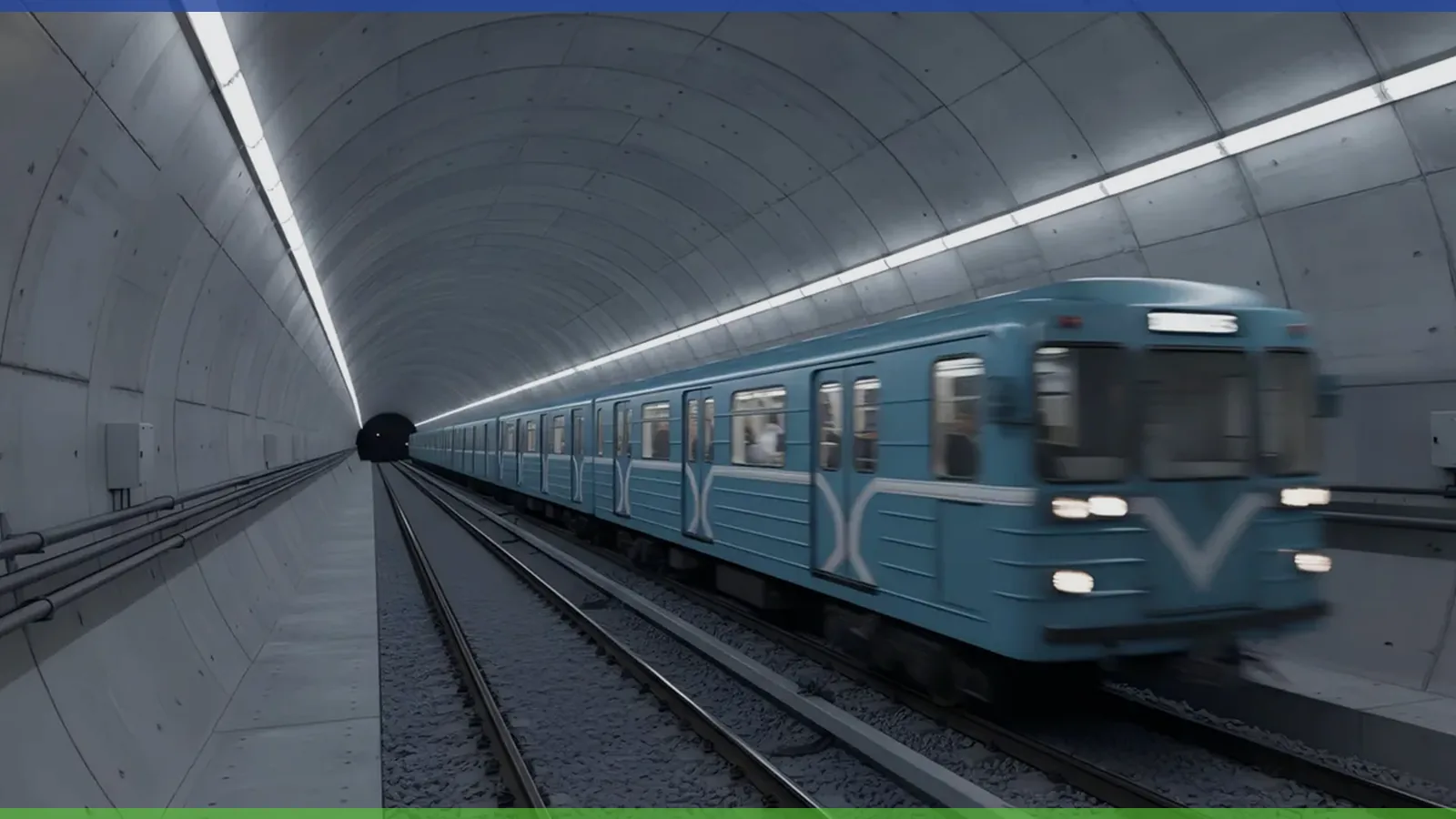
Maintaining tunnels, particularly their most inaccessible sections, represents one of the most complex financial burdens in infrastructure management. The challenges are deeply rooted in stringent safety protocols (like compressed air work) and the logistical nightmare of accessing subterranean environments.
Why Maintenance is So Costly: The Hidden Drivers
The single greatest contributor to high costs is the extensive safety measures required for human workers. Regulations severely limit work time in confined or pressurized spaces, leading to:
-
Exorbitant Labor Costs: High hazard pay and limited productive hours.
-
Operational Disruption: Full tunnel closures for simple inspections kill productivity.
-
Reactive Repair Cycles: Waiting for failure leads to complex emergency repairs that cost 3-4x more than preventive work.
Strategy 1: Leverage IoT for Predictive Maintenance
The paradigm is shifting from “fix it when it breaks” to “fix it before it breaks.” IoT sensors placed in hard-to-reach areas monitor vibration, humidity, and temperature 24/7.
The ROI: Predictive maintenance eliminates unnecessary scheduled checks and prevents catastrophic failure. Studies show this can reduce maintenance costs by 18-25%.
Strategy 2: Automated Drone Inspections
Inspecting high ceilings and ventilation shafts traditionally requires scaffolding. Now, AI-powered drones can capture high-res data without a single worker leaving the ground.
|
Operation |
Traditional Cost |
Drone Cost |
Savings |
|---|---|---|---|
|
Full Survey |
$5,000-8,000 |
$1,500-2,500 |
~70% |
|
Routine Check |
$3,000-5,000 |
$800-1,200 |
~80% |
Strategy 3: Modular and Tool-Free Hardware
When physical intervention is necessary, speed is currency. Modular lighting fixtures with tool-free access allow technicians to swap out a faulty driver or LED module in seconds rather than minutes.

This “plug-and-play” approach reduces the time crews spend in hazardous zones, directly lowering labor costs and lane closure times.
Strategy 4: Risk-Based Investment Framework
Don’t maintain everything equally. Adopt a risk-based model (like the one used by Oregon DOT) to prioritize assets based on the consequence of failure. Direct your budget to the critical 20% of assets that cause 80% of the risk.
Building a Long-Term Plan: 5 Steps
-
Digital Inventory: Create a centralized digital twin of all tunnel assets.
-
Risk Ranking: Prioritize assets based on failure probability and impact.
-
Deploy Tech: Install smart sensors and schedule drone surveys.
-
Optimize Labor: Use modular hardware to maximize crew productivity during short windows.
-
Future-Proof: Align repairs with long-term decarbonization and regulatory goals.
FAQ
What is the biggest cost in tunnel maintenance?
Labor and access. Specialized crews, safety protocols for confined spaces, and the equipment needed to reach high areas consume the majority of the budget.
How does modular lighting save money?
It allows for rapid, tool-free component replacement. Instead of replacing a whole fixture, a worker can snap in a new module in seconds, drastically cutting labor time.
Are drones accurate enough for tunnel inspection?
Yes. Modern drones use LiDAR and thermal imaging to detect micro-cracks and water ingress often missed by the human eye, providing superior data quality.
What is predictive maintenance?
It uses data from sensors to predict when equipment will fail, allowing you to fix it just in time. This avoids the waste of “too early” scheduled maintenance and the high cost of emergency repairs.