In the industrial lighting sector, the polycarbonate (PC) diffuser is much more than a simple plastic cover; it is a critical optical component that manages light distribution, thermal dissipation, and mechanical protection. Project managers and engineers often grapple with a fundamental question: Why does a 0.5mm difference in thickness drastically alter the unit price and performance profile of a luminaire?
Polycarbonate diffuser thickness is a primary determinant of a product’s Mechanical Integrity and Luminous Efficacy. While a standard market-grade sheet might range between 0.3mm and 0.5mm for decorative use, industrial-grade applications demand thicknesses that support high IK impact ratings and long-term UV stability. Understanding the physics behind these material choices is essential for optimizing ROI in large-scale installations.
Key Takeaways
-
Mechanical Strength: Thickness directly correlates with IK ratings (IK08 to IK10), critical for industrial safety.
-
Optical Efficiency: Thicker diffusers improve “haze” (light scattering) but require premium additives to maintain high light transmission.
-
Thermal Management: Higher-gauge PC sheets offer better dimensional stability under the heat generated by high-wattage LEDs.
-
Cost Drivers: Material volume is only one factor; cooling times in production and additive concentrations (UV/Flame retardants) scale with thickness.
-
Longevity: Thicker, high-grade PC prevents the “yellowing effect” and brittleness caused by prolonged environmental exposure.
Material Science: Why Polycarbonate Reigns Supreme
Polycarbonate vs. Acrylic (PMMA)
When selecting an optical cover, engineers typically choose between Polycarbonate and Acrylic. While Acrylic (PMMA) offers slightly higher natural light transmission (approx. 92%), it is notoriously brittle. In contrast, Polycarbonate is nearly 250 times more impact-resistant than glass and 30 times stronger than Acrylic. This inherent toughness is why PC is the standard for Tri-proof lights used in parking garages and warehouses.
Thermal and Flame Resistance
Polycarbonate exhibits a high glass transition temperature, maintaining structural stability up to 120 degrees Celsius. In the context of “Polycarbonate Diffuser Thickness,” a thicker sheet provides a better thermal buffer. Furthermore, high-quality PC diffusers are often required to meet UL 94 V-0 fire ratings. Thicker material allows for a more effective concentration of flame-retardant additives without compromising the transparency of the lens.
The Physics of Thickness: Impact on Quality
1. Mechanical Integrity and IK Ratings
The “IK Rating” is an international numeric classification for the degrees of protection provided by enclosures for electrical equipment against external mechanical impacts. There is a non-linear relationship between thickness and impact resistance. For instance, a 1.2mm PC diffuser can often achieve an IK08 rating, while moving to 1.5mm or 2.0mm is necessary to certify a fixture for IK10 (20 Joules of impact).
|
Diffuser Thickness (mm) |
Impact Energy (Joules) |
Achievable IK Rating |
Ideal Environment |
|---|---|---|---|
|
0.8 mm – 1.0 mm |
2.0 J – 5.0 J |
IK06 – IK07 |
Office interiors, residential corridors |
|
1.2 mm – 1.5 mm |
5.0 J – 10.0 J |
IK08 – IK09 |
Public schools, retail parking |
|
1.8 mm – 2.5 mm |
20.0 J+ |
IK10 |
Heavy industry, prisons, mining sites |
2. The “Haze” vs. Transmission Trade-off
A diffuser’s primary job is to hide “LED dots” (pixelation) and create a uniform glow. This is measured by the Haze Factor. Thicker polycarbonate naturally scatters light more effectively due to the increased distance photons must travel through the diffusing agents embedded in the plastic. However, as thickness increases, light transmission typically drops. High-quality manufacturers like Fanxstar use advanced Light Diffusion Agents (LDA) to maintain up to 88% transmission even in thicker, high-durability diffusers.
Cost Engineering: Why Thickness Drives Price
Raw Material and Production Throughput
The most obvious cost factor in “Polycarbonate Sheet Prices” is the volume of resin. However, the hidden cost lies in the Extrusion Cycle Time. Thicker PC diffusers require significantly longer cooling times during the manufacturing process to prevent warping or internal stresses. This slows down the production line, increasing the “per-hour” overhead cost of the machinery.
Additive Density: UV and Anti-Static Layers
To prevent a diffuser from turning yellow after 2 years of use, UV stabilizers must be co-extruded into the surface. In a thicker diffuser designed for outdoor or sub-zero environments, the concentration of these stabilizers must be precisely balanced. Thicker sheets often require deeper UV protection layers to ensure the core of the material doesn’t become brittle under high-energy blue light from the LEDs or external sunlight.
“Choosing a cheaper, thinner diffuser might save 15% on initial CAPEX, but if the material cracks or yellows within 24 months, the maintenance labor costs will outweigh the savings by 400%.”
Applications Based on Diffuser Gauge
Residential and Decorative (0.5mm – 1.0mm)
In DIY kitchen lighting or indoor accent strips, thickness is less about protection and more about weight. Thin diffusers are easier to cut and install but offer minimal protection against moisture ingress or physical impact.
Commercial and Healthcare (1.2mm – 1.5mm)
For office “batten” lights or hospital fixtures, a mid-range thickness is preferred. It provides enough rigidity to prevent “sagging” in long 4ft or 5ft fixtures while ensuring a soft, glare-free light that meets UGR (Unified Glare Rating) standards for workplace productivity.
Industrial and Extreme Environments (1.5mm – 2.5mm)
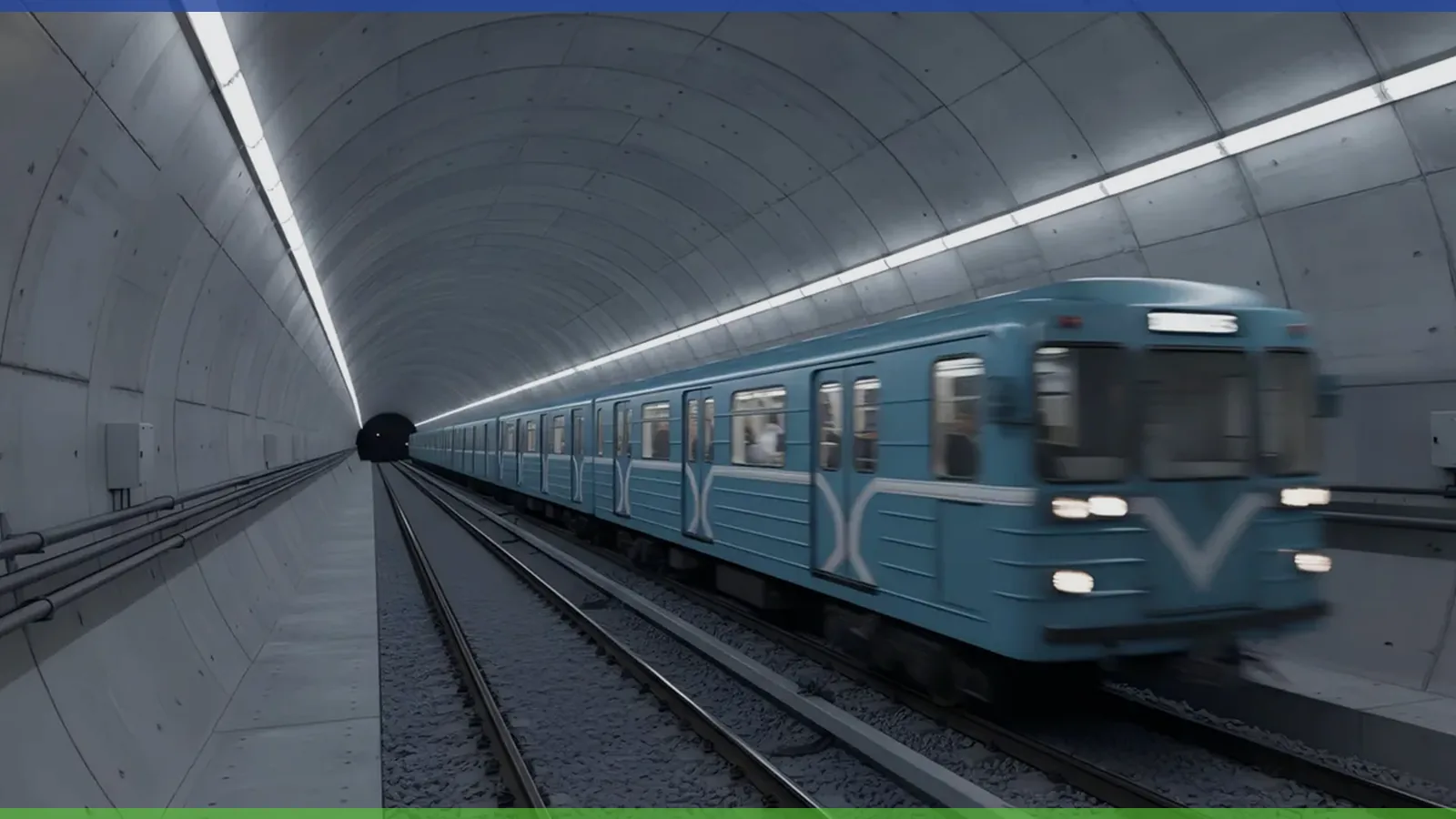
In food processing plants, chemical warehouses, and tunnels, the TPA-rated diffuser becomes a safety requirement. These thick-gauge diffusers are often reinforced with internal ribs to withstand high-pressure water jets (IP69K) and heavy vibrations.
Total Cost of Ownership (TCO) Analysis
When evaluating “Polycarbonate Sheet Prices,” savvy buyers look at the 10-year TCO. A thin, low-quality diffuser has a high probability of failure due to thermal expansion and contraction. Over time, heat from the LED board causes thin plastic to “bow,” breaking the waterproof seal and leading to driver failure. Investing in a thicker, high-performance PC diffuser ensures the luminaire remains IP-rated and visually consistent for its entire 50,000-hour rated life.
|
Feature |
Standard Diffuser (Thin) |
Premium Diffuser (Thick) |
|---|---|---|
|
Luminous Uniformity |
Visible hotspots (LED dots) |
Perfectly smooth “glow” |
|
Dimensional Stability |
May warp over 40°C |
Stable up to 100°C+ |
|
UV Life Expectancy |
1-3 years before yellowing |
7-10+ years with co-extruded UV |
|
Total Value |
Low (High replacement risk) |
High (Set-and-forget durability) |
Conclusion: Optimizing Your Specification
The optimal polycarbonate diffuser thickness is not always the “thickest possible,” but rather the one that aligns with the environmental risks of your project. For modern industrial lighting, a thickness of 1.2mm to 1.5mm represents the “sweet spot” where optical efficiency and mechanical toughness intersect. By prioritizing high-grade resins and certified thickness tolerances, facility managers can significantly reduce their long-term operational costs.
Expert Advice for Buyers:
-
Verify IK Certification: Always ask for the test report corresponding to the specific diffuser thickness.
-
Check Haze vs. Transmission: Ensure the manufacturer isn’t sacrificing too much light (Lumens) just to hide LED dots.
-
Thermal Testing: Ensure the thicker PC sheet is rated for the ambient temperature of your specific facility.
FAQ
1. Does a thicker diffuser always mean less light?
Not necessarily. While a thicker medium generally increases absorption, high-end “optical grade” PC resins use micro-bead technology that scatters light without trapping it. Premium 1.5mm diffusers can actually outperform cheap 0.8mm diffusers in total Light Output Ratio (LOR).
2. Why is my polycarbonate diffuser turning yellow?
This is usually due to “Photo-oxidation.” UV light (either from the sun or the LEDs themselves) breaks the polymer chains. This happens much faster in thin diffusers that lack a dedicated UV-stabilized co-extrusion layer.
3. Is a thicker diffuser better for waterproof (IP-rated) lights?
Yes. A thicker diffuser provides a more rigid mating surface for the silicone gaskets. Thinner diffusers can flex under thermal stress, creating microscopic gaps where moisture can enter, eventually killing the light.
4. Can I recycle thick polycarbonate diffusers?
Polycarbonate is a thermoplastic (Code 7) and is fully recyclable. Because it is highly durable, it is often recovered and shredded into “regrind” for non-optical automotive or construction parts.
5. How do I choose between a clear and a frosted thick diffuser?
Clear diffusers are for maximum light reach in high-ceiling warehouses where glare isn’t an issue. Frosted/Opal thick diffusers are essential for low-ceiling workspaces to protect worker eyes from “retina burn” and improve visual comfort.