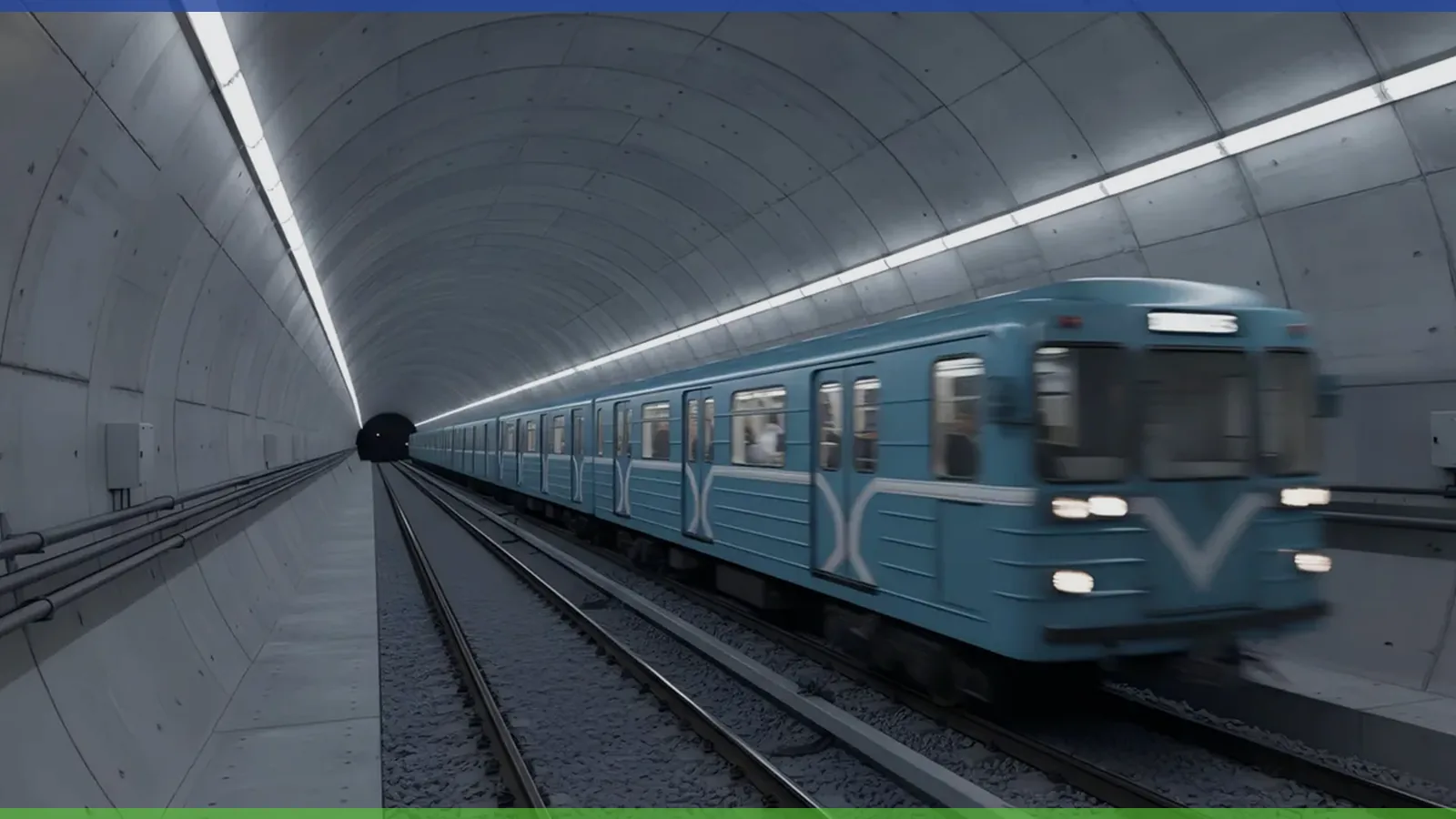
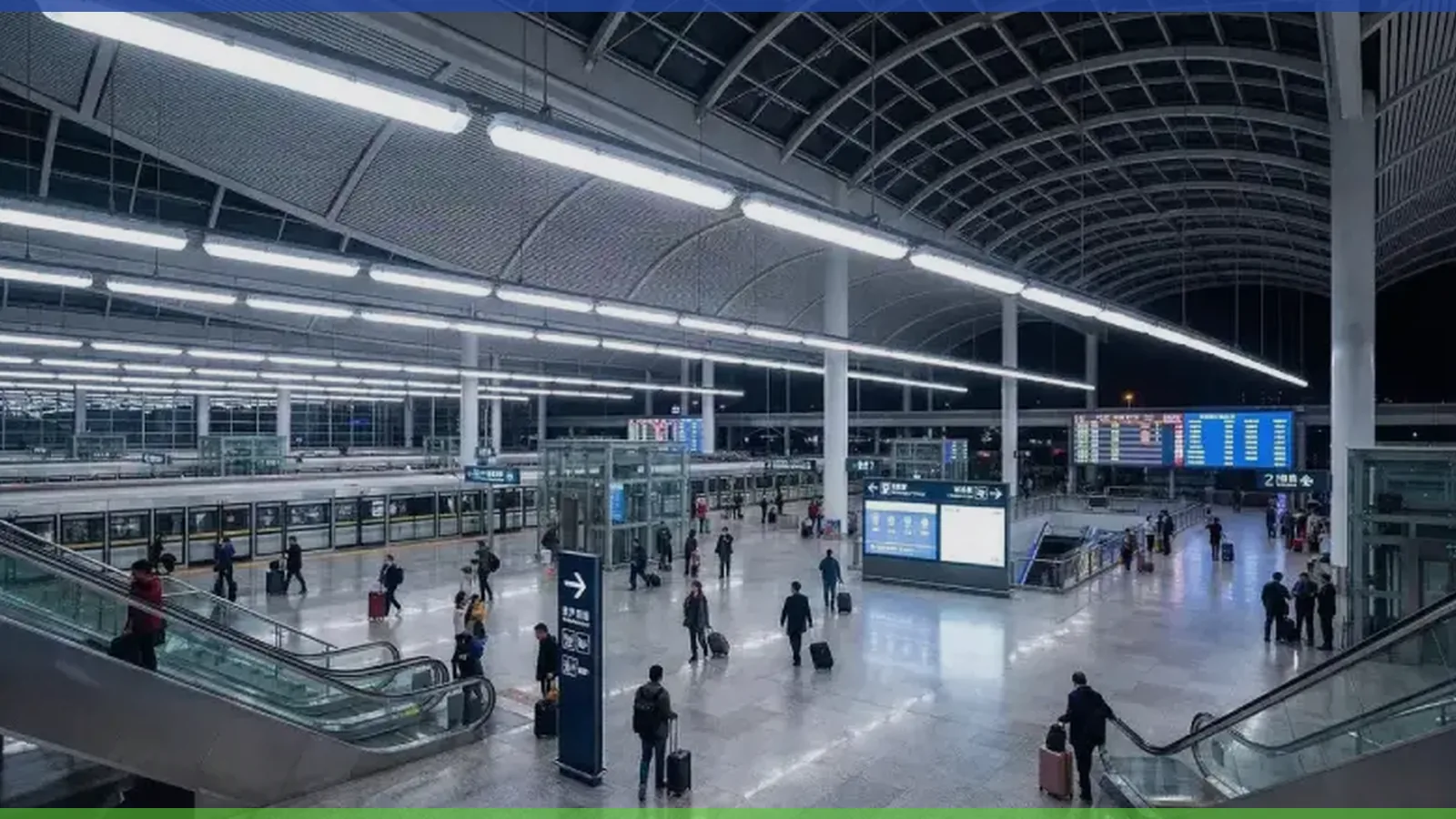
In the high-stakes environment of underground transit—including subways, rail tunnels, and pedestrian underpasses—fire safety is the primary engineering priority. When a fire occurs in a confined subterranean space, the risks of smoke inhalation, toxic gas accumulation, and rapid flame spread are magnified. Luminous infrastructure plays a double role: it must provide the visibility required for safe evacuation while ensuring the fixtures themselves do not become fuel for the fire. This guide details the critical role of TP(a) rated diffusers and high-performance thermoplastics in modern transport safety protocols.
Key Takeaways
-
Flame Retardancy: TP(a) rated diffusers are self-extinguishing within 5 seconds, preventing the spread of fire along ceiling infrastructures.
-
Material Compliance: Polycarbonate (PC) over 3mm thick is the industry standard for achieving the TP(a) classification required for unrestricted transit use.
-
Evacuation Support: High-performance optics improve lighting uniformity, ensuring emergency exits and pathways remain visible through dense smoke.
-
Durability Benchmarks: Combining TP(a) flammability with IK10 impact and IP66 ingress protection ensures hardware longevity in harsh tunnel environments.
-
Standardization: Adherence to NFPA 130 and UL 94V-0 is non-negotiable for large-scale underground infrastructure projects.
Understanding TP(a) vs. TP(b) Classifications
The “Thermoplastic” (TP) rating system classifies how materials used in lighting diffusers react to heat and flames. For underground transport, selecting the correct grade is a matter of legal compliance and passenger protection.
TP(a) Rating: The Gold Standard
Materials rated as TP(a) must either self-extinguish within five seconds after the removal of a flame or be made of polycarbonate that is at least 3mm thick. This rating allows for the unrestricted use of the diffuser across the entire ceiling area of an underground station or tunnel. Because these materials do not produce flaming droplets, they significantly reduce the risk of secondary fires on the floor level.
TP(b) Rating: Restricted Application
TP(b) materials burn at a rate of no more than 50mm per minute. Due to this lower resistance, their use is strictly limited in building regulations. They cannot be used in “protected escape routes” and are subject to maximum area restrictions in general circulation zones. For high-occupancy transit hubs, TP(b) is generally avoided in favor of the safer TP(a) alternative.
|
Metric |
TP(a) Rated Diffuser |
TP(b) Rated Diffuser |
|---|---|---|
|
Fire Reaction |
Self-extinguishes < 5s |
Slow Burn (<50mm/min) |
|
Material Basis |
PC > 3mm or specialized additives |
Standard PC or Acrylic |
|
Ceiling Coverage |
Unrestricted |
Limited Area % |
|
Safety Suitability |
Emergency & Escape Routes |
Low-risk general areas |
The Criticality of 94V-0 Polycarbonate
In technical specifications for transit lighting, you will often see the UL 94V-0 rating alongside TP(a). Polycarbonate is the preferred material for these applications because it combines extreme impact resistance with inherent molecular stability. A 94V-0 rating confirms that the material will stop burning within 10 seconds on a vertical specimen, with no drips of flaming particles allowed.
According to data from tunnel lighting research, the use of high-transmission polycarbonate ensures that even while being fire-resistant, the diffuser maintains up to 88% light transmission. This balance of safety and performance is vital for providing the 5 to 10 foot-candles of illumination required in tunnel work zones.
Primary Hazards in Underground Transport Systems
Designing fire-safe environments requires mitigating the unique risks of “closed-loop” transit systems:
-
Limited Ventilation: Smoke buildup is the primary cause of fatalities. TP(a) materials minimize the contribution of the lighting system to smoke density.
-
High Electrical Loads: Third-rail power and high-voltage cabling increase the risk of electrical faults. Vibration-tolerant, flame-retardant housings prevent fixtures from igniting during a surge.
-
The Piston Effect: Moving trains create rapid air pressure changes. Fixtures must have IK10 impact ratings to ensure the fire-rated diffusers do not dislodge and become hazards themselves.
-
High Passenger Density: Crowded platforms make rapid evacuation difficult; homogenous, glare-free light is essential to prevent trip-and-fall accidents during a panic.
Mechanical Resilience: IK10 and IP66 Integration
Fire safety is only one part of the reliability equation. Underground transit luminaires must also be “Vapor-Tight.” An IP66 rating ensures the fixture is sealed against the metallic dust and moisture common in tunnels. This sealing prevents internal electrical tracking, which is a common root cause of fixture fires.
“In underground transport, a fixture’s safety is cumulative. You cannot have fire safety without mechanical integrity. A cracked diffuser or a failed seal is an entry point for the very dust that causes electrical ignition.”
Emergency Lighting Compliance: NFPA 130 and Beyond
Emergency lighting must be integrated directly into the fire-rated housing. NFPA 130 (Standard for Fixed Guideway Transit and Passenger Rail Systems) requires emergency lighting to provide a minimum of 1.5 hours of illumination. By utilizing polycarbonate TP(a) diffusers, the emergency module stays protected long enough to facilitate a full evacuation, even if ambient temperatures in the station begin to rise.
Engineering Best Practices: Installation and Maintenance
To ensure the fire-rated system performs as intended, facility managers should adopt these professional maintenance protocols:
-
Seal Integrity Checks: Inspect foamed-in silicone gaskets biannually. If a seal fails, the fire-rating of the internal components may be compromised by dust ingress.
-
Solvent Awareness: Clean TP(a) diffusers only with pH-neutral, non-abrasive cleaners. Harsh chemicals can cause “crazing” or microscopic cracks, reducing the material’s impact resistance.
-
Automated Testing: Utilize self-diagnostic LED drivers that perform regular discharge tests. This ensures that the emergency system is 100% functional without manual labor.
-
Clear Heat Sinks: Ensure the AL6063 aluminum bases are free of debris to maintain proper thermal management, preventing the fixture from reaching the ignition temperature of surrounding materials.
Conclusion: Prioritizing Passenger Safety
The implementation of TP(a) rated diffusers is a foundational requirement for modern transit infrastructure. By selecting high-transmission, 94V-0 rated polycarbonate, engineers can create a luminous environment that is as durable as it is safe. At Fanxstar, we specialize in engineering the intersection of fire safety and high-efficacy LED technology, ensuring that every passenger journey is protected by the highest global standards.
Frequently Asked Questions (FAQ)
What does the TP(a) rating actually stand for?
TP(a) stands for “Thermoplastic Type A.” It is a UK/European building regulation classification that defines materials that are highly resistant to the spread of flames and do not produce flaming droplets.
Why is Polycarbonate preferred over Acrylic for fire safety?
Standard Acrylic (PMMA) is a TP(b) material and can be highly flammable. Polycarbonate is naturally more flame-retardant and can easily reach the TP(a) and UL 94V-0 standards required for public transport.
How often should emergency lighting in tunnels be tested?
Safety standards generally require a 30-second monthly functional test and a full 90-minute annual discharge test. Modern Fanxstar fixtures include automated self-testing modules to simplify this process.
Can TP(a) diffusers help with energy efficiency?
Yes. By providing uniform light distribution, TP(a) diffusers allow for wider fixture spacing. This reduces the total number of luminaires needed, lowering both energy consumption and installation costs.
Are TP(a) diffusers mandatory for all subway stations?
In most international jurisdictions, any lighting fixture installed in a protected escape route or on a high-occupancy platform must be TP(a) rated to meet fire safety and building code requirements.
Need specialized fire-safe lighting for your next transit project? Explore the Fanxstar Rail & Tunnel Portfolio for industry-leading TP(a) solutions.