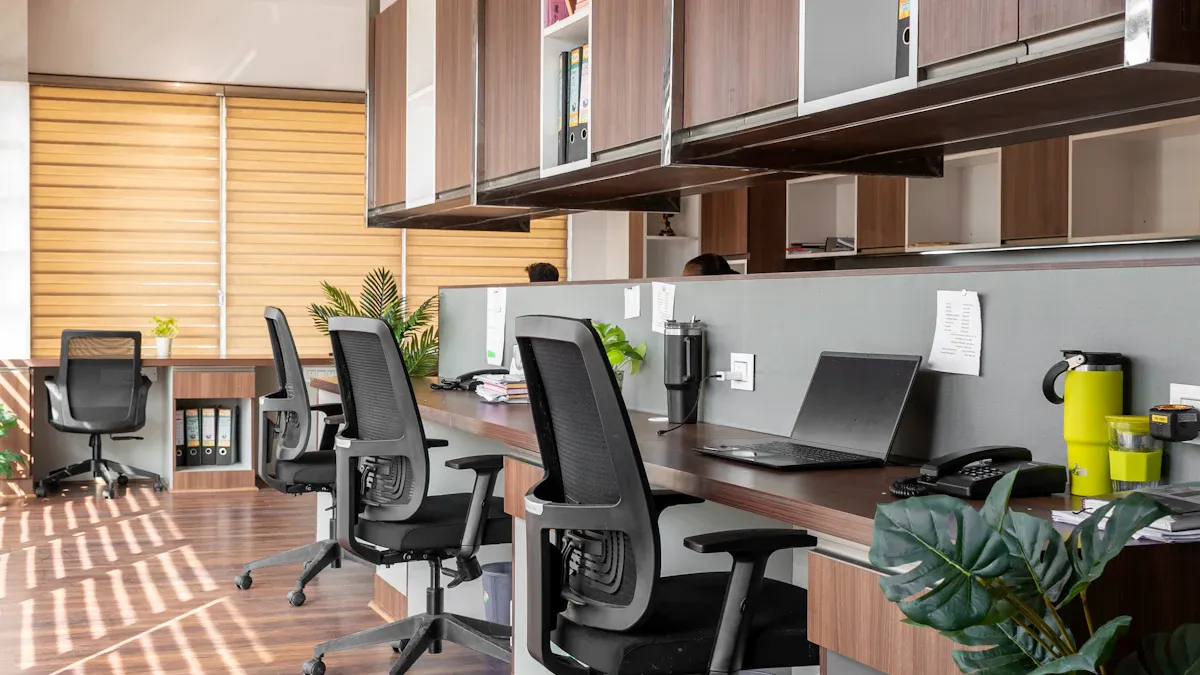
In the modern corporate landscape, reducing a company’s carbon footprint is no longer just a trend—it’s a critical component of Environmental, Social, and Governance (ESG) criteria. Strategic LED retrofitting has emerged as a cornerstone solution for firms seeking to lower emissions without compromising operational performance. By modernizing legacy lighting, businesses can achieve energy savings of 12% to 75%, leading to a direct and measurable reduction in greenhouse gas outputs.
Key Takeaways
-
Significant Savings: Modernizing lighting systems can slash utility bills by up to 75% compared to legacy incandescent or fluorescent setups.
-
Emissions Reduction: Every kilowatt saved by high-efficiency LEDs translates to a lower corporate carbon footprint, supporting Net Zero targets.
-
Smart Technology Integration: Intelligent sensors and daylight harvesting maximize efficiency by ensuring lights are active only when necessary.
-
Extended Lifespan: Industrial-grade LEDs last up to 50,000+ hours, drastically reducing manufacturing waste and maintenance costs.
-
Market Competitiveness: Sustainable operations enhance brand reputation and attract eco-conscious investors and clients.
The Impact of LED Retrofitting on Global Emissions
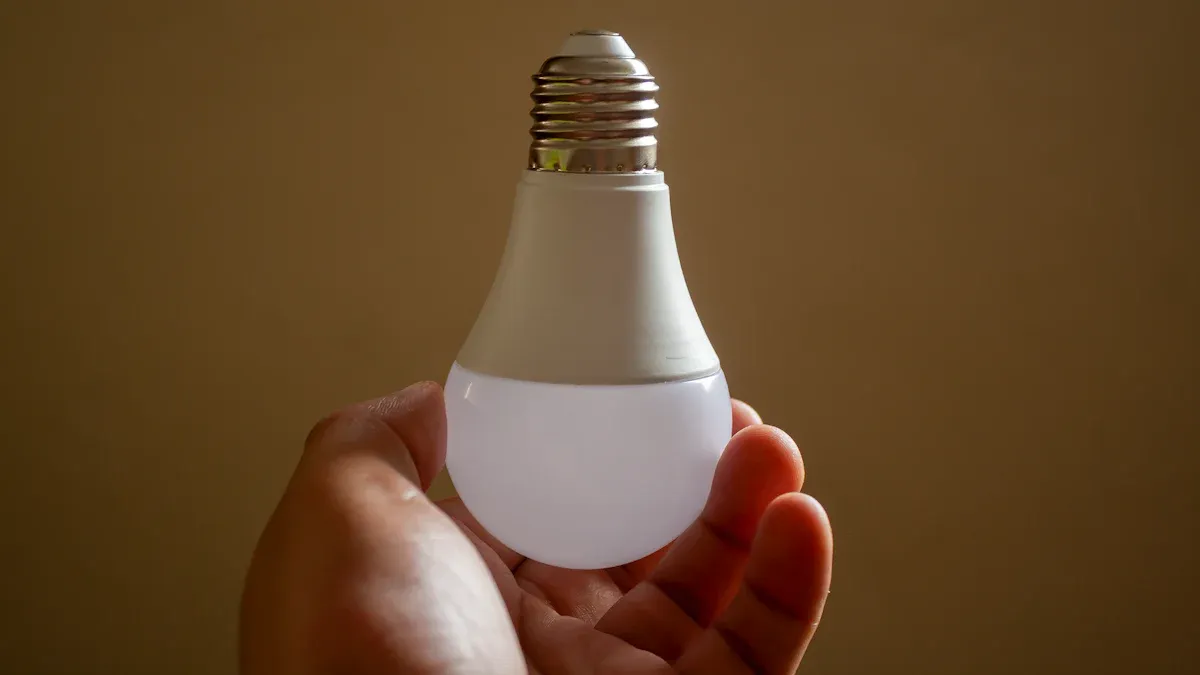
Traditional lighting technologies are notoriously inefficient, converting a large percentage of energy into heat rather than light. In contrast, modern LED systems operate with a focus on luminous efficacy. The transition from outdated fixtures to advanced LED solutions represents a major step toward corporate decarbonization.
|
Bulb Technology |
Luminous Efficacy (lm/W) |
Avg. Wattage for 800 Lumens |
Carbon Impact |
|---|---|---|---|
|
Incandescent |
10-15 |
60W |
High |
|
Halogen |
15-20 |
43W |
Medium-High |
|
Fluorescent (CFL) |
50-70 |
14W |
Medium |
|
LED |
80-150+ |
8-10W |
Lowest |
Widespread adoption of LED modernization could reduce global CO2 emissions by millions of metric tons annually. For a standard commercial building, replacing T12 or T8 fluorescent tubes with high-performance linear LEDs can prevent several metric tons of carbon from entering the atmosphere over the system’s life cycle. Furthermore, LEDs last significantly longer, which means fewer resources are consumed in the manufacturing and shipping of replacement parts.
The Technical Process of a Business Retrofit
Retrofitting differs from a simple bulb replacement. It involves evaluating the existing housing and electrical components to ensure the new system operates at peak efficiency. For many commercial facilities, this means removing traditional ballasts and wiring the fixtures for direct LED power, or installing completely new vapor-tight fixtures in specialized environments.
Intelligent Automation: The Multiplier Effect
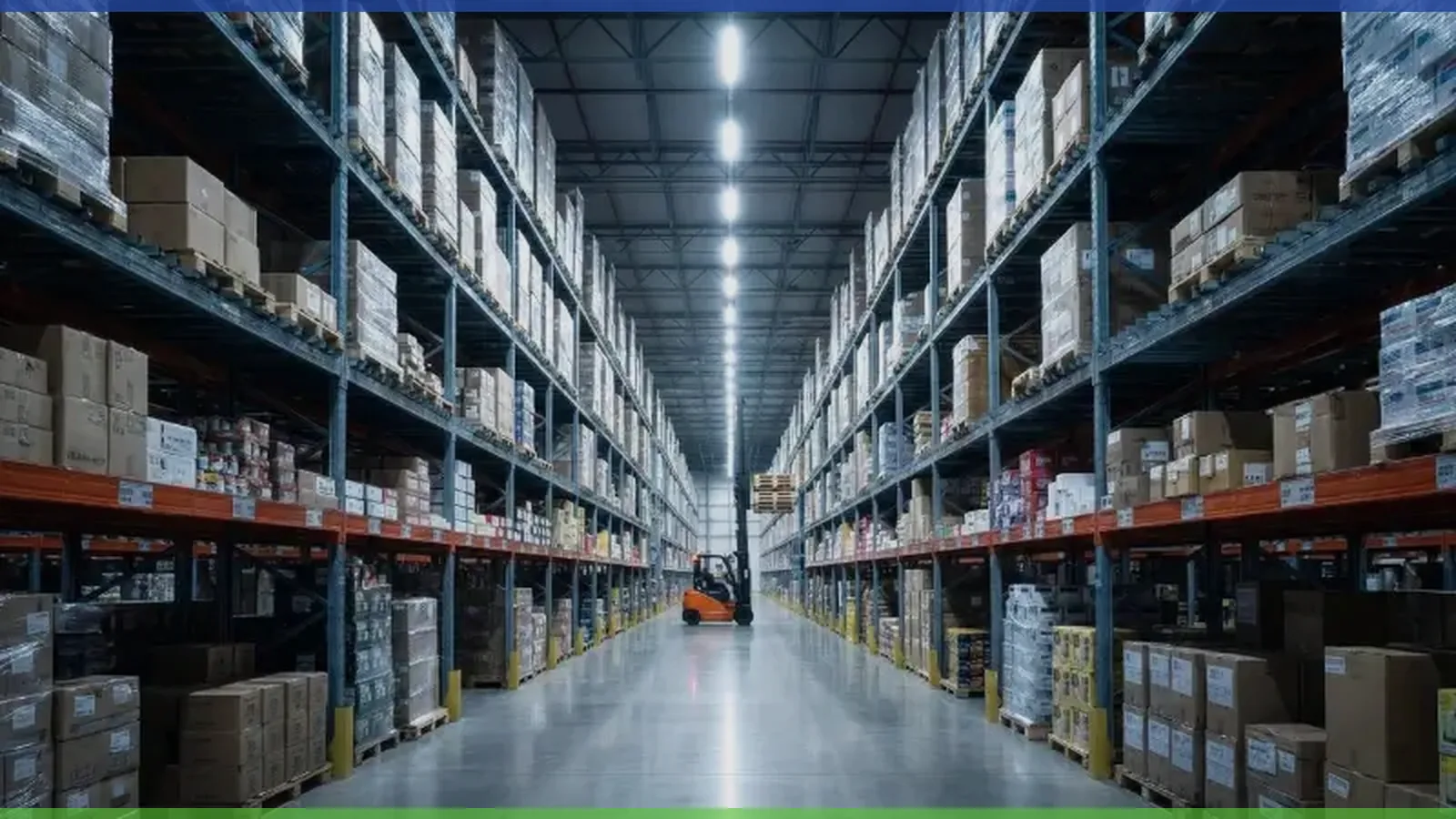
The true potential of a sustainable lighting upgrade is realized when hardware is combined with intelligence. Sensor-based systems ensure that energy is never wasted in unoccupied zones. A mid-sized warehouse facility that integrates occupancy sensors and daylight harvesting can achieve an additional 30-40% reduction in lighting energy usage on top of the initial LED savings.
“Retrofitting with sensor-controlled LEDs is akin to moving from an always-on sprinkler to a precision drip-irrigation system. It delivers light exactly where and when it’s needed, ensuring not a single kilowatt is wasted.”
Operational and ESG Benefits
While the environmental impact is clear, the business case for sustainable lighting extends to financial and social governance. Companies investing in these technologies often see a payback period of less than 24 months, especially when utility rebates are factored in.
-
Lower Operational Costs: Reduced energy consumption and minimal maintenance requirements free up capital for other core business activities.
-
Waste Mitigation: Because LEDs do not contain hazardous materials like mercury (found in fluorescents), they simplify disposal processes and reduce environmental liability.
-
Enhanced Workforce Productivity: High-quality, flicker-free lighting reduces eye strain and headaches, fostering a healthier workspace.
ESG Metrics and Market Positioning
In today’s market, transparency is key. Smart lighting systems can provide real-time data on energy consumption, which is invaluable for CSR reports and ESG audits. This level of accountability helps companies improve their sustainability ratings, which is a major factor for modern institutional investors. For more insights on financial performance, WP Carey highlights how these improvements boost commercial real estate value.
Step-by-Step Strategy for Implementation
To maximize the reduction in your carbon footprint, follow a structured approach to your lighting overhaul:
-
Comprehensive Audit: Document all current fixture types and their hourly usage patterns to establish a baseline.
-
Tailored Selection: Choose LED solutions that match the specific color temperature and lumen needs of your work environment.
-
Automation Integration: Prioritize motion sensors and daylight harvesting in low-traffic areas like corridors and storage rooms.
-
Financial Planning: Research local and federal incentives (such as Section 179D tax deductions) to lower the initial capital expenditure.
-
Lifecycle Monitoring: Establish a proactive maintenance routine to ensure the optics stay clean and sensors remain calibrated.
Case Study: Modernizing Industrial Automotive Facilities
Large-scale facilities often see the most dramatic results. For instance, an automotive parts manufacturer that replaced 1,000 fluorescent tubes with integrated LED linear systems was able to reduce its annual electricity draw by 60%. This resulted in a reduction of 290 metric tons of CO2 per year—the equivalent of removing over 60 passenger vehicles from the road.
|
Incentive Category |
Description |
Estimated Benefit |
|---|---|---|
|
Utility Rebates |
Cash back for kWh reductions |
$5 – $30 per fixture |
|
Section 179D |
Federal tax deduction for energy efficiency |
$2.50 – $5.00 per sq. ft. |
|
Maintenance Avoidance |
Savings from reduced labor and parts |
$1,500+ per year (large facility) |
Frequently Asked Questions (FAQ)
How exactly do LED retrofits lower carbon emissions?
By using up to 75% less electricity, LEDs reduce the demand on power plants. Since most grid energy still relies on fossil fuels, using less power directly translates to fewer greenhouse gases being released.
Will retrofitting disrupt my company’s daily operations?
In most cases, professional installers can work in phases or during off-hours. Modern LED linear solutions are designed for quick installation, minimizing downtime.
Are there hazardous materials to worry about when disposing of old lighting?
Yes, many older fluorescent lamps contain mercury. Part of a professional retrofit includes safe, compliant disposal and recycling of these hazardous materials, preventing environmental contamination.
What is the typical lifespan of a retrofitted LED system?
Commercial-grade LED fixtures are generally rated for 50,000 to 100,000 hours of operation. This is roughly 5 to 10 times longer than traditional fluorescent tubes, reducing end-of-life waste.