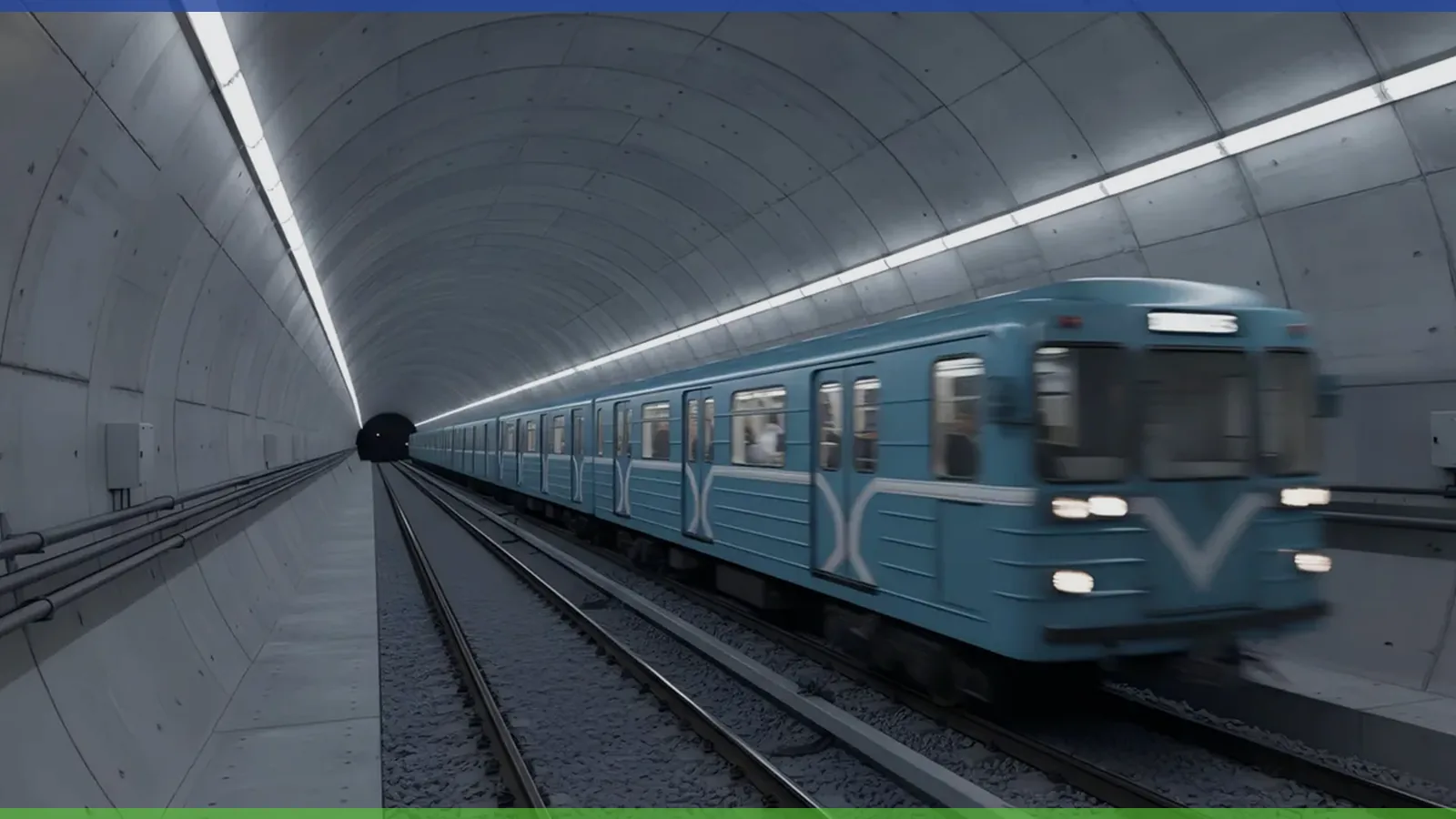
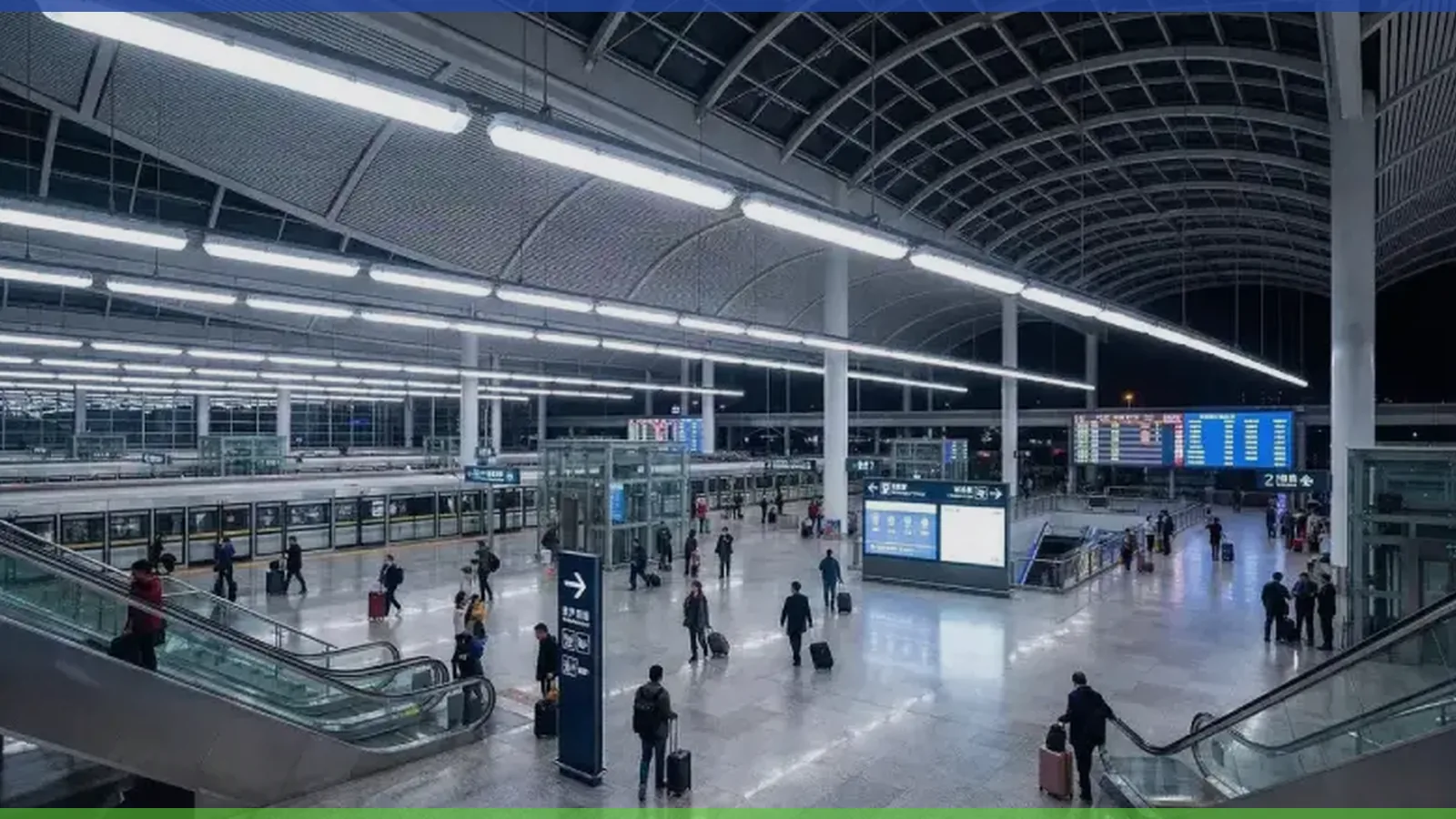
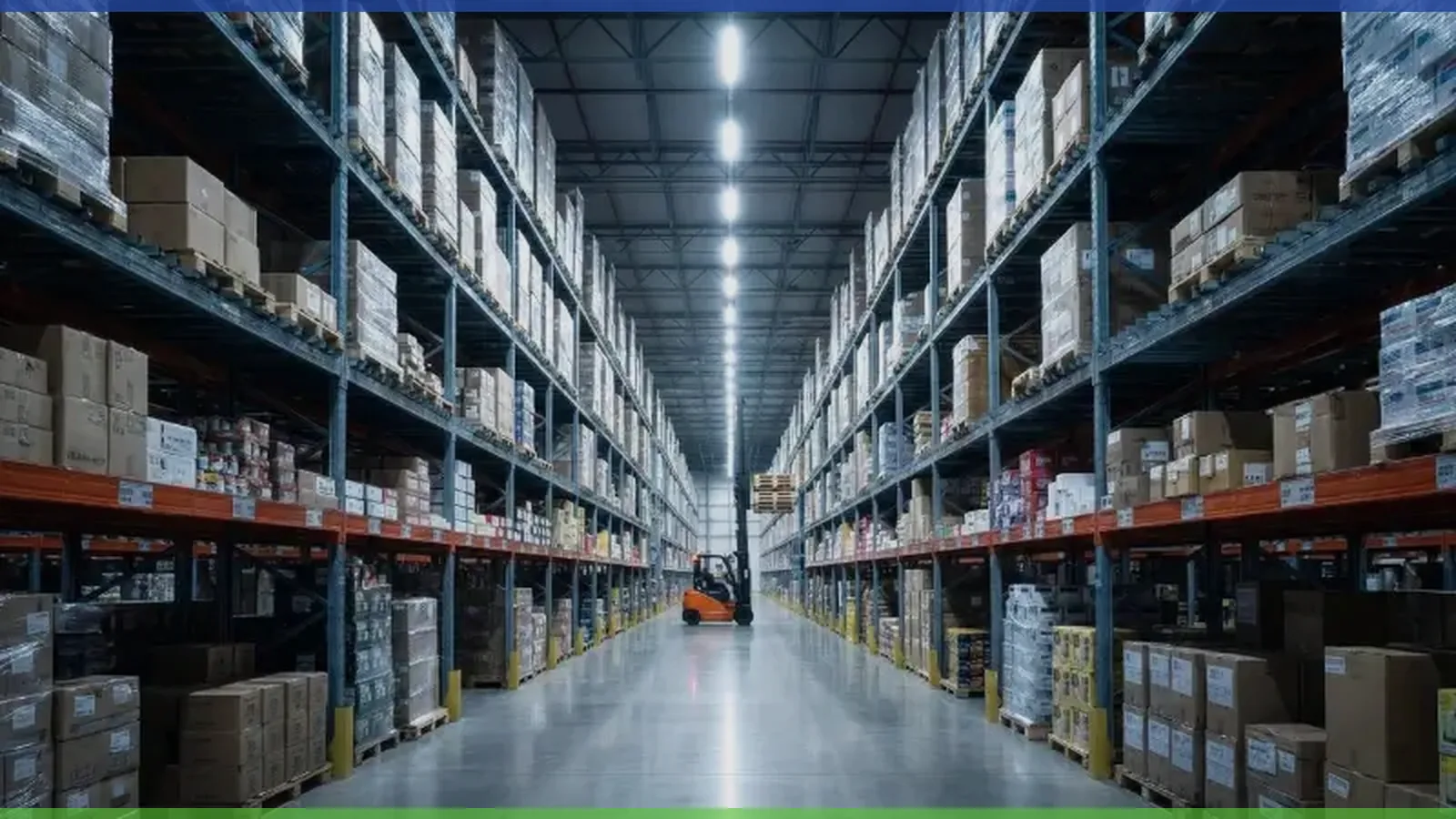
In the high-stakes environment of a factory or warehouse, safety is the foundation of operational success. Beyond mere illumination, high-performance industrial LEDs are foundational to a robust safety infrastructure, drastically mitigating accident risks through superior clarity. Advanced lighting systems transform industrial spaces by delivering brighter, mercury-free light, reducing maintenance cycles, and fostering a culture of alertness and precision.
Key Takeaways
-
Accident Mitigation: Modern LED systems enhance visibility, helping workers spot trip and machinery hazards 94% faster, reducing accident risks by up to 60%.
-
Cognitive Performance: Optimized color temperatures (4000K-5000K) and high illuminance (500lx) significantly increase worker alertness and working memory.
-
Compliance & Reliability: Self-testing emergency features ensure 100% adherence to NFPA 101 and OSHA standards during critical power failures.
-
Environmental Resilience: Fixtures with IP66 and IK10 ratings provide protection against water, dust, and physical impact in harsh industrial settings.
-
Financial ROI: Lower energy consumption and zero maintenance for up to 100,000 hours deliver rapid payback, often within 12 months.
1. Visual Precision: Eliminating the “Blind Spots” of Industry
Visibility is the primary defense against workplace injuries. Traditional lighting often suffers from lumen depreciation, creating dark corners and uneven patches of light. Modern LED systems solve this through high luminous efficacy (reaching up to 210 lm/W) and precision optics.
Hazard Detection Statistics
Research indicates that well-designed lighting systems have a direct impact on reaction times. By minimizing shadows and fluctuating light levels, employees can navigate safely around moving machinery and identified pathways.
|
Safety Metric |
Impact of LED Transition |
|---|---|
|
Trip Hazard Detection Speed |
94% Faster Detection |
|
Overall Accident Reduction |
Up to 60% Decrease |
|
Hazard Visibility Improvement |
24% Increase in Clarity |
|
Luminous Efficacy |
Up to 210 lm/W |
Targeted lux levels ensure that specific task areas—such as cutting stations or inspection lines—receive the intense, uniform light they require. This reduces the cognitive load on workers, allowing them to spot anomalies without eye strain.
2. Human Centric Lighting: Boosting Worker Focus
Lighting does more than help us see; it regulates our biological clock. Industrial environments, especially those operating on night shifts, benefit immensely from Human Centric Lighting (HCL). By adjusting the Correlated Color Temperature (CCT), facilities can improve visual satisfaction and cognitive function.
-
Blue-Enriched Light: Exposure to blue-enriched white light (up to 17000K) has been shown to enhance working memory and sustained attention, reducing response errors on the factory floor.
-
Optimal Office/Industrial Range: A CCT of 4000K-5000K is considered the “sweet spot” for maintaining focus without causing the irritability sometimes associated with extremely high temperatures.
-
Illuminance Standards: Achieving 500lx in task-intensive areas ensures maximum alertness and concentration, vital for preventing errors in precision engineering.

3. Resilience in Harsh Environments: IP66 and IK10 Ratings
Industrial fixtures must survive more than just long hours. They face moisture, dust, chemical exposure, and mechanical shock. Vapor tight and tri-proof fixtures are engineered for these exact conditions.
The Importance of Impact Protection
In high-traffic zones where forklifts or materials may strike a fixture, shatterproof polycarbonate housings are essential. Unlike glass-based traditional lights, solid-state LEDs do not contain fragile components that explode upon impact, protecting workers from falling shards and chemical exposure (mercury).
|
Rating Type |
Protection Level |
Safety Application |
|---|---|---|
|
IP66 |
Dust-tight and protected against powerful water jets |
Wash-down areas and outdoor docks |
|
IK10 |
Protected against 20 joules of impact |
High-traffic warehouses and low-ceiling factories |
|
Flicker-Free |
<1% stroboscopic effect |
Reduces migraines and ocular fatigue |
4. Emergency and Preparedness Systems
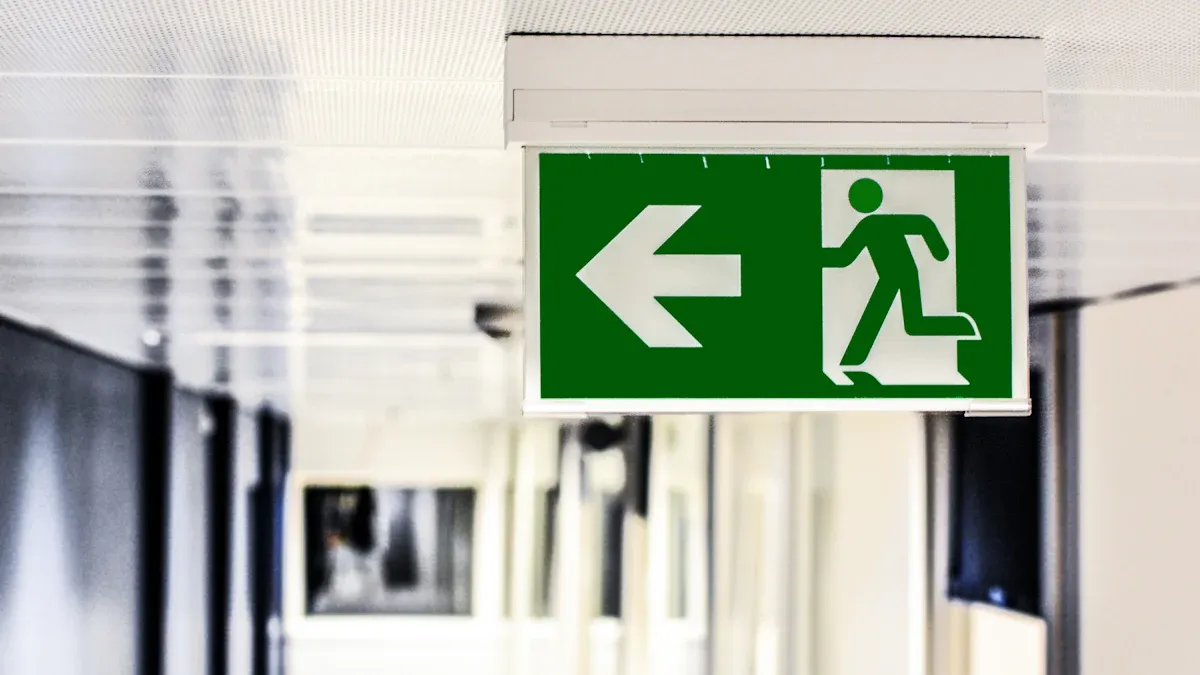
During a power failure, lighting becomes a lifeline. Integrated emergency safety systems ensure that facilities remain compliant with NFPA 101 and OSHA regulations. Maintained emergency luminaires switch to battery backup in milliseconds, providing the required 1 foot-candle of illumination for at least 90 minutes.
Automated self-testing features further enhance safety by performing monthly diagnostics without manual labor. Real-time status indicators (LED signals) notify maintenance teams of battery or driver health, ensuring the system is 100% ready for an actual crisis.
“Emergency lighting is not just a regulatory hurdle; it is the difference between an orderly evacuation and a chaotic, hazardous event.”
5. The Economic Case for Safety: ROI and Maintenance
While the initial unit price of high-end LED fixtures may be higher, the total cost of ownership (TCO) tells a different story. Facilities can recover up to 40% of their investment through utility rebates alone, with the remainder paid back through energy savings of 50% to 80%.
Maintenance and Safety Longevity
The lifespan of 50,000 to 100,000 hours means that maintenance teams no longer need to spend time on lifts changing bulbs over active production lines. This eliminates a major source of fall-related workplace injuries and minimizes operational downtime.
|
Factor |
Traditional HID/Fluorescent |
Advanced LED System |
|---|---|---|
|
Maintenance Cost |
High (Frequent bulb/ballast swaps) |
Negligible (Fit and forget) |
|
Heat Emission |
Significant (Burn risk) |
Minimal (Cool to touch) |
|
Safety Switching |
Poor (Deteriorates with cycling) |
Excellent (Instant-on/sensor ready) |
|
Energy Savings |
Baseline |
50% – 80% Reduction |
Conclusion: A Proactive Approach to Safety
Transitioning to advanced industrial lighting is a strategic move that pays dividends in human health and corporate profit. By integrating motion sensors, flicker-free drivers, and robust environmental protections, facility managers create a workspace that is not only efficient but fundamentally safer. Investing in high-quality illumination is one of the most effective steps toward achieving zero-accident goals.
Frequently Asked Questions (FAQ)
What makes industrial LED lighting safer than traditional HID or fluorescent lighting?
Industrial LED lighting provides instant brightness, uniform distribution, and eliminates flicker. It also runs much cooler, reducing fire and burn risks, and is shatterproof, preventing injuries from falling glass.
How do smart motion sensors contribute to safety?
Smart sensors ensure that areas are instantly illuminated as soon as motion is detected, preventing accidents in low-traffic or dim zones. They also support proactively lit pathways that guide workers through hazardous environments.
Do these lighting systems comply with OSHA and NFPA standards?
Yes. When properly implemented, advanced LED systems meet and exceed OSHA’s visibility requirements and NFPA 101’s emergency duration standards (90 minutes of battery backup).
Can I use industrial LEDs in high-temperature environments?
Absolutely. High-temperature-rated LEDs are designed with advanced aluminum heat sinks and thermally robust drivers that can maintain performance in ambient temperatures up to 105°C.