Industrial facilities in the Middle East—spanning from the GCC to North Africa—operate under some of the most extreme environmental conditions on the planet. For facilities like steel mills, desalination plants, foundries, and petrochemical refineries, ambient temperatures can routinely exceed 50’C (122’F), with ceiling-level temperatures often reaching 60’C or higher. In such environments, standard LED lighting fails prematurely due to “thermal runaway,” where the LED chip’s junction temperature exceeds its operating limit, leading to rapid lumen depreciation and driver failure. Professional high-temperature resistant linear lights are therefore not just a preference but a technical necessity for operational safety and longevity.
Selecting lighting for this region requires a specialized understanding of thermodynamics and material science. A fixture that performs well in Europe or North America will likely fail in a Saudi foundry or an Emirati glass factory. This guide analyzes the top 5 high-temperature solutions from Fanxstar, specifically engineered to withstand the unique heat, dust, and humidity profiles of the Middle Eastern industrial landscape.
Key Takeaways
-
Temperature Threshold: Always specify fixtures with a Ta (Ambient Temperature) rating of at least 60’C for high-ceiling industrial zones.
-
Aluminum Backbones: Only use linear lights with wide-area AL6063 aluminum substrates to ensure rapid heat conduction from the LED chip.
-
Driver Derating: Ensure the LED drivers are certified for high-temp operation; a standard driver’s lifespan drops by 50% for every 10’C rise over its limit.
-
IP66/IP69K Protection: In desert environments, fine sand is as dangerous as water. High IP ratings are essential for hermetic sealing.
-
UV & Chemical Resistance: Middle East industries often involve corrosive gases; specify polycarbonate housings with anti-UV additives to prevent yellowing and embrittlement.
The Science of Heat in the Middle East
Junction Temperature vs. Ambient Temperature
The lifetime of an LED is dictated by its “Junction Temperature” (Tj)—the temperature inside the semiconductor itself. While the room might be 50’C, the junction is often 20-30’C hotter. Once Tj exceeds 100’C, the phosphor coating begins to degrade, resulting in a permanent color shift (usually toward blue). Effective high-temperature resistant lighting utilizes massive heat sinks to keep the delta between ambient and junction temperatures as narrow as possible.
The “Sand and Sea” Factor
Middle Eastern facilities are often coastal or located in arid deserts. This introduces two secondary stressors: chloride-rich humidity (causing corrosion) and airborne sand (causing abrasion and heat-trapping on fixtures). An IP66 or higher rating is mandatory to ensure that fine dust does not enter the fixture and act as a thermal blanket on the internal electronics.
|
Industrial Zone |
Ambient Peak |
Ceiling Ambient |
Required Ta Rating |
|---|---|---|---|
|
Standard Warehouse |
40’C – 45’C |
50’C |
55’C |
|
Steel / Foundry |
50’C – 55’C |
65’C+ |
60’C – 70’C |
|
Oil & Gas Refinery |
45’C – 50’C |
55’C |
60’C (Explosion Proof) |
|
Desalination Plant |
45’C |
50’C |
55’C (High Humidity) |
Top 5 High-Temperature Resistant Solutions for 2026
1. Trilamp A8 Series – The Wide-Substrate Thermal King
The Trilamp A8 is designed specifically for the hottest industrial foundries. Its standout feature is a high-purity aluminum wide-format substrate. Most linear lights use a narrow LED board; the A8’s wide board increases the thermal contact area, moving heat away from the chips 40% faster than standard fixtures. It is rated for stable operation up to 60’C.
-
Thermal Design: Integrated AL6063 body with foamed-in sealing.
-
Electrical: Supports wide-voltage grids to handle the fluctuations common in remote industrial sites.
2. Batman B2 Series – Premium Chassis for 55’C Zones
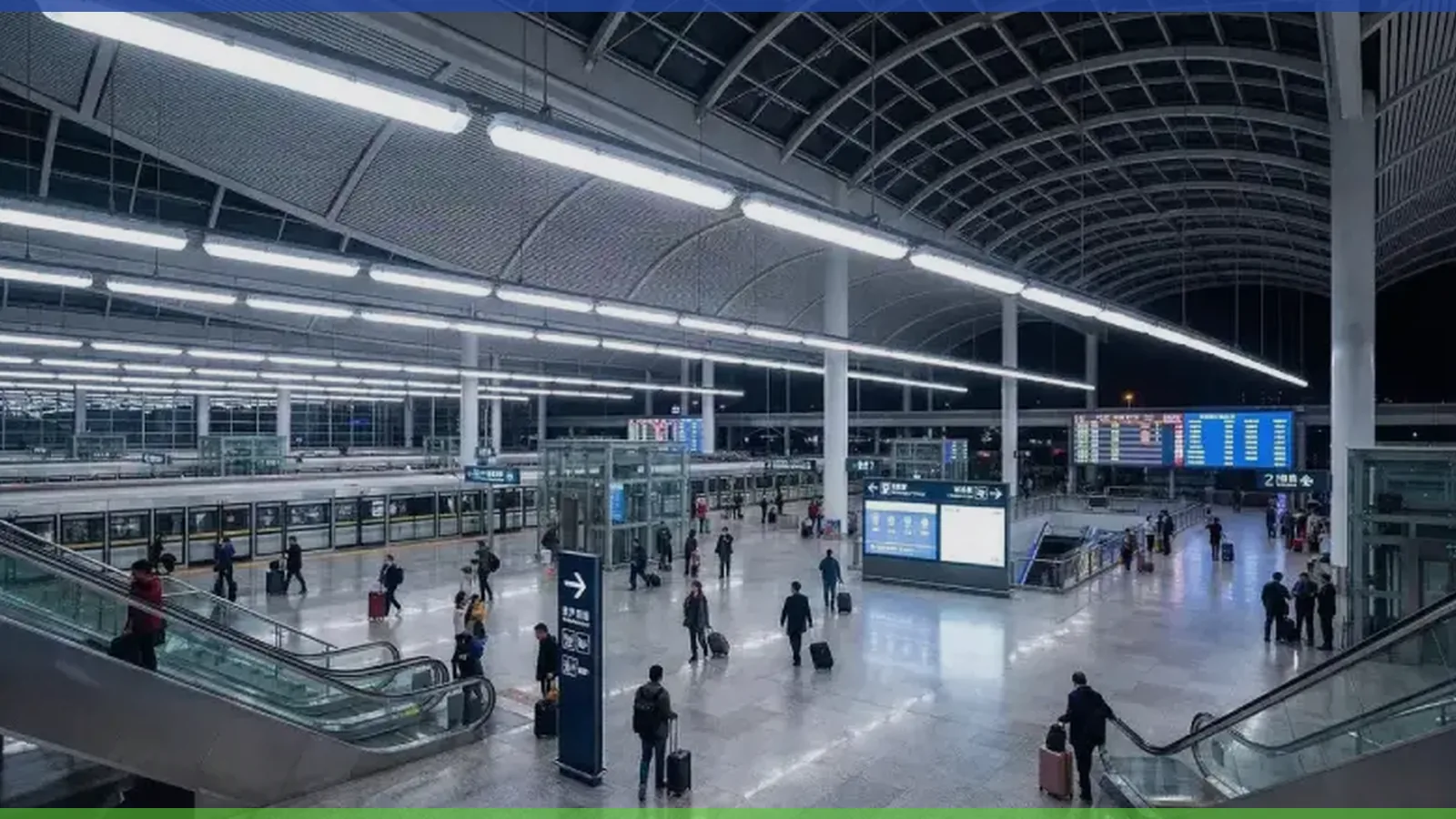
For large-scale airport terminal lighting and high-bay warehouses, the Batman B2 provides an unparalleled surface area for heat dissipation. It features a deep-finned aluminum chassis that utilizes natural convection to cool the fixture. Even in stagnant air, the B2 maintains a rated lifespan of 74,000 hours at 55’C.
3. Trilamp A12 Series – The High-Power Heavyweight
When high mounting heights (exceeding 10 meters) are required, the wattage must increase. The A12 series delivers up to 120W of high-power output while maintaining a 55’C Ta rating. It utilizes certified drivers from industry leaders like Philips and Osram, which are specifically chosen for their high “Tc” (case temperature) limits.
4. Trilamp A3 High Lumens – Efficiency in Extreme Heat
Efficiency (lm/W) is a thermal friend. A fixture that is more efficient produces less waste heat. The A3 series reaches up to 185 lm/W, meaning 85% of the energy is light and only 15% is heat. This allows it to operate safely at 60’C without the LEDs cooking themselves. It also features an external battery pack for emergency backup, protecting the battery from the fixture’s internal heat.
|
Model |
Max Temp |
Efficacy |
Primary Feature |
|---|---|---|---|
|
Trilamp A8 |
60’C |
170 lm/W |
Wide Aluminum Substrate |
|
Trilamp A3 |
60’C |
185 lm/W |
High Efficiency / External Battery |
|
Batman B2 |
55’C |
160 lm/W |
Finned AL6063 Chassis |
|
Trilamp A12 |
55’C |
165 lm/W |
High-Wattage (up to 120W) |
|
Trilamp A9 |
50’C |
160 lm/W |
Smart Microwave Sensors |
5. Trilamp A9 Series – Smart Controls for Remote Sites
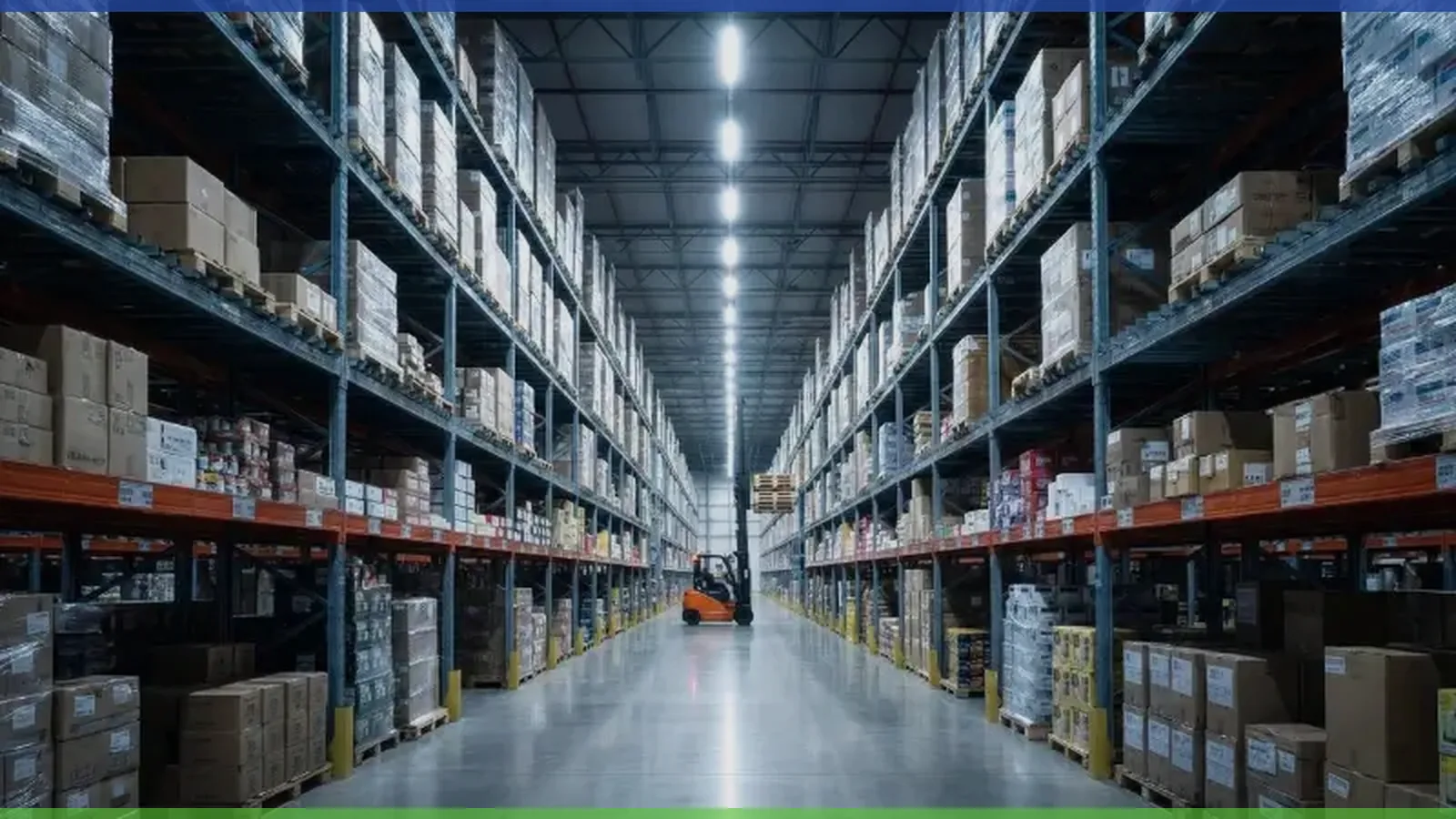
The A9 is the preferred choice for automated logistics centers in the Gulf region. It combines 50’C heat resistance with integrated microwave sensors. By dimming the lights when areas are unoccupied, the fixture spends less time at peak temperature, further extending the component life in hot environments.
“In the Middle East, the thermal management of a light fixture is its life insurance. Without an aluminum backbone, an LED is just a very expensive heater.”
Material Selection: Polycarbonate vs. PMMA
Heat resistance is also about the outer shell. In the intense Middle Eastern sun (for semi-outdoor docks) or under high-bay UV stress, standard plastics will turn yellow and brittle.
-
PC (Polycarbonate): Provides IK10 impact resistance but requires high-quality anti-UV additives to prevent “photodegradation” in the desert sun.
-
PMMA (Acrylic): Naturally UV stable and more resistant to the oils and petrochemical vapors found in refineries. Fanxstar offers both options based on the specific chemical profile of the plant.
The Financial Impact: Energy vs. Replacement Cost
Upgrading to high-efficiency LED linear lights provides a double dividend in the Middle East. First, the 185 lm/W efficacy reduces the facility’s electricity bill. Second, by surviving for 10 years instead of failing in two, the facility saves thousands in “lift-hire” and maintenance labor costs. In the GCC region, where labor for high-ceiling work is expensive and requires strict safety permits, reliability is the ultimate ROI.
Practical Installation Tips for the Gulf Region
-
Distance from Roof: Always mount fixtures at least 30cm away from metal roofs. Direct conduction from a sun-baked roof can hit 80’C, far exceeding fixture limits.
-
Ventilation Path: Do not group fixtures too tightly. Allow a 10cm gap between linear runs to ensure air can circulate around the aluminum heat sinks.
-
Surge Protection: Industrial grids in developing industrial zones can be unstable. Always specify fixtures with 4kV to 6kV integrated surge protection to defend against voltage spikes.
-
Cleaning Protocol: Sand buildup on the top of the fixture acts as insulation. Schedule a semi-annual cleaning to blow off dust and ensure the thermal dissipation path remains clear.
FAQ
Can an LED fixture work at 65’C?
Only if specifically engineered with “Active Cooling” or ultra-wide aluminum substrates like the A8 series. Most standard fixtures will trigger a “thermal foldback” (dimming) or fail entirely above 50’C.
Does the humidity in coastal Dubai affect high-temp lights?
Yes. Humidity accelerates corrosion. High-temp lights for coastal areas should use SUS 316L stainless steel clips and IP66 hermetic sealing to prevent internal “sweating” (condensation).
Why do some LED lights turn blue after a summer in Kuwait?
This is a clear sign of thermal phosphor degradation. The heat has cooked the phosphor coating off the LED chip, exposing the raw blue diode underneath. This fixture has failed and should be replaced with a high-temp rated model.
Are these lights explosion-proof for oil refineries?
High-temp resistance and explosion-proof (ATEX) are different certifications. However, Fanxstar offers specialized explosion-proof lighting that is also rated for high ambient temperatures.
Is the driver usually the first part to fail in the heat?
Statistically, yes. The electrolytic capacitors in cheap drivers are the weak link. Professional high-temp lights use “long-life” capacitors rated for 105’C or 125’C to ensure they outlast the LEDs themselves.
Conclusion: Design for the Extremes
Building an industrial facility in the Middle East requires a “worst-case scenario” mindset. By selecting high-temperature resistant linear lights with aluminum chassis, high-efficacy chips, and 60’C Ta ratings, facility managers can prevent the costly cycle of failure and replacement. The Trilamp and Batman series from Fanxstar are designed not just to illuminate, but to survive the rigors of the world’s harshest industrial climates. Investing in heat-resilient lighting is the most effective way to ensure a safe, productive, and efficient future for the region’s growing industrial sector.