Key Takeaways
-
The 80% Formula: Maximizing savings requires a two-step synergy: High-Efficiency Hardware (LED) + Intelligent Software (IoT Controls).
-
Immediate Impact: Switching to LED provides an instant 50–75% reduction in base load, while smart controls eliminate the remaining “vampire” waste.
-
Intelligence is Key: Features like daylight harvesting and occupancy sensing ensure you only pay for light when it’s truly needed.
-
Future-Proofing: AI-driven optimization and remote diagnostics transform lighting into a data asset that aligns with Net Zero goals.
Achieving an 80% reduction in energy consumption is not the result of a single hardware upgrade, but rather the strategic fusion of high-efficiency hardware and intelligent software. While transitioning from legacy systems to LED retrofitting provides an immediate reduction in wattage, the real breakthrough occurs when these fixtures become data nodes within a larger ecosystem.
Phase 1: Why LED Retrofitting is the Foundation
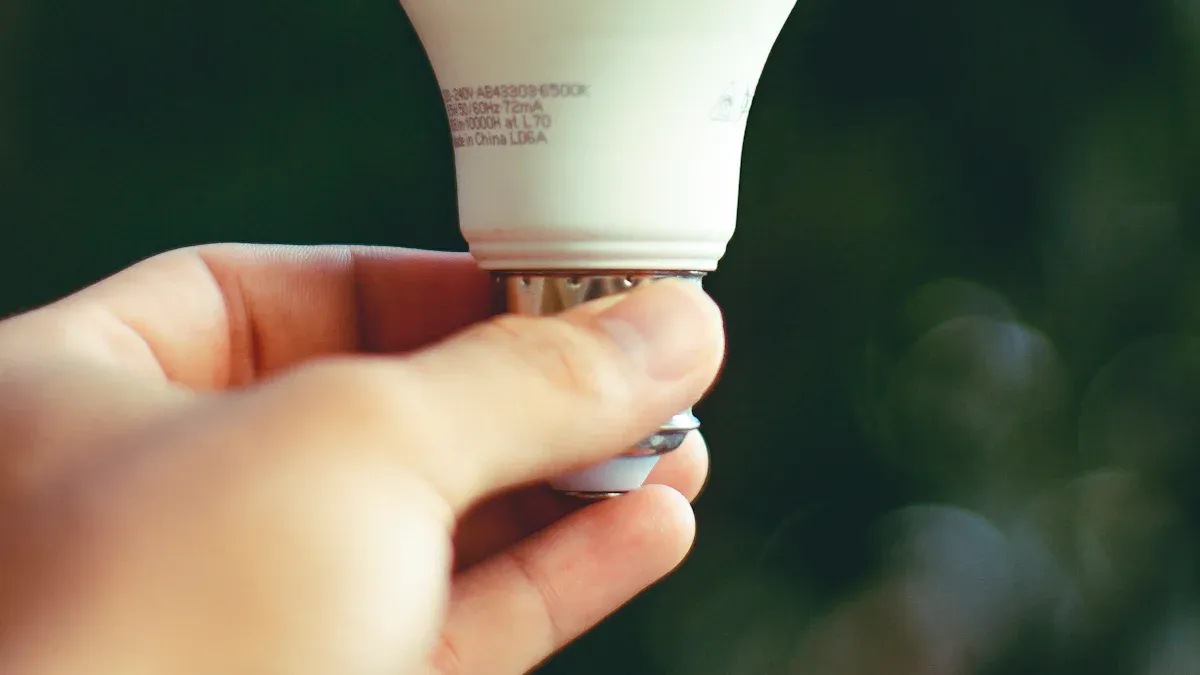
Before implementing automation, the first pillar of energy reduction is the physical transition to Light Emitting Diodes. Unlike traditional high-pressure sodium (HPS) or fluorescent lamps, modern LEDs are engineered for maximum luminous efficacy.
According to the U.S. Department of Energy, LED lights are approximately 75% more energy-efficient than incandescent bulbs. This hardware shift provides “passive” savings by requiring less power to produce the same lumen output.
|
Feature |
Smart LED System |
Traditional Lighting |
|---|---|---|
|
Energy Efficiency |
High (Sensors + Dimming) |
Moderate |
|
Lifespan |
50,000+ Hours |
1,000 – 24,000 Hours |
|
Heat Output |
Minimal (Reduces HVAC load) |
Excessive (Increases cooling costs) |
|
Maintenance |
Low (Remote Diagnostics) |
High (Frequent replacement) |
Using LED retrofit kits preserves existing architectural aesthetics while replacing internal components, eliminating the costly “re-lamping” cycle.
Phase 2: Beyond Bulbs—Leveraging Smart Controls
While hardware provides the foundation, the leap to 80% savings is realized by shifting to “Lighting on Demand.” By integrating IoT lighting controls, facilities eliminate waste through three core technologies:
1. Daylight Harvesting
Utilizing photocell sensors to monitor natural light levels. In buildings with large glass facades, systems automatically dim fixtures to maintain constant lux levels, saving up to 30% on energy costs by harvesting free sunlight.
2. Occupancy Sensors
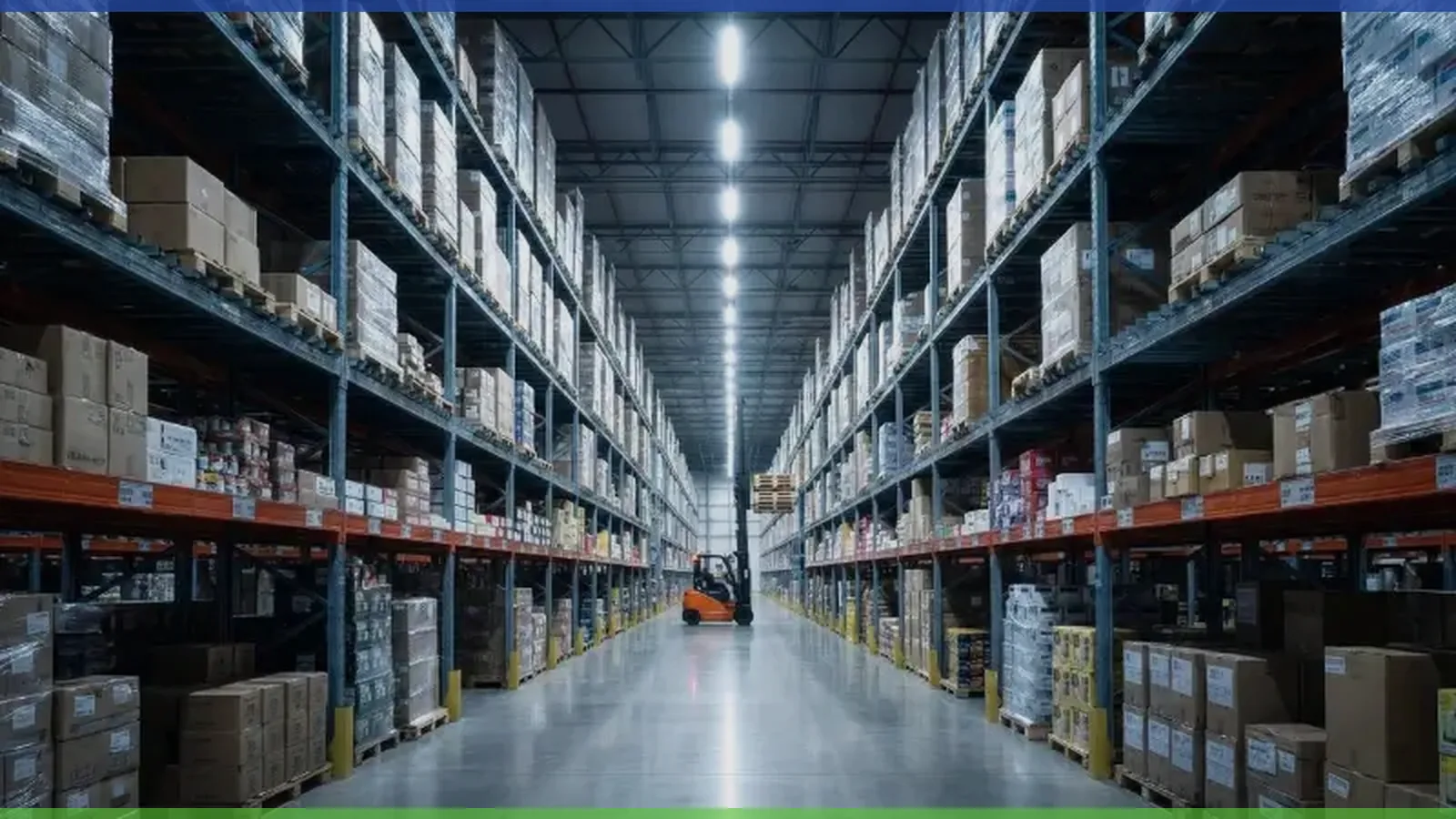
Ensuring empty hallways, warehouses, and parking garages remain dark or dimmed until motion is detected. This eliminates “vampire” energy drain from lights burning in empty rooms.
3. Automated Dimming Schedules
Programmed profiles based on operational hours ensure maximum efficiency during off-peak times. For example, dimming parking lot lights to 30% brightness after midnight when traffic is low.
Real-World Case Studies: The Impact
Municipal Savings: Los Angeles Streetlights
The Los Angeles LED Street Lighting Replacement Project converted over 215,000 streetlights to LED with smart controls, achieving a 63% reduction in energy use. This massive scale demonstrates the viability of smart lighting for public infrastructure.
Commercial Retail: Improved Experience
A retail chain achieved a 40% reduction in energy costs while improving sales. By using smart LEDs to enhance product visibility and create a welcoming atmosphere, they proved that efficiency doesn’t mean sacrificing quality.
Industrial and Data Center Applications
In 24/7 environments like data centers, every watt saved in lighting improves the Power Usage Effectiveness (PUE) rating. Smart lighting reduces the thermal load, meaning the cooling systems don’t have to work as hard—a “multiplier effect” on savings.
Overcoming the ROI Gap
The “upfront cost” is a common deterrent. However, when you factor in:
-
Energy Savings: Immediate bill reduction.
-
Maintenance Savings: No bulb changes for 10 years.
-
Utility Rebates: Incentives for using DLC Premium qualified products.
The payback period is often remarkably short, typically between 2 to 3 years. This makes smart lighting one of the highest ROI facility upgrades available.
Future-Proofing with AI
The next frontier is AI-driven automation. Systems can now analyze historical usage patterns and weather forecasts to make proactive adjustments, ensuring the network operates at peak efficiency 24/7 without human intervention.
FAQ
How does smart lighting achieve 80% savings?
LEDs alone save 50-75% by using less wattage. The remaining savings come from IoT controls like sensors and dimming, which ensure lights are off or dimmed when not needed, eliminating waste.
What is Daylight Harvesting?
It is a system that uses sensors to detect natural sunlight and automatically dims artificial lights to maintain a consistent brightness level, saving electricity.
Are smart lighting systems hard to maintain?
No. They often feature remote diagnostics, alerting facility managers to issues before they become failures, which actually simplifies maintenance and reduces labor costs.
Can I retrofit existing fixtures?
Yes. LED retrofit kits are designed to upgrade existing housings with modern LED engines and smart sensors, avoiding the cost of full fixture replacement.