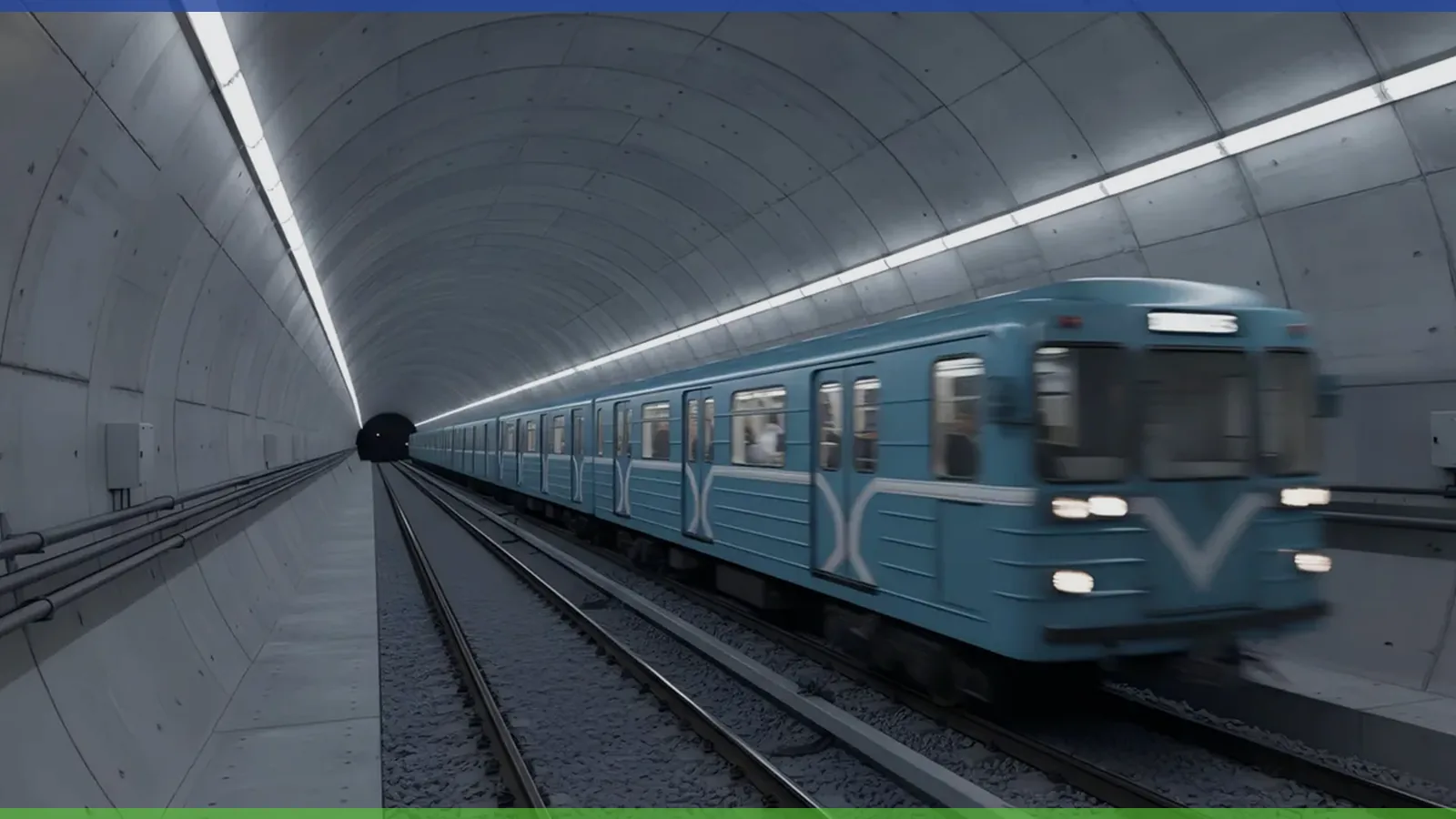
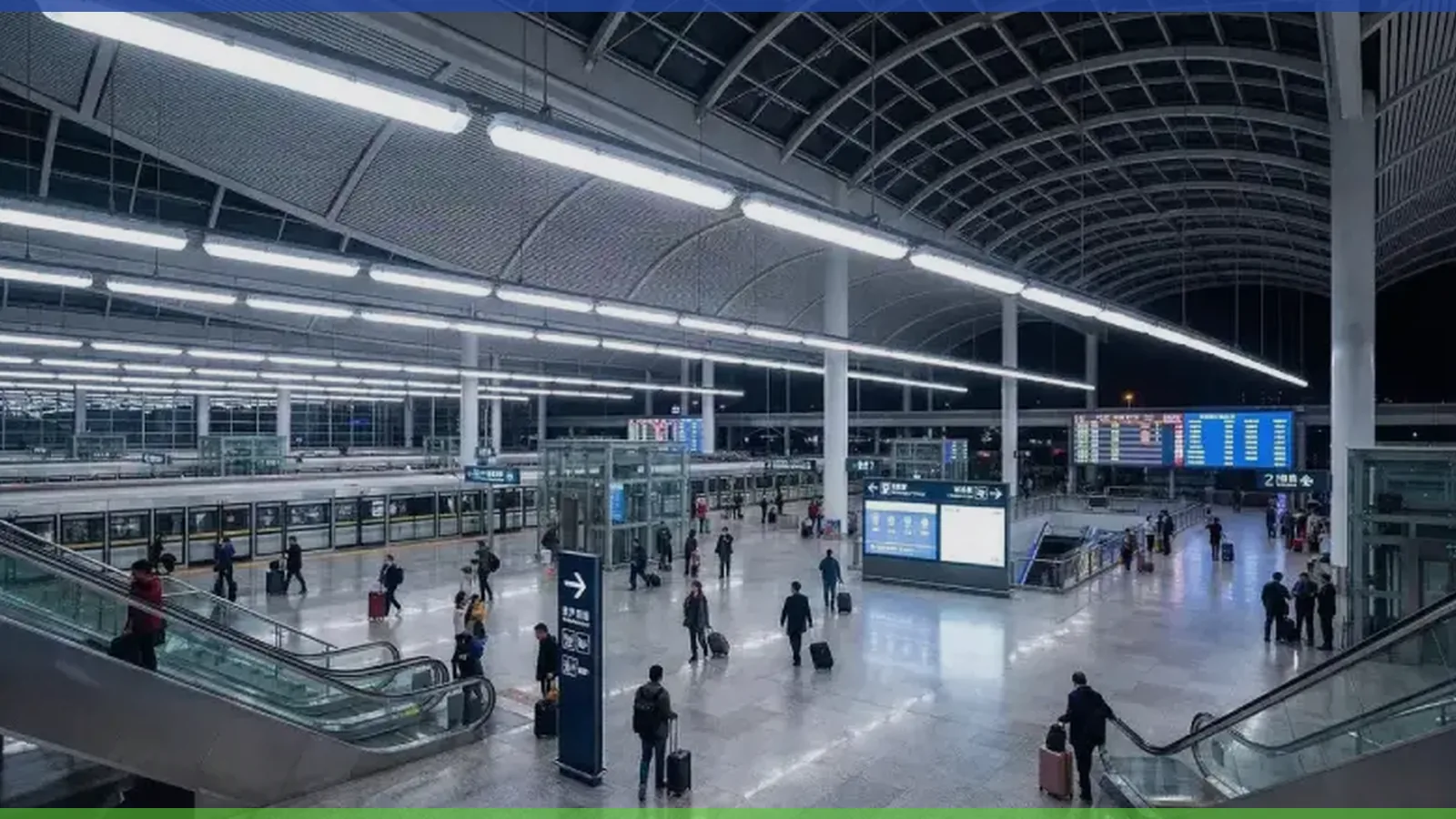
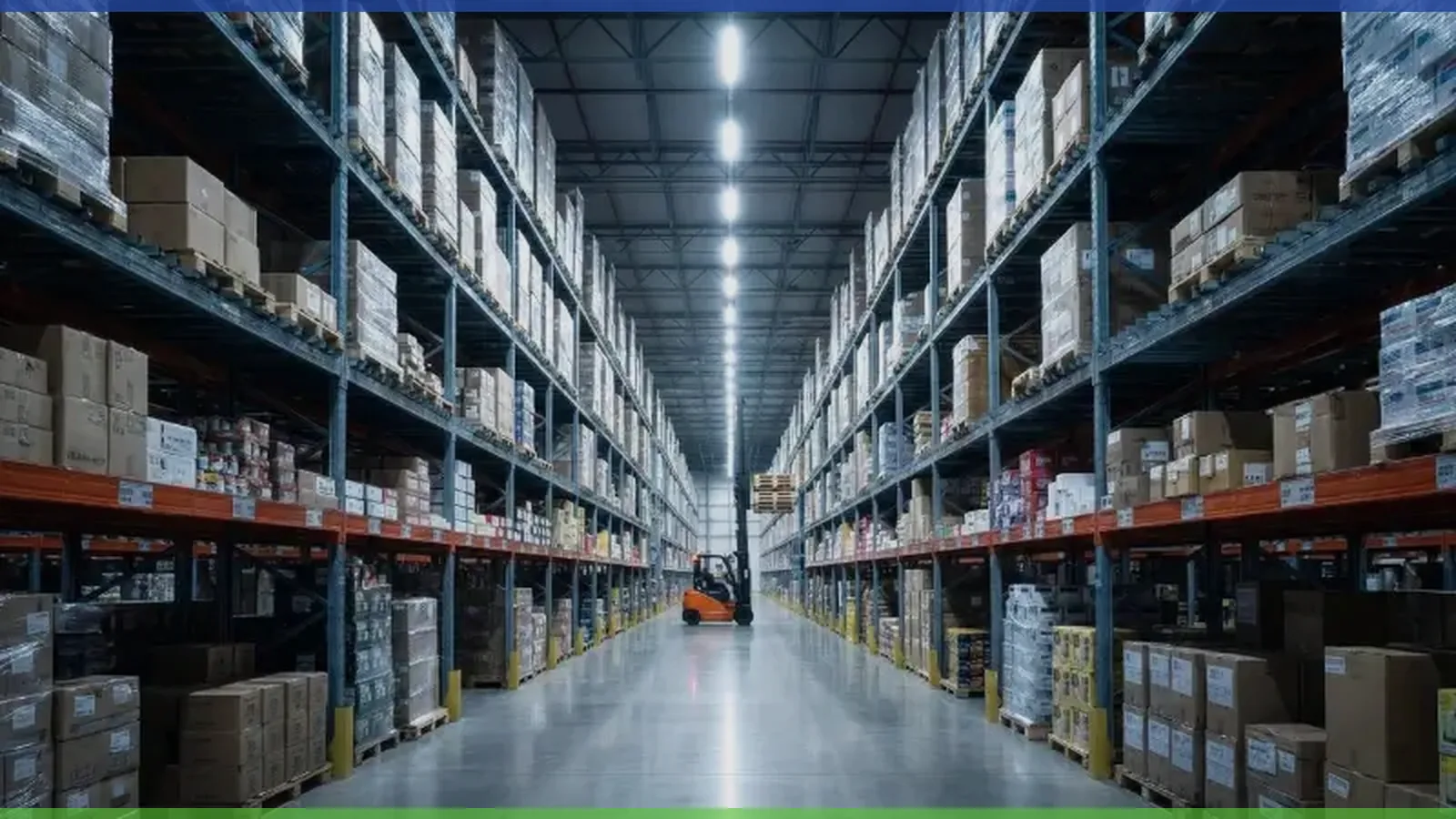
In the high-stakes world of industrial LED procurement, a warranty letter is far more than a simple promise; it is a legally binding technical document that protects a facility’s Total Cost of Ownership (TCO). When outfitting a 100,000 sq. ft. logistics hub or a high-vibration railway tunnel, the cost of a fixture failure isn’t just the price of the hardware—it’s the cost of specialized labor, lift-hire, and operational downtime. In 2026, as LED efficacy pushes toward 185 lm/W, the technical complexity of drivers and smart sensors has increased the potential for latent defects. A professional warranty letter must provide a clear “contractual shield,” defining exactly what constitutes a failure, the timeline for resolution, and the specific technical benchmarks (such as L80B10 ratings) that a manufacturer must uphold.
This guide analyzes the essential clauses every procurement lead must verify before signing a contract. From tiered durations based on component physics to the logistics of geographic service hubs, we explore how to build a warranty that truly ensures long-term performance and safety compliance.
Key Takeaways
-
Tiered Durations: Ensure durations match the physical lifecycle of components (e.g., 10 years for aluminum housing vs. 3 years for batteries).
-
Lumen Maintenance (L70/L80): A warranty must define failure not just as “lights out,” but as brightness dropping below 70% or 80% of original output.
-
Failure Rate Thresholds: Specify “Batch Failure” clauses (typically > 3% or 5%) to trigger whole-system replacements rather than individual unit swaps.
-
Geographic Support: Reliable B2B warranties include local service hubs to prevent long delays in international shipping for replacements.
-
BMS and Smart Integration: Clauses must cover firmware stability and sensor accuracy for the life of the smart building system.
Phase 1: Defining Tiered Warranty Durations
The Physics of Component Lifecycles
A common error in basic warranty letters is a “one-size-fits-all” duration (e.g., “5 Years for everything”). In professional lighting, this is technically inaccurate. An LED fixture is an assembly of parts with vastly different failure profiles. The aluminum chassis (AL6063-T5) is practically immortal, while the LED driver’s capacitors are sensitive to thermal stress, and emergency batteries have a chemical lifespan dictated by discharge cycles.
A pro-grade industrial LED fixture warranty should follow a tiered structure to provide realistic and enforceable protection:
|
Component Category |
Benchmark Duration |
Technical Reasoning |
|---|---|---|
|
Architectural Aluminum Housing |
10 – 15 Years |
Corrosion resistance of AL6063-T5 alloy |
|
LED Module (L80B10) |
7 – 10 Years |
Semiconductor stability in optimized thermal paths |
|
Industrial Drivers (Isolated) |
5 – 7 Years |
Capacitor life in high-ambient (Ta) conditions |
|
Emergency LiFePO4 Batteries |
3 – 5 Years |
Chemical cycle-life (Typically 2000+ cycles) |
|
Smart Sensors / IOT Nodes |
2 – 5 Years |
Firmware and transceiver reliability |
Phase 2: Failure Rate Thresholds and Batch Protection
Individual vs. Systematic Failure
In a large-scale project, a single light failing (out of 1,000) is a statistical “Random Failure.” However, if 50 lights fail within the first six months, it indicates a “Systematic Defect” in the manufacturing batch. A robust warranty letter must include a Batch Failure Threshold. For example: “If the failure rate exceeds 3% of the total installation within any 12-month period, the manufacturer shall be responsible for a site-wide audit and potential replacement of the entire affected batch.”
Lumen Maintenance Benchmarks (L70/L80/L90)
LEDs rarely burn out like incandescent bulbs; they simply fade. A warranty that only covers “dead” lights is useless in a precision environment like a food processing plant. The warranty must reference LM-80 and TM-21 reports. A standard clause should state: “Defect is defined as light output falling below 80% of initial lumens (L80) during the first 50,000 hours of operation.” This ensures the facility maintains its required lux levels for safety and productivity.
Phase 3: Scope of Resolution and Labor Recovery
Repair, Replace, or Refund?
The “Remedy Clause” defines how the manufacturer will fix a problem. For B2B procurement, “Replace” is the preferred outcome. A warranty letter should specify:
-
Modular Hot-Swap: Fixtures with tool-free removable gear trays allow for module-level replacement without removing the housing from the ceiling.
-
Logistics Responsibility: Who pays for the shipping of the faulty units back to China? A strong warranty states the manufacturer covers all transit costs for valid claims.
-
Labor Allowance: While many standard warranties exclude labor, high-spec tunnel lighting contracts often include a “Labor Credit” for failures occurring within the first year, recognizing the extreme cost of lift-hire in infrastructure projects.
“The best warranty isn’t the one with the longest years; it’s the one with the shortest resolution timeline and the clearest definition of a defect.”
Phase 4: Technical Support and Firmware Stability
In 2026, lighting is part of the Smart Building ecosystem. If your sensor-controlled LED battens stop communicating with the DALI-2 gateway, is that covered?
Essential Support Clauses:
-
Firmware Support: A commitment to providing security patches and firmware updates for the life of the warranty.
-
BMS Interoperability: Guaranteeing that the drivers will remain compatible with standard protocols (Zigbee 3.0, Matter, or DALI-2 DT8).
-
Remote Troubleshooting: Access to a factory-trained engineer via WhatsApp or WeChat for real-time diagnostic assistance.
|
Hazardous Factor |
Warranty Exclusion |
Warranty Inclusion |
|---|---|---|
|
Ambient Temperature |
Exceeding Ta limits (e.g. > 55C) |
Performance within rated thermal range |
|
Input Voltage |
Surge damage from lightning |
Internal component defect |
|
Chemical Exposure |
Use of non-approved cleaners |
Corrosion of SUS 316L hardware |
|
Installation |
Wiring to incorrect polarity |
Failure of internal factory wiring |
Phase 5: Geographic Service Hubs and Logistics Speed
International sourcing often creates a “support lag.” A reliable LED supplier like Fanxstar mitigates this through regional service centers. For European Union projects, our Spanish and Dutch hubs provide local after-sales support. This means that if a warranty claim is approved, the replacement parts arrive at the construction site in 2-3 business days, rather than 4 weeks from China. This logistical transparency is a mandatory clause for government housing and large-scale hospital projects.
Legal Rights and the Magnuson-Moss Act Context
While B2B contracts are generally “Commercial Agreements,” they often reference consumer-grade protections to set a quality floor. In the US, the **Magnuson-Moss Warranty Act** requires that warranties be “clearly and conspicuously” presented. For global trade, this translates to Bilingual Warranties. Ensure your warranty letter is in both English and Chinese to ensure both your local legal team and the factory’s management have a unified understanding of the obligations.
Liability Limitation Clauses
Manufacturers will always include a “Limitation of Liability” clause. This typically caps the manufacturer’s total liability at the purchase price of the fixtures. As a buyer, you must ensure this does not waive your right to pursue claims for “Gross Negligence” or “Willful Misconduct,” especially in safety-critical zones like hazardous location lighting environments.
|
Legal Clause |
Technical Meaning |
Buyer Protection |
|---|---|---|
|
Disclaimer of Implied Warranties |
Limits coverage to the written text only |
Requires the written text to be extremely thorough |
|
Governing Law |
Defines which court handles disputes |
Specify a neutral territory or the buyer’s region |
|
RMA Validity |
Sets the timeframe for a claim |
Demand at least 30 days to report a defect |
|
Force Majeure |
Exempts delays from natural disasters |
Ensure ‘Supply Chain Shortage’ is not an excuse |
Conclusion: Building a Resilient Technical Partnership
A warranty letter is the final line of defense in an engineering project. By moving beyond marketing jargon and insisting on specific clauses regarding batch failure thresholds, lumen maintenance benchmarks, and modular maintenance support, project managers can ensure their facility’s infrastructure remains a high-performance asset. At Fanxstar, we believe in technical transparency. We don’t just provide a certificate; we provide a documented commitment to our engineering rigor—from our 10-year Batman series warranty to our localized EU support ecosystem. Choosing a partner that understands the Total Cost of Ownership today is the only way to safeguard your facility’s safety and your project’s profitability for the next decade.
FAQ
Does a warranty cover the light’s color changing over time?
Yes, if the color shift (SDCM) exceeds the specified tolerance (typically 3-step or 5-step MacAdam). This is often caused by thermal phosphor degradation and is considered a manufacturing defect under professional warranty terms.
Is the emergency battery covered for the same length as the fixture?
Usually, no. Because batteries have a finite chemical cycle-life, they typically carry a 3-year warranty, whereas the fixture housing and LED modules may carry a 7-to-10-year warranty. Always check for “Battery Specific” durations.
What happens if the manufacturer goes out of business?
In high-end projects, you can request an “Insurance-Backed Warranty” or a “Quality Bond,” where a third-party insurer guarantees the warranty obligations even if the factory ceases operations.
Do I need to return the broken lights to get a replacement?
For small quantities, manufacturers often accept photo/video evidence. For large-scale batch failures, the factory will typically require a “Technical Audit” of the site or the return of samples to their lab to identify the root cause.
Does dimming the lights void the warranty?
No, provided you use a compatible dimmer (0-10V or DALI) as specified by the manufacturer. In fact, dimming usually extends the life of the LED and driver by reducing thermal stress.