In the complex world of global LED procurement, a project’s success is determined by more than just technical specifications. For a B2B buyer outfitting a massive commercial complex, the supply chain often involves multiple vendors: one for specialized LED linear lighting, another for emergency modules, and perhaps a third for intelligent control systems. Managing these individual shipments is a logistical nightmare that leads to fragmented delivery dates, multiple customs entries, and exorbitant “Less than Container Load” (LCL) fees. Consolidation services—the process of combining orders from multiple production bases into a single, unified shipment—have become the strategic baseline for modern procurement.
In 2026, as maritime shipping costs fluctuate and new EU sustainability regulations (like CBAM) require unified data reporting, consolidation is no longer just a “shipping trick.” It is a fundamental method for reducing the Total Cost of Ownership (TCO) and ensuring that your industrial lighting project stays on schedule. This guide analyzes the technical mechanics of multi-factory integration and the measurable financial benefits of a consolidated logistics model.
Key Takeaways
-
Cost Optimization: Consolidation can reduce total freight expenditure by up to 35% by moving from LCL to Full Container Load (FCL) rates.
-
Administrative Relief: Combining orders results in a single Bill of Lading (BOL) and a single customs entry, slashing brokerage fees and paperwork.
-
Quality Assurance: Utilizing a central consolidation hub allows for a unified Pre-Shipment Inspection (PSI) across all vendor products.
-
Reduced Risk: Fewer transit touchpoints mean a significantly lower probability of breakage, essential for long and fragile linear fixtures.
-
Local Agility: Using EU-based service hubs from partners like Fanxstar can shorten the “last mile” lead time from 40 days to 48 hours.
The Engineering of a Consolidated Supply Chain
Understanding the Multi-Vendor Paradox
When a buyer sources 5m3 of lighting from three different factories in the Guangdong cluster, they are typically forced to ship three separate LCL shipments. In the world of logistics, LCL is the most expensive way to move goods due to “minimum billable volume” requirements and high handling fees at both origin and destination ports. Freight consolidation solves this by pulling all three orders into a central facility, often located near the Port of Shenzhen (CNSZX), and packing them into a single 20ft or 40ft container.
Technical Coordination and Lead Time Alignment
The technical challenge of consolidation is “Lead Time Synchronization.” If Factory A finishes their tri-proof LED fixtures in 15 days, but Factory B requires 25 days for their smart sensors, Factory A’s goods must be securely warehoused. A reliable consolidation partner must provide a temperature-controlled, secure environment to prevent moisture buildup or “component aging” while the shipment is finalized.
|
Logistics Aspect |
Fragmented Shipping (Standard) |
Consolidated Shipping (Strategic) |
|---|---|---|
|
Freight Cost |
High (LCL surcharges) |
Low (FCL contract rates) |
|
Customs Fees |
Multiple entries per vendor |
Single entry per container |
|
Risk of Damage |
High (Frequent warehouse handling) |
Low (Direct point-to-point) |
|
Delivery Predictability |
Varies by vendor logistics |
Synchronized arrival at project site |
The Financial ROI of Order Consolidation
Moving from LCL to FCL
In 2026 maritime trade, the “Load Efficiency” of a container dictates the unit price of the goods. A 20ft container has a capacity of approx. 28m3. If you ship 20m3 as an LCL shipment, you pay for the volume plus a heavy “Consolidation Surcharge” at the port. By combining your LED linear high bay order with other facility components, you can hit the 100% capacity mark of an FCL shipment. Research shows that this strategy alone can improve project margins by 5% to 8%.
Administrative and Brokerage Savings
Every time a shipment crosses an international border, it triggers a “Brokerage Fee.” If you have 10 shipments, you pay that fee 10 times. Consolidation reduces this to a single fee. Furthermore, in the EU market, a single consolidated shipment simplifies the reporting for the European Product Registry for Energy Labelling (EPREL) and the Carbon Border Adjustment Mechanism (CBAM), as all technical data is submitted in a single technical package.
|
Expense Category |
LCL Cost (Estimated) |
Consolidated FCL Cost (Estimated) |
|---|---|---|
|
Origin Handling |
$150 per CBM |
$40 per CBM |
|
Destination Port Fees |
$250 per shipment |
$180 per container |
|
Customs Entry |
$125 per vendor |
$125 per container |
|
Trucking (Last Mile) |
Multiple LTL pickups |
Single Full Truckload (FTL) |
Multi-Factory Integration: The Fanxstar Model
At Fanxstar, we recognize that our B2B partners often have complex sourcing needs. We have pioneered an “End-to-End” management model that leverages our multi-brand matrix across three major industrial hubs in Guangdong.
How we handle Multi-Factory Integration:
-
Centralized Hubs: We operate receiving centers in Shenzhen and Dongguan where orders from your secondary suppliers can be delivered.
-
Unified Quality Audit: Our QC team can perform a standardized IP66/IK10 test on all third-party components included in the consolidation, ensuring that every item in the container meets our engineering standard.
-
Bespoke Customization: We offer “One-Stop” services where customized lighting designs are manufactured in our specialized facilities but shipped alongside standard stock, optimizing your inventory capital.
“The supply chain isn’t a chain; it’s a web. Consolidation is the technical process of turning that web into a single, high-speed delivery lane.”
Overcoming the Challenges of Consolidation
While the benefits are clear, consolidation services require a sophisticated project management approach to avoid common pitfalls:
-
Documentary Mismatches: Every factory provides their own commercial invoice. The consolidator must create a “Unified Packing List” that matches the total weight and dimensions reported to customs. A single KG error can trigger an X-ray inspection at the port.
-
Liability Disputes: If a light is broken inside a consolidated container, who is responsible? The original factory or the consolidator? Reliable partners like Fanxstar utilize high-definition loading supervision video to prove the goods were undamaged when the container was sealed.
-
Inventory Fragmentation: Large projects often suffer from “Safety Stock” being trapped in different locations. Consolidation allows for “Active Inventory Management,” where stock is moved directly to the region where the construction phase is currently active.
|
Consolidation Risk |
Technical Impact |
Solution Strategy |
|---|---|---|
|
Lead Time Lag |
Delay of the entire container |
Priority production for slow-lead items |
|
Customs Delay |
Shipment hold for data errors |
Automated document validation tools |
|
Loading Damage |
Mechanical failure of long fixtures |
3D Load-Plan modeling before packing |
|
BOM Confusion |
Incorrect parts for installation |
Barcoded inventory tracking system |
Selecting the Right Consolidation Partner
When choosing a logistics partner for your LED lighting procurement, use this technical checklist to verify their capability:
-
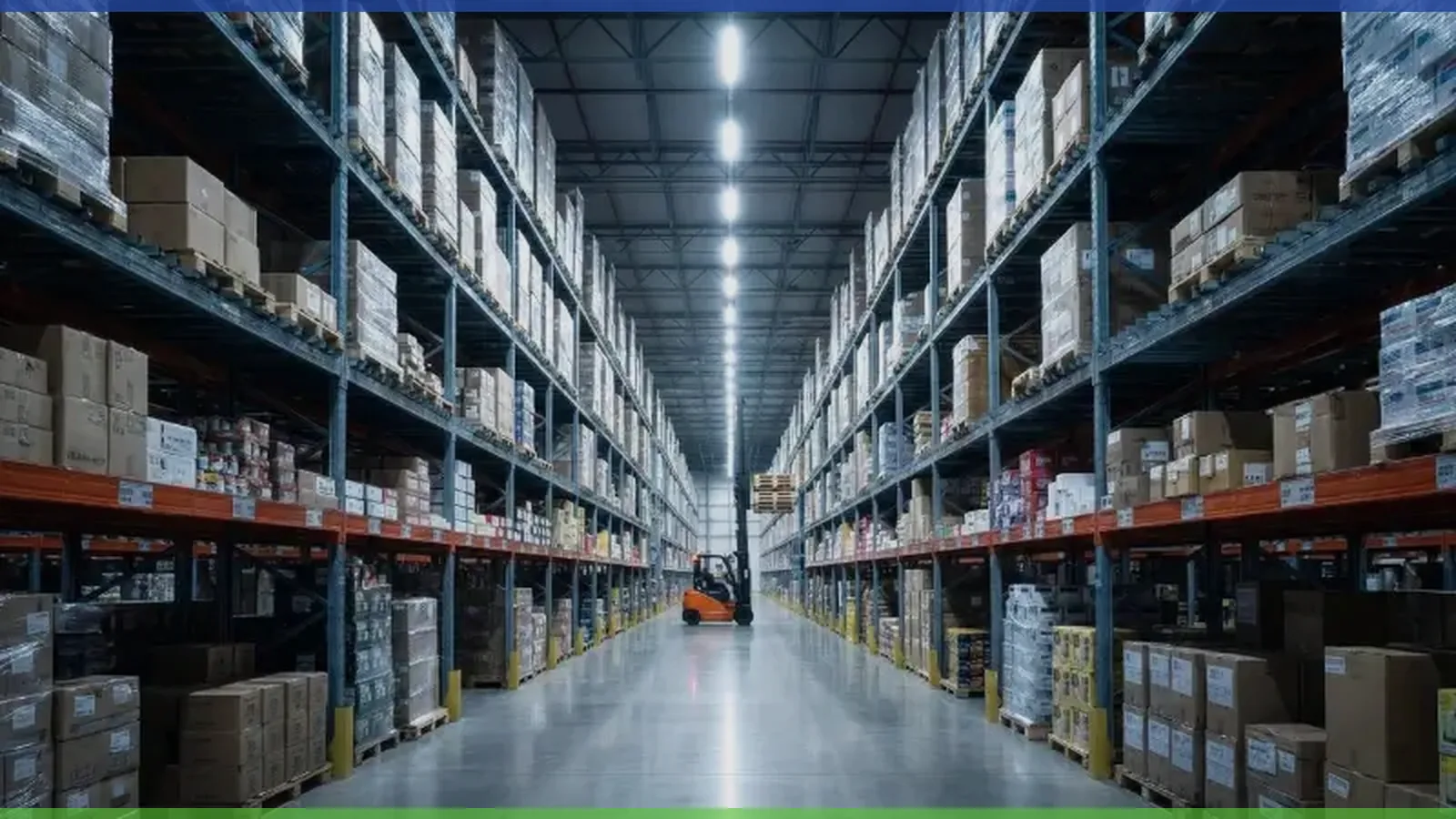
Warehouse Infrastructure: Does the facility have the specialized racks required for 2.4-meter linear fixtures? Flat-stacking these items on a floor can cause “bowing” and lens cracking.
-
Technical Support: Can the logistics team verify the wattage and CCT labeling of the boxes against your master order? This prevents “Project Site Mismatches” where the wrong lights are installed on the wrong floor.
-
Direct Factory Access: Partner with a manufacturer that has an in-house logistics department. Buying direct from a factory that also handles consolidation ensures that the engineers and the packers are speaking the same language.
The European Hub Strategy: Last-Mile Delivery
For our EU-based partners, the ultimate form of consolidation is found in our local warehouses in **Spain and the Netherlands**.
Instead of our clients managing the risks of consolidated sea freight, we handle the mass-importation of tunable white linear lights and industrial battens ourselves. Our partners then “call off” their consolidated orders from our local hubs. This provides DDP (Delivered Duty Paid) simplicity, removed transit risks, and ensures that even if a project spec changes at the last minute, the inventory is already on European soil and ready for 48-hour delivery.
Conclusion: Building a Competitive Supply Chain
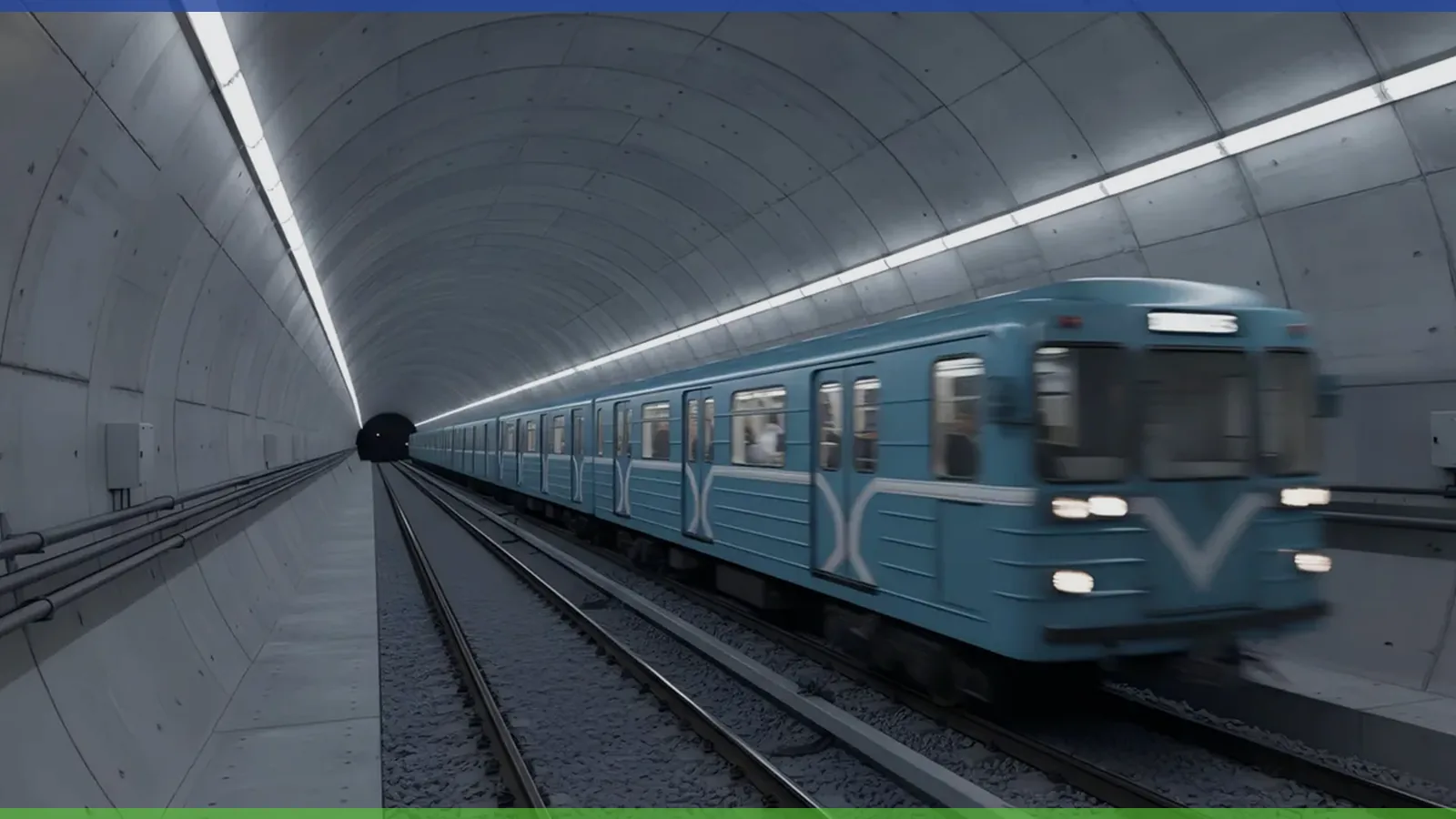
In 2026, the competitive advantage in the lighting industry belongs to those who master the “Physics of Logistics.” Consolidation services are the engine of this mastery. By combining orders from multiple factories, facility managers can achieve a level of cost efficiency, quality control, and delivery reliability that is impossible with fragmented shipping. Whether you are building a safe underground tunnel infrastructure or a high-efficacy smart office, consolidation is the key to protecting your ROI. At Fanxstar, we don’t just engineer world-class light; we engineer world-class supply chains. Investing in consolidated logistics today is the only way to ensure your project stays bright, profitable, and on schedule for the next decade.
FAQ
Does consolidation increase the total lead time?
Potentially by 3-5 days. This is the time needed to transport goods from the secondary factories to the hub and load the container. However, this is usually offset by the faster customs clearance of a single FCL shipment.
Is my project too small for consolidation?
If your total volume exceeds 2m3, consolidation is technically and financially viable. Below that volume, the administrative costs of coordinating multiple factories may outweigh the freight savings.
Can I consolidate different types of products (e.g. lights and ceiling tiles)?
Yes, but you must ensure the products are “chemically and physically compatible.” For example, you should never ship LED fixtures in the same container as corrosive cleaning agents or high-moisture timber.
What happens if one factory is late?
This is the main risk of consolidation. We manage this by utilizing a “Split-Shipment” strategy: if one vendor is significantly delayed, we ship the ready goods and consolidate the remainder into the next available container.
Does Fanxstar provide documentary consolidation?
Absolutely. We provide a single commercial invoice and a unified packing list that covers all Fanxstar brands and authorized third-party components included in your shipment, ensuring 100% customs compliance.