Key Takeaways
-
Massive Cost Savings: LED lighting uses up to 75% less energy than traditional systems and slashes maintenance costs, delivering a full return on investment (ROI) in as little as 1-3 years.
-
Beyond Basic Illumination: Modern smart lighting systems are IoT platforms, enabling adaptive lighting, occupancy sensing, and data collection for unprecedented operational control.
-
Total Operational Superiority: LEDs outperform Metal Halide in every key metric: lifespan (50,000+ vs. 10,000 hours), durability, instant-on capability, light quality, and heat output.
-
Future-Proof Investment: The future of industrial lighting includes Li-Fi data transmission, Human-Centric Lighting (HCL), and deep integration with Building Management Systems (BMS).
The Era of Metal Halide: Dominance and Drawbacks
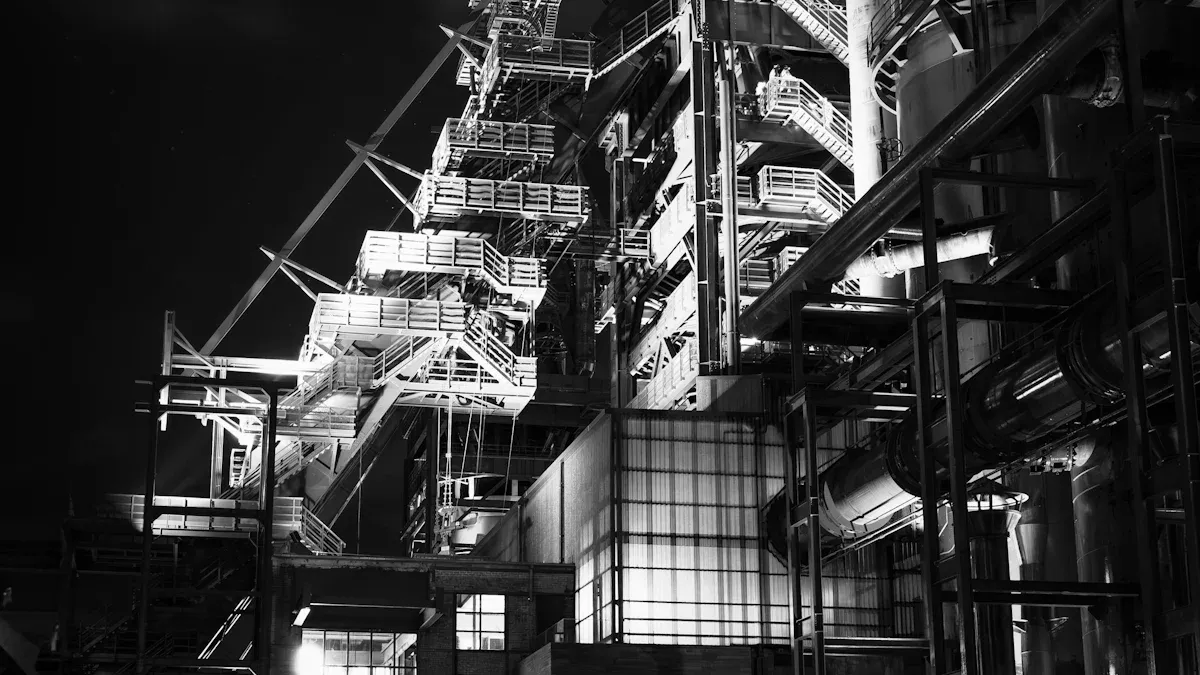
For decades, metal halide (MH) technology was the undisputed champion of industrial high-bay lighting. Its reign was built upon a single advantage: the ability to produce an intense light from a single point source. However, as the industry evolves towards energy-efficient alternatives, the drawbacks of MH have become undeniable.
The Significant Inefficiencies
Despite historical dominance, metal halide technology carries substantial drawbacks compared to modern solutions like Fluorescent lighting or LEDs:
-
High Energy Consumption: Metal halide lamps waste a significant portion of electricity as heat rather than light.
-
Substantial Heat Generation: These fixtures act as large-scale heaters, adding burden to HVAC systems.
-
Short Lifespan: With a lifespan of only 6,000 to 15,000 hours, they require frequent, costly replacements.
-
Slow Restrike Time: If an MH lamp is turned off, it can take 20 minutes to cool down and reignite, leaving work areas dangerously dark.
The LED Revolution: Technological Advantages
The evolution of industrial lighting is defined by a fundamental shift to Light Emitting Diode (LED) technology. This transition is not merely a change in bulb type but a complete overhaul in advancements in energy efficiency.
Data-Driven Efficiency
When evaluating a lighting upgrade, the most impactful advantage is the reduction in energy consumption. Energy Efficiency is where LED shines, delivering 50-80% savings over Metal Halide. LEDs focus on producing visible light with minimal waste heat. Modern LED fixtures produce superior light levels using a fraction of the power.
Superior Lifespan and Instant-On
Unlike Metal Halide, quality industrial LED fixtures offer lifespans of 50,000 to 100,000 hours. This drastically reduces maintenance frequency. Furthermore, LEDs provide instant-on capability, enhancing safety by eliminating the dangerous warm-up periods of older technology.
Beyond Basic LEDs: Smart Lighting and IoT
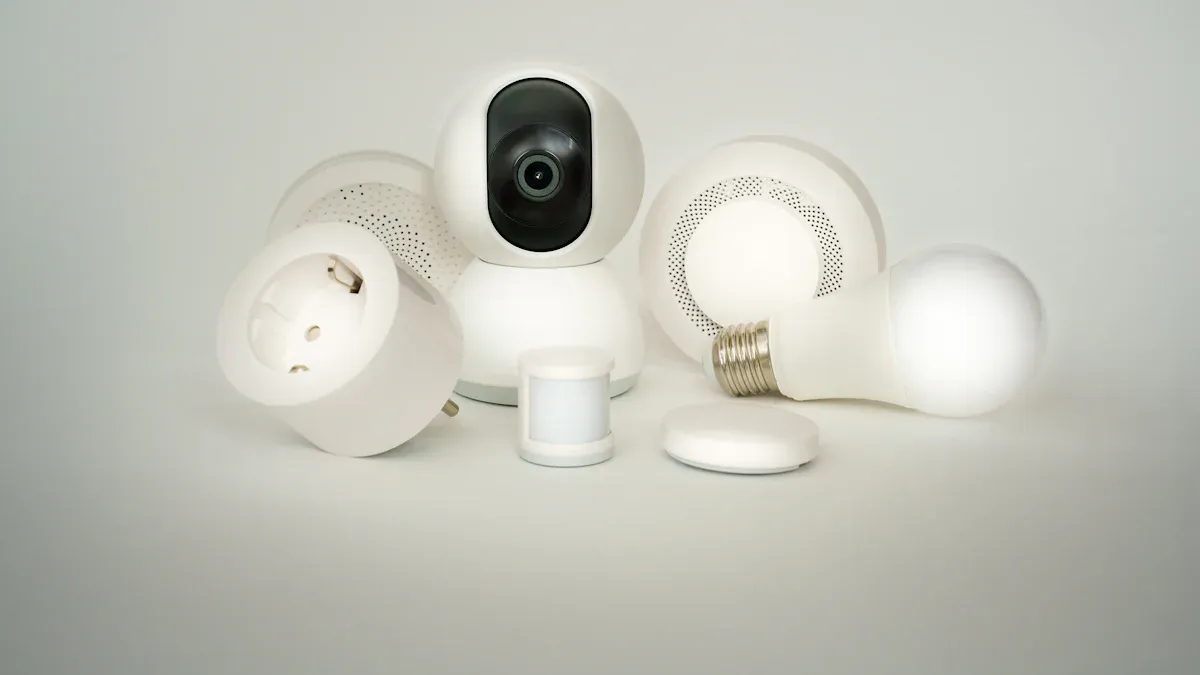
The transition to LED was just the first step. The true paradigm shift is occurring as advanced LED and smart lighting systems evolve into intelligent nodes on a network. This transformation is powered by Modern lighting technology uses sensors to create dynamic, data-generating systems.
Key Capabilities Enabled by IoT
-
Adaptive Lighting: Precision sensors allow lights to dim or brighten based on natural daylight (harvesting) or occupancy, eliminating waste.
-
Data Collection: Each smart luminaire acts as a data point, monitoring space utilization and environmental conditions.
-
Predictive Maintenance: Smart systems monitor their own health, alerting teams before failure occurs.
Calculating the ROI: Total Cost of Ownership
For facility managers, justifying an upgrade requires a clear business case. Upgrading to LED delivers Significant Energy Savings and a compelling ROI.
How to Calculate Annual Savings
To estimate your savings, compare the wattage difference between your old and new fixtures:
Formula: (Current Fixture Wattage – New LED Wattage) * Quantity * Annual Hours * Electricity Rate / 1000 = Annual Energy Savings
For example, replacing fifty 400W Metal Halides with 180W LEDs can result in thousands of dollars in annual savings, often paying back the initial investment in under 2 years. This calculation doesn’t even include the massive reduction in maintenance labor.
Choosing the Right LED Solution
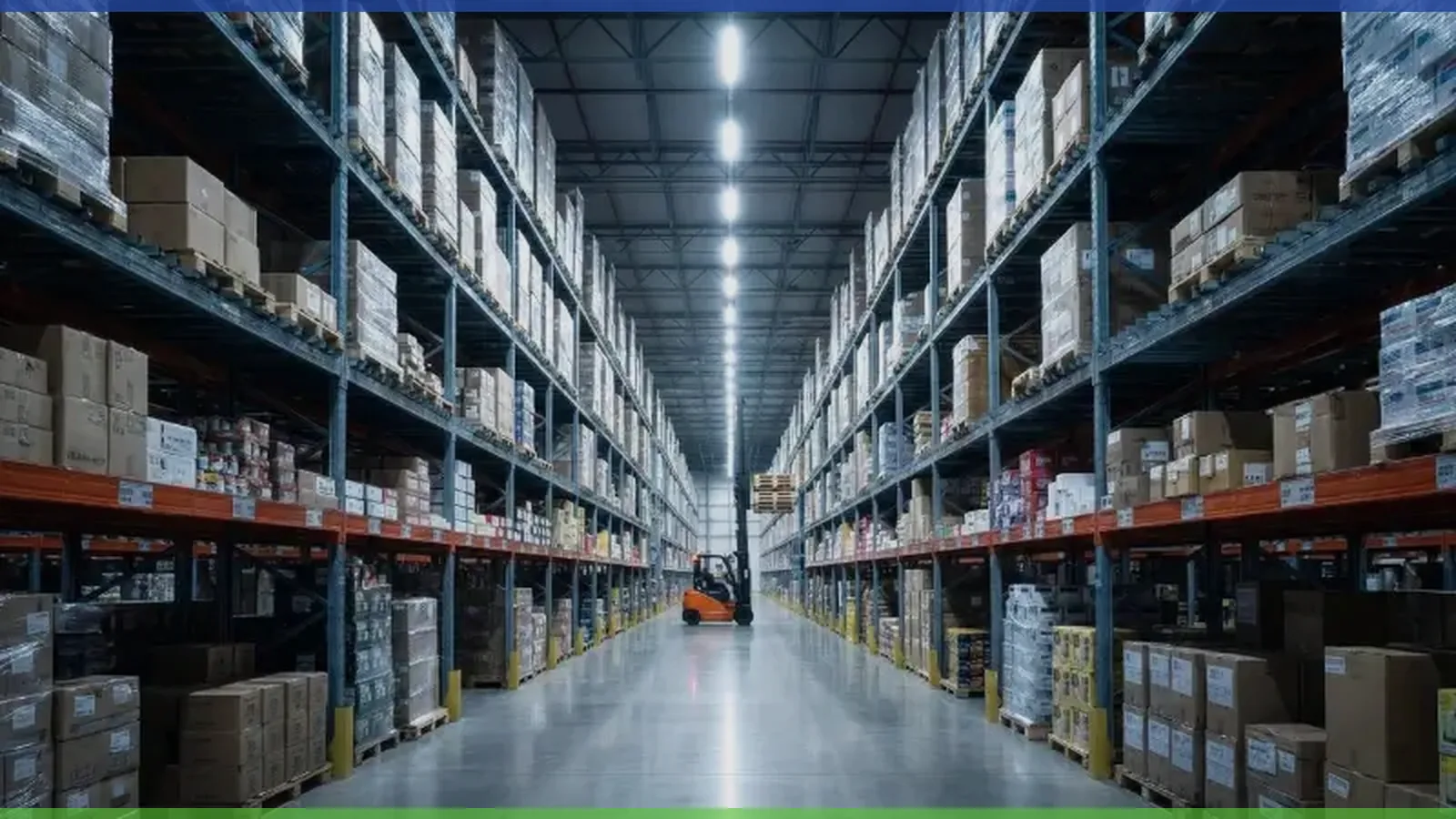
Navigating the transition requires understanding your needs. Don’t just look at watts; focus on lumens. Also, consider the environment. Dusty warehouses need fixtures with high IP ratings. Finally, plan for the future by selecting led street lighting or high-bay systems compatible with smart controls.
Future Trends: Where Industrial Lighting is Headed
The future of industrial lighting goes beyond illumination. We are moving toward Li-Fi (Light Fidelity), where lights transmit data for autonomous vehicles, and AI-driven systems that predict operational needs. This evolution turns lighting into the central nervous system of smart facilities.
FAQ
What are the main benefits of upgrading from Metal Halide to LED?
The primary benefits are massive energy savings (up to 80%), elimination of maintenance due to long lifespans (50,000+ hours), improved light quality (better CRI), and instant-on capability which improves safety.
How does smart lighting improve industrial operations?
Smart lighting integrates IoT sensors to automate brightness based on occupancy and daylight, drastically reducing energy waste. It also provides data on facility usage and enables predictive maintenance.
What is the typical ROI for an LED lighting upgrade?
For most industrial facilities operating 24/7 or with long shifts, the Return on Investment (ROI) is typically achieved in 1 to 3 years through electricity and maintenance savings.
Why is “Restrike Time” important in industrial lighting?
Metal Halide lamps take up to 20 minutes to turn back on after a power blip, causing downtime and safety risks. LEDs turn on instantly, eliminating this risk completely.