China is responsible for over 65% of the world’s lighting fixture production. However, for international B2B buyers and engineers, the inability to physically visit a facility remains a major barrier to technical trust. A “Factory Audit” is no longer just a luxury—it is a mandatory component of risk mitigation. In 2026, the rise of digital twins, high-definition Remote Visual Inspection (RVI), and transparent government databases has made it possible to audit a Chinese lighting factory with extreme precision without ever boarding a plane. A professional remote audit ensures that you are partnering with an actual manufacturer rather than a trading company, and that their engineering standards meet your specific project requirements.
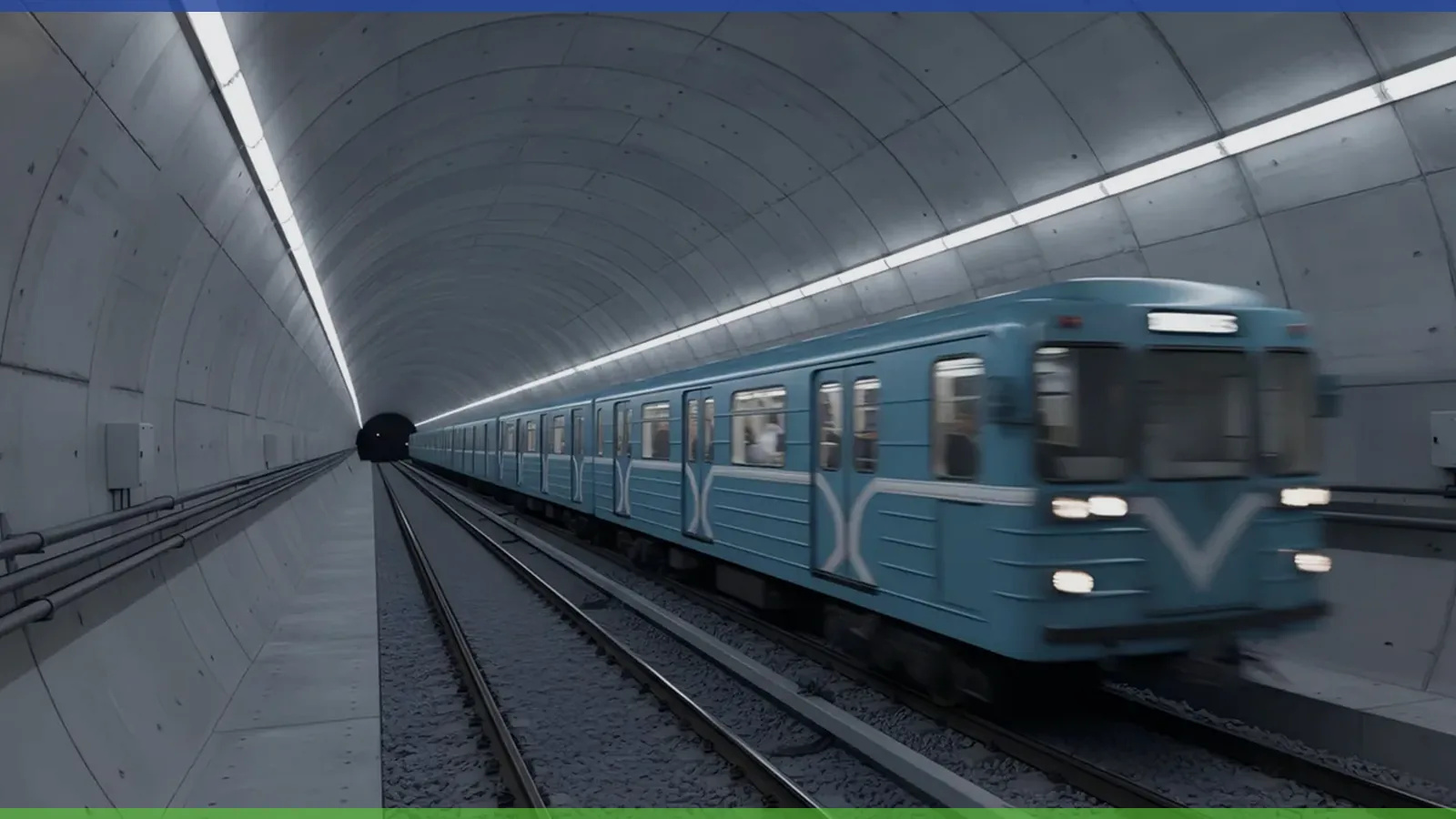
Whether you are outfitting a high-vibration railway tunnel or a sub-zero freezer, the cost of failure is astronomical. This guide provides a technical framework for performing “Virtual Due Diligence,” focusing on documentary verification, live operational audits, and technical certification analysis.
Key Takeaways
-
Documentary Integrity: Use the NECIPS database to verify the Unified Social Credit Code and legal representative of the factory.
-
Certification Audit: Authenticate UL, ENEC, and TUV numbers directly on the certification body’s portal; never rely on PDF copies alone.
-
High-HD RVI: Conduct live 5G video tours focusing on SMT lines, thermal testing integration spheres, and the 48-hour aging room.
-
IP/IK Verification: Request third-party lab reports (LM-79, TM-21) to verify claims of IP66/IP69K sealing and IK10 impact resistance.
-
OEM Transparency: Verify authorized partnerships with Tier-1 component brands like Philips, Osram, or Tridonic for driver reliability.
Phase 1: Documentary Due Diligence (NECIPS)
Verifying Business Legitimacy
The first step in a remote audit is to confirm that the company exists and is licensed for manufacturing. In China, this is done via the **National Enterprise Credit Information Publicity System (NECIPS)**. A manufacturer must have “Production” or “Manufacturing” listed in their business scope. If the scope only includes “Sales” or “Export,” you are dealing with a trading company. A reliable leading lighting manufacturer like Fanxstar will have its production facilities clearly documented across multiple Guangdong hubs.
The High-Tech Enterprise Benchmark
Look for the “National High-Tech Enterprise” (GR202xxxx) certificate. This status is granted by the Chinese government only to firms that invest a minimum of 3-5% of their revenue in R&D and own significant original patents. This is a critical indicator for architects seeking customized lighting solutions, as it guarantees the factory has an internal engineering team capable of bespoke technical adjustments.
|
Audit Category |
Technical Marker |
Sourcing Goal |
|---|---|---|
|
Business License |
Unified Social Credit Code (18 digits) |
Verify legal identity and scope |
|
Quality Management |
ISO 9001:2015 Certification |
Ensure systematic QC discipline |
|
Technical Status |
National High-Tech Certificate |
Confirm original R&D capability |
|
Export Record |
Customs Registration Number |
Verify international trade experience |
Phase 2: Technical Certification and Performance Reports
Authenticating Safety Marks
In the EU and North American markets, certifications like ENEC, TUV, and UL are the industry’s insurance policy. During your audit, request a “live” share of the certificate numbers. A reliable supplier will provide the specific laboratory report that matches the fixture’s internal Bill of Materials (BOM). If the driver brand listed in the TUV report does not match the driver inside the physical light, the certification is void.
Essential Certifications for Industrial LEDs:
-
LM-80 / TM-21: Proves the L70 lifespan rating. Without this, claims of “100,000 hours” are technically unverified.
-
IES / LDT Files: Necessary for Dialux simulations to ensure target lux levels.
-
RoHS 2.0: Ensures compliance with hazardous substance restrictions for the European market.
Phase 3: Remote Visual Inspection (RVI) via Live Video
Static photos are easily staged. A live video tour via WeChat, WhatsApp, or Zoom is the most effective way to audit the “vibe” of the factory. As the camera moves through the facility, an engineer should focus on the following technical areas:
1. The SMT (Surface Mount Technology) Line
Modern LED boards must be populated in a cleanroom environment using automated machinery. Observe the “pick-and-place” speed and the reflow oven temperature monitors. Manual soldering of LED chips is a significant red flag that leads to early failure in coastal or high-humidity environments.
2. The Sealing and Gasket Station
For tri-proof lights, the gasket is the single most important part of the fixture. Observe how the silicone is applied. High-end manufacturers like Fanxstar use automated “foamed-in-place” CNC gasketing systems. This ensures a 100% hermetic seal, providing the IP66 or IP69K ratings required for car washes and food processing plants.
3. The Integrating Sphere and Testing Lab
A real factory will have its own photometric testing laboratory. Ask the staff to place a sample in the Integrating Sphere and provide a real-time spectral report. Verify the CRI (Ra), Luminous Efficacy (lm/W), and color temperature (CCT). This prevents the “Low-Bin Substitution” risk where a factory uses cheaper, inconsistent LED chips.
|
Inspection Point |
Reliability Indicator |
Warning Sign (Red Flag) |
|---|---|---|
|
Aging Room |
Full fixtures lit for 48 hours |
Dark room or few sample units only |
|
SMT Room |
Automated pick-and-place |
Hand-soldering workstations |
|
Warehouse |
Organized component tracking |
Messy labels or unbranded drivers |
|
Sealing Process |
CNC Automated Gasketing |
Manual rubber band insertion |
Phase 4: Evaluating Engineering R&D Strength
A Chinese lighting factory that specializes in weatherproof motion detector lights or complex DALI-2 systems must possess internal electronics expertise. During your virtual audit, request to speak with the Chief Engineer.
Technical Questions to Ask:
-
“How do you calculate the thermal derating curve for your drivers in Ta 55’C environments?”
-
“What is the Surge Protection Level (kV) integrated into the circuit?”
-
“Can you provide the 3D CAD files for the aluminum heat sink extrusion?”
A technical innovator will answer these immediately; a trading company will need to “check with the production department.”
“An audit isn’t just about catching a supplier doing something wrong; it’s about confirming they have the technical infrastructure to do things right.”
Phase 5: Using Third-Party Inspection Services
If your project’s technical stakes are high—such as outfitting a hard-to-reach tunnel—we recommend hiring a third-party agency (e.g., QIMA, SGS, V-Trust) to perform a formal on-site audit. These firms provide a 20-30 page report with high-resolution evidence.
Key elements of a third-party report:
-
Verification of Employees: Ensuring social responsibility and accurate staff counts.
-
Machinery Audit: Confirming the serial numbers and maintenance logs of the production equipment.
-
Random Sampling: The inspector pulls a random light from the line and performs a “Drop Test” or a “Hi-Pot” electrical safety test on-site.
Risk Mitigation: Detecting Red Flags Remotely
The most dangerous red flag is “The Open-Mold Imitation.” Many generic suppliers use identical exterior housings purchased from common tool shops. These fixtures look like premium lights but lack the internal AL6063 aluminum substrates or high-end drivers. During your live video audit, ask the technician to open a fixture. A reliable tri-proof LED light should have a thick aluminum backbone for heat dissipation. If you see only a thin LED strip glued to plastic, the fixture will fail in under two years.
|
Vulnerability |
Remote Audit Detection Method |
|---|---|
|
Inconsistent Binning |
Request live “MacAdam Step” test data |
|
Cheap Drivers |
View internal driver label via video zoom |
|
Weak Enclosures |
Observe “Impact Test” in the factory lab |
|
Fake Certificates |
Verify QR codes on certification portals |
Conclusion: Building a Transparent Partnership
Auditing a Chinese lighting factory without traveling is not about replacing the human element; it is about utilizing 2026 digital tools to achieve technical transparency. By combining documentary verification through NECIPS, live video inspections of the SMT and gasketing lines, and rigorous authentication of third-party certifications, procurement professionals can build a resilient and highly profitable supply chain. Manufacturers like Fanxstar represent the new breed of Chinese exporters: vertically integrated, R&D-focused, and committed to global standards. Investing time in a comprehensive technical audit today is the only way to safeguard your facility’s infrastructure for the next decade. In the world of industrial lighting, if you can verify the engineering, you can secure the ROI.
FAQ
How do I verify a factory’s ‘National High-Tech’ status?
Request their certificate number and search it on the official ‘innocom.gov.cn’ portal. This confirms the factory is a legitimate innovator recognized by the Chinese Ministry of Science and Technology.
Is a ‘Virtual Tour’ really as good as an in-person visit?
For technical verification, yes. RVI tools can zoom into microscopic solder joints or read sensor calibration data in real-time, providing more detail than a casual walkthrough might offer.
What is the most important certification for a lighting factory?
ISO 9001:2015 is the mandatory foundation for quality management. Without it, the factory lacks the systematic discipline to ensure that the 10,000th light is identical to the 1st.
Can I trust an Alibaba ‘Verified’ badge?
It is a good start, as it proves the business is legally registered. However, it does not verify the technical performance of their fixtures. You must still request LM-80 and IES files for project verification.
How long does a remote audit typically take?
A thorough remote audit—including documentary verification, a 2-hour live video tour, and technical interviews—can be completed in 1 to 3 business days.