Modern retail spaces are no longer just places for transactions; they are carefully curated stages where lighting serves as the primary director of the customer journey. Seamless linear trunking systems have emerged as the gold standard for high-end supermarkets and department stores, offering an uninterrupted ribbon of light that enhances store aesthetics while maximizing lux levels. By eliminating visual clutter and dark zones, these integrated systems create a cohesive atmosphere that can increase customer dwell time by over 30%.
Key Takeaways
-
Architectural Uniformity: Modular trunking eliminates the “zebra effect” (alternating light and dark patches) found in traditional point-source lighting.
-
Optimized Lux Levels: High-efficacy LEDs combined with precision optics provide up to 160 lm/W, ensuring merchandise is saturated with high-quality light.
-
Operational Agility: Modular designs allow for tool-free reconfiguration of sensors, track spots, and emergency units as store layouts evolve.
-
Energy Leadership: Integrated daylight harvesting and occupancy sensors can slash utility costs by 60% compared to standard fluorescent installations.
-
Visual Comfort: UGR<19 ratings ensure a glare-free environment, reducing shopper fatigue and enhancing color perception.
The Evolution of Modular Trunking in Retail Design
As store design shifts toward minimalist and industrial aesthetics, the demand for clean ceiling lines has reached an all-time high. Conventional lighting often relies on individual suspended fixtures that require complex wiring and numerous suspension points. Modular rail systems solve this by utilizing a pre-wired backbone that carries power and data across vast areas.
These systems integrate splicing covers and patented plug-in mechanisms to create a visually continuous run. Available in black, white, or silver finishes, the housings blend seamlessly into any architectural theme. By using high-transmission opal polycarbonate materials, the light is softened and diffused, preventing the harsh “pixelated” look of lower-quality LED strips.
|
Lighting Strategy |
Visual Effect |
Technical Complexity |
|---|---|---|
|
Standard Suspended LED |
Interrupted, cluttered ceiling |
High (Individual wiring for each unit) |
|
Seamless Linear Trunking |
Continuous, clean ribbon of light |
Low (Tool-free plug-and-play rail) |
|
Traditional Fluorescent |
Dated, prone to flickering |
Moderate (Ballast and tube maintenance) |
Eliminating Dark Zones: The Technical Advantage of Seamless Splicing
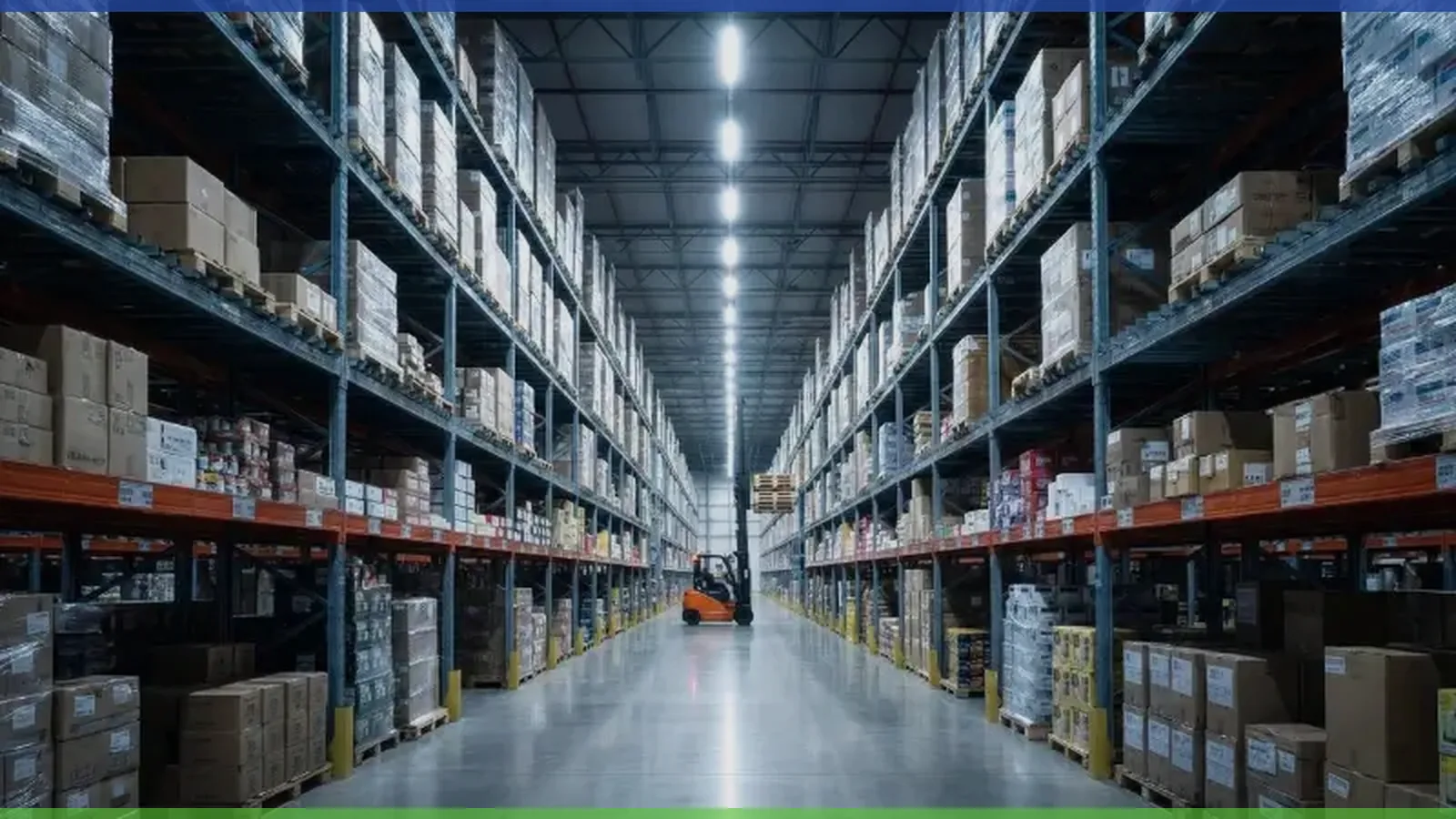
In retail, dark zones are profit killers. When an aisle has inconsistent illumination, products on the edges of the lighting field are ignored by consumers. Advanced splicing technology ensures that luminous flux remains constant from fixture to fixture. This uniform distribution is essential for “high-rack” environments where visibility at floor level is as important as at eye level.
Modern linear trunking systems use specialized optical lenses (60°, 90°, and asymmetric patterns) to focus light precisely where it is needed. For example, a narrow beam lens can increase vertical illuminance on shelving faces by up to 30%, making product labels pop and reducing the need for additional shelf-edge lighting.
“Consistent lighting is the cornerstone of psychological comfort in retail. When a customer can navigate without adjusting their pupils to shadows, their focus shifts entirely to the merchandise.”
Maximizing Efficacy and Long-Term Value
Sustainability and profitability go hand-in-hand. Professional-grade commercial LED lighting from Fanxstar delivers a luminous efficacy of 160 lm/W. This ensures that the facility reaches target lux levels (typically 500-750 lux for general retail) with minimal energy draw.
The ROI of Smart Automation
Trunking systems are more than just power rails; they are data-capable backbones. Integrating smart daylight harvesting allows the system to monitor natural light coming through windows or skylights. As the sun gets brighter, the LED modules dim automatically, maintaining a constant light level while saving energy. Research published in ScienceDirect suggests that intelligent lighting design can directly impact purchase decisions by up to 12% by fostering a “premium” store image.
|
Efficiency Feature |
Savings Contribution |
Benefit to Store Owner |
|---|---|---|
|
High Luminous Efficacy |
~70% vs. Fluorescent |
Immediate lower utility bills |
|
Daylight Harvesting |
20% – 40% Dynamic reduction |
Sustainability compliance & tax credits |
|
Motion Sensing |
Eliminates “Idle Burn” |
Extended fixture lifespan (L80B10) |
Specialized Solutions: From Fashion to Fresh Food
A “one size fits all” approach does not work in modern retail. Different merchandise requires different spectral qualities. Modular trunking allows for the mixing of different LED modules within the same rail run.
High CRI for Color Precision
For fashion and design stores, a Color Rendering Index (CRI) of 90 or 95+ is mandatory. This ensures that the deep blues and vibrant reds of apparel appear true to life. Standard commercial lighting (CRI 80) often makes fabrics look dull or “muddy,” leading to higher return rates when customers see the true color at home. High-fidelity lighting builds customer trust and reduces the “color-gap” in their purchase experience.
Spectrum-Tuned Fresh Food Illumination
In supermarkets, fresh produce and meat departments require specialized spectrum options. Supermarket linear solutions can be equipped with modules that reduce UV/IR emissions, which prevents premature oxidation and discoloration of fresh meats. By controlling color temperature, retailers can make vegetables look crisper and meats look juicier, effectively reducing “shrinkage” and waste.
-
Warm Tones (2700K – 3000K): Ideal for bakeries and wine sections to create a cozy, premium feel.
-
Neutral White (4000K): The standard for grocery aisles to emphasize cleanliness and organization.
-
Cool White (5000K+): Used in fish and dairy departments to highlight freshness and hygiene.
Operational Efficiency: Connectivity and Modular Maintenance
One of the most significant advantages of a trunking system is its modular nature. In a traditional setup, if a driver fails, a technician must climb a lift, dismantle the fixture, and rewire it—often in the middle of a shopping aisle. With modular LED systems, individual light engines can be swapped out in seconds without specialized tools.
Furthermore, series connectivity allows for up to 50 fixtures to be powered from a single feed, reducing the total amount of copper wiring and conduit required by 75%. This “Fast Installation” protocol is vital for retailers undergoing rapid store rollouts or night-time renovations where speed is the primary constraint.
|
Application Area |
Recommended Lux Level |
Recommended CRI |
|---|---|---|
|
Fashion & Textiles |
500 – 800 Lux |
90+ (Ra) |
|
General Grocery |
500 – 750 Lux |
80+ (Ra) |
|
Jewelry & Watch Displays |
1000 – 1500 Lux |
95+ (Ra) |
|
Stairwells & Storage |
150 – 200 Lux |
70+ (Ra) |
Conclusion: A Future-Proof Investment
Seamless linear trunking systems represent the convergence of architectural beauty and engineering excellence. By providing continuous, uniform illumination and integrating smart technology, they future-proof retail environments against rising energy costs and evolving consumer expectations. Whether you are aiming to enhance the luxury feel of a boutique or the operational efficiency of a massive supermarket chain, modular trunking delivers the luminous performance and aesthetics required to succeed in today’s market.
Frequently Asked Questions (FAQ)
What is a seamless linear trunking system?
It is a modular lighting infrastructure that consists of a pre-wired mounting rail (trunking) and interchangeable LED modules. It allows for end-to-end connection without gaps, creating a continuous line of light.
How does seamless lighting improve customer experience?
By eliminating dark spots and reducing glare (UGR<19), it creates a visually comfortable environment that reduces shopper fatigue. High CRI modules also ensure products look vibrant and true-to-color, which increases purchase confidence.