LED lighting is usually the lowest-cost choice for commercial and industrial buyers, but the buying decision is weaker when the comparison stops at bulb type. The useful comparison is delivered lumens, fixture watts, operating hours, service access, heat, controls, and evidence that the quoted product version can keep that performance after installation.
Fluorescent and halogen technologies still appear in old specifications, maintenance stores, and legacy bid language. A serious replacement decision should not treat them as equal alternatives to modern LED platforms, but it also should not assume that every LED quote is automatically better. The buyer needs a normalized cost model and a release checklist that separates the technology advantage from the quality of the actual fixture being purchased.
Key Takeaways
- Compare LED, fluorescent, and halogen by delivered lumen target and annual operating hours, not by lamp name alone.
- LEDs usually win energy and maintenance economics, while halogen loses most quickly where operating hours are long.
- Fluorescent systems can look cheaper if old ballasts, disposal, color stability, warm-up, and service visits are ignored.
- For B2B replacement projects, the RFQ should request luminaire-level watts, photometric data, driver evidence, warranty scope, and sample performance rather than a generic LED label.
Why the old bulb comparison is not enough for buyers
Lamp type does not equal system performance
DOE explains LED lighting as a technology that uses far less energy than incandescent lighting and releases very little heat. That point is useful, but commercial buyers rarely buy a bare light source without a fixture, optic, driver, emergency option, sensor, diffuser, or wiring requirement. The energy advantage has to survive the full luminaire design.
ENERGY STAR notes that LED products produce light far more efficiently than incandescent lighting, and it also explains that LED lifetime is usually about lumen depreciation rather than a simple burn-out event. That distinction matters in procurement because a fixture can still light up while no longer meeting the design target. Buyers should ask what lumen maintenance assumption, driver temperature, and warranty condition are behind the advertised life.
Halogen is easiest to reject in high-hour projects because it turns a large share of input energy into heat and requires frequent replacement. Fluorescent is more nuanced. A decent fluorescent system may have served warehouses, offices, schools, and utility spaces for years, but the old comparison often hides ballast failure, lamp stock complexity, mercury handling, start-up behavior, dimming limitations, and poor compatibility with modern controls. The buyer should measure the whole ownership path, not just the replacement lamp shelf price.
The first screen in search should answer the commercial problem
Searchers who compare LED, fluorescent, and halogen are usually not looking for a school-level definition. They want to know which technology lowers operating cost, what it will cost to change, and where a cheaper-looking option can create future maintenance risk. The opening answer has to make that procurement logic visible: LED normally wins when hours are meaningful, but only when the fixture meets the same lumen, optical, safety, and application requirements.
ENERGY STAR commercial lighting upgrade guidance highlights that modern LED options can use far less energy and last much longer than traditional incandescent or CFL alternatives. For a facility buyer, that is a starting point for a model. The next question is whether the replacement fixture keeps the same distribution, mounting, glare control, emergency function, IP rating, and service access. A low-watt LED that misses the task can create a false saving.
Normalize the cost model before comparing fixtures
Use delivered lumens, not nominal lamp watts
A clean comparison starts with one task target. Suppose a facility needs about 10,000 delivered lumens in a work zone. At 150 lm/W, an LED solution may need roughly 67 W at the luminaire level. At 80 lm/W, a fluorescent solution may need about 125 W. At 25 lm/W, a halogen solution may need about 400 W. Those are illustrative values, but they show why the decision changes when the buyer normalizes output first and wattage second.
For 100 fixtures operating 4,000 hours per year, the illustrative annual energy use becomes about 26,800 kWh for the LED option, 50,000 kWh for the fluorescent option, and 160,000 kWh for the halogen option. If the local electricity cost is USD 0.14/kWh, the annual energy cost is roughly USD 3,752, USD 7,000, and USD 22,400. The exact tariff should come from the site, and EIA explains that electricity prices vary by region, fuel, weather, generation mix, and customer type. The model still shows the buyer which variable deserves attention.
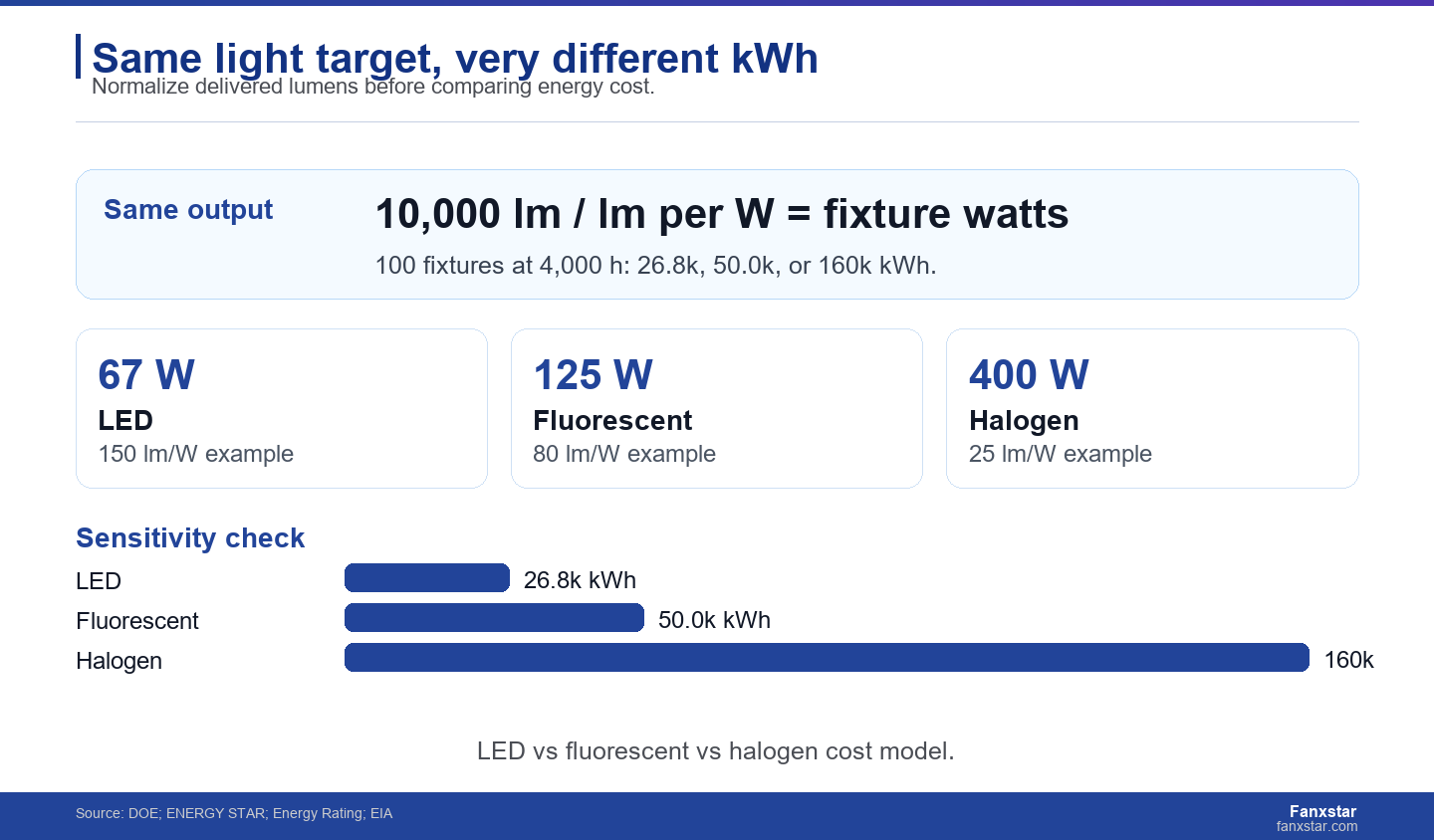
The lesson is not that every fixture must chase the highest catalog efficacy. Optics, CRI, CCT, driver quality, thermal design, emergency function, and lens choice can lower lm/W while improving the project. The lesson is that a buyer should not compare a 40 W LED fixture with a 40 W fluorescent fixture as if both delivered the same useful light. Delivered light, mounting height, distribution, and maintained illuminance set the real baseline.
Separate retrofit savings from technology savings
A replacement project often bundles several savings together. The facility may move from old halogen or fluorescent lighting to LED, reduce fixture count, add daylight or motion controls, change maintenance intervals, and improve the visual task. That total project case can be valid, but it can also hide which part of the decision carries the return. A buyer should ask for an LED-only case, a control case, and a maintenance case when the order is large enough to matter.
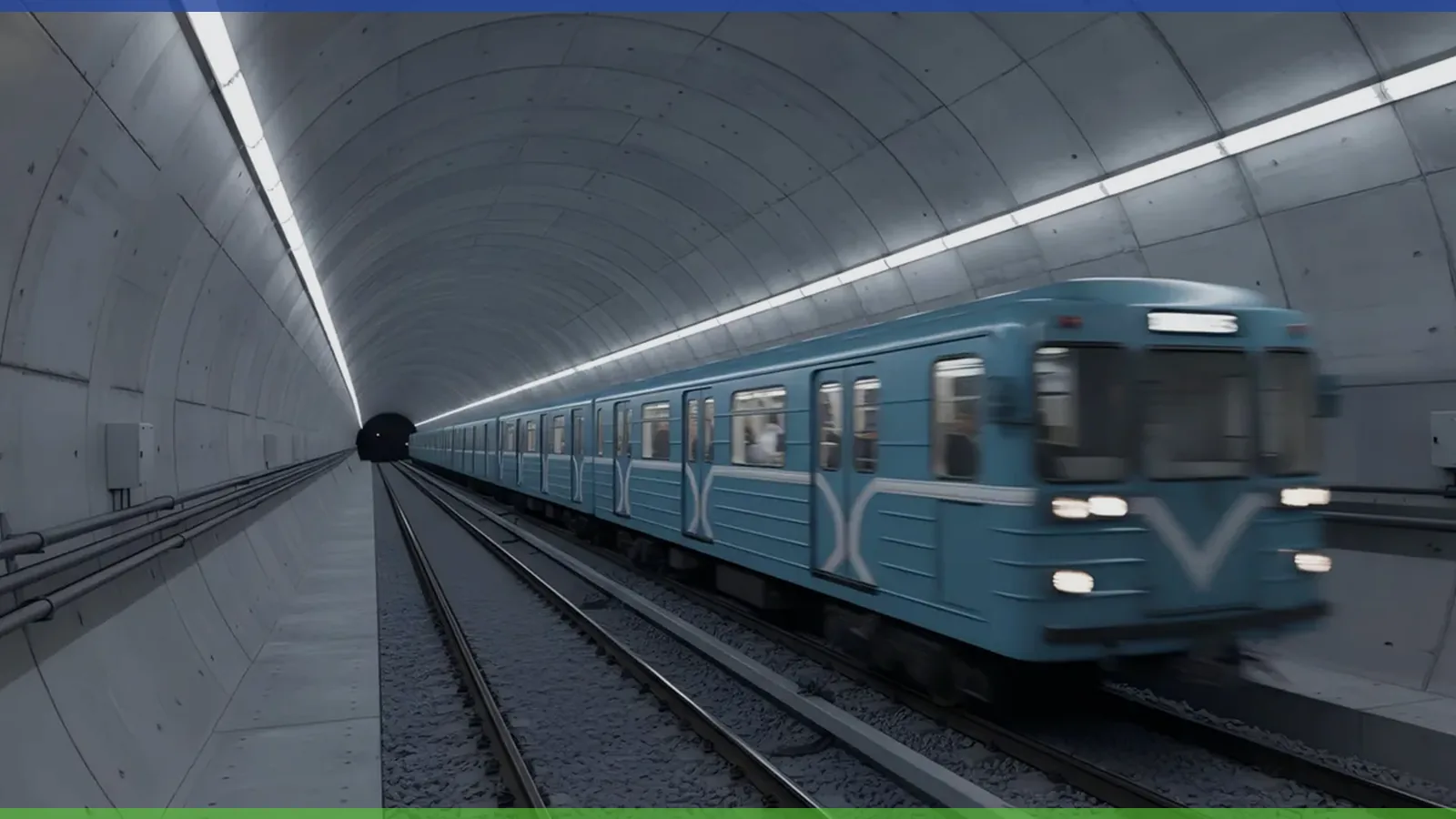
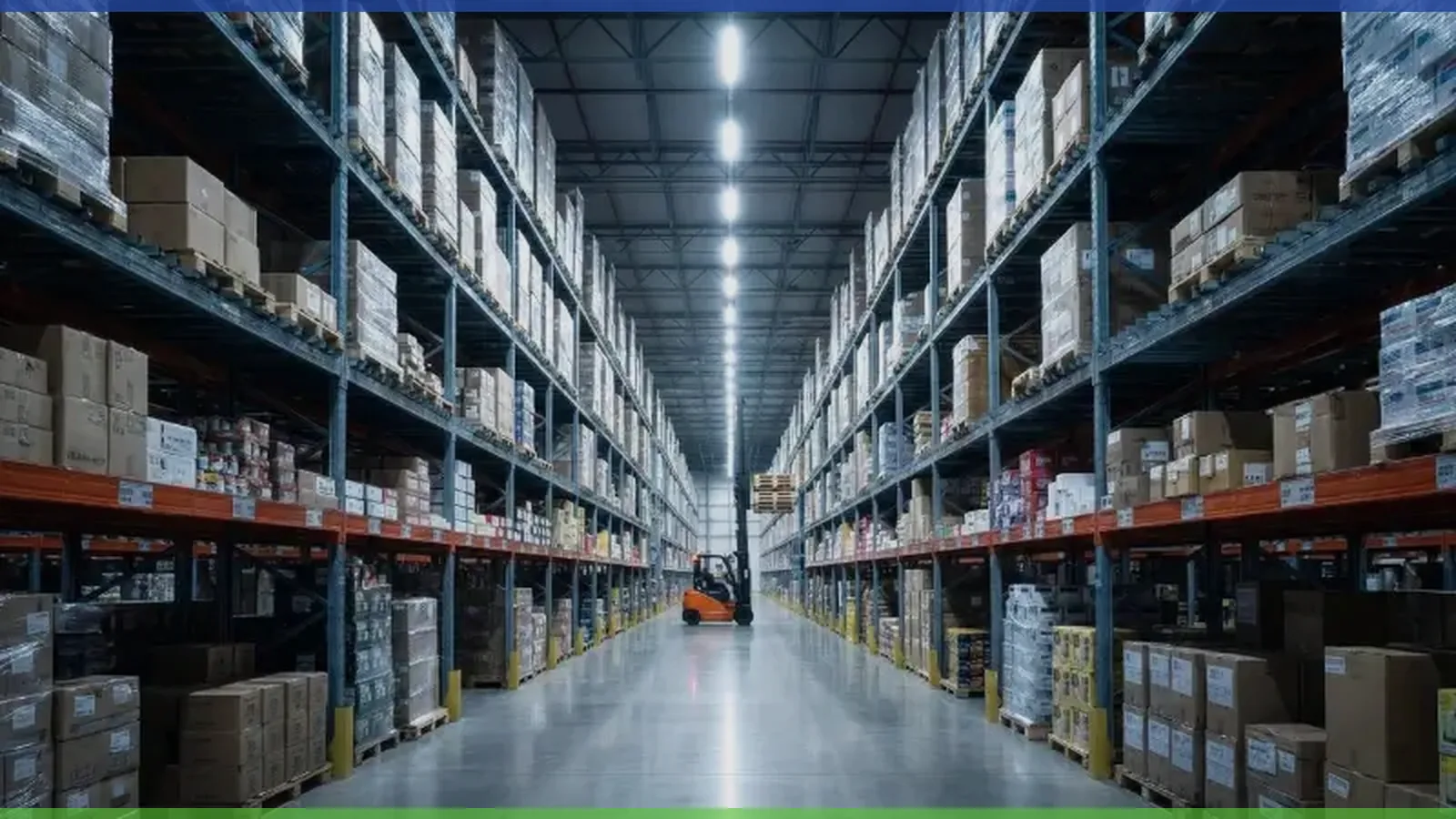
DOE FEMP purchasing guidance notes that LED bulbs last substantially longer than incandescent bulbs and can reduce replacement labor. For B2B lighting, the same logic becomes a maintenance equation: how many lift visits, shutdown windows, replacement lamps, and emergency stock items disappear? In a high-bay warehouse, tunnel, cold store, or clean production area, access cost can be more important than the lamp price that appears on the quotation.
Energy cost is only one part of the LED decision
Heat changes safety, HVAC, and material stress
Halogen heat is not just wasted electricity. In display areas, low ceilings, service rooms, and enclosed fixtures, heat can affect people, products, labels, wiring, diffusers, and ceiling materials. In some spaces it also adds cooling load. LED lighting is not heat-free, but the heat path is different: the fixture must move heat away from the LED board and driver through the housing. That makes thermal design and temperature rating central to life claims.
The European Commission light sources page frames energy efficiency around light-source performance and product policy, but buyers still need luminaire-level evidence. A fixture with a stronger heat sink, conservative drive current, and tested ambient rating can be a better purchase than a higher-output LED that runs hot and loses lumen maintenance early. The old halogen-versus-LED comparison should therefore become a thermal evidence question.
Maintenance risk can erase an apparent purchase saving
Fluorescent replacement sometimes looks attractive when the building already has fittings and the buyer only prices lamps. The problem is that old ballasts, tombstones, diffusers, and emergency packs can fail at different times. A crew may visit the same area repeatedly to repair a system that should have been upgraded as a platform. The true cost is downtime, labor, access equipment, spare parts, and inconsistent lighting quality across the site.
LED maintenance is not automatically simple either. Buyers should still check driver replaceability, surge protection, ingress protection, gasket aging, lens material, clips, screw access, and warranty exclusions. A sealed weatherproof light in a food plant, tunnel, parking garage, or logistics dock must be serviceable enough for the site. Lower energy cost does not rescue a fixture that is hard to open, hard to clean, or poorly protected from moisture and dust.
Where fluorescent or halogen can still appear in a project
Legacy compatibility should be treated as a temporary constraint
Some buyers keep fluorescent because the building has existing fittings, the maintenance team knows the system, or the project budget only covers partial replacement. That can be reasonable for a short bridge period, especially when lighting hours are low. It should not be confused with a long-term platform decision. The procurement file should state whether the project is maintaining legacy equipment, retrofitting lamps, or replacing the luminaire system.
Halogen may still be mentioned for certain visual effects, legacy decorative fittings, or very small intermittent uses. For mainstream commercial, industrial, and infrastructure lighting, it is usually hard to defend because the energy and maintenance penalties are too large. A buyer who sees halogen in a new specification should ask whether the spec is outdated, copied from an old tender, or describing a very specific optical need that should now be solved another way.
LED substitution must keep the task, not just the socket
Many weak retrofits fail because the buyer asks for an LED equivalent to an old lamp instead of defining the task. A linear fluorescent replacement in a warehouse should preserve aisle visibility, vertical rack illumination, glare control, emergency-route visibility, and maintenance access. A wet-area replacement should also preserve IP rating, washdown behavior, cable entry, and corrosion resistance. The technology switch is only successful when the new fixture supports the site.
This is where ODM and fixture-platform thinking is useful. The supplier can adjust housing, optics, CCT, CRI, diffuser, driver, sensor, emergency pack, wiring, and mounting hardware only if the RFQ names the real operating condition. A buyer who sends only wattage and length can receive an efficient light that is wrong for the application.
Evidence to request before approving an LED replacement
Ask for a luminaire-level file, not only a component claim
The evidence package should include luminaire watts, delivered lumens, efficacy, photometric file, beam distribution, CCT, CRI, driver model, input voltage, power factor, surge protection, ambient rating, IP or IK rating when relevant, warranty terms, and installation instructions. If the product is a private-label or custom version, the file should identify which parts are fixed and which substitutions are allowed.
A common failure is to approve a sample that is visually acceptable and then receive a production version with a changed driver, diffuser, LED board, cable, or gasket. The buyer should require a change-control rule: if a performance-critical component changes, the supplier must state whether photometric, thermal, safety, or label evidence still applies. That rule protects the energy model and the site acceptance test.
Use sample testing to catch the non-energy issues
Before mass production, sample review should check glare, diffuser appearance, flicker behavior, start-up, emergency function if included, sensor behavior if included, mounting hardware, cable entry, and service access. The sample does not need to answer every laboratory question, but it should expose the mistakes that a spreadsheet cannot see.
For high-hour projects, the financial case should include annual kWh, local tariff, replacement interval, access cost, expected downtime, and disposal or stock complexity. For harsh environments, add IP sealing, material resistance, cleaning method, and corrosion exposure. For customer-facing spaces, add color quality and visual comfort. This turns the LED-versus-fluorescent-versus-halogen topic from a generic comparison into a purchasing decision.
Fanxstar application fit
Best starting points for replacement projects
Fanxstar is most relevant when the buyer needs a fixture-level replacement rather than a loose lamp swap. Useful starting points include linear lighting platforms, weatherproof LED lights, waterproof LED light platforms, and custom LED lighting ODM service. These routes let the buyer define the actual housing, optic, driver, diffuser, emergency, sensor, and cable requirement.
For procurement teams comparing older technologies against LED, the strongest brief includes target lumens, mounting height, operating hours, voltage, market, environment, and service expectation. Fanxstar can then map the project to an existing platform or ODM adjustment rather than guessing from old lamp wattage. Pair this topic with LED retrofit planning for warehouses and data centers and LED lighting controls for industrial facilities when the project also includes sensors or dimming.
FAQ
Is LED always cheaper than fluorescent or halogen?
LED is usually cheaper over the operating life when hours are meaningful, but buyers should still compare delivered lumens, fixture watts, access cost, controls, warranty, and site risk. A poor LED fixture can underperform even when the technology category is efficient.
Why does halogen usually lose in commercial lighting?
Halogen normally uses much more energy for the same useful light and creates more heat. It may still appear in legacy decorative or intermittent uses, but it is rarely attractive for high-hour commercial, industrial, or infrastructure lighting.
Can fluorescent replacement be delayed?
It can be delayed when hours are low, budgets are constrained, or existing fittings are still safe and serviceable. The buyer should treat that as a temporary maintenance decision, not proof that fluorescent remains the best long-term platform.
What should be included in an LED replacement RFQ?
Include delivered lumen target, mounting height, voltage, fixture count, operating hours, CCT, CRI, beam or photometric requirement, IP or IK rating, driver and power factor expectations, controls, emergency function, warranty, and sample approval rules.
How should buyers compare lifespan?
Compare lumen maintenance, driver life, ambient temperature, access cost, warranty terms, and replacement interval. LED life is often a gradual depreciation question, while fluorescent and halogen projects also include lamp and ballast replacement patterns.