In the global LED lighting industry, the “Made in China” label covers a vast spectrum of engineering philosophies. For B2B procurement officers and facility managers, the choice often comes down to two major categories: high-volume, brand-heavy “Generalists” like Opple Lighting, and specialized, high-performance Export-Focused Manufacturers like Fanxstar. While Opple is a dominant force in the domestic Chinese market and general commercial sectors, export-focused specialists have engineered their business models to meet the aggressive technical standards of the international industrial sector. The quality differences are not always visible to the naked eye, but they manifest in the driver reliability, thermal dissipation architecture, and long-term compliance certification profile.
This technical guide analyzes the fundamental quality gap between these two manufacturing approaches, focusing on the specific needs of high-stakes environments such as -40’C cold storage, high-humidity food plants, and high-vibration infrastructure projects.
Key Takeaways
-
Target Market Gap: Opple focuses on general-use residential and commercial sectors; export specialists focus on high-durability industrial and emergency niches.
-
Component Hierarchy: Technical exporters typically utilize “Tier 1” authorized components (Philips, Osram, Nichia) to ensure international warranty support.
-
Thermal Management: specialized exporters prioritize AL6063 aluminum substrates over plastic to extend LED life in high Ta (Ambient Temp) zones.
-
Certification Density: Export-focused models often carry a broader range of global marks (UL, ENEC, NSF, IP69K) required for specific hazardous industries.
-
Financial ROI: While the purchase price may be similar, the Total Cost of Ownership (TCO) is often lower with export specialists due to a 74,000h+ rated lifespan.
Phase 1: Brand Focus and Manufacturing Philosophy
Opple Lighting: The Consumer-Centric Generalist
Opple is a powerhouse of the “High-Mix, High-Volume” model. Their research and development (R&D) is heavily focused on user experience, aesthetic design, and broad market accessibility. With over 2,800 patents, they lead in smart home integration and decorative commercial lighting. However, their supply chain is built for efficiency in standard indoor environments. Most Opple products are engineered for Ta 25’C to 35’C—ideal for an office or retail mall, but potentially vulnerable in a foundry or a sub-zero freezer.
Export-Focused Specialists: The Engineering-First Approach
Manufacturers like Fanxstar take an “Engineering-First” approach. Their business is predicated on solving technical problems for the global industrial market. This means designing fixtures for IP66 to IP69K protection, ensuring vibration resistance for railway tunnels, and utilizing flicker-free drivers for high-speed manufacturing lines. These manufacturers often operate “One-Stop” OEM/ODM services, allowing for deep technical customization that generalists simply cannot provide due to their massive, standardized production lines.
|
Evaluation Metric |
Generalist Brand (e.g., Opple) |
Specialized Technical Exporter |
|---|---|---|
|
Primary Goal |
Brand Reach & Volume |
Performance & Compliance |
|
Design Life (L80) |
30,000 – 50,000 Hours |
75,000 – 100,000 Hours |
|
Standard IP Rating |
IP20 – IP65 |
IP66 – IP68 – IP69K |
|
Warranty Range |
3 – 5 Years |
7 – 10 Years |
|
R&D Priority |
Aesthetics & Smart IoT |
Thermal Science & Durability |
Phase 2: Material Science and Component Integrity
Thermal Path Engineering: Aluminum vs. Plastic
The single greatest factor in LED failure is heat. Generalist brands often utilize “Full Plastic” tri-proof housings to reduce shipping weight and manufacturing costs. Plastic is an insulator; it traps heat inside the fixture, cooking the LED chips and the driver. Professional industrial LED fixtures from export specialists utilize AL6063-T5 aluminum substrates. Aluminum conducts heat 40% faster than plastic, ensuring that even in Ta 50’C environments (like Middle East foundries), the LED junction temperature remains within the safe zone.
Isolated vs. Non-Isolated Drivers
To hit aggressive price points in the domestic retail market, many generalists use non-isolated drivers. While energy-efficient, they offer less protection against grid voltage spikes. Export-focused manufacturers prioritize isolated drivers (often from Philips Xitanium or Osram Optotronic) that provide 4kV to 6kV surge protection. This is a mandatory requirement for hazardous location lighting and heavy-duty infrastructure where electrical noise is prevalent.
|
Component |
Generalist Standard |
Technical Export Standard |
|---|---|---|
|
LED Chip |
Mid-bin In-house / Generic |
Tier-1 (Nichia / Philips Lumileds) |
|
Driver |
Internal Generic / Non-Isolated |
Certified Flicker-Free / Isolated |
|
PCB Material |
FR4 (Glass Fiber) |
MCPCB (Metal Core / Aluminum) |
|
Gaskets |
Standard Rubber |
Reinforced Cold-rated Silicone |
Phase 3: Performance Reliability in Extreme Zones
Sub-Zero Resilience
For cold storage and blast freezers, “quality” is measured by the ability to start instantly at -40’C. Standard LED drivers use electrolytic capacitors that can freeze and fail in these temperatures. specialized exporters engineer their sub-zero lighting solutions with specialized low-temp components that have a failure rate of less than 1% over five years, compared to 22% for standard commercial units.
IK10 Impact and Vandal Resistance
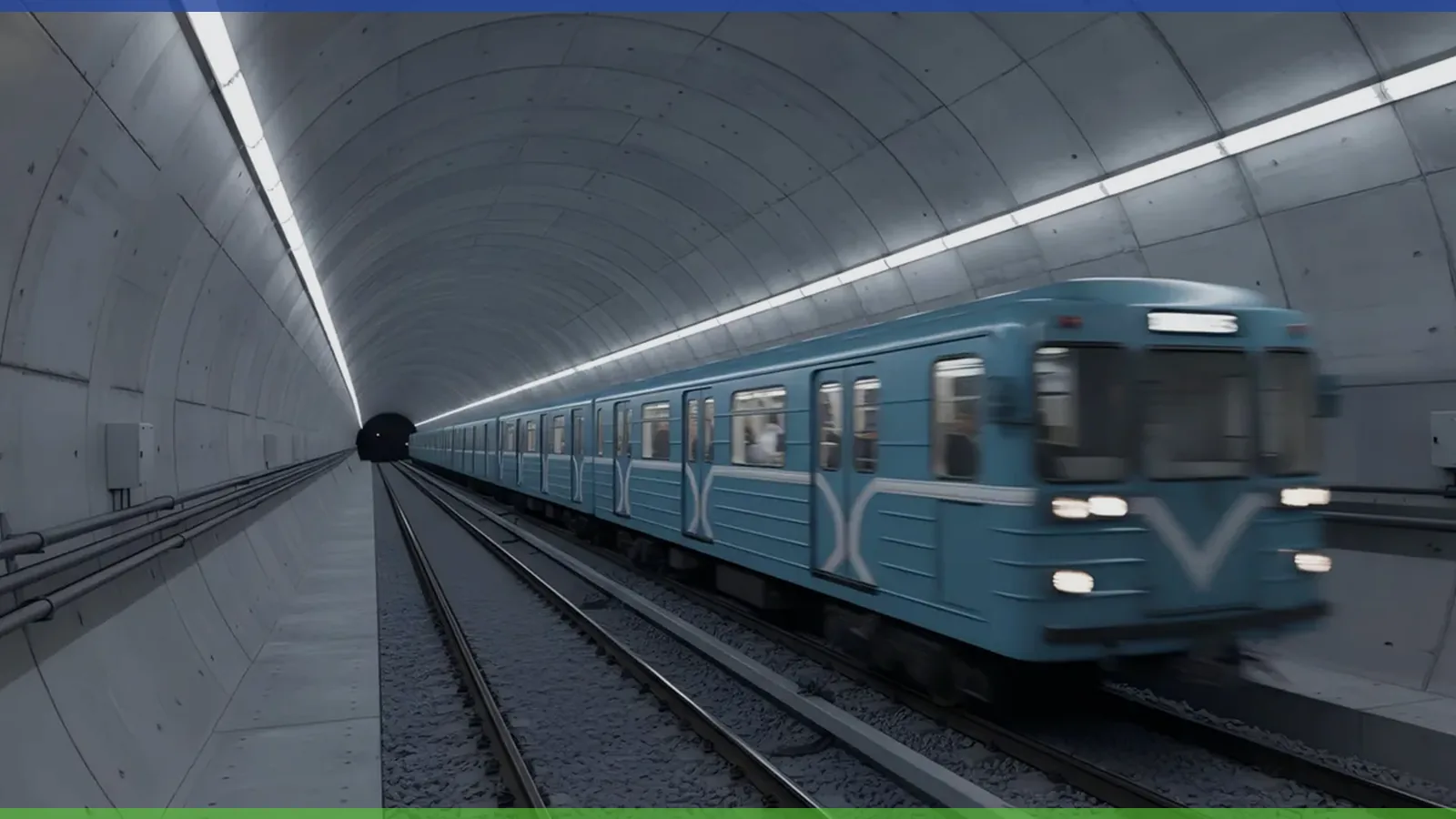
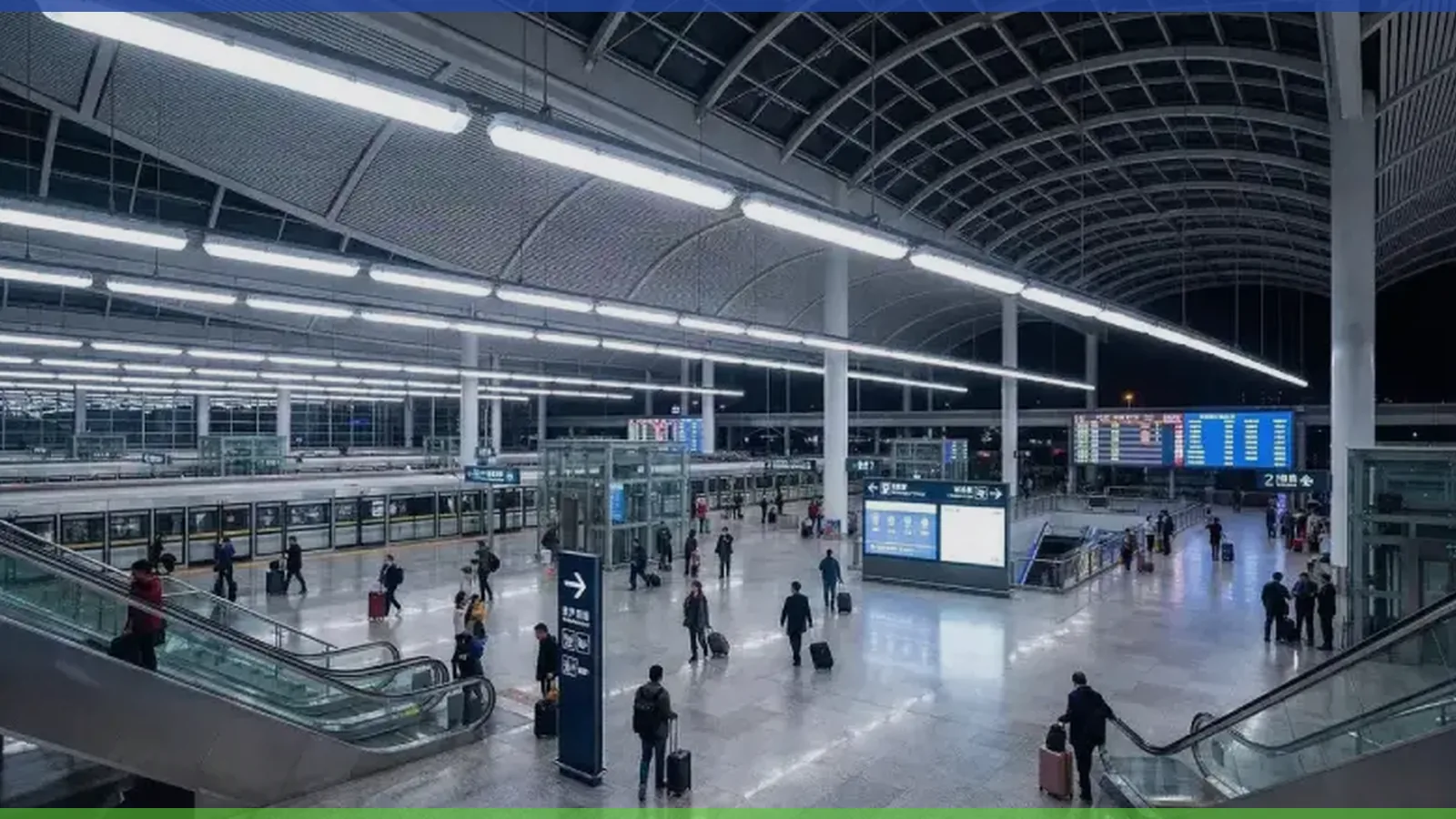
In public transit hubs and subway stations, lighting must survive physical impact. Opple provides IK08 protection (standard impact), which is sufficient for most offices. However, specialized exporters achieve IK10 impact resistance, meaning the fixture can survive a 20-joule strike. This is achieved through reinforced 1.3mm aluminum housings and specialized polycarbonate formulations that do not become brittle over a decade of use.
“Generalist brands sell light; specialized exporters sell uptime. In a tunnel or a car wash, the cost of the fixture is irrelevant compared to the cost of replacing it.”
Certification and Compliance Auditing
Procuring lighting for international projects requires strict adherence to regional safety marks. While Opple holds standard CE and CCC certificates, technical exporters typically maintain a much more diverse portfolio of “Specialist Certifications”:
-
NSF / HACCP: Mandatory for food processing lighting to ensure no glass contamination and “bacteria-phobic” surfaces.
-
UL 844: Required for hazardous locations (Zone 1 / Zone 2) where flammable vapors are present.
-
IP69K: The highest water resistance standard, testing for high-pressure, high-temp steam cleaning.
-
LM-80 / TM-21: Verified data from independent labs proving long-term lumen maintenance.
The Financial Perspective: TCO vs. Purchase Price
When you perform a Total Cost of Ownership (TCO) analysis, the brand premium of a generalist or the engineering premium of an exporter reveals the true value.
A specialized exporter’s fixture might have a 10% higher purchase price but offers 185 lm/W efficacy. A lower-priced 130 lm/W generalist fixture will cost 30% more in electricity every single month. Over a 10-year lifespan, the high-efficacy fixture pays for itself five times over. Furthermore, the modular maintenance design found in Fanxstar series (like the Batman B1) allows for tool-free module replacement, slashing labor costs during maintenance cycles.
|
ROI Driver |
Generalist Impact |
Exporter Impact |
|---|---|---|
|
Energy Savings |
Moderate (130 lm/W) |
High (160 – 185 lm/W) |
|
Maintenance Labor |
High (Whole unit swap) |
Low (Modular hot-swap) |
|
Replacement Cycle |
Every 4 – 5 years |
Every 10 – 12 years |
|
Compliance Risk |
Possible (Standard only) |
Zero (Specialist certified) |
Conclusion: Matching the Manufacturer to the Project
There is no “better” manufacturer, only the one that fits the project scope. Opple Lighting is an excellent choice for massive office retrofits, residential builds, and general retail environments where aesthetic design and price are the primary drivers. However, for heavy industrial, infrastructure, and hazardous projects, the quality gap provided by specialized Export-Focused Manufacturers like Fanxstar is essential. By prioritizing Tier-1 components, advanced material science (AL6063), and high-efficacy (185 lm/W) engineering, export specialists ensure that your lighting infrastructure remains an asset rather than a liability. When durability and technical compliance are non-negotiable, the engineering depth of a specialized exporter is the only way to safeguard your investment for the next decade.
FAQ
Are specialized exporters more expensive than Opple?
In the “Entry Level” range, Opple is often more cost-effective due to massive scale. In the “Pro/Industrial” range, prices are competitive, but the specialized exporter provides significantly more value through higher efficacy and longer warranties.
Can specialized exporters handle large orders?
Yes. Specialized manufacturers like Fanxstar have multiple automated production lines (Shenzhen, Dongguan, Huizhou) capable of delivering tens of thousands of units per month while maintaining 100% technical traceability.
Which type of manufacturer is better for Smart Lighting (IoT)?
Opple leads in consumer/residential smart ecosystems. Specialized exporters lead in industrial smart protocols like DALI-2, Zigbee, and Bluetooth Mesh for professional building management systems.
Is the warranty from an export specialist reliable?
Yes. Because specialized exporters target the international market, their warranties (7-10 years) are backed by international insurance and the use of global tier-1 components that are serviceable worldwide.
How do I verify a manufacturer’s ‘IP’ or ‘IK’ rating?
Always request the full test report from an accredited third-party lab (like TUV or SGS). A specialized exporter will provide these reports as part of their standard technical package.