When you choose an explosion-proof light, you should look for features that guarantee safety and reliability in hazardous environments. These lights stand out because they meet strict certification standards and use robust construction to protect against ignition risks.
Certification | Description |
|---|---|
ATEX | Ensures compliance for products sold in the EU market, focusing on preventing ignition sources in explosive environments. |
IECEx | International standard for equipment used in explosive atmospheres, ensuring safety and compliance. |
UL | U.S.-based certification providing comprehensive testing for hazardous environments, widely accepted in North America. |
Explosion-proof lights also offer these advantages:
Minimize ignition risks in areas with flammable gases or dust.
Deliver safe, consistent illumination for accident prevention.
Improve worker productivity through reliable lighting.
You find LED and portable options for industrial, commercial, and outdoor use.
Key Takeaways
Choose explosion-proof lights with proper certifications like ATEX, IECEx, and UL to ensure safety in hazardous environments.
Select lights made from durable materials like cast aluminum or stainless steel to withstand tough conditions and prevent ignition.
Look for high lumen output in fixtures to maintain visibility and reduce accident risks in workspaces.
Consider temperature ratings to ensure lights operate safely in extreme conditions, protecting both the fixture and the environment.
Utilize emergency battery backup features for reliable lighting during power outages, enhancing safety in critical situations.
Explosion-proof Light Certification
Regulatory Standards
You must understand the main regulatory standards before selecting an explosion-proof light for hazardous locations. These standards set strict requirements for safety and performance. Each region uses different certification compliance to ensure that lighting products meet the highest protection levels.
Jurisdiction | Primary Focus | |
|---|---|---|
UL/CSA | North America | Safety & Performance |
ATEX | European Union | Equipment Protection |
IECEx | International | Global Standardization |
You see that North America relies on UL and CSA standards, while Europe uses ATEX. Internationally, IECEx provides a unified approach. These standards require manufacturers to test and certify explosion-proof lights for use in environments with explosive gases or dust. You also find that OSHA regulations in the United States demand compliance with these certifications to protect workers.
Region | Flame Proof Standards | |
|---|---|---|
Canada | CSA 60079-0, CSA 60079-1, C22.2 No. 30 | N/A |
Europe | EN 60079-0, EN 60079-1 | N/A |
United States | FM 3600, FM 3615, UL 60079-0, UL 60079-1, UL 1203, UL 844 | N/A |
International | IEC 60079-0, IEC 60079-1 | N/A |
You should always check which standards apply to your facility. This step helps you avoid legal issues and ensures that your explosion-proof light meets the required safety certification level.
Classes and Divisions
You need to know how classes and divisions define the requirements for explosion-proof lighting. These categories help you identify the right fixture for each hazardous area requirements.
Description | Requirements | |
|---|---|---|
C1D1 | Locations where flammable gases or vapors are present during normal operations. | Must prevent sparking and contain adverse reactions; includes explosion-proof enclosures and seals. |
C1D2 | Locations where flammable materials are kept in sealed containers, only exposed during accidents. | Must prevent ignition of flammable gases under normal conditions and minimize risk under abnormal conditions. |
Class I, Division 1 (C1D1) covers areas with constant exposure to explosive gases. You must use explosion-proof lights that prevent sparks and contain any internal reactions. Class I, Division 2 (C1D2) applies to places where flammable materials are sealed and only exposed during emergencies. You need fixtures that minimize ignition risks in these areas. Understanding these categories helps you choose the safest lighting for your workspace.
Compliance Benefits
You gain several benefits when you use certified explosion-proof lights in hazardous environments. These fixtures protect your facility and your workers.
Feature/Benefit | Description |
|---|---|
Designed to prevent ignition of explosive atmospheres in hazardous locations. | |
Compliance with Safety Standards | Fully complies with ATEX, IECEx, and UL/CSA safety standards for total protection. |
Internal Explosion Containment | Engineered to contain any internal explosion and prevent flame propagation into the external atmosphere. |
Enhanced Visibility | Facilities using explosion-proof LED lights report up to 60% reduction in accidents due to better visibility. |
Improved Safety Metrics | Chemical facilities report significant reductions in injuries and fatalities with upgraded lighting. |
Long-term Reliability | Each fixture ensures long-term reliability and maintenance-free performance. |
Tip: Certified explosion-proof lights help you meet legal requirements and insurance standards. Insurance providers prefer certified equipment, which can lower your liability and reduce premiums. If you use uncertified lighting, you risk fines, production stops, and legal trouble.
You see that certified lighting not only keeps your facility safe but also improves visibility and reduces accidents. You also benefit from long-term reliability and lower maintenance costs. Choosing certified explosion-proof lights gives you peace of mind and protects your business.
Construction and Durability
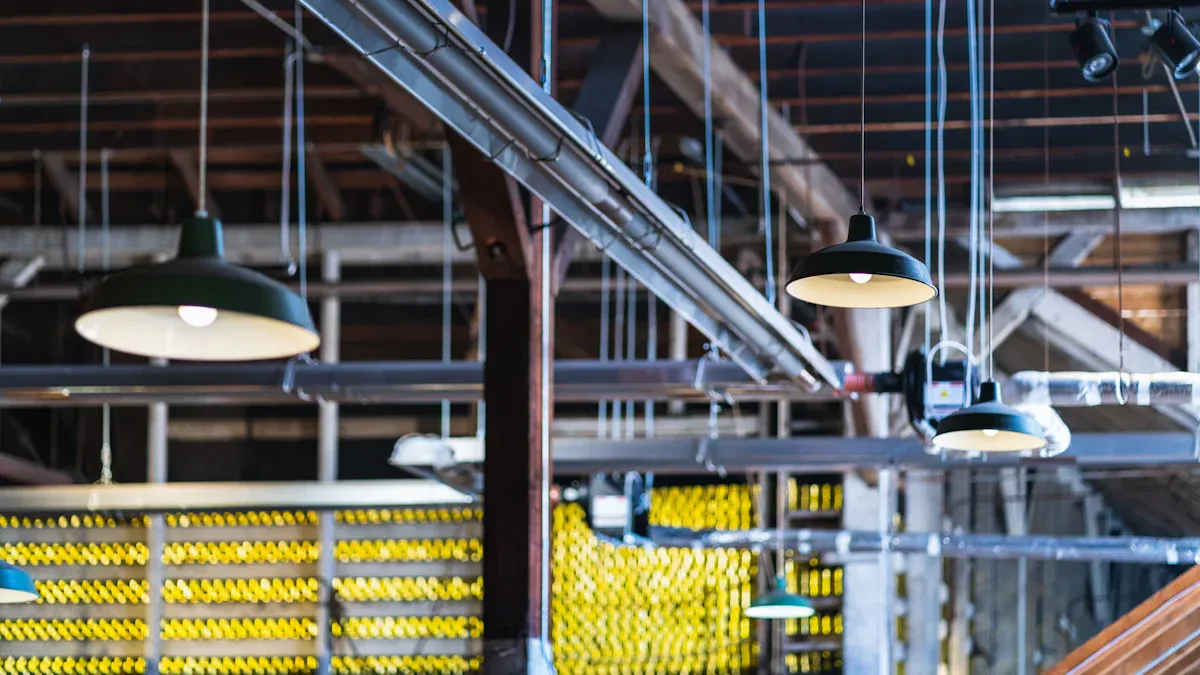
Robust Materials
You need to choose explosion-proof lights built with materials that can handle tough conditions. Manufacturers use strong metals to create enclosures that protect the light from internal explosions and external impacts. The most common materials include:
Stainless steel
These metals offer thick and durable protection. You get fixtures that can withstand harsh environments and keep working even after exposure to force or heat. The rugged construction helps prevent ignition by isolating electrical components from hazardous substances.
Environmental Resistance
You want your lighting to perform well in places with dust, moisture, and chemicals. Explosion-proof lights feature sealed housings that block water and dirt from reaching sensitive parts. This design reduces the risk of corrosion and keeps the lights working longer. You can install these fixtures in wet or dusty areas without worrying about frequent repairs.
Tip: Sealed construction means less maintenance and fewer replacements. You save time and money because the lights resist damage from the environment.
The robust housing also meets strict safety standards set by organizations like the National Fire Protection Association. These standards ensure that the lights prevent ignition and comply with certifications such as ATEX, IECEx, and NEC.
LED and Portable Options
You find LED and portable explosion-proof lights in many industrial, commercial, and outdoor settings. LED models last up to 50,000 hours or more, so you spend less time changing bulbs. The sealed design keeps dust and moisture out, which means you get reliable performance and lower operational costs.
Explosion-proof LED floodlights use tough housings to protect against impacts and explosions. You can use them in areas with flammable gases or dust, knowing they will keep your workspace safe. Portable options let you move the light where you need it most, making them ideal for accident scenes or temporary setups.
Explosion-proof Light fixtures give you flexibility and safety. You can choose the right type for your needs, whether you want a fixed LED unit or a portable lamp for quick deployment.
Performance and Safety Features
Lumen Output
You need strong illumination in hazardous environments to keep work areas safe and visible. Explosion-proof Light fixtures deliver high lumen output, which means you get bright, consistent lighting even in large spaces. The amount of light depends on the wattage of the fixture. For example, a 400-watt unit can produce up to 66,000 lumens. This level of brightness helps you spot hazards quickly and reduces the risk of accidents.
Wattage | Lumen Output |
|---|---|
400W | 66,000 lumens |
You can choose different wattages based on your workspace size and lighting needs. High lumen output ensures that you meet safety standards and maintain productivity.
Temperature Rating
You must consider temperature ratings when selecting explosion-proof lights. These ratings show how well the fixture performs in extreme conditions. Many industrial sites, such as steel mills and petrochemical plants, have high ambient temperatures. Explosion-proof lights are designed to operate safely in these environments.
Ambient Operating Temperature: This tells you the range of temperatures where the light works reliably. You can use these fixtures in places with intense heat or cold.
Temperature Classification (T-Code): This code shows the maximum surface temperature the fixture can reach. It prevents the light from igniting hazardous materials nearby.
Note: Always check the temperature rating before installation. This step helps you avoid safety risks and ensures long-term performance.
Safety Mechanisms
You benefit from advanced safety mechanisms built into explosion-proof lights. These features protect you and your facility from ignition risks. The fixtures use sealed enclosures to contain sparks and prevent flames from escaping. Many models include thermal protection, which shuts off the light if it overheats. You also find impact-resistant designs that keep the light working after bumps or drops.
Explosion-proof lights often have automatic shutoff systems and reinforced seals. These mechanisms give you extra peace of mind in hazardous locations. You can trust these lights to keep your workspace safe and compliant with industry standards.
Hazardous Environment Benefits
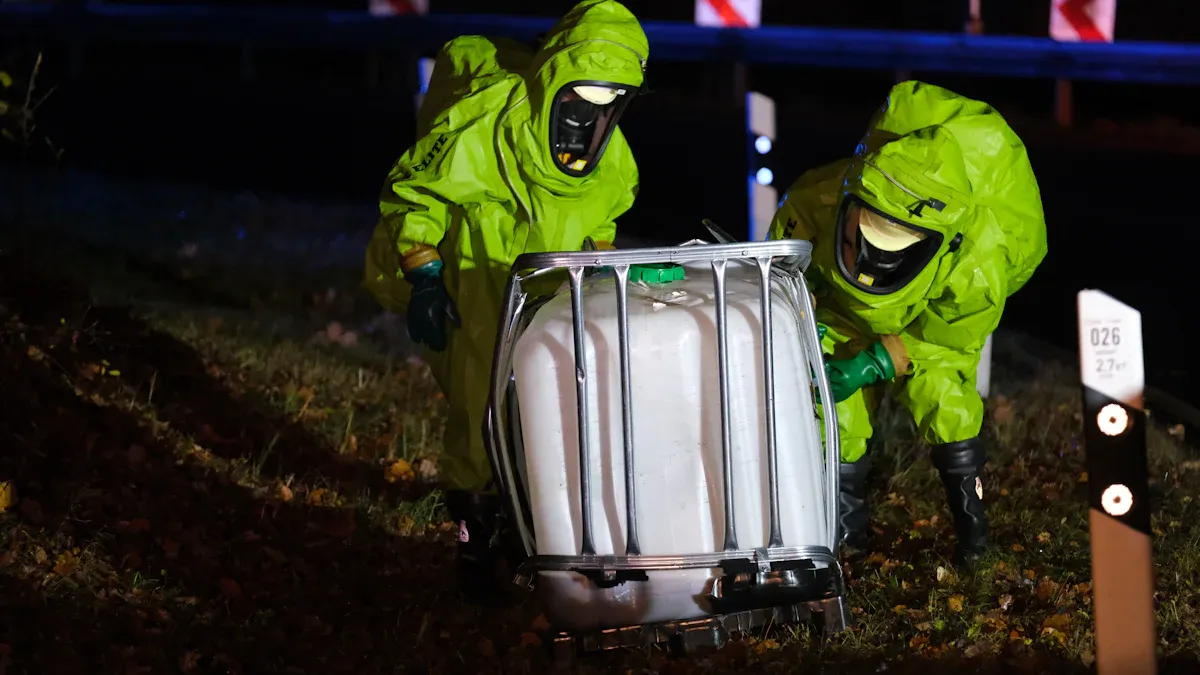
Application of LED Explosion Proof Lighting
You encounter explosion-proof lighting in many hazardous environments. Metal and chemical industries rely on these fixtures to maintain safety and productivity. Accident scenes, oil refineries, and paint booths also use explosion-proof lights to prevent ignition from sparks or flames. The table below shows how these lights support demanding applications:
Feature | Description |
|---|---|
Emergency Battery Backup | Provides emergency lighting for up to three hours, enhancing safety features.ha |
Durable Design | Crafted for extreme environments, ensuring reliability in hazardous settings. |
High Impact Resistance | Protects against physical damage, maintaining functionality in tough conditions. |
Wide Temperature Range | Operates effectively in various temperature extremes, suitable for diverse industries. |
Explosion-proof Light fixtures offer LED, HID, and fluorescent options. You can select the right type for corrosive or hazardous location lighting. These products meet NEC, CEC, IECEx, and ATEX standards, so you know they are safe for areas with flammable vapors or combustible dust.
User Safety
You improve user safety when you install explosion-proof lighting in hazardous area. These systems contain any potential ignition sources, preventing sparks or flames from igniting flammable gases, vapors, or dust. The robust construction and strict safety standards ensure that the lighting does not become a danger in volatile settings. You reduce the risk of accidents and protect workers during emergency response operations.
Tip: Emergency lighting is crucial in hazardous locations. You need reliable illumination to guide workers safely during power outages or accidents.
Reliability and Cost
You benefit from reliable performance and cost-effectiveness with explosion-proof lighting. These fixtures operate in extreme conditions and resist corrosion, moisture, and impact. You spend less on maintenance and replacements because the durable design lasts longer. Emergency battery backup provides lighting for up to three hours, supporting safety during unexpected events. You save money over time and ensure continuous protection for your facility.
Emergency lighting supports operations in hazardous locations.
Products are designed for corrosive and hazardous environments.
You get options that meet global safety standards.
You should always prioritize certification, construction, and performance when choosing explosion-proof lights for hazardous environments. Certified lights keep your facility safe and meet regulations. Strong construction blocks hazardous substances and works well in tough conditions. Reliable performance gives you consistent illumination and protects workers.
Certification guarantees safe operation and compliance.
Durable construction prevents dangerous entry and increases safety.
Reliable performance boosts productivity and worker protection.
Choosing explosion-proof lights with these features gives you lasting value and peace of mind.
FAQ
What makes a light explosion-proof?
Explosion-proof lights use strong enclosures that contain sparks or flames. You get protection from ignition in areas with flammable gases or dust. Manufacturers test these lights to meet strict safety standards.
Where should you install explosion proof led lights?
You should install explosion-proof lights in hazardous locations. These include chemical plants, oil refineries, paint booths, and accident scenes. You keep workers safe by using certified lighting in these areas.
How do you know if a light is certified?
You check the product label for certifications like UL, ATEX, or IECEx. You also find details in the user manual. Certified lights meet safety standards for hazardous environments.
Can you use explosion-proof led lights outdoors?
Yes, you can use explosion-proof lights outdoors. These lights resist water, dust, and corrosion. You get reliable performance in wet or dusty conditions.
Do explosion-proof lights save energy?
Many explosion-proof lights use LED technology. You save energy and reduce costs with LEDs. These lights last longer and need less maintenance.