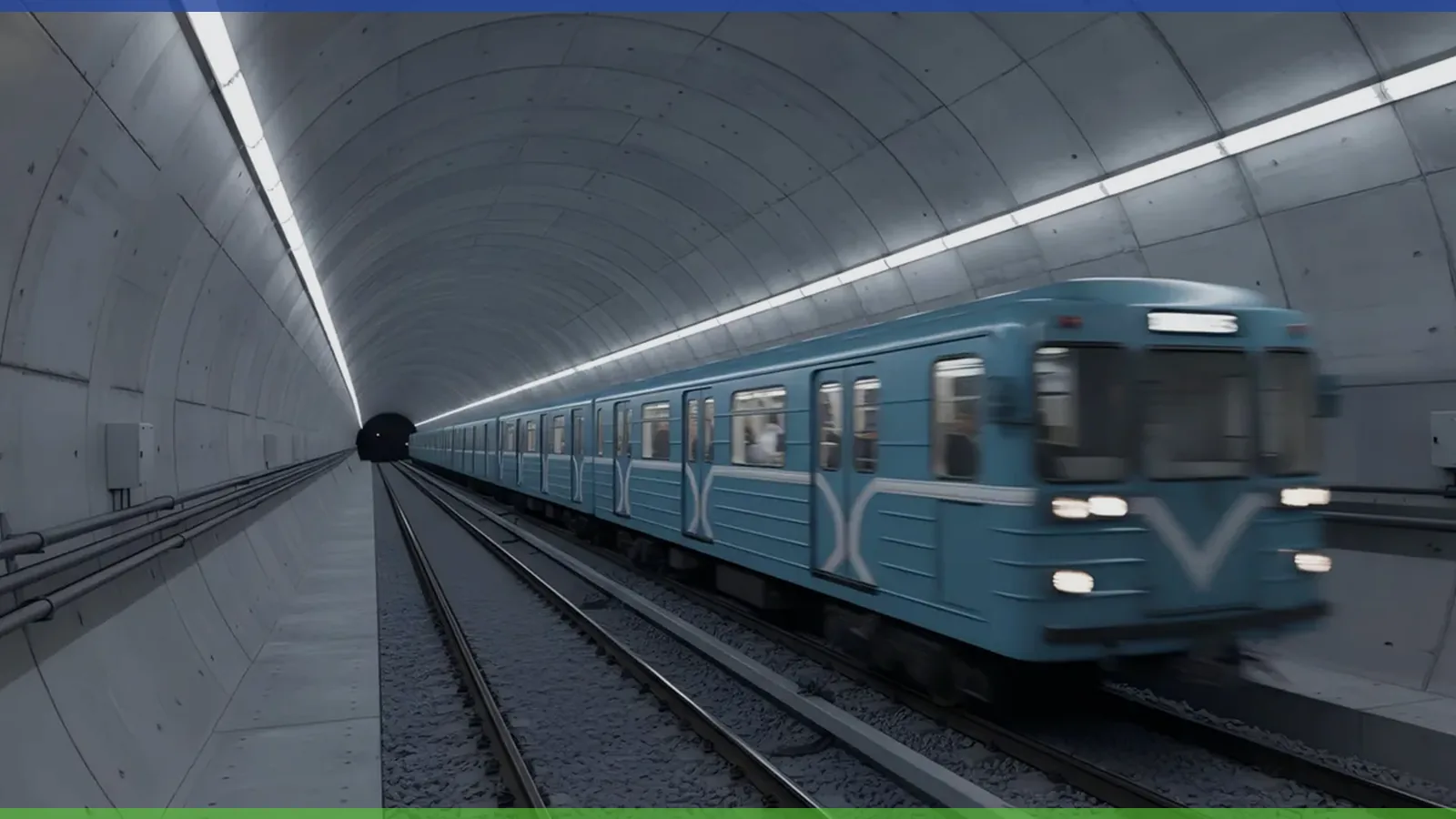
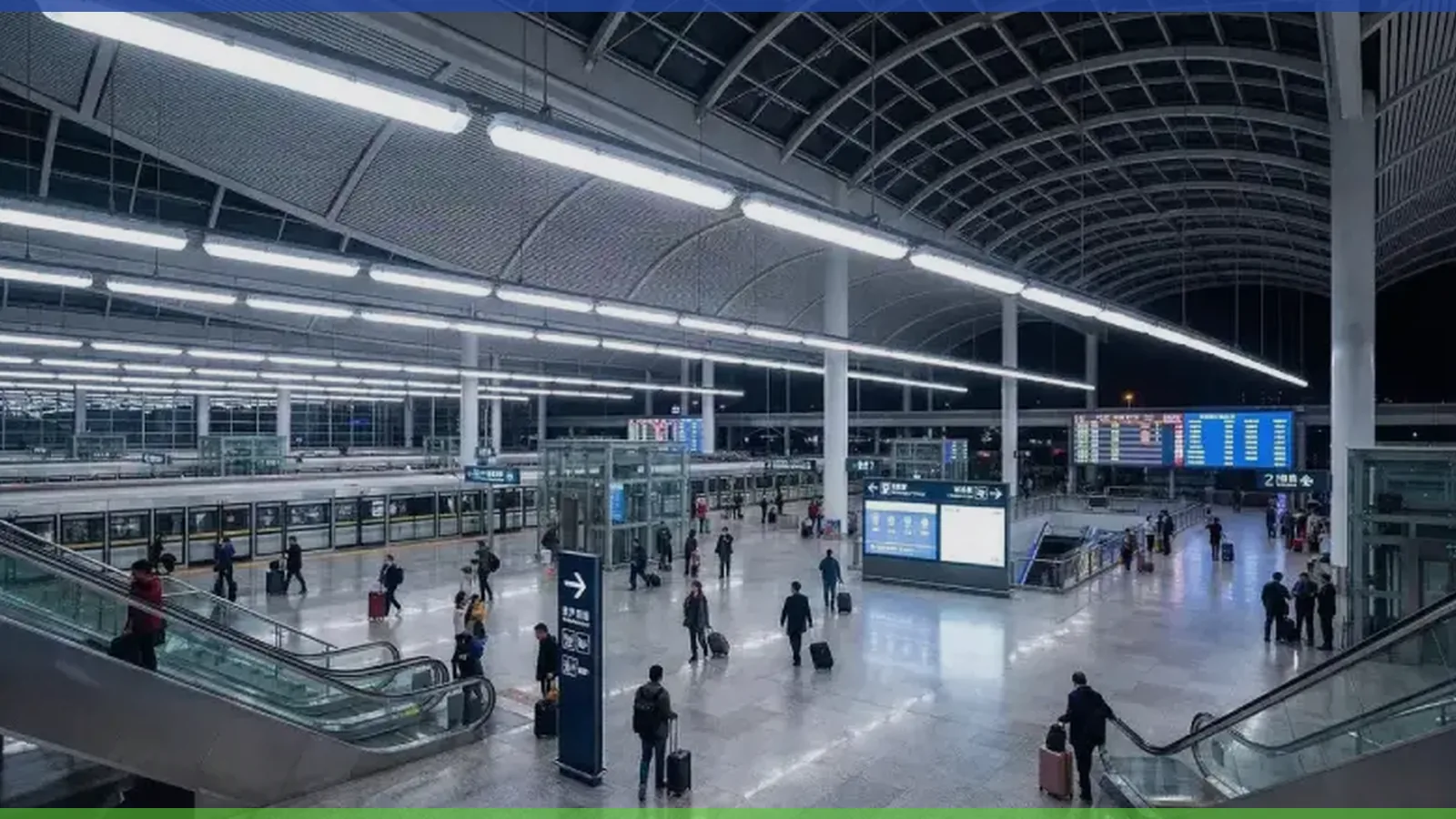
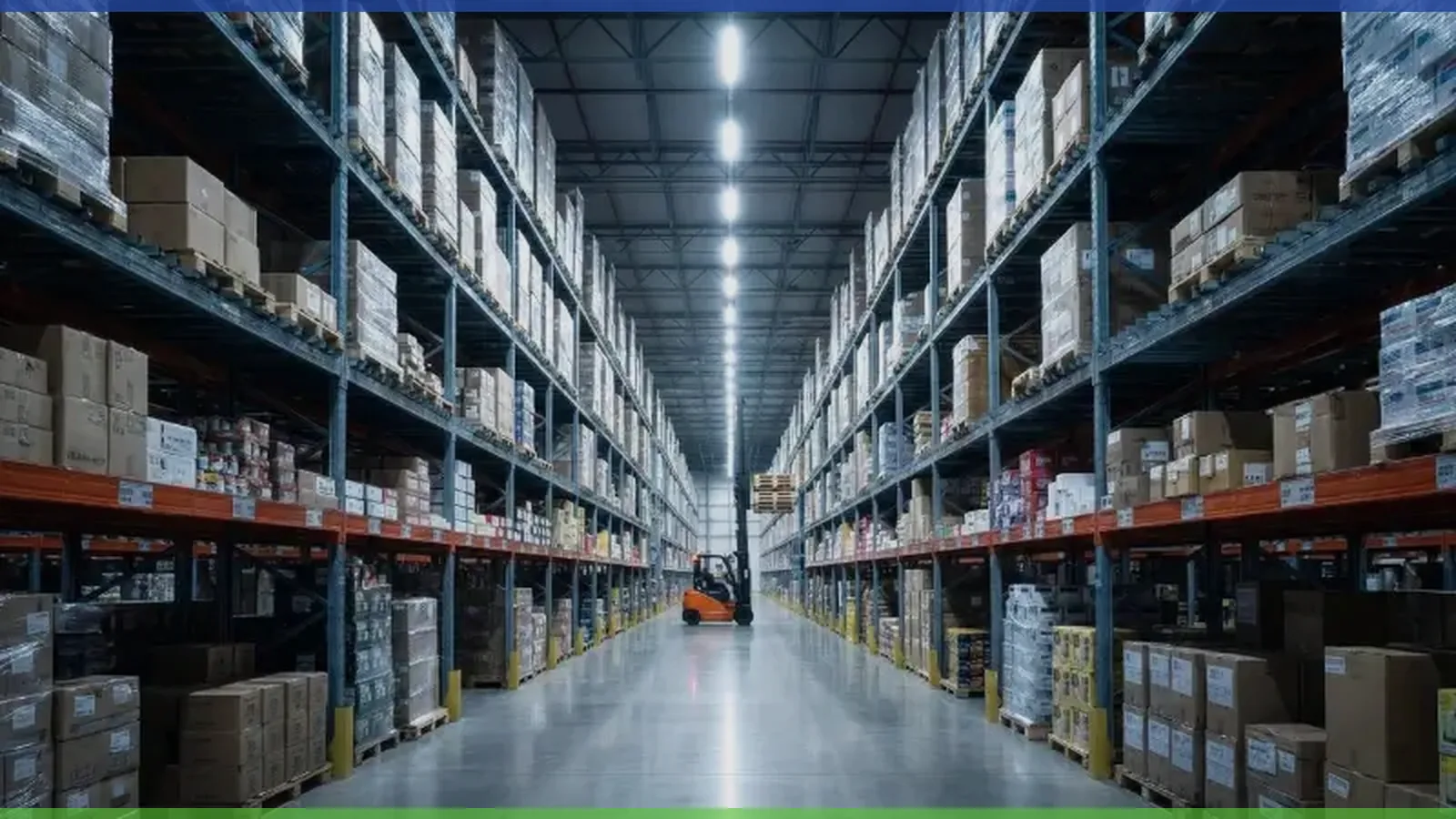
In the world of high-performance LED manufacturing, a fixture is only as reliable as the quality control (QC) protocols that governed its assembly. For industrial-grade linear lighting, where fixtures are often installed in hard-to-reach locations like 12-meter warehouse ceilings or high-vibration tunnels, the cost of a single defect can reach ten times the initial fixture price in labor and lift-hire costs. A professional Quality Control Checklist is a technical safeguard, ensuring that every luminaire leaving the factory meets rigorous international standards for electrical safety, optical precision, and environmental durability.
As of 2026, the benchmarks for “Acceptable Quality” have shifted. Importers and engineers now demand verified data on Unified Glare Rating (UGR), Temporal Light Artefacts (TLA), and thermal path integrity. This guide provides a detailed technical framework for auditing linear light shipments, ensuring that your procurement aligns with global certifications and project specifications.
Key Takeaways
-
Safety Baseline: Hi-Pot (High Potential) testing is mandatory to verify insulation integrity under 1.5kV to 3kV stress.
-
Optical Accuracy: UGR values must be verified via IES/LDT files to ensure levels stay below UGR 19 for offices and schools.
-
Reliability: A minimum 48-hour burn-in cycle is required to identify “Infant Mortality” failures in LED drivers.
-
Ingress Protection: Verify IP66/IP69K sealing through pressure-spray testing, essential for harsh coastal and wash-down zones.
-
Component Traceability: Ensure every batch is cross-referenced with LM-80 reports for LED chips and surge-protection ratings for drivers.
Phase 1: Physical Construction and Thermal Engineering
Material Integrity and AL6063-T5 Audit
Thermal management is the primary driver of LED longevity. Linear lights generate significant heat at the chip junction; if this thermal energy is not conducted away, the fixture will suffer from “blue shift” and rapid lumen depreciation. The QC process must verify the use of AL6063-T5 aluminum substrates. Aluminum’s thermal conductivity (approx. 200 W/mK) is the industry standard for preventing the heat-trap effect common in lower-tier plastic fixtures.
Inspectors must verify the “Metal-Core” thickness of the PCB and ensure the thermal paste application is uniform. Any air gaps between the LED board and the aluminum housing will act as a thermal barrier, leading to premature component failure.
|
Evaluation Factor |
Technical Benchmark |
Operational Risk |
|---|---|---|
|
Heatsink Material |
Extruded AL6063 Aluminum |
Plastic leads to chip overheating |
|
Impact Resistance |
IK08 to IK10 Rating |
Lens cracking in high-vibration zones |
|
Gasket Sealing |
Foamed-in Silicone Gaskets |
Vapor ingress and internal short circuits |
|
Fasteners |
SUS 316L Stainless Steel |
Rusting in coastal or humid areas |
Phase 2: Electrical and Photometric Performance
Testing for “Clean” Power
A high-quality LED linear light must be a responsible citizen of the building’s electrical grid. Poor quality drivers produce excessive Total Harmonic Distortion (THD), which can damage sensitive electronics and interfere with wireless controls.
The Electrical QC Checklist includes:
-
Power Factor (PF): Must be > 0.95 at full load.
-
THD: Must be < 10% to prevent grid pollution.
-
Ripple Current: Must be < 5% to ensure the light is truly flicker-free.
Optical Uniformity and UGR Control
For modern architectural office lighting, the Unified Glare Rating (UGR) is the most important comfort metric. A UGR > 19 in an office environment causes significant eye strain. QC staff must verify that the micro-prismatic diffusers or optical lenses are correctly seated. A misaligned lens can increase the glare rating by several points, ruining the human-centric benefits of the design.
|
Photometric Parameter |
Metric Benchmark |
Importance |
|---|---|---|
|
Luminous Efficacy |
140 – 185 lm/W |
Maximizes energy-saving ROI |
|
Color Rendering (CRI) |
Ra > 80 (Ra > 90 for Retail) |
Accurate visual task performance |
|
Color Consistency |
SDCM < 3 (MacAdam Steps) |
Prevents “patchwork” look in long runs |
|
Beam Angle Accuracy |
+/- 5 Degrees |
Ensures uniform aisle coverage |
Phase 3: Functional Safety and Stress Testing
The Hi-Pot and Continuity Protocol
The High Potential (Hi-Pot) test is a critical safety verification for Class I lighting. It involves applying a high voltage (typically 1,500V to 3,000V) between the AC input and the grounded metal chassis. This ensures the insulation barrier is robust enough to prevent an electrical shock if a wire becomes pinched or a capacitor leaks. Any fixture that exhibits a leakage current exceeding 5mA is immediately rejected.
48-Hour Burn-In Cycle
Electronics often follow a “bathtub curve” failure rate—most failures occur either at the very beginning (Infant Mortality) or the very end of their life. To catch these initial faults, Fanxstar subjects every batch to a 48-hour burn-in cycle. During this time, the lights are toggled on and off repeatedly while running at their maximum rated ambient temperature (Ta). This identifies faulty drivers or weak solder joints before they reach the project site.
“A 48-hour burn-in test is the best insurance policy an engineer can have. It turns an potential on-site repair into a simple factory rejection.”
Phase 4: Smart Controls and Emergency Reliability
In 2026, linear lights are increasingly “intelligent.” The Quality Control Checklist must include specific tests for IoT and Smart integration.
-
Microwave Sensor Sensitivity: Verify detection range (e.g., 8-15m) and ensure the “Stand-by” dimming levels (10% or 20%) are accurate.
-
DALI-2 / Zigbee Logic: Ensure the drivers respond to group commands and provide bidirectional feedback regarding energy usage and component health.
-
Emergency Duration: Every emergency fixture must undergo a discharge test to prove it can maintain the mandatory 3-hour backup time required by safety compliance standards.
|
Smart Feature |
QC Test Method |
Goal |
|---|---|---|
|
Motion Detection |
Walk-test under fixture |
Zero blind-spot detection |
|
Daylight Harvesting |
Dual-PD Light sensitivity check |
Accurate auto-dimming in sun |
|
RF Grouping |
Wireless sync verification |
Simultaneous zone activation |
|
Self-Testing |
EN 62034 logic check |
Automatic health reporting |
Phase 5: Packaging, Labeling, and Final Logistics
ISTA Drop-Testing and Protection
Linear fixtures are prone to “bowing” damage during transit. The QC checklist verifies that high-density honeycomb cardboard or reinforced corner-edge protectors are used. International shipments should undergo an ISTA 3A drop test to ensure the packaging can survive the multi-modal journey from the factory to the construction site.
Documentation and Traceability
Before the “QC Pass” sticker is applied, the technical file for the shipment is verified. This includes:
-
LM-79 / LM-80 Reports: Proving efficacy and lumen maintenance data.
-
UL / ENEC Certificates: Ensuring legal compliance for the target market.
-
EPREL Registration: For European markets, verifying the QR codes are correctly printed on the retail boxes.
-
Packing List Integrity: Ensuring all tool-free connectors, end-plugs, and mounting brackets are included in the carton.
The Engineering Value of Through-Wiring
For large-scale projects, the through-wiring integrity is a major QC focus. Unlike standard fixtures, linkable linear systems carry the full current for up to 30 units (approx. 1000W) through their internal bus-bars. QC staff perform a “Voltage Drop Test” on the maximum intended run length to ensure that the light output at the 30th unit is identical to the 1st. This level of technical oversight ensures a professional, seamless continuous line of light.
Conclusion: Building a Culture of Technical Excellence
A Quality Control Checklist is not just a list of chores; it is the technical foundation of architectural safety and economic ROI. By prioritizing rigorous electrical safety tests, 48-hour burn-in cycles, and precise photometric verification, manufacturers can ensure that their linear lighting remains a high-performance asset for the next decade. In 2026, the competitive advantage belongs to those who prioritize technical transparency over initial unit price. Choosing a manufacturer that utilizes Tier-1 drivers and adheres to strict IK10/IP66 standards ensures that your facility remains bright, safe, and efficient. Don’t settle for “good enough”—prioritize the engineering details today to safeguard your infrastructure for tomorrow.
FAQ
What is the most common failure caught in LED QC?
Driver infant mortality. Over 30% of electronic component failures occur in the first few hours of operation. This is why a 48-hour burn-in test is the single most important step in the factory QC process.
How do I verify the IP66 rating of a shipment?
Request the “IP Test Report” for the specific batch. A professional report will include photos of the fixture being subjected to high-pressure water jets and proof that no water entered the housing.
Does every light in a batch get tested?
Electrical safety (Hi-Pot) and functional tests are performed on 100% of units. More complex tests, like salt-spray or IK10 impact, are typically performed on a statistical sample (e.g., AQL 1.0) due to their destructive nature.
Why is ‘flicker-free’ light mandatory in factories?
Stroboscopic flicker can cause moving parts to appear stationary—a major safety hazard. High-quality QC includes measuring the flicker index to ensure it is below 0.01 (certified flicker-free).
Can a QC checklist prevent color-shift issues?
Yes. By verifying the MacAdam Ellipse (SDCM) rating of the incoming LED chips, QC ensures that every fixture in the run stays within a 3-step or 5-step tolerance, preventing a “patchwork” look on the ceiling.