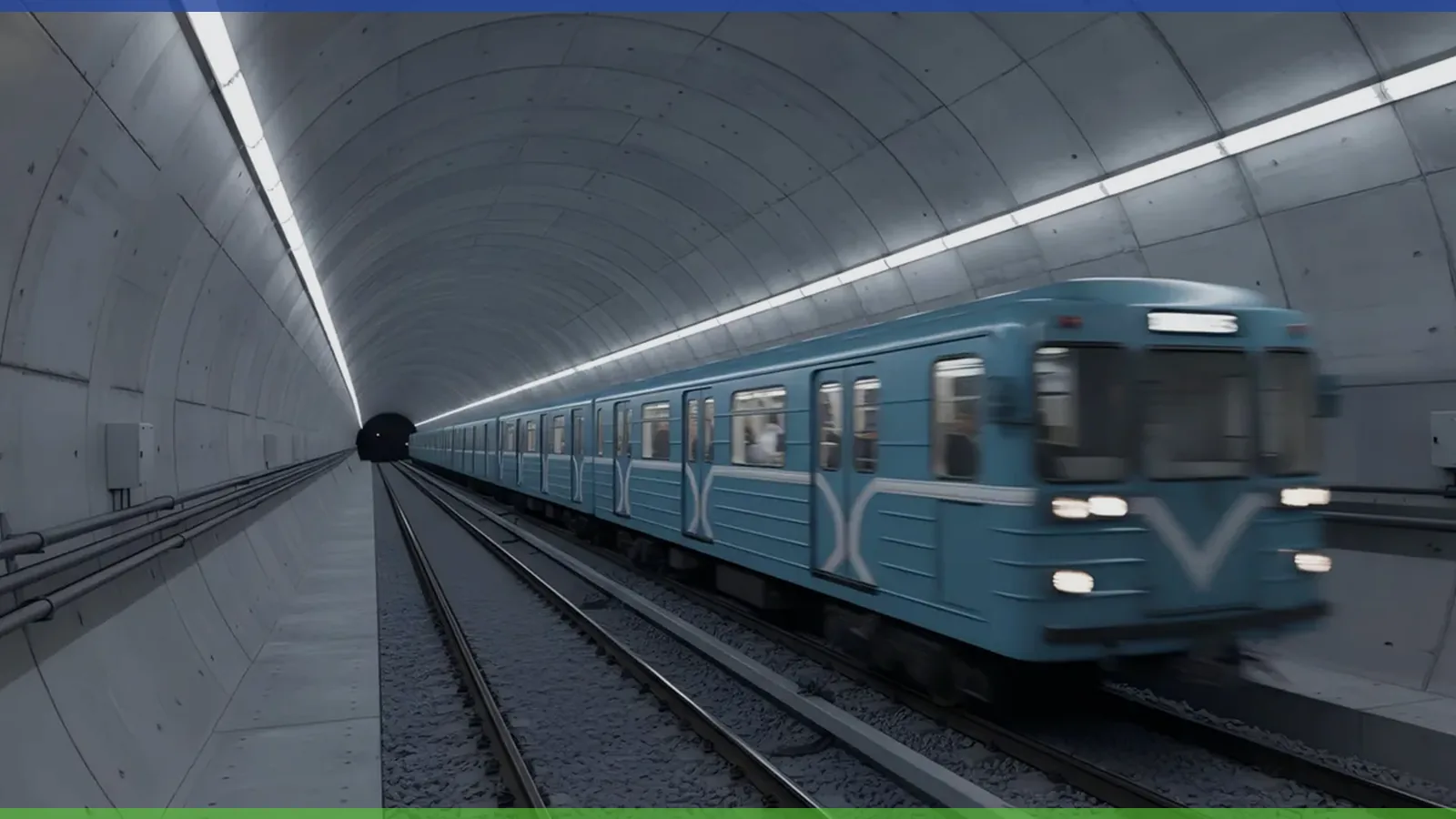
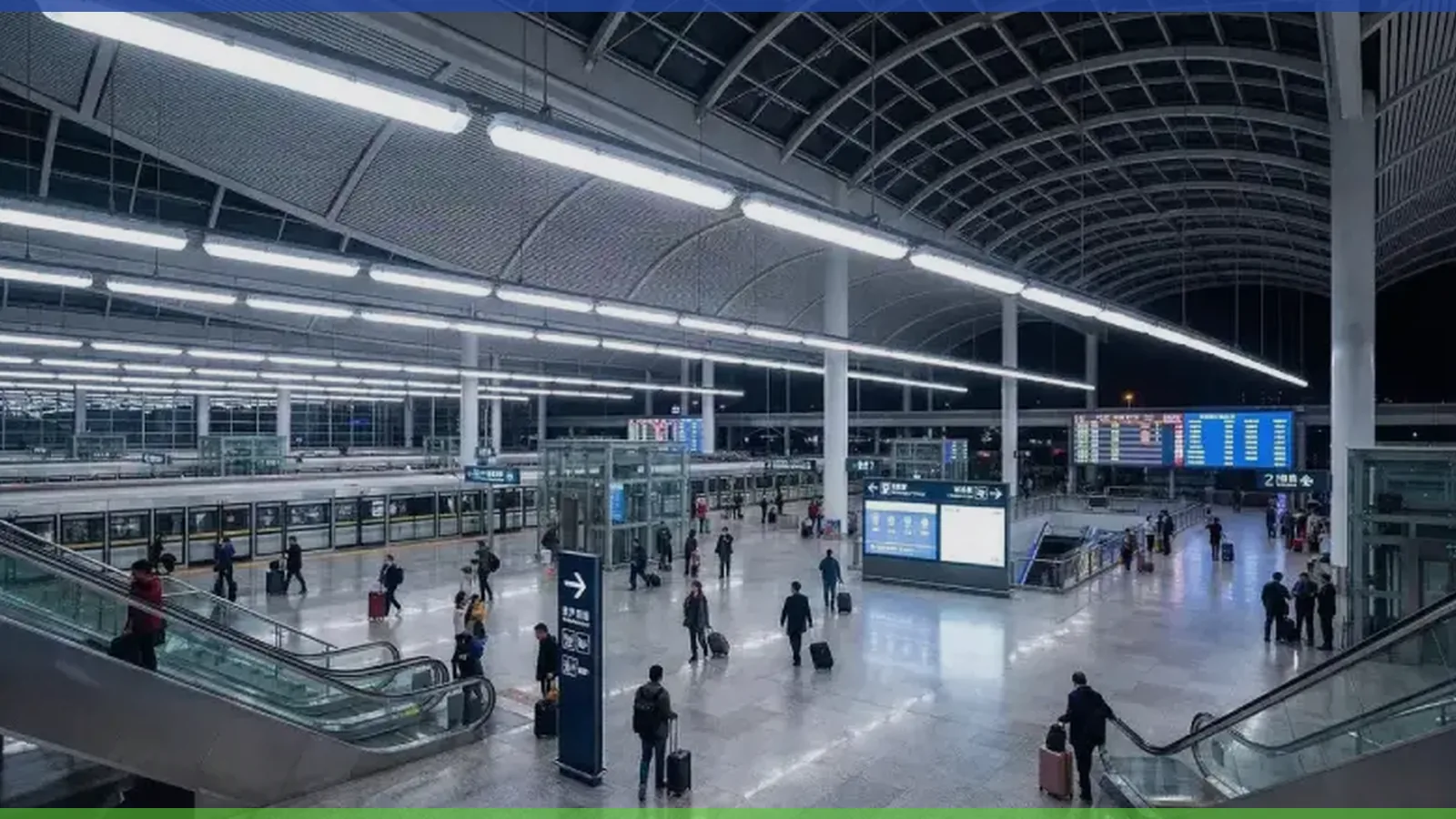
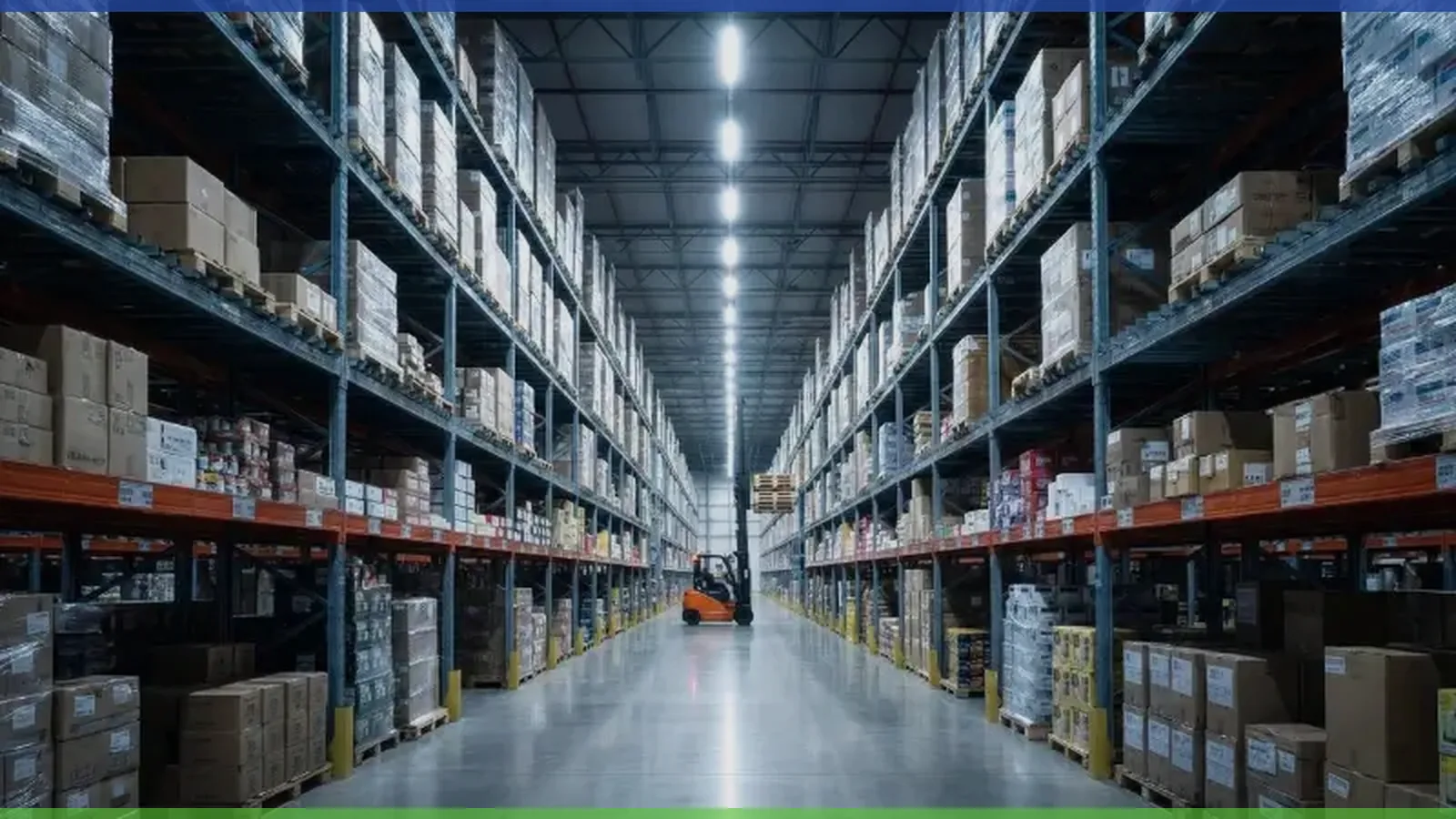
For electrical contractors and facility engineers, the choice of cable entry systems is a fundamental determinant of project ROI. When deploying large-scale LED luminous infrastructure—such as in 40,000 sq. ft. warehouses or high-traffic retail corridors—the trade-off between installation speed and long-term environmental protection is paramount. While fast connectors have revolutionized the industry by enabling tool-free, repeatable assembly, traditional cable glands remain the standard for high-vibration and custom-wired environments. This technical analysis explores the operational impact of both systems to help you select the optimal solution for your next project.
Key Takeaways
-
Installation ROI: Fast connectors utilize plug-and-play technology to reduce per-unit wiring time by over 70%, drastically lowering site labor costs.
-
Hermetic Reliability: Cable glands provide superior Ingress Protection (IP68/IP69K) and strain relief, essential for offshore rigs and food processing hosedown zones.
-
Scalability: Linkable LED systems utilizing fast connectors allow up to 30 fixtures to be connected in a single run without opening the internal housing.
-
Technical Stability: Standardized terminal blocks and coded connectors eliminate the risk of “human error” wiring faults, ensuring consistent polarity across large projects.
-
Maintenance Agility: Modular connectors facilitate rapid module or driver swaps, minimizing facility downtime during critical repairs.
Technical Overview: The Architecture of Entry Systems
Choosing the right entry methodology requires a deep dive into the mechanical and electrical requirements of the installation site. Field technicians must evaluate environmental stressors—such as chemical exposure, moisture, and mechanical pull-force—before selecting a topology.
Fast Connectors: The Speed Advantage
Fast connectors utilize standardized, pre-molded housings that snap together to create an electrical circuit. This plug-and-play approach is particularly transformative for warehouse lighting. By utilizing high-voltage splicing and watertight plug-ins, installers avoid the manual task of stripping and terminating individual wires inside each fixture. This not only speeds up the project timeline but also maintains a cleaner, more organized ceiling deck.
Cable Glands: The Heavy-Duty Defense
A cable gland is a mechanical compression device. It acts as a structural anchor that provides strain relief while creating a 360-degree seal around the cable jacket. In harsh industrial sites, cable glands are often specified because they can handle non-standard cable gauges and provide a level of crushing protection that modular connectors cannot match.
|
Technical Metric |
Fast Connector Systems |
Industrial Cable Glands |
|---|---|---|
|
Assembly Method |
Tool-free / Snap-on |
Mechanical Compression (Wrench) |
|
Time Per Unit |
< 30 Seconds |
3 – 5 Minutes |
|
Ingress Rating |
IP65 to IP67 |
IP68 to IP69K |
|
Strain Relief |
Moderate |
High (Structural Anchor) |
|
Customization |
Low (Fixed Patterns) |
High (Universal Compatibility) |
Operational Efficiency: Saving Labor Hours on Site
Labor typically accounts for 40-60% of an industrial lighting project’s budget. Therefore, any reduction in “minutes-per-fixture” has a compounded effect on the bottom line. Luminous systems like the Fanxstar A16 series utilize through-wiring and fast connectors to allow technicians to daisy-chain dozens of units in a single shift.
Error Mitigation Through Standardized Coding
One of the most frequent causes of delayed project handovers is wiring polarity errors. Manual termination in a cable gland system requires the installer to correctly identify L, N, and E leads for every single fixture. Fast connectors utilize mechanical coding (keys and slots), making it physically impossible to plug a fixture in incorrectly. This “error-proof” engineering reduces the need for extensive post-installation troubleshooting and ensures the system adheres to international safety certifications.
“In a 500-fixture warehouse installation, switching from manual glands to fast connectors can reclaim over 40 hours of master-electrician labor—the equivalent of a full work week.”
Protection and Sealing in Aggressive Environments
While fast connectors win on speed, cable glands are the undisputed champions of environmental integrity. In environments like marine vessels, offshore oil platforms, and chemical refineries, the integrity of the seal is the only thing standing between operational success and catastrophic electrical failure.
-
Double Compression Glands: Utilize two internal seals to provide a gas-tight barrier, mandatory in Zone 1/2 hazardous areas.
-
EMC Shielding: Specialized metal glands provide a path to ground for electromagnetic interference, protecting sensitive data center equipment.
-
Vibration Dampening: The compression sleeve of a gland absorbs high-frequency vibrations from heavy machinery, preventing wire fatigue at the termination point.
|
Industry Environment |
Recommended System |
Primary Justification |
|---|---|---|
|
Retail & Logistics |
Fast Connectors |
Rapid deployment; aesthetic uniformity |
|
Food & Beverage |
IP69K Cable Glands |
High-pressure, high-temp washdowns |
|
Chemical Processing |
Stainless Steel Glands |
Corrosion and acid resistance |
|
Public Infrastructure |
Coded Fast Connectors |
Vandal-resistance and easy maintenance |
Maintenance and Lifecycle Management
Maintenance logic differs significantly between the two systems. Fast connectors prioritize **modularity**. If a single driver fails in a series of supermarket linear lights, a technician can simply unplug the module and click in a replacement. There is no need to cut wires or compromise the cable jacket.
Conversely, cable glands require a more methodical approach. During routine inspections (ideally conducted biannually in industrial sites), technicians must verify the torque settings of the gland cap. Over-tightening can “cold flow” the cable insulation, while under-tightening compromises the IP rating. For facilities with high mechanical stress, documenting these inspections is a critical part of the maintenance log to avoid safety liabilities.
Summary: Choosing the Right Strategy
The “best” system is entirely dependent on your project’s environmental and economic constraints. To maximize ROI, facility managers should adhere to these professional recommendations:
-
Prioritize Fast Connectors for: Large-scale commercial projects, retail store rollouts, and modular office environments where speed and labor-reduction are the primary goals.
-
Specify Cable Glands for: Heavy industrial manufacturing, environments with extreme chemical exposure, and any application where high-load cables require heavy-duty strain relief.
-
Consider a Hybrid Approach: Utilize fast connectors for the internal luminous runs and heavy-duty cable glands for the primary power entry to the circuit, balancing speed with structural defense.
Frequently Asked Questions (FAQ)
What are the main benefits of using fast connectors?
They enable rapid, tool-free installation, reduce the risk of wiring errors through mechanical coding, and allow for easy modular replacement of lighting components, drastically lowering labor costs.
When should I choose cable glands over fast connectors?
Cable glands are necessary for environments requiring IP68 or IP69K protection, high strain relief, or when working with custom armored cables in heavy industrial and marine settings.
Do fast connectors provide reliable connections for industrial projects?
Yes. High-quality fast connectors (like those in the Fanxstar A16 series) are rated for IP66 and industrial-grade thermal cycles, providing a reliable, standardized contact point that resists vibration better than manual wire nuts.
How do installers maintain these entry systems?
Glands require periodic checking of cap tightness and seal integrity. Fast connectors generally require a simple visual inspection of the click-lock mechanism and a check for clean contacts during routine maintenance.
Are fast connectors compatible with all cable types?
No. Fast connectors are typically designed for specific multi-core cable types. Cable glands offer much higher flexibility if your project utilizes a mix of armored, shielded, and standard rubber-sheathed cables.
Ready to optimize your next project? Explore Fanxstar’s Professional Luminous Connectivity Solutions and secure your facility’s future today.