In the high-stakes world of international B2B lighting procurement, technical specifications like “lumens per watt” or “IP ratings” often dominate the conversation. However, the success of a project is equally dependent on the financial architecture behind the order. In 2026, as global trade faces high-interest environments and fluctuating currency values, selecting the best payment terms is a critical exercise in risk management and cash flow optimization. Whether you are outfitting a massive industrial complex with LED linear lighting or sourcing specialized explosion-proof fixtures, the payment structure determines your leverage over quality control and your protection against supply chain disruptions.
This guide analyzes the technical and economic trade-offs between various payment methods—including T/T 30/70, irrevocable Letters of Credit (L/C), and Open Account (O/A) terms—helping procurement officers navigate the complexities of sourcing from major manufacturing hubs like China.
Key Takeaways
-
T/T 30/70 is the Standard: The most common balance of trust, providing the manufacturer with material capital while protecting the buyer until shipment.
-
L/C for High-Value: Mandatory for multi-million dollar infrastructure projects to ensure bank-verified technical compliance before funds are released.
-
Net Terms for Growth: As trust builds, moving to Net 30 or Net 45 can drastically improve working capital efficiency.
-
Escrow Mechanisms: In 2026, digital escrow platforms provide a middle ground for new buyer-supplier relationships.
-
Currency Hedging: Procurement strategies must account for USD/CNY or EUR/CNY volatility to protect project margins from sudden shifts.
The Financial Logic of Procurement: Why Terms Matter
Cash Flow vs. Risk Exposure
Procurement is a zero-sum game of liquidity. If an importer pays 100% upfront, they carry all the risk—if the factory goes bankrupt or ships substandard goods, the capital is lost. Conversely, if a manufacturer offers 100% Net 90 terms, they bear the entire burden of financing the materials and labor. The best payment terms are those that distribute this risk equitably, ensuring the manufacturer is motivated to produce quality and the buyer is motivated to pay promptly.
The Impact of 2026 Interest Rates
In a higher-interest-rate environment, “Time is Money” takes on a literal meaning. Extending payment terms by even 15 days can save a large enterprise thousands of dollars in financing costs. For specialized energy-saving LED battens, the energy savings generated by the lights can sometimes pay for the fixtures themselves before the final balance is even due under optimized Net terms.
|
Payment Method |
Buyer Risk |
Seller Risk |
Common Project Size |
|---|---|---|---|
|
100% T/T Advance |
Extreme |
Zero |
Samples / Urgent Prototypes |
|
T/T 30/70 |
Moderate |
Moderate |
Standard B2B Wholesale |
|
Letter of Credit (L/C) |
Low |
Low |
Government / Large Tenders |
|
Open Account (Net 30) |
Zero |
High |
Established Strategic Partners |
Deep Dive: Common Payment Methods in 2026
1. Telegraphic Transfer (T/T) 30/70
This remains the “gold standard” for the majority of lighting imports. The 30% deposit covers the manufacturer’s raw material costs (LED chips from Nichia, drivers from Philips, aluminum from extruders). The remaining 70% is paid “Against Documents.” This means the buyer only pays once the supplier provides a copy of the **Bill of Lading**, proving the goods are on the ship and heading to the destination.
2. Irrevocable Letter of Credit (L/C at Sight)
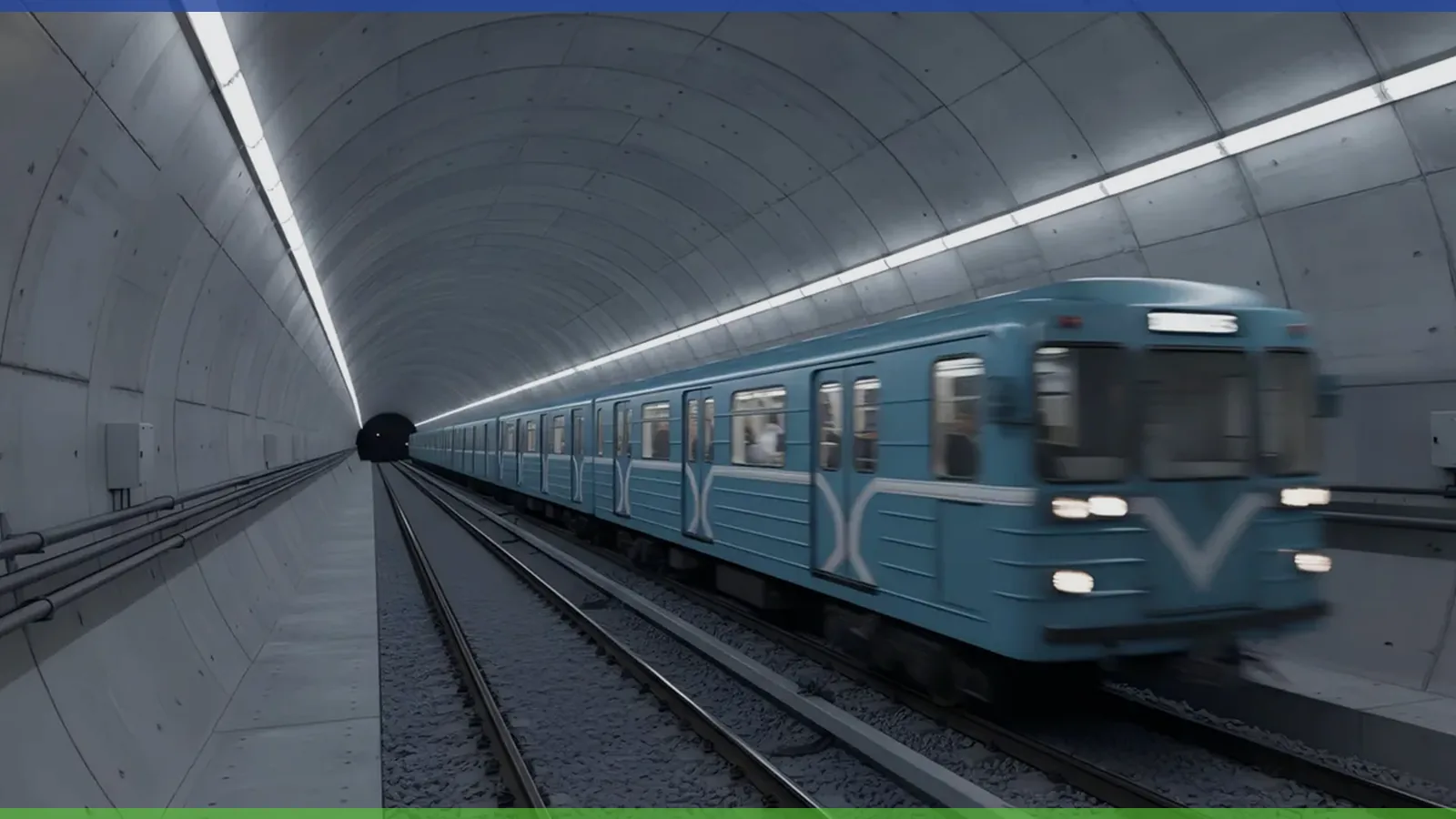
For high-complexity projects—such as hard-to-reach tunnel lighting—the technical stakes are too high for T/T. An L/C involves the buyer’s bank and the seller’s bank. The funds are only released when the supplier presents a specific set of documents, which can include a **Third-Party Inspection Certificate**. This ensures that the lights are verified for IP66/IP69K performance before a single dollar leaves the buyer’s account.
3. Cash Against Documents (CAD)
CAD is a middle ground where the title documents (Bill of Lading) are sent to a bank in the buyer’s country. The buyer must pay the bank to get the documents and release the goods at the port. It is faster than an L/C but offers more security than T/T, as the seller maintains legal ownership of the goods until payment is confirmed.
|
Evaluation Metric |
T/T 30/70 |
L/C at Sight |
Net 30 Terms |
|---|---|---|---|
|
Administrative Cost |
Low ($30-$50 fee) |
High (1-3% of value) |
Minimal |
|
Processing Speed |
Fast (1-2 days) |
Slow (7-14 days) |
Immediate |
|
Dispute Protection |
Moderate |
High (Documentary) |
High (Post-receipt) |
|
Suitability |
Standard Orders |
New Suppliers / High Value |
VIP / Long-term Clients |
The Strategic Advantage of Direct Factory Terms
When you move away from general trading platforms like Alibaba and engage in a direct factory partnership, the flexibility of payment terms increases. Established manufacturers like Fanxstar view payment terms as a tool for partnership growth.
Bespoke Financial Configurations:
-
Milestone Payments: For large custom ODM projects, payments can be linked to development stages: 10% on Design Approval, 20% on Prototype Verification, 70% on Shipment.
-
Inventory Financing: Some manufacturers offer “Holding Terms,” where they produce a year’s worth of stock but allow the buyer to pay as each container is called off from the warehouse.
Negotiation Strategies for 2026
Successful negotiation is built on technical transparency. If you want better terms, you must prove your project’s stability.
-
Leverage Your Volume: Consolidate your lighting categories (e.g., all tri-proof, downlights, and emergency lights) with one manufacturer to increase your purchasing power.
-
Trade Price for Terms: If your cash flow is tight, offer to pay a slightly higher unit price (e.g., +2%) in exchange for Net 60 terms. The interest savings may outweigh the unit price increase.
-
Showcase Your Creditworthiness: Provide audited financial statements or bank references. In international trade, “Information is Currency.”
“The best payment terms aren’t the ones that squeeze the supplier; they are the ones that ensure the factory can afford to buy the highest-bin LED chips for your project.”
Managing Currency Risks (USD/EUR/CNY)
Lighting procurement is sensitive to currency swings. In 2026, we recommend:
-
Fixed-Rate Contracts: Locking in a price for 6 to 12 months to avoid “FX Surcharges” mid-project.
-
Dual-Currency Invoicing: Manufacturers like Fanxstar can often invoice in USD or EUR, allowing buyers to avoid double-conversion fees at their local banks.
Handling Disputes and Financial Recourse
Even with the best planning, disputes over quality or delivery can happen. A professional contract should include:
-
Liquidated Damages: Penalties for late delivery that are deducted from the final 70% balance.
-
Retainage: Holding back 5% of the total order value for 90 days as a “Quality Bond.” This is standard in high-end architectural lighting projects.
|
Risk Scenario |
Preventative Term |
Resolution Protocol |
|---|---|---|
|
Late Delivery |
Penalty Clauses |
Invoice Credit / Air Freight Swap |
|
Quality Defect |
Third-Party Inspection |
Rejection before final 70% payment |
|
Short Shipment |
Packing List Verification |
Replacement from local EU warehouse |
Fanxstar’s Local Support Advantage
To reduce the friction of international finance, we have pioneered localized delivery models. For our EU partners, we utilize hubs in Spain and the Netherlands to offer **DDP (Delivered Duty Paid)** terms. This allows the buyer to pay a local invoice in their local currency, effectively removing the technical burden of Incoterms, import duties, and complex international bank transfers. This logistical transparency is why Fanxstar is a trusted partner for government housing and infrastructure projects.
Conclusion: Financing Your Lighting Future
International lighting procurement is a multi-dimensional task. While technical performance is the foundation, the best payment terms are the structural beams that hold the project together. By understanding the risk-distribution of T/T, the documentary security of L/C, and the cash-flow power of Net Terms, procurement managers can build a resilient and profitable supply chain. Choosing a manufacturer that prioritizes financial transparency and flexible partnerships is the only way to ensure your facility’s lighting remains an asset rather than a liability. In 2026, the competitive advantage belongs to those who master the money as well as the light.
FAQ
Can I pay with a credit card for international LED orders?
For small sample orders (under $2,000), yes. However, for bulk industrial orders, the 3-4% processing fees make credit cards inefficient. T/T or L/C are the industry standards for large-scale procurement.
Is ‘Trade Assurance’ on Alibaba better than buying direct?
Trade Assurance is great for new, unvetted suppliers. But once you move to an engineering-focused partner like Fanxstar, direct factory terms offer more customization and often lower unit prices by removing platform commissions.
What is the typical deposit for custom LED projects?
For standard custom orders, 30% is the norm. For highly specialized ODM projects requiring new molds or specialized tooling, a 50% deposit may be required to cover the higher NRE (Non-Recurring Engineering) costs.
How do I handle a payment if the quality is poor?
This is why you should never pay 100% upfront. By holding the 70% balance until after a third-party inspection (Pre-Shipment Inspection), you maintain the leverage needed to force the factory to fix any issues before the goods leave China.
Do Chinese manufacturers accept payments in Euros?
Yes. Leading exporters have multi-currency accounts. Paying in your local currency can save you significant money on bank exchange spreads and wire fees.