In the landscape of 2026 industrial manufacturing, the “Golden Triangle” of raw materials—copper, aluminum, and semiconductors—has become the primary driver of project feasibility. For the LED lighting sector, these are not just commodities; they are the fundamental components of thermal management, electrical conductivity, and digital control. As the world accelerates its transition toward electrification and AI-driven infrastructure, the structural supply deficit in these materials is creating a new reality for B2B procurement. Prices are no longer dictated by simple demand cycles but by a complex interplay of geopolitical tensions, energy-intensive production caps, and the surging resource requirements of the electric vehicle (EV) and data center industries.
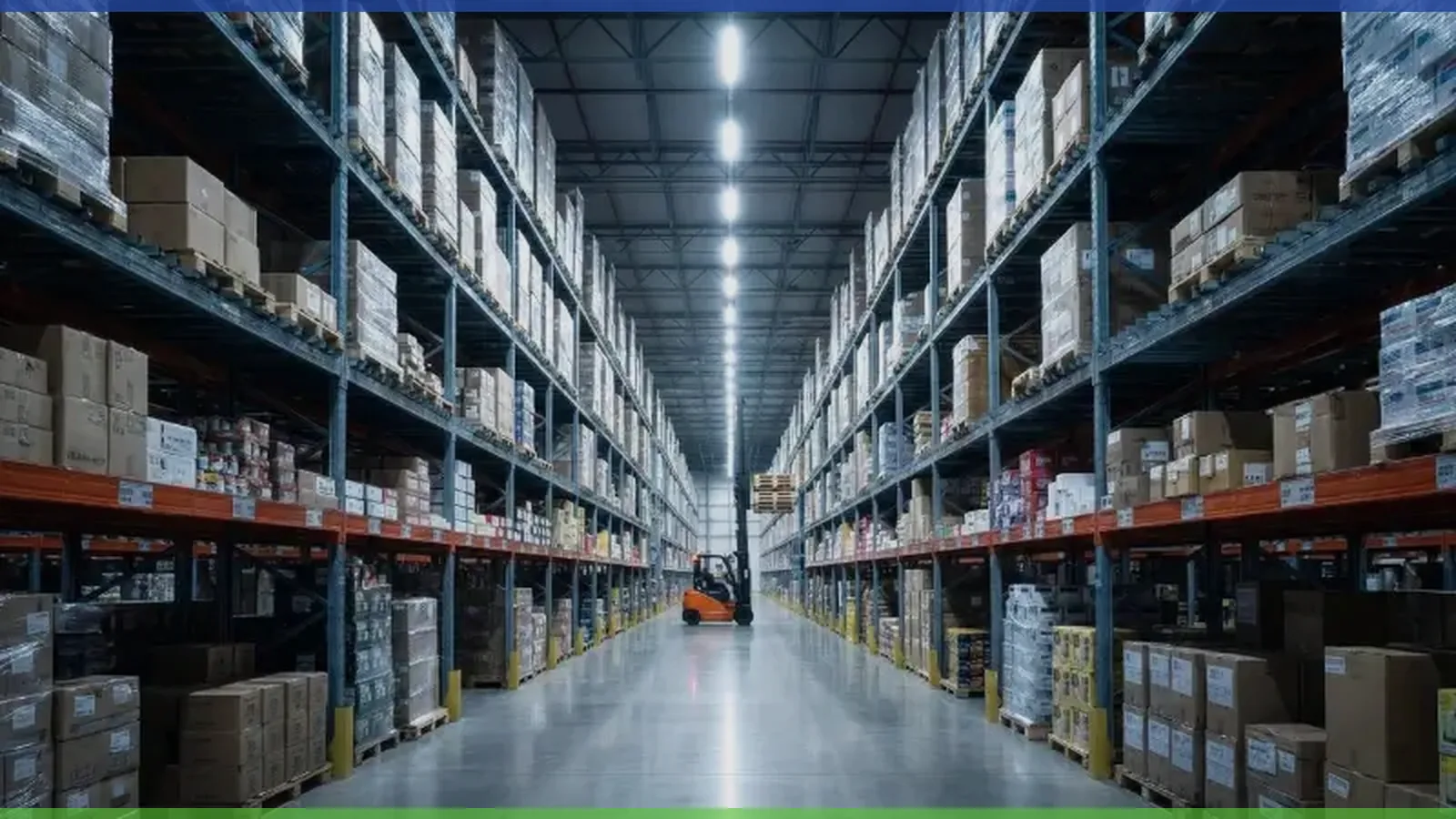
For a project manager outfitting a 100,000 sq. ft. warehouse or a high-vibration tunnel, understanding these raw material trends is essential for budgeting and lead-time mitigation. This guide explores the technical reasons for the 2026 supply crunch and how high-end manufacturers like Fanxstar are adapting engineering designs to maintain performance in a volatile market.
Key Takeaways
-
Copper Deficit: A projected 150,000-tonne refined copper deficit in 2026 is driving prices toward $12,000 per metric ton.
-
Aluminum Specialization: AL6063-T5 aluminum remains the industrial standard for heat sinks, but supply is constrained by global energy-rationing in smelting hubs.
-
Semiconductor Competition: LED drivers are competing for “trailing-edge” chip capacity with the automotive industry, leading to potential lead-time extensions.
-
Design Resilience: Vertical integration and “SKUs-in-one” designs allow manufacturers to optimize material usage and reduce inventory risk.
-
Strategic Hedging: Procurement strategies must now include 60-90 day price locks and supplier diversification (3-2-1 model) to safeguard project margins.
The Copper Crunch: Electrical Infrastructure Under Pressure
The Semiconductor and PCB Dependency
Copper is the circulatory system of an LED fixture. It is found in the internal bus-bars, the power cabling, and most importantly, the copper foil layers of the Metal Core PCB (MCPCB). In 2026, the demand for high-purity copper foil has surged due to the rapid expansion of the lithium-ion battery sector. According to the International Copper Study Group, the structural deficit is fueled by declining ore grades in Chile and Peru, combined with a 177% increase in copper usage for the EV sector through 2030.
For lighting manufacturers, this means the cost of the “thermal path” is rising. High-efficacy LED linear lights require thicker copper traces (often 2oz or 3oz copper) to ensure efficient electron flow and heat dissipation. When copper prices spike, the unit cost of a premium industrial fixture is directly affected, making early-stage price hedging a technical necessity.
|
Material Phase |
2026 Market Status |
Impact on LED Manufacturing |
|---|---|---|
|
Refined Copper |
Structural Deficit (150k tonnes) |
Increased cost of internal bus-bars and wiring |
|
High-Purity Foil |
EV Industry Competition |
Longer lead times for premium MCPCB production |
|
Copper Scrap |
Rising Recycled Value |
Focus on circular design and material recovery |
Aluminum: The Backbone of Thermal Management
AL6063-T5 and the Smelting Bottleneck
Aluminum is the primary material for high-performance heat sinks. In industrial lighting, AL6063-T5 alloy is the benchmark due to its excellent thermal conductivity and mechanical strength. However, aluminum production is extremely energy-intensive. In 2026, as global “Green Taxes” and carbon borders (like the EU’s CBAM) take effect, the cost of “Primary Aluminum” is shifting. Factories in Guangdong and other manufacturing hubs are increasingly utilizing recycled aluminum to meet environmental mandates.
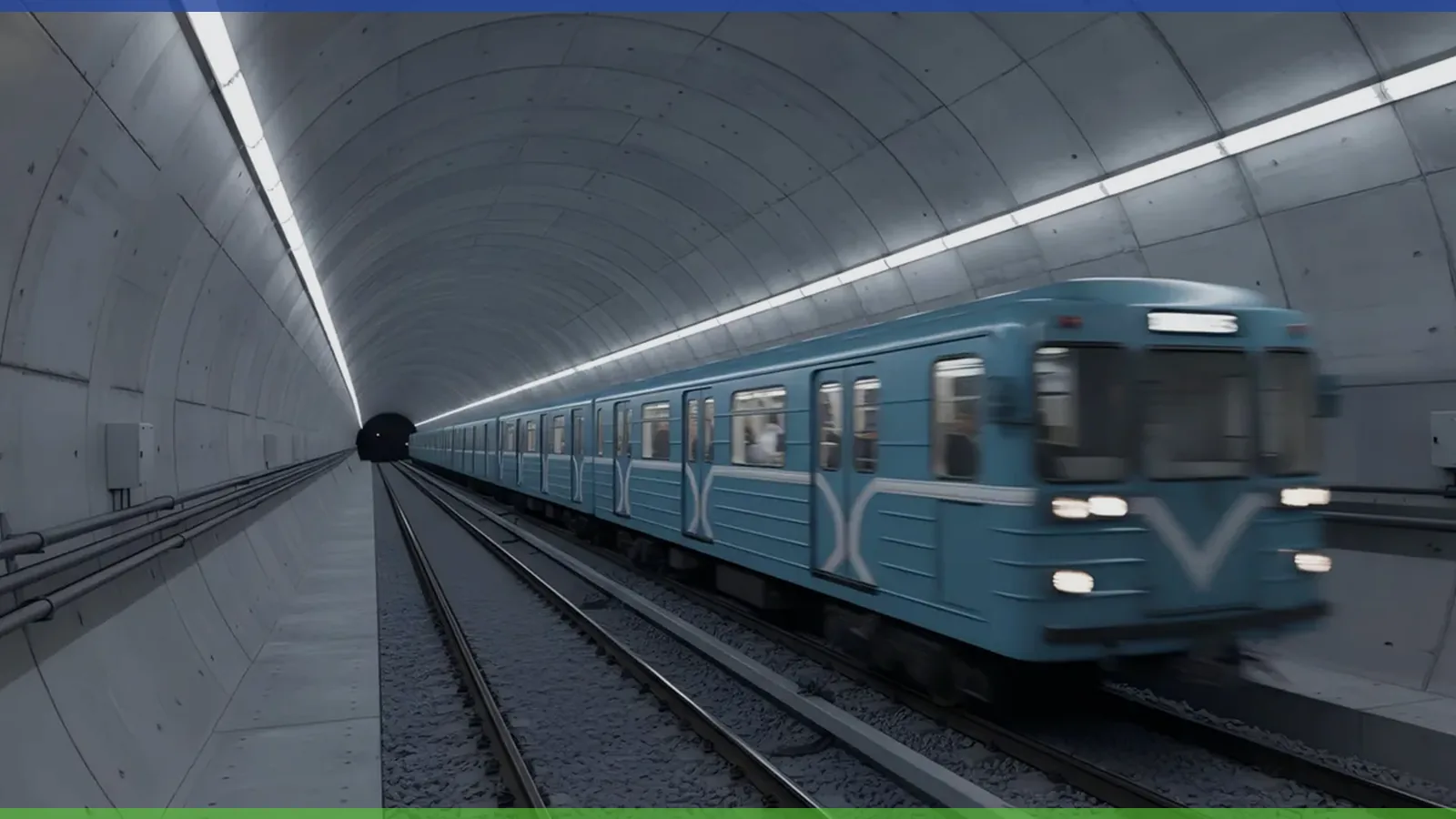
At Fanxstar, our Batman B2 and Trilamp series utilize integrated aluminum chassis that act as a single, massive heat sink. This engineering choice is critical for parking garage and tunnel lighting, where the ambient temperature can be high, and airflow is often restricted. If a manufacturer substitutes aluminum for plastic to save costs, the LED junction temperature will spike, leading to a 50% reduction in lifespan.
|
Alloy Grade |
Thermal Conductivity |
2026 Supply Risk |
|---|---|---|
|
AL6063 (Premium) |
~200 W/mK |
Moderate (Energy-price sensitive) |
|
ADC12 (Die-cast) |
~96 W/mK |
Low (High availability) |
|
Polycarbonate (PC) |
~0.2 W/mK |
Stable (Not a primary heat path) |
Semiconductor Availability: Competition for the “Trailing Edge”
While the news is dominated by cutting-edge 3nm AI chips, the lighting industry relies on “Trailing-Edge” semiconductors (28nm to 90nm nodes) for LED drivers and smart sensors. In 2026, these mature nodes are facing a “Capacity Tug-of-War.” Industrial automation, appliances, and automotive sub-systems all utilize these same silicon wafers.
The Efficacy Breakthrough: 2835R Ultra Chips
Innovation continues despite supply challenges. Newer chips, such as the 2835R Ultra, can achieve up to 270 lumens per watt at the chip level, resulting in fixture efficacies of 185 lm/W. This high efficiency is a direct response to rising energy costs. By producing more light with less power, these high-efficacy chips reduce the heat-load on the aluminum chassis, allowing for more compact and material-efficient designs. However, the availability of these high-bin chips is often limited to “Tier-1” manufacturers who have long-term supply agreements with semiconductor giants like Nichia or Lumileds.
“Supply chain resilience in 2026 isn’t just about having a backup supplier; it’s about having an engineering team that can adapt the product’s architecture to the materials currently available in the market.”
Managing Procurement Risks in 2026
To navigate this volatile environment, professional B2B buyers should adopt three core strategies:
-
Price Hedging: For large-scale infrastructure projects, utilize forward contracts to lock in copper and aluminum pricing at the time of the tender. This prevents “Pricing Creep” during the 6-12 month construction cycle.
-
Supplier Verticality: Partner with manufacturers that are vertically integrated. A factory that performs its own aluminum extrusion and SMT assembly (like top Guangdong OEM factories) is less vulnerable to the delays of secondary sub-suppliers.
-
Strategic Stockpiling: Move away from “Just-in-Time” delivery toward a “Strategic Buffer” model. Maintaining a 15-20% safety stock of critical smart LED battens protects against sudden logistics bottlenecks.
Geopolitical Factors and the 2026 Trade Landscape
Geopolitics is now a raw material factor. Export controls on rare-earth elements and the implementation of reciprocal tariffs on steel and aluminum have fractured the global supply chain.
-
The ‘China Plus One’ Impact: Many brands are diversifying production to Vietnam or Mexico. However, these regions still rely on China for the high-tech components (LED chips and drivers). This creates a “tiered” lead time where the assembly might be local, but the technical core remains subject to trans-Pacific shipping volatility.
-
Sustainability Mandates: New regulations now require reporting on the “Carbon Intensity” of the aluminum used in lighting fixtures. Low-carbon aluminum, produced via hydropower, is fetching a premium in the 2026 European market.
|
Risk Factor |
2026 Mitigation Strategy |
ROI Impact |
|---|---|---|
|
Tariff Volatility |
DDP Sourcing / Local Warehousing |
Prevents unexpected CAPEX spikes |
|
Logistics Congestion |
FCL over LCL / Early Booking |
Ensures project completion on schedule |
|
Material Shortage |
Modular ‘SKUs-IN-ONE’ Design |
Reduces inventory capital tied up in slow SKUs |
Conclusion: Building a Resilient Infrastructure
Raw material trends in 2026 are a technical reality that dictates the quality and cost of industrial lighting. By prioritizing high-efficacy LED linear lights that utilize premium AL6063 aluminum and Tier-1 semiconductors, facility managers can safeguard their infrastructure against the rising costs of energy and maintenance. The transition to a “Strategic Procurement” model—focusing on vertical quality control, price hedging, and modular design—is the only way to ensure that lighting remains a performance asset rather than a budgetary liability. At Fanxstar, we don’t just watch these trends; we engineer against them. Choosing a partner that understands the thermodynamics of materials and the economics of the supply chain is the key to a safe, efficient, and profitable future in the global industrial sector.
FAQ
Why is copper pricing so volatile for LED projects?
Copper is the primary conductor in PCBs and cabling. The surge in EV and AI data center construction has created a “super-cycle” of demand that outpaces current mining capacity, leading to rapid spot-price shifts.
Does the grade of aluminum really affect LED life?
Absolutely. AL6063-T5 aluminum has significantly higher thermal conductivity than standard die-cast ADC12 or plastic. Better heat dissipation keeps the LED junction temperature below the 85’C threshold, preventing lumen depreciation.
How can I protect my lighting budget from 2026 price hikes?
Utilize “Price Validity” clauses in your RFPs. Manufacturers like Fanxstar can often offer 60-90 day price locks for project partners, allowing you to finalize your budget before material costs fluctuate.
What is the lead time for specialized LED chips in 2026?
Standard chips are available in 2-4 weeks. However, high-efficacy “High-Bin” chips (reaching 180+ lm/W) may require 8-12 weeks for bespoke production runs due to limited wafer capacity.
Is recycled aluminum as effective as primary aluminum?
Yes, if processed correctly. Secondary (recycled) aluminum can achieve identical thermal properties to primary aluminum while consuming 95% less energy during production, making it the “greener” choice for LEED-certified projects.