In the digital age, the dropshipping model has revolutionized retail, allowing entrepreneurs to sell products globally without ever holding physical stock. However, when the product in question is specialized industrial hardware—like **LED linear lighting** or explosion-proof fixtures—the conversation shifts from consumer convenience to technical accountability. For B2B project managers, architects, and electrical contractors, the question is no longer “Can we dropship?” but “Is the model robust enough to handle the technical rigors of an industrial build?”
In 2026, while the global dropshipping market is projected to expand at a 7.85% CAGR, the B2B sector faces unique hurdles: certification verification, bespoke engineering needs, and the critical requirement for long-term after-sales support. This guide analyzes the viability of dropshipping LED lights for large-scale projects, contrasting it with traditional factory-direct partnerships.
Key Takeaways
-
B2B Complexity: Standard retail dropshipping lacks the technical depth (IES files, CAD modeling) required for professional lighting design.
-
Customization is Mandatory: B2B projects often require bespoke lengths and specific CCT tuning; most dropshippers only offer static, high-volume SKUs.
-
The Certification Gap: Reliable B2B sourcing requires verified UL, ENEC, and TUV reports—documents that generic middlemen often cannot provide.
-
Local Support ROI: A lighting system’s value is tied to its maintenance; look for “Hybrid” models that offer factory-direct pricing with local EU/US service hubs.
-
Sustainability Reporting: Importers in 2026 must provide carbon footprint data (CBAM); verified manufacturers like Fanxstar provide this technical transparency.
The Dropshipping Model in the Lighting Industry
How it Works for Professionals
The core promise of dropshipping is the removal of the inventory burden. For a startup lighting design firm, this means they can focus on project acquisition and client aesthetics while a technical partner handles the assembly and logistics. In a professional B2B context, this often takes the form of a “Technical Dropship,” where the manufacturer ships large batches of black linear lights or industrial battens directly to the construction site on behalf of the contractor.
The B2B vs. B2C Divide
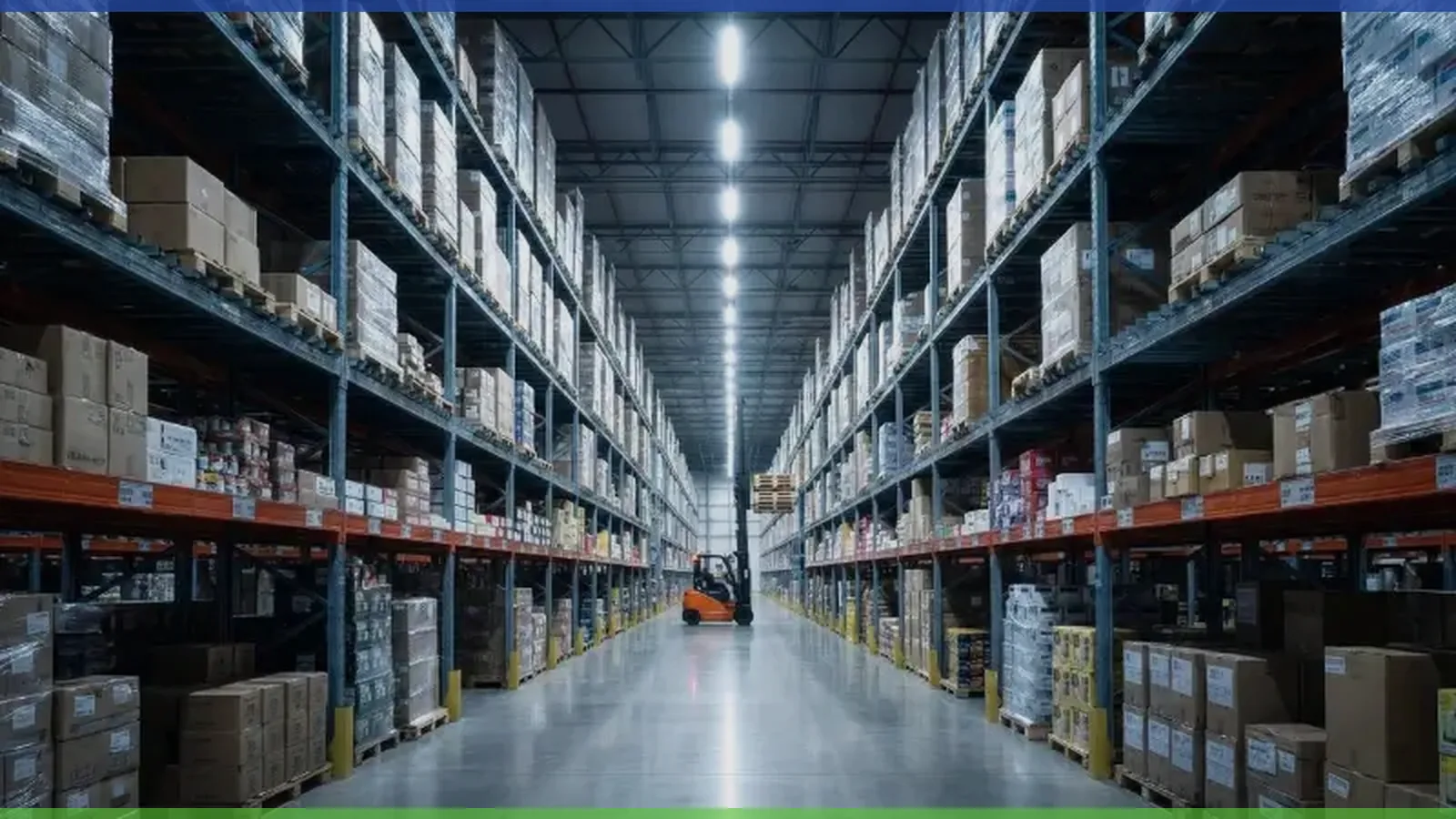
In B2C, a “failed light” results in a simple return and a $20 refund. In B2B, a failed light in a 10-meter high warehouse can cost $500 in lift-hire and labor to replace. This “Cost of Failure” is the primary reason why standard retail-focused dropshippers struggle to penetrate the B2B market. Professional buyers demand technical validation before a single unit is shipped.
|
Procurement Metric |
Retail (B2C) Dropshipping |
Technical (B2B) Partnership |
|---|---|---|
|
Primary Goal |
Lowest unit price |
Total Cost of Ownership (TCO) |
|
Technical Data |
Basic web description |
IES Files, LDT files, Photometric studies |
|
Certifications |
Self-declared CE |
Third-party UL, ENEC, TUV, NSF |
|
Packaging |
Retail box |
High-density honeycomb (Logistics proof) |
|
Support |
Chat bot |
Dedicated Lighting Engineer |
Benefits: Why Consider Dropshipping for B2B?
Capital Efficiency and Scale
The most significant advantage is the preservation of working capital. For a project requiring 5,000 units of energy saving LED battens, the procurement firm does not need to warehouse the product. This reduces overhead costs by as much as 15% to 20%, allowing those funds to be redirected toward project management and specialized labor.
Geographic Flexibility
In 2026, large-scale projects are often cross-border. A firm in Berlin might design a project in Dubai using fixtures manufactured in Shenzhen. Dropshipping allows for direct “Port-to-Project” logistics, bypassing multiple hand-offs and reducing the risk of transit damage. When combined with customized LED linear lighting, this model supports rapid project deployment across global regions.
The Technical Hurdles: Why It Often Fails
Despite the benefits, “Standard” dropshipping is fraught with risks for an industrial engineer. The primary failure points are:
1. The Customization Gap
B2B projects are rarely “one-size-fits-all.” Architects often require bespoke lengths or specific DALI-2 dimming profiles. Standard dropshippers buy from high-volume, generic stock. If the project requires a 2,345mm fixture instead of a 2,400mm one, the dropshipping model breaks down. Partnering directly with a factory like Fanxstar ensures that “Custom” is part of the standard workflow.
2. Thermal and Driver Science
Many generic LED lights sold via dropshipping platforms use non-isolated, low-cost drivers to hit an aggressive price point. These drivers are prone to flickering and have poor surge protection. In an industrial grid with heavy motor noise, these fixtures will fail prematurely. A reliable thermal management design is essential for L80/B10 longevity—something that cannot be verified by looking at a retail website.
|
Risk Factor |
Dropshipping “Generic” Issue |
Direct Factory Engineering |
|---|---|---|
|
LED Phosphor |
Rapid color shift (Blue-shift) |
MacAdam 3-Step binning (Consistency) |
|
Driver Capacitor |
Standard 2,000h rating |
High-temp 10,000h long-life caps |
|
Sealing Gaskets |
Low-grade rubber (cracks) |
Reinforced cold-rated silicone |
|
Certificates |
Generic PDF copies |
Verified, traceable UL/TUV numbers |
Quality Assurance: The 2026 Benchmark
To make dropshipping “viable” for B2B, the quality control process must be transparent. We recommend a 4-stage technical audit before any dropship agreement is signed:
-
SMT Line Inspection: Verify the factory uses high-speed pick-and-place robots for precision.
-
Burn-In Cycle: Confirm that 100% of fixtures undergo at least a 24-hour full-power test before shipping.
-
Hi-Pot Testing: Ensuring electrical safety and insulation resistance for Class I and Class II fixtures.
-
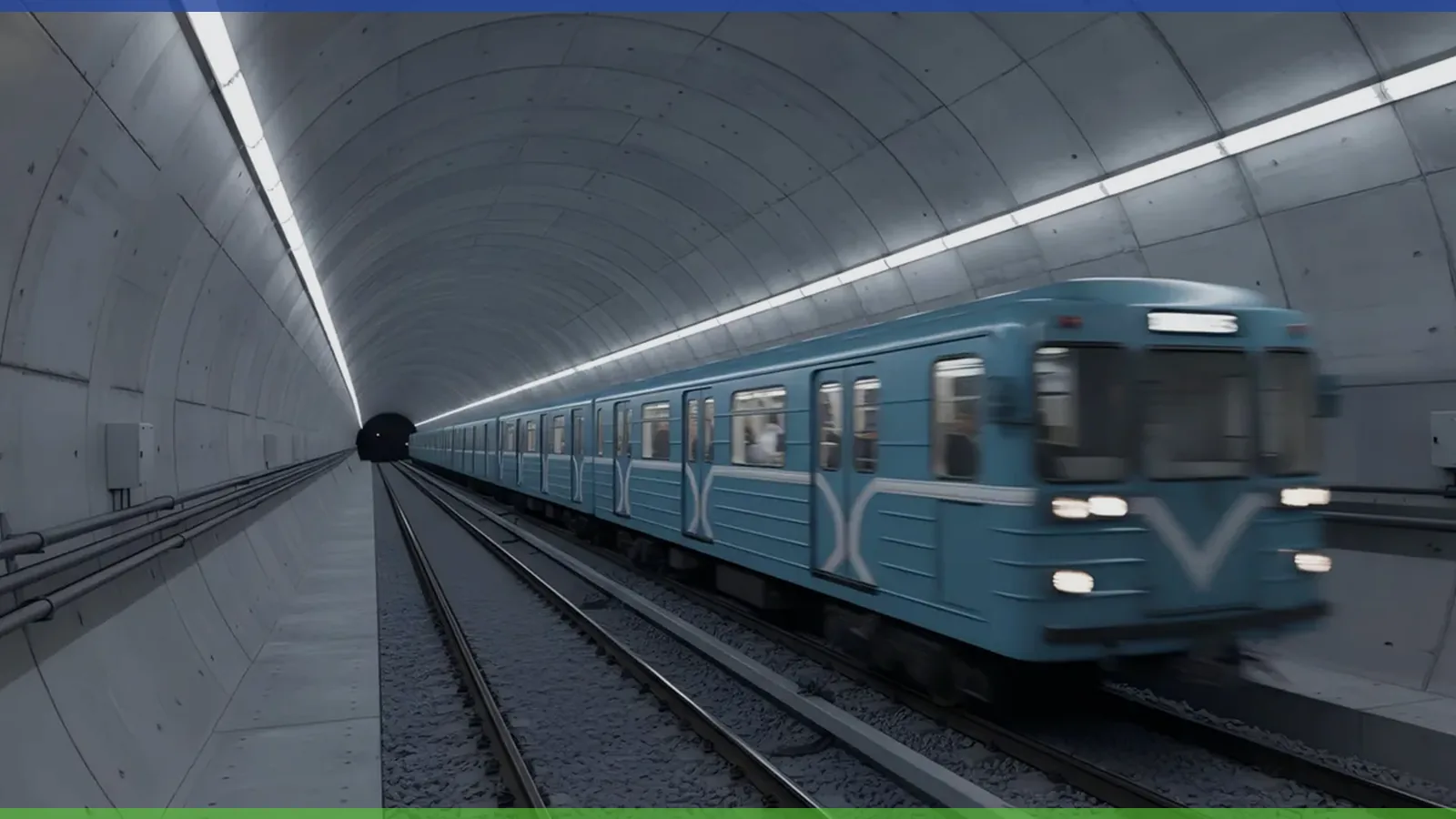
IP/IK Verification: For underground parking and tunnels, IK10 impact protection is a mandatory safety requirement.
“Buying a light via a dropshipper is buying a box. Sourcing direct from a factory is buying an engineering partnership. In B2B, the partnership is what keeps the building lit.”
Alternatives: The “Hybrid” Sourcing Model
The most successful B2B firms in 2026 are moving away from pure dropshipping and toward Hybrid Fulfillment.
How the Hybrid Model Works:
-
Factory Direct Procurement: Sourcing directly from the manufacturer (e.g., Fanxstar) to secure high-efficacy 185 lm/W chips and Tier-1 drivers.
-
Local Service Hubs: Utilizing the manufacturer’s localized EU/US service centers for “Last Mile” logistics and after-sales support.
-
Modular Inventory: Utilizing “SKUs-IN-ONE” technology (DIP switches for Power/CCT) to reduce the number of individual models that need to be “dropshipped,” simplifying the supply chain.
The Financial Case: CAPEX vs. OPEX
While dropshipping might seem like it saves money on warehouse staff, it often increases the “Technical CAPEX” of a project. When you factor in the 20% to 30% middleman markup and the increased risk of faulty goods (and the labor costs of replacing them), direct factory sourcing often provides a 15-month Return on Investment (ROI) compared to the 36-month ROI of a generic dropshipped system.
|
ROI Driver |
Standard Dropshipping |
Factory-Direct (e.g. Fanxstar) |
|---|---|---|
|
Initial Margin |
Low (Middleman costs) |
High (Wholesale direct) |
|
Maintenance Labor |
High (Replacement cycles) |
Low (100k hour design life) |
|
Energy Efficiency |
Standard (120 lm/W) |
Pro (160-185 lm/W) |
|
Insurance / Claims |
Difficult (Platform mediation) |
Standard (B2B Contractual) |
Future Trends: IoT and Sustainability
In 2026, B2B procurement is heavily influenced by sustainability mandates. Importers in the EU are now required to report under the **Carbon Border Adjustment Mechanism (CBAM)**. Standard dropshippers rarely have access to the raw material emission data for the aluminum and electronics they sell. In contrast, vertically integrated manufacturers provide a full environmental audit, ensuring your project remains compliant with “Green Building” initiatives like LEED and BREEAM.
Human-Centric Lighting (HCL)
Modern tunable white linear lights require sophisticated calibration between the sensor and the driver. A dropshipped product often lacks the software firmware necessary to maintain color consistency across a large floor plan. Reliable B2B sourcing ensures that your “Follow-Me” lighting path works flawlessly on day one.
Conclusion: Is It Viable?
Is dropshipping LED lights viable for B2B projects? The answer is a qualified “Yes,” but only if you redefine the term. Standard retail dropshipping—buying a generic box from a digital marketplace—is a high-risk gamble for any industrial project. However, Strategic Dropshipping—partnering with an established, vertically integrated manufacturer like Fanxstar—is the future of B2B procurement. This model provides the inventory flexibility and capital efficiency of dropshipping, but backs it with the engineering rigor, international certifications, and local support of a tier-1 lighting factory. In 2026, the key to a profitable and safe project is finding a partner who manages the entire value chain, from the LED chip to the final delivery at your construction site.
FAQ
Can I get ‘IES’ files from a dropship supplier?
A standard retail dropshipper likely won’t have these. A professional B2B partner like Fanxstar provides full IES and LDT photometric data for all SKUs, essential for accurate Dialux simulations.
How long is the typical warranty for B2B dropshipped lights?
Retail dropshippers often only offer a 1-year limited warranty. Industrial-grade manufacturers like Fanxstar provide 5-to-10-year warranties for professional series, mirroring the life expectancy of the building’s infrastructure.
Does the ‘Middleman’ affect my project’s certification?
Yes. If the name on the UL/CE certificate does not match the supplier on your invoice, your project may fail an inspection or struggle with insurance liability. Always verify the certificate ownership.
Is dropshipping safe for high-vibration tunnel projects?
Only if the fixtures are specifically IK10 and ANSI C136.31 certified. Standard lights will vibrate themselves to pieces within months. Direct factory sourcing is the only safe way to guarantee these high-spec requirements.
How do I handle a ‘Dead on Arrival’ (DOA) unit in dropshipping?
This is the model’s weakness. With a retail dropshipper, you are often stuck in a long mediation loop. With a direct factory partner, you receive a replacement from a local service hub, often in 48-72 hours.