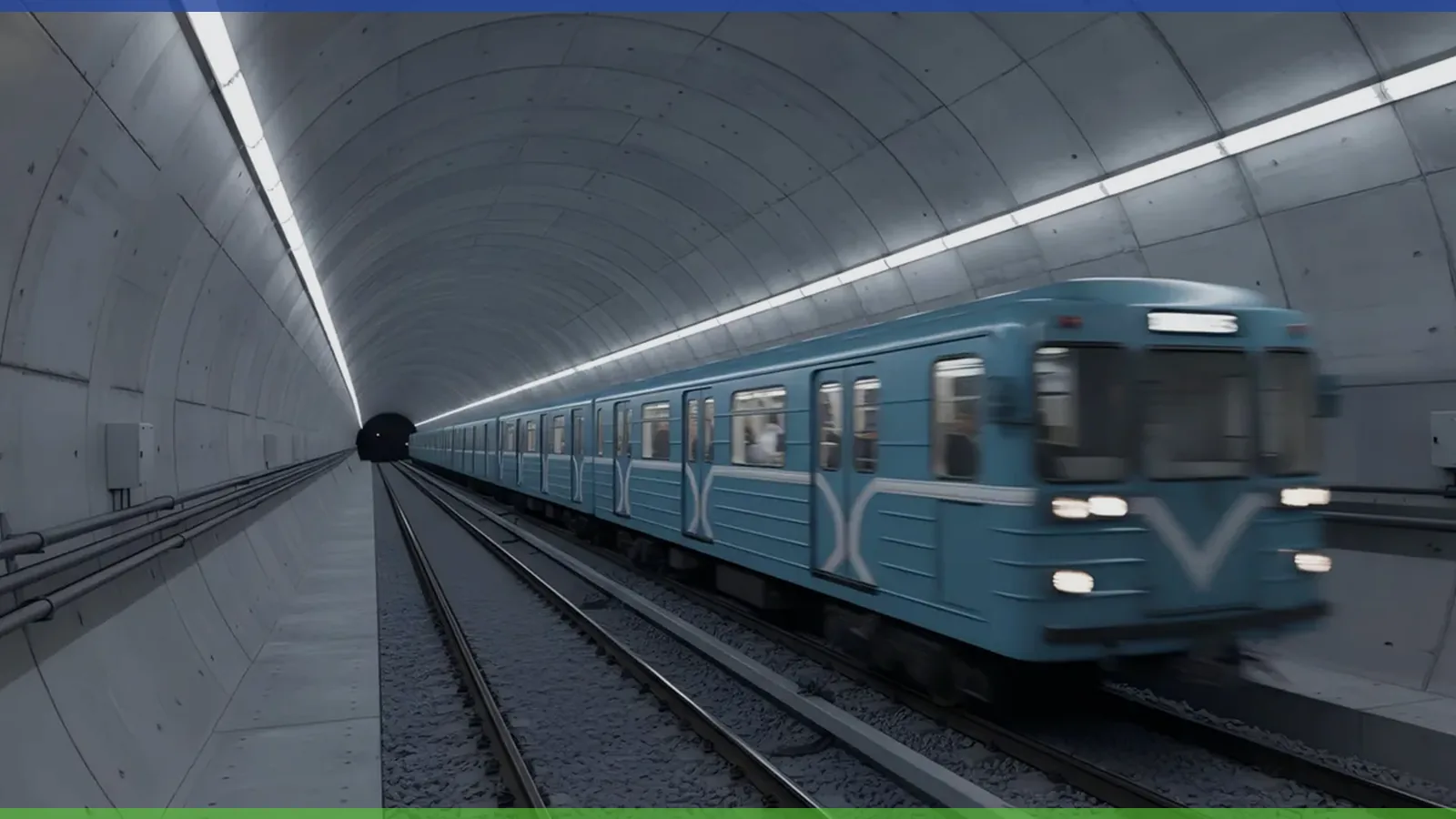
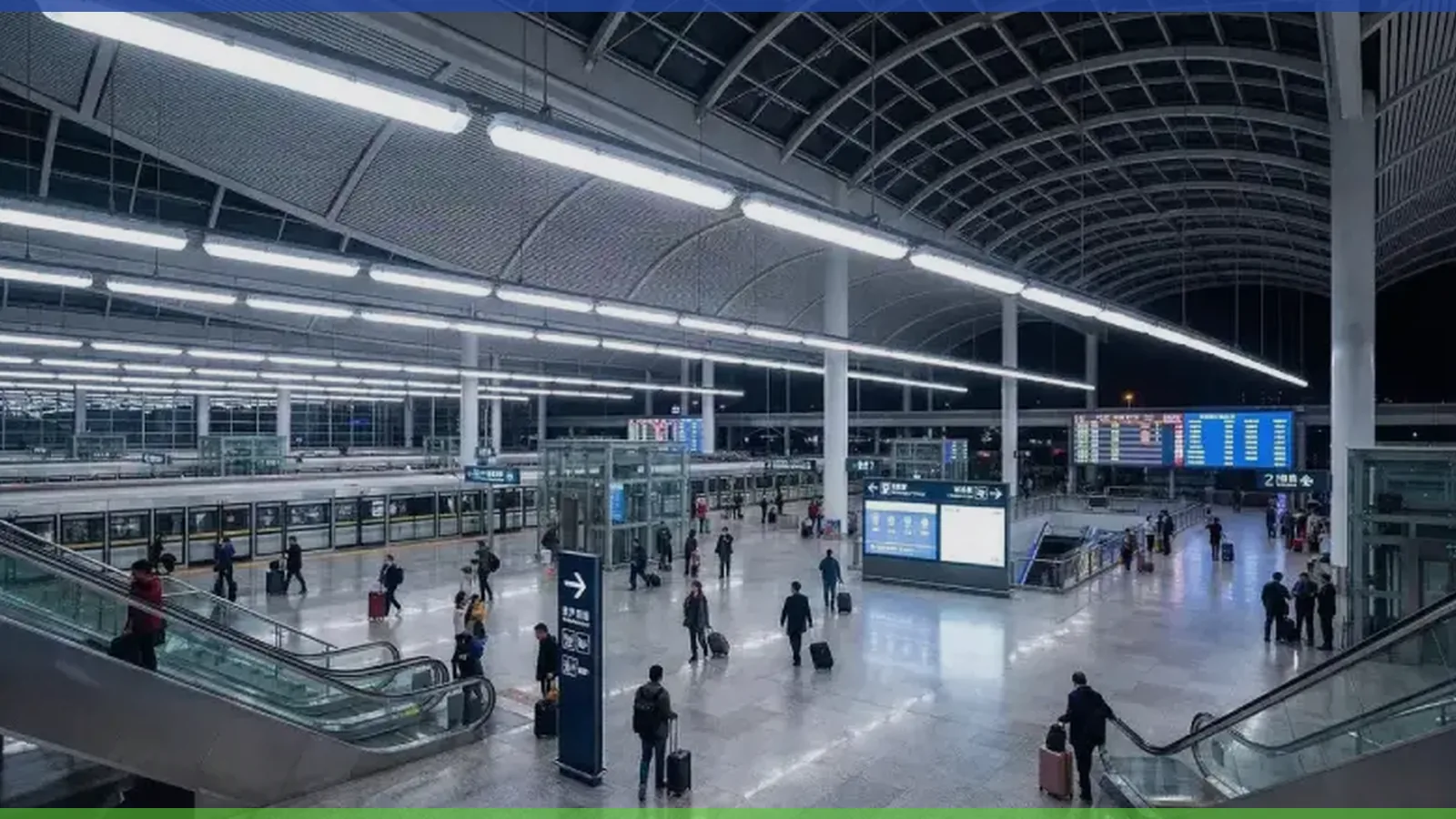
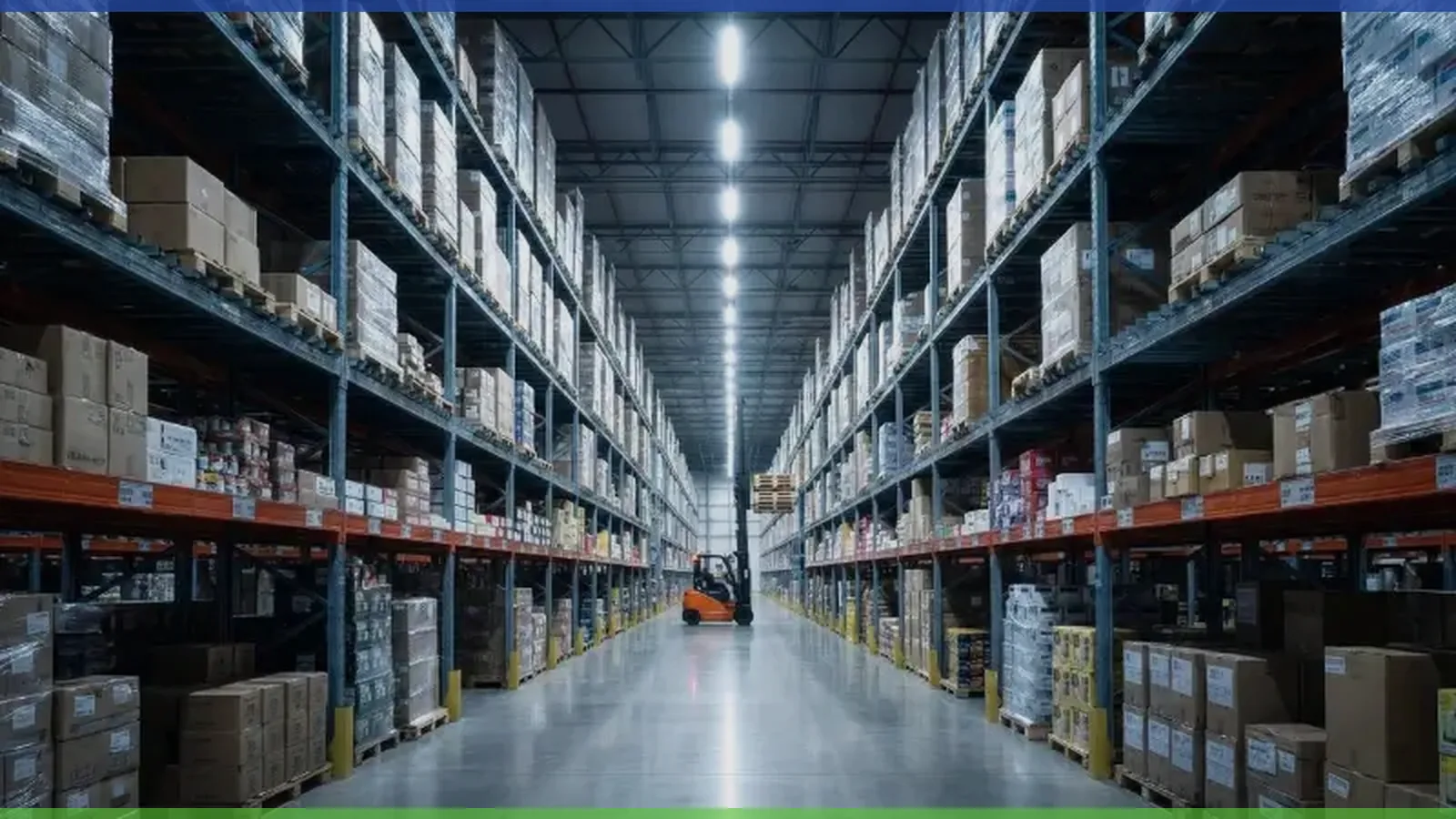
For large-scale logistics hubs and industrial manufacturing facilities, the lighting system is more than just a utility—it is a critical infrastructure component that dictates worker safety, operational speed, and energy overhead. Standard “consumer-grade” shop lights often fail in these environments due to poor heat management and limited linkability. The top rated linkable shop lights for 2026 are those that offer a seamless combination of ultra-high efficacy (lm/W), robust ingress protection (IP66), and the ability to extend continuous runs up to 60 meters on a single power feed.
In a warehouse with 10-meter ceilings or 100-meter long aisles, “linkability” is the key to reducing installation labor. Systems that utilize tool-free “zero-gap” splicing and internal through-wiring allow contractors to create perfectly straight, shadow-free lines of light without the need for complex external conduits between every fixture.
Key Takeaways
-
Industrial Grade vs. Consumer: Prioritize AL6063 aluminum chassis over plastic to ensure a 70,000+ hour lifespan in high-heat environments.
-
Max Linkable Length: Professional systems like the Batman B2 allow for 60-meter runs, drastically reducing electrical “home-run” wiring costs.
-
Luminous Efficiency: Look for a minimum of 160 lm/W to maximize energy savings; the Trilamp A3 reaches up to 185 lm/W.
-
Durability Ratings: For warehouse environments, IP66 (vapor-tight) and IK10 (impact-resistant) ratings are essential for long-term reliability.
-
Smart Savings: Integrate microwave motion sensors and daylight harvesting to reduce energy bills by up to 80% in low-traffic aisles.
The Science of Warehouse Illumination: Photometric Planning
Before selecting fixtures, it is vital to understand the “Lux” requirements of your space. The Illuminating Engineering Society (IES) defines specific light levels based on task complexity. For general warehouse aisles where forklifts operate, 150-200 Lux is standard. However, for dispatch packing areas or laboratories, 300-500 Lux is required to ensure accuracy and reduce eye strain.
Continuous lines of light are superior to point-source “UFO” high bays because they distribute light evenly along the vertical face of storage racks. This “vertical illuminance” is what allows workers to read labels on the highest shelves without shadows.
|
Area Type |
Recommended Lux (lx) |
Lumen Efficiency Target |
|---|---|---|
|
Bulk Storage (Manned) |
150 Lux |
140 lm/W+ |
|
Packing & Dispatch |
300 Lux |
160 lm/W+ |
|
Precision Workshops |
750 Lux |
180 lm/W+ |
|
Corridors / Stairwells |
100 Lux |
140 lm/W+ |
Top Rated Industrial Linkable Shop Lights of 2026
The 2026 market is led by fixtures that prioritize “Fit and Forget” reliability. Below are the engineering-grade series currently dominating large warehouse projects.
1. Batman B2 Series – The 60-Meter Champion
The Batman B2 Series is specifically designed for vast logistics centers. Its most impressive feature is its electrical trunking system, which supports continuous runs of up to 60 meters. Utilizing a premium AL6063 aluminum chassis, it provides the massive surface area needed for heat dissipation in high-ceiling environments.
-
Linkability: Tool-free modular splicing with internal 5-pin or 7-pin wiring.
-
Maintenance: Modular driver and sensor replacement—zero tools required to swap components.
2. Trilamp A3 Series – The Efficiency King
When the priority is the lowest possible utility bill, the Trilamp A3 is the industry leader. Reaching an efficacy of 185 lumens per watt, it converts nearly all electrical energy into visible light rather than heat. This reduces the load on HVAC systems in climate-controlled warehouses.
-
Technology: Patented zero-gap splicing eliminates the “zebra effect” shadow at the joint.
-
Best For: High-efficiency warehouse led lighting and retail environments.
3. Trilamp A16 Series – Rapid Deployment System
For retrofitting projects where time is money, the A16 utilizes a unique rapid-link connector. It allows for up to 30 strips (approx. 45 meters) to be connected in a single run. Its “Plug-and-Play” design can reduce manual wiring labor by 66%, making it a favorite for contractors handling 100,000+ sq. ft. facilities.
Comparing Industrial vs. Consumer “Shop Lights”
A frequent mistake facility managers make is purchasing lightweight shop lights from home-improvement stores. While the initial cost is 50% lower, the Total Cost of Ownership (TCO) is vastly higher. Industrial environments are dusty and humid. A standard consumer light (IP40) will accumulate dust inside the lens, reducing light output by 30% within a year. Professional industrial tri-proof lights are hermetically sealed (IP66), ensuring the lumens remain constant for a decade.
|
Feature |
Commercial/Consumer Light |
Industrial Linear High Bay |
|---|---|---|
|
Chassis Material |
Thin Plastic / PVC |
AL6063 Aluminum Alloy |
|
Max Linkable Length |
6 – 10 meters |
50 – 60 meters |
|
Dust/Water Seal |
None (IP20/40) |
High (IP66/IP69K) |
|
Rated Lifespan |
25,000 Hours |
75,000 – 100,000 Hours |
Smart Features and Energy Strategy
The top rated linkable shop lights are now “intelligent” nodes. By integrating microwave motion sensors into the linear runs, warehouses can implement a “follow-me” lighting strategy. Only the aisle where a forklift is moving is fully lit; the rest of the warehouse stays at a 10% safety dim level. This approach, combined with daylight harvesting, can provide a return on investment (ROI) in as little as 14 months.
“The most expensive light is the one that stays on in an empty aisle. Standardizing on linkable sensors is the fastest way to turn your lighting into a profit center.”
Installation and Expansion: Future-Proofing Your Facility
One of the hidden benefits of linkable systems is the ease of expansion. If your warehouse footprint grows, or you rearrange your racking layout, a modular system like the Batman B2 allows you to simply “snap on” more fixtures.
-
Through-Wiring: Utilizing internal copper bus-bars reduces the need for external conduits, keeping the ceiling clean and preventing dust traps.
-
Inrush Current: When linking 30+ lights, the initial power surge can trip breakers. Always specify “Type C” or “Type D” circuit breakers for professional linkable runs.
-
Thermal Management: Industrial LED chips operate at high temperatures. Ensure your fixtures use wide-aluminum substrates for rapid heat conduction from the chip to the chassis.
The Financial Case: LED vs. Metal Halide
Large warehouses that haven’t yet transitioned from Metal Halide or legacy T5/T8 tubes are essentially wasting 60% of their lighting budget. A 150W LED linear high bay provides more usable light than a 400W Metal Halide, while lasting five times longer. When you factor in the “lift-hire” costs required to change one bulb at a 10-meter height, the labor savings often exceed the energy savings.
Conclusion: Choosing the Right Infrastructure
Selecting the best linkable shop lights for your warehouse is an investment in long-term operational efficiency. By prioritizing high-efficacy models like the Trilamp A3 or the extreme linkability of the Batman B2, you ensure a facility that is safe, bright, and cost-effective. Avoid the trap of low-cost consumer alternatives; in the industrial sector, durability and seamless engineering provide the ultimate ROI. Whether you are building a new distribution center or retrofitting an older facility, prioritizing quality today guarantees a decade of reliable performance.
FAQ
How many LED shop lights can I link together?
This depends on the wattage and the internal wiring gauge. Professional systems like Fanxstar’s A16 support up to 30 units (1000W total), while the Batman series can extend to 60 meters on a single 230V feed.
Is suspension or surface mounting better for warehouses?
Suspension is generally preferred for high ceilings as it allows the light to be positioned closer to the work plane. Surface mounting is ideal for lower ceilings or areas with high vibration.
What is the difference between IP65 and IP66?
IP65 protects against low-pressure water jets, while IP66 protects against high-pressure, powerful jets. In dusty warehouses, IP66 is recommended to ensure the fixture is 100% dust-tight over time.
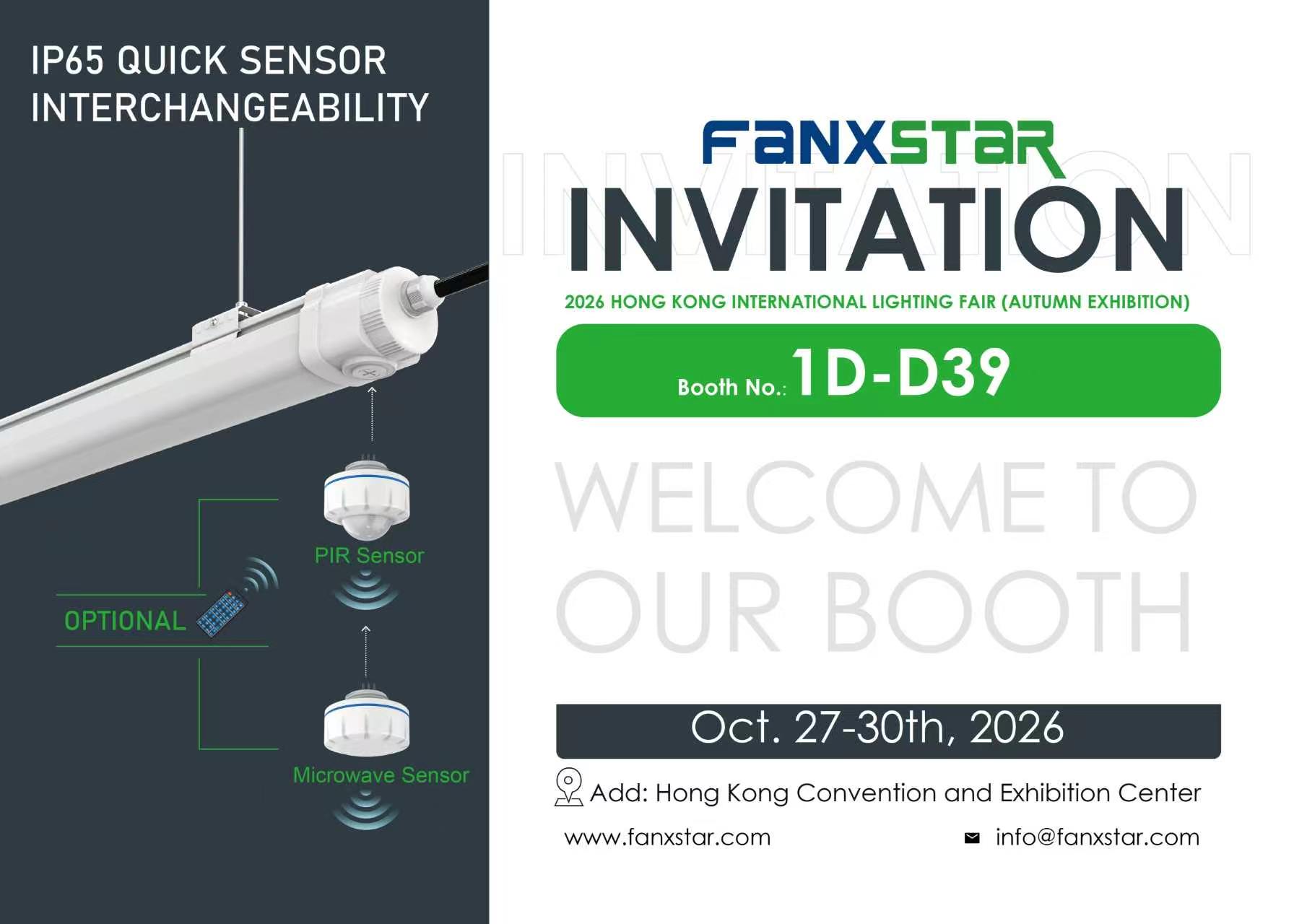
Can I add motion sensors to existing linkable lights?
If the system is modular (like the Fanxstar Batman series), you can often swap out a standard end-cap or driver module for a sensor-equipped one without replacing the whole fixture.
Why do my linked lights look dimmer at the far end?
This is due to “voltage drop.” It happens when the internal wiring is too thin or the run is too long. To fix this, use fixtures with high-purity copper bus-bars and consider using a 277V circuit instead of 120V.