Key Takeaways
-
The Core Difference: Motion sensors eliminate waste in empty rooms (“When to light”), while daylight harvesting adjusts brightness based on the sun (“How much light”).
-
ROI Drivers: Perimeter zones offer the fastest payback for daylight harvesting; intermittent-use areas like warehouses are ideal for motion sensors.
-
Synergy is Key: Combining both strategies into a “Dual-Tech” system can deliver up to 80% energy savings, far surpassing standard LED retrofits.
-
Tech Multipliers: Smart integration reduces HVAC cooling loads and extends fixture lifespan by minimizing burn time.
To optimize a facility’s energy profile, it is essential to distinguish between the two primary pillars of automated illumination: occupancy-based triggers and ambient light-based adjustments. While both aim to eliminate “phantom energy loss,” they rely on fundamentally different mechanisms to achieve maximum energy savings.
1. Motion Sensors: Occupancy-Driven Control
Motion sensors are the first line of defense against waste. Their primary mechanism is the detection of physical movement. When a sensor identifies a person entering a room or a forklift in a warehouse, it triggers the LED driver to provide light.
Precision Detection Technologies
-
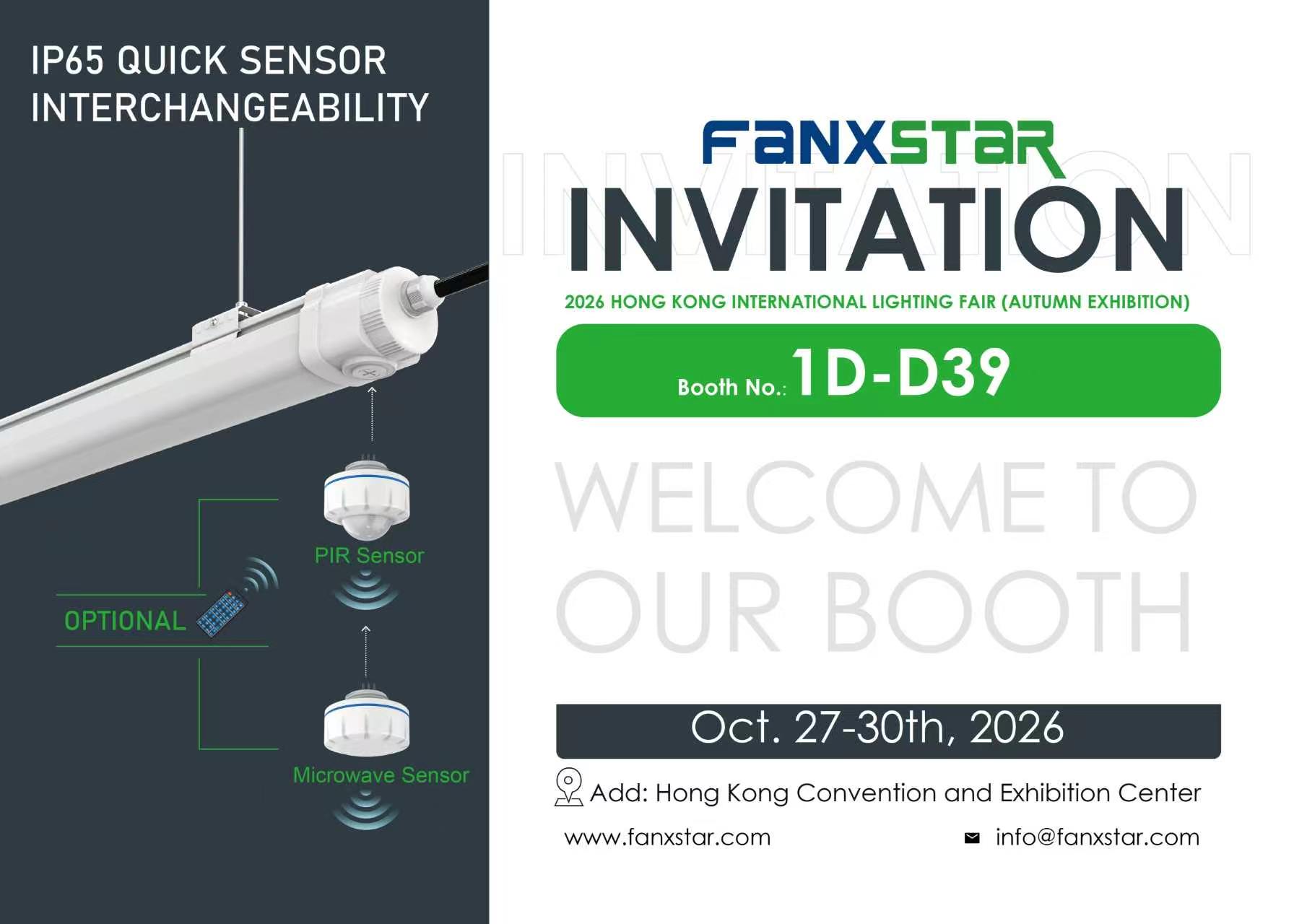
PIR (Passive Infrared): Detects heat signatures. Best for direct line-of-sight (e.g., individual offices, restrooms).
-
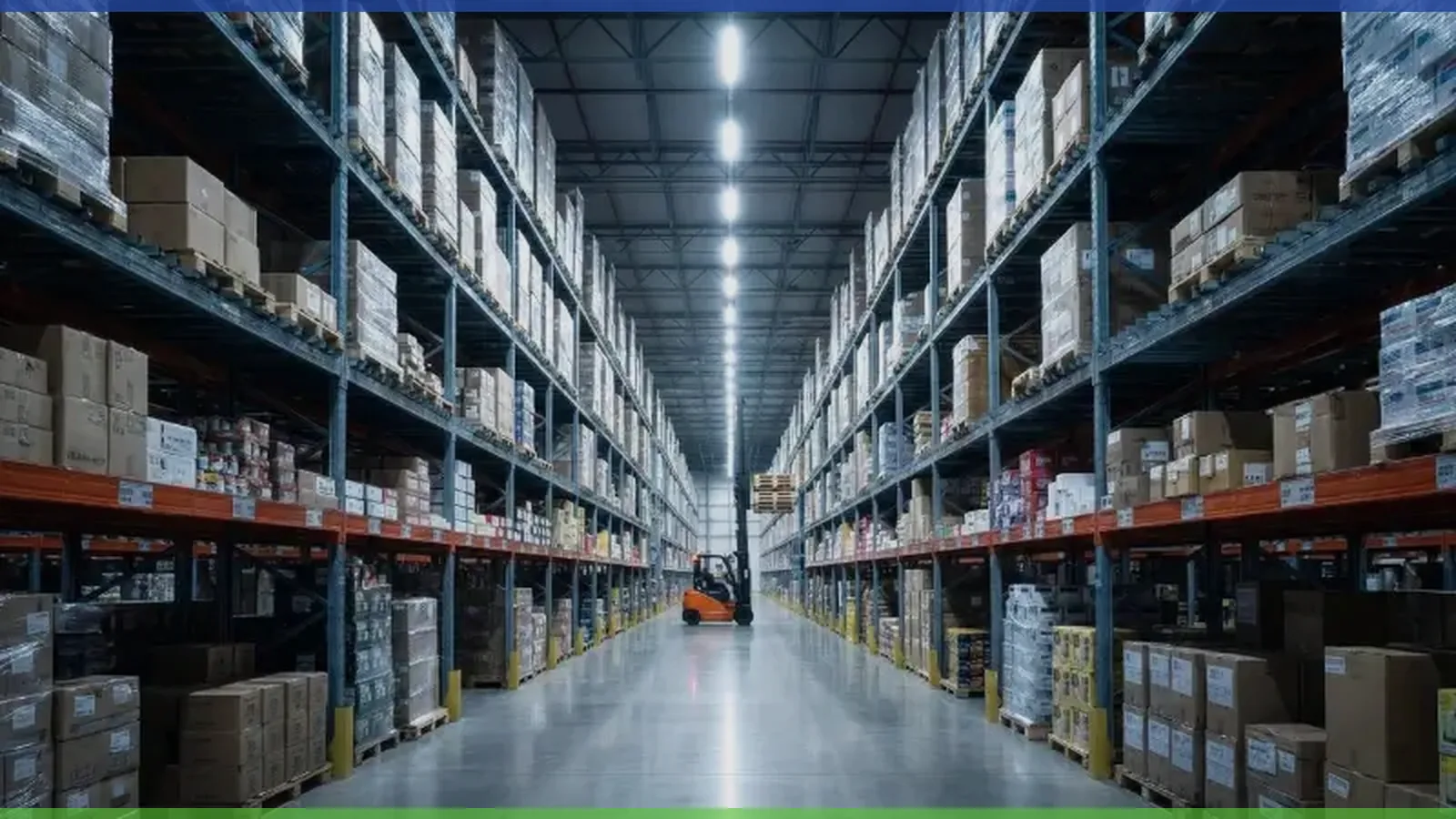
Microwave Sensors: Emits waves to detect movement through obstacles. Ideal for large warehouses and parking garages.
-
Dual-Technology: Combines PIR and Ultrasonic to eliminate false triggers in complex environments.
Integrating occupancy sensors can eliminate 35–40% of lighting electricity use in intermittent zones.
2. Daylight Harvesting: Ambient Light Adjustment
In contrast, daylight harvesting looks for the sun, not people. These systems utilize photocell sensors to measure natural light entering through windows or skylights. As sunlight increases, the system automatically dims the artificial lighting to maintain a consistent lux level.

Did You Know? Dimmed LEDs generate less heat. Daylight harvesting reduces the cooling load on your HVAC system during peak sunny hours, offering a “double dip” in energy savings.
The Comparison: Which Strategy Wins on ROI?
The financial impact varies by application. Here is a breakdown:
|
Feature |
Motion Sensors |
Daylight Harvesting |
|---|---|---|
|
Primary Goal |
Lights ON only when occupied |
Lights DIM when sun is bright |
|
Best Application |
Restrooms, Warehouses, Stairwells |
Lobbies, Window Offices, Retail |
|
Energy Savings |
35-50% (Intermittent use) |
20-60% (Perimeter zones) |
|
Payback Period |
Fast (< 2 Years) |
Moderate (Depends on Glazing) |
The “Dual-Tech” Hybrid Strategy
The most sophisticated facility managers don’t choose one; they combine them. A Hybrid Lighting Control Strategy allows buildings to respond to both human behavior and environmental changes.
Example Scenario: In a hybrid model, daylight harvesting might dim the lights to 30% on a sunny afternoon. If the employee leaves the room, the occupancy sensor then turns them off entirely. This ensures that lighting output is perfectly matched to real-time demand.
Technical Requirements
To implement this, you need:
-
0-10V Dimmable Drivers: The industry standard for smooth control.
-
Smart Sensors: Integrated units that can handle both motion and light detection.
-
Commissioning: Proper calibration is essential to prevent lights from dimming too aggressively.
Beyond Lighting: HVAC & Maintenance Benefits
Smart sensors act as the “brain” of the building. By sharing occupancy data, facility managers can:
-
Optimize HVAC: Reduce ventilation in empty rooms based on sensor data.
-
Extend Lifespan: Reducing burn time extends the life of LED fixtures, pushing replacement cycles out by years.
FAQ
Can I use daylight harvesting in a warehouse without windows?
No. Daylight harvesting requires natural light. For windowless warehouses, motion sensors provide a much higher ROI by managing lighting in aisles.
Do I need to replace all fixtures to add smart controls?
Not necessarily. If your existing fixtures use 0-10V drivers, you can often retrofit them with external sensors. However, new controls-ready LED fixtures are often more cost-effective.
What is the difference between Occupancy and Vacancy sensors?
Occupancy sensors turn lights ON automatically. Vacancy sensors require a manual ON but turn lights OFF automatically. Vacancy sensors often save more energy and are required by some codes (like Title 24).
How much can I save with a Dual-Tech system?
Facilities utilizing both strategies often see energy savings of up to 80% compared to legacy lighting systems without controls.