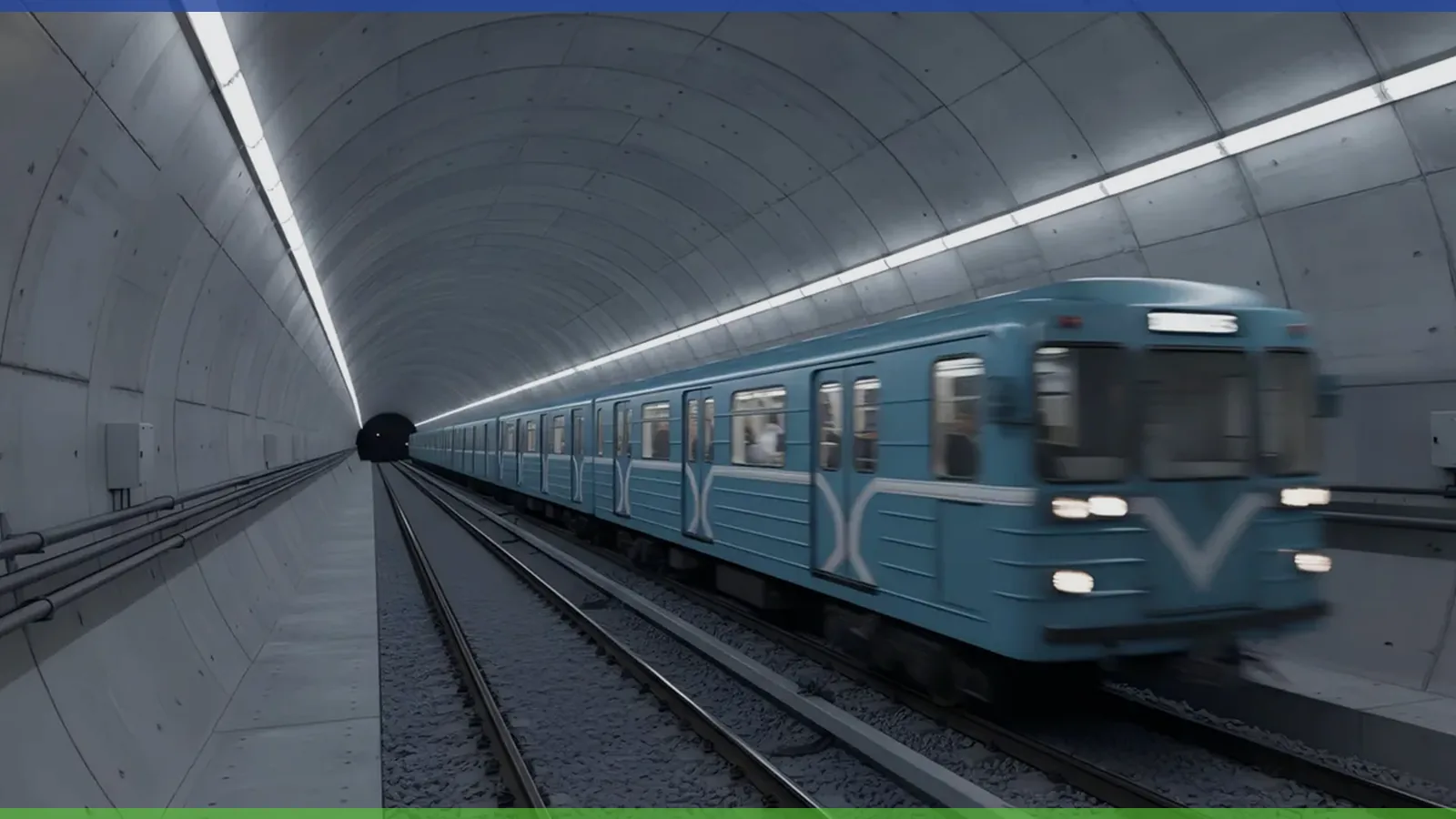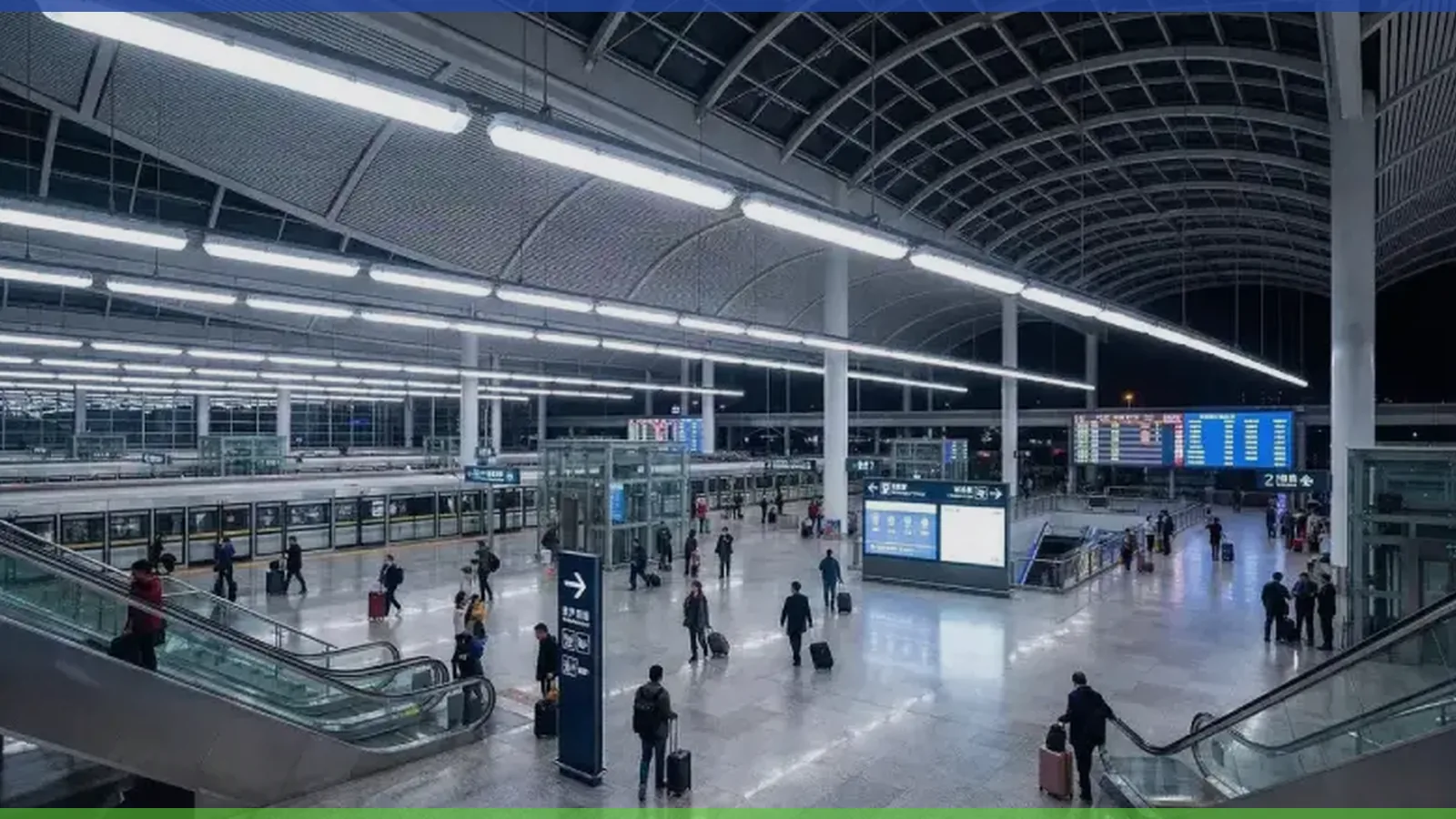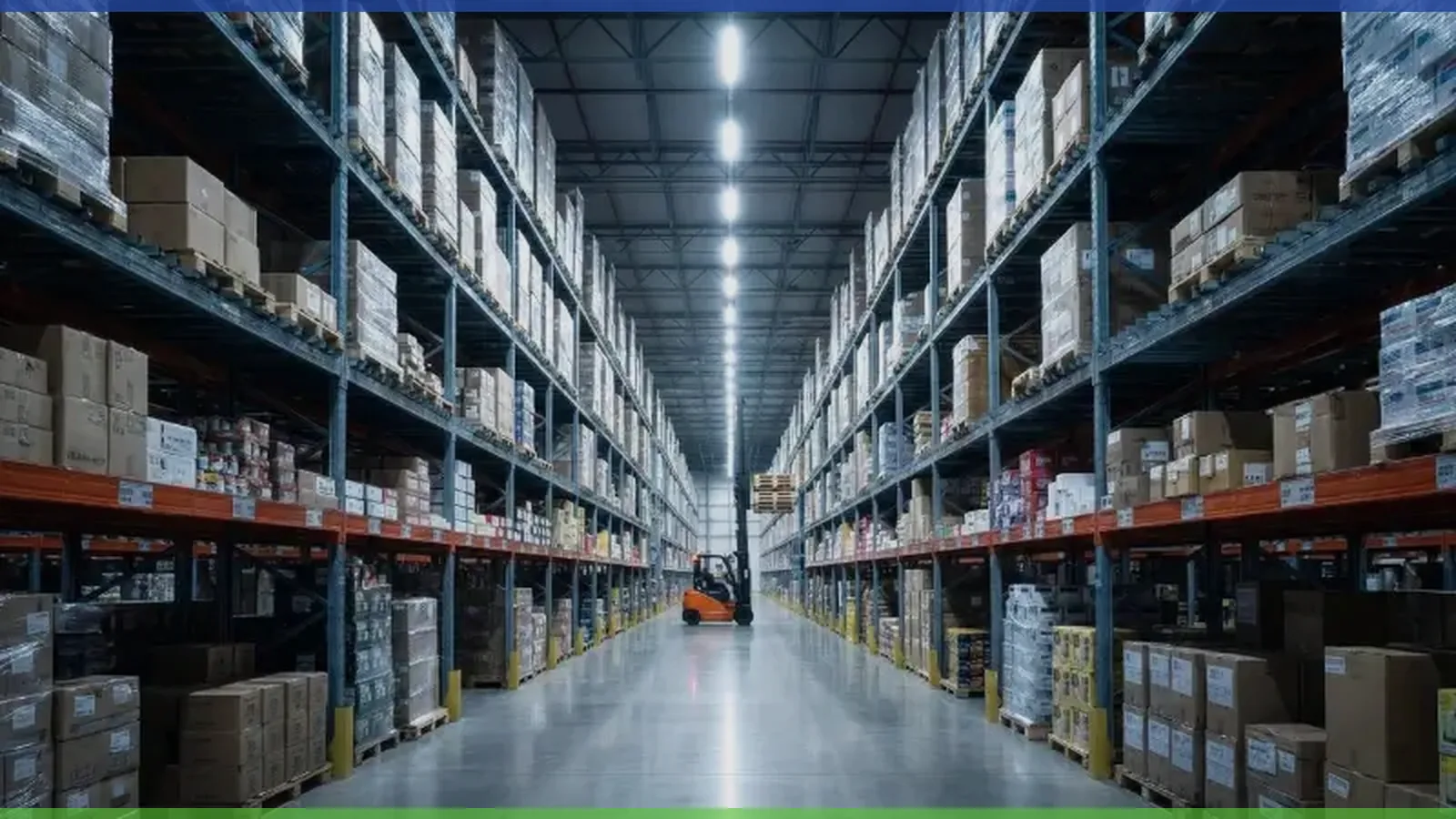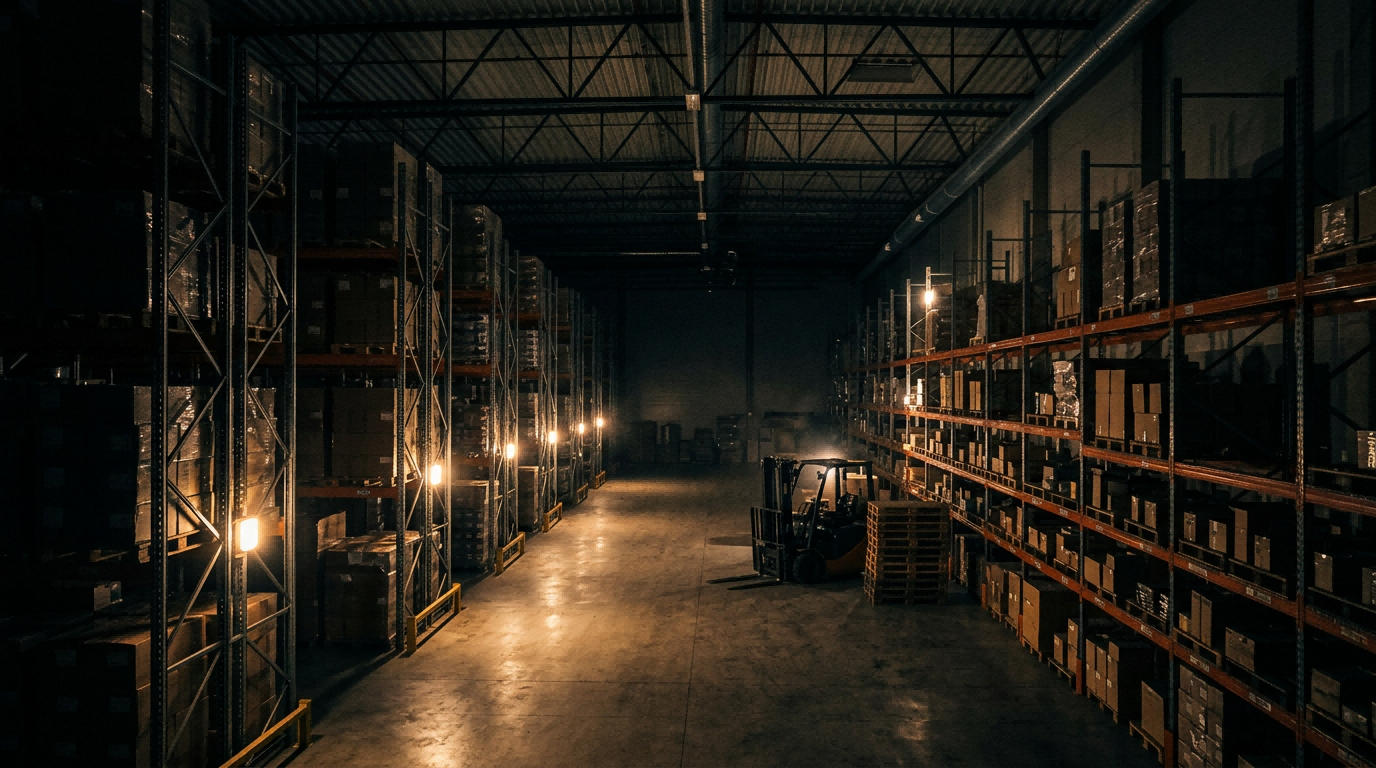
When power fails in a large industrial hall — a distribution centre, manufacturing plant, sports hall, or logistics hub — the emergency lighting system is the only thing standing between orderly evacuation and chaos in darkness. Emergency twin spot fixtures are the workhorse of this application: two independently adjustable LED heads on a single mounting unit, capable of covering wide floor areas from ceiling heights that standard bulkhead fittings simply cannot reach. But specifying twin spots for large halls requires more engineering thought than most buyers apply. Lumen output alone tells you very little: the same 1,000-lumen unit can adequately cover a corridor and completely fail in an 8-metre-high open warehouse. This guide covers the full specification decision — from ceiling height and beam angle physics to battery chemistry, DALI 2.0 integration, and the compliance standards that govern EU and UK industrial facilities.
Key Takeaways
- Lumen output alone is not a compliant specification — codes set minimum lux at floor level along egress paths (1 lux average, 0.1 lux minimum per EN 1838), not fixture lumens.
- High-ceiling halls (above 8 m) require high-output twin spots with narrow beam optics (25°–45°) to deliver compliant floor-level illuminance — wide-angle standard units disperse light before it reaches the floor.
- LiFePO4 (Lithium Iron Phosphate) battery chemistry is the correct industrial specification for longevity, cold tolerance, and safety — Ni-Cd is legacy and increasingly replaced.
- DALI 2.0-compatible emergency fixtures eliminate the manual testing problem in high-ceiling industrial environments — automated monthly function tests and annual duration tests are managed from a central controller without lifting equipment.
The Physics of Emergency Lighting in Large Halls
Why Ceiling Height Changes Everything
The fundamental problem with standard emergency twin spots in large industrial halls is beam spread physics. At typical office or corridor ceiling heights (3–4 m), a 90° beam angle is appropriate — the light disperses widely at that distance and creates comfortable floor-level coverage. At 8–10 metres of ceiling height, the same 90° angle creates a circle of illumination roughly 16 metres in diameter at the floor — but with so much area to cover, the lux level at the floor’s edge drops below compliance minimums. For emergency egress compliance, what matters is not how many lumens a fixture emits but whether 1 lux (average) reaches the floor along the egress path, as required under EN 1838:2013 and BS 5266-1:2016 for EU and UK industrial facilities.
At 10 metres of ceiling height, a twin spot pair delivering a combined 2,000 lumens through 90° beam optics may achieve just 0.5–0.8 lux at the floor edge of its coverage zone — below the minimum 0.1-lux point-anywhere requirement. The same fixture through 45° beam optics concentrates light into a 9-metre floor circle, dramatically increasing lux at the floor surface. Emergency lighting specification guidance is explicit that a well-aimed 1,000-lumen narrow-beam fixture will outperform a poorly aimed 2,000-lumen wide-beam fixture in terms of actual egress compliance — optics and aim determine floor-level results, not headline lumen figures.
The practical implication for specifiers: always require photometric spacing data (IES files or manufacturer spacing charts) for high-ceiling applications and design the layout using actual floor lux calculations — not “lumens per fixture” equivalencies. Warehouse lighting layout principles establish that at heights above 8 metres, narrow 60° or 45° optics are needed to drive useful light to the floor level — this applies equally to emergency and normal illumination.
Head Adjustability and Aiming Lock
The two independently adjustable heads of a twin spot fixture provide the geometric coverage flexibility that makes the format ideal for large halls — one head can be directed toward the primary egress path, the other toward a secondary route or obstruction risk area. But adjustability is only useful if it is maintainable: heads must include set-screw locks that prevent drift during vibration and thermal cycling typical in industrial environments. In high-vibration facilities (near heavy machinery, conveyors, or compressors), specifications should explicitly require vibration-tested locking mechanisms and confirm that the manufacturer’s data covers the facility’s ambient vibration profile. An emergency twin spot that has drifted 20° from its aimed position during 18 months of operation is a compliance liability, not a safety asset.
Compliance Standards and What They Actually Require
EN 1838 and BS 5266: The EU/UK Framework
For industrial facilities in the EU and UK, the primary compliance framework for emergency escape lighting is EN 1838:2013 (lighting application — emergency lighting) and BS 5266-1:2016 (code of practice for emergency lighting). The relevant numerical requirements for industrial escape routes are: minimum average illuminance of 1 lux at floor level along the centre-line of the path; minimum point illuminance of 0.1 lux at any point; minimum duration of 1 hour (3 hours for higher-risk applications); activation within 5 seconds of power failure; maintained or non-maintained operation depending on ambient conditions.
For warehouses and large production halls specifically, the standard’s guidance on high-ceiling open-plan spaces requires that the luminaire layout provides compliant floor lux levels accounting for the actual mounting height — photometric planning is not optional for these environments. Ansell Lighting’s technical guidance on EN compliance notes that emergency scheme design must be based on worst conditions — minimum light output and maximum glare limits over operating life — not initial commissioning values.
US/Australia Standards: NFPA 101 and AS 2293
For US facilities, the equivalent framework is NFPA 101 (Life Safety Code), which requires a minimum average of 1 foot-candle (10.76 lux) at floor level along egress paths for the first 90 minutes, declining to a minimum 0.6 foot-candle average by the end of the 90-minute duration period. UL 924 listing is the product certification required for luminaires in this context. For Australian industrial facilities, AS/NZS 2293 applies, with SAA certification required for compliance. The fundamental photometric requirements are similar across all three frameworks — what changes is the certification mark required on the fixture.
Choosing the Right Twin Spot: Specification Checklist
| Specification Factor | Standard Application (≤5m) | High-Ceiling Hall (5–15m) |
|---|---|---|
| Lumen output (per head) | 600–1,000 lm | 1,300–3,000+ lm |
| Beam angle | 90°–120° (wide coverage) | 25°–45° (narrow throw) |
| Battery chemistry | Ni-Cd or LiFePO4 | LiFePO4 strongly preferred |
| Duration | 1 hour minimum | 3 hours for larger/higher risk |
| Testing | Manual or self-test | DALI 2.0 or self-test automated |
| IP rating | IP20–IP44 | IP65 for dusty/humid areas |
| Certification (EU) | CE | CE + ENEC for full compliance |
Battery Chemistry: Why LiFePO4 Is Now the Industrial Standard
The Chemistry Comparison in Practice
The battery module inside an emergency twin spot determines cold-weather performance, longevity, and cycle reliability as much as the LED heads do. Three battery types appear in the market: Ni-Cd (nickel-cadmium), Li-ion, and LiFePO4 (Lithium Iron Phosphate). Ni-Cd has long been the legacy standard for emergency lighting — it delivers reliable performance over a wide temperature range and tolerates deep discharge well. However, its energy density is low, its cadmium content creates disposal complications under EU RoHS and WEEE regulations, and its cycle life (typically 500–700 cycles) means battery replacement every 3–4 years in well-maintained systems.
LiFePO4 has emerged as the preferred chemistry for industrial emergency applications due to its substantially longer cycle life (2,000+ cycles), higher energy density (more runtime per unit volume), and superior thermal stability compared to standard Li-ion. LiFePO4 does not undergo the thermal runaway failure mode that makes standard Li-ion a safety concern in high-ambient-temperature industrial environments. In cold storage or unheated warehouses operating below 0°C, LiFePO4 maintains charge capacity better than Ni-Cd at the same voltage — a critical consideration for industrial facilities in Northern European climates. Fanxstar’s emergency lighting range specifies LiFePO4 with Battery Management System (BMS) integration as standard for its industrial emergency spotlights, a specification that reflects the shift in industry preference toward this chemistry. See the full Fanxstar emergency lighting range for available configurations.
DALI 2.0 in Industrial Emergency Lighting: The Testing Problem Solved
Why Manual Testing Fails in High-Ceiling Environments
Emergency lighting maintenance in large industrial halls presents a practical problem that is frequently underestimated during the specification phase: manual testing of fixtures mounted at 8–15 metres requires elevated work platforms, which are expensive to deploy, disruptive to production schedules, and represent an access risk to maintenance personnel. Monthly function tests (required under BS EN 50172/EN 50172) involve a 30-second simulated mains failure; annual duration tests require the full rated battery duration. A factory with 60 emergency twin spots across multiple high bays has a substantial ongoing labour cost if those fixtures require physical access for every test cycle.
DALI 2.0-compatible emergency fixtures eliminate this problem entirely. The DALI (Digital Addressable Lighting Interface) protocol enables automated testing triggered by a central controller: monthly function tests and annual duration tests are performed automatically, with pass/fail status reported back to the building management system without any manual intervention. The DALI Alliance has established certification for DALI 2.0 emergency devices, confirming interoperability standards between fixtures and control systems. For large industrial halls with significant fixture counts and difficult access conditions, DALI 2.0 compliance is not a premium feature — it is the economically rational specification that substantially reduces 10-year total cost of ownership through eliminated manual testing labour.
Self-test (non-DALI) automated units represent a middle ground: they perform monthly function tests and annual duration tests automatically without a central controller, with a bi-colour LED indicator showing pass (green) or fault (red) status that can be read during a routine walk-through without the need for elevated access. For facilities without DALI infrastructure, self-test fixtures offer most of the testing automation benefit at lower system cost. Fanxstar’s emergency lighting range includes both DALI 2.0 compatible and self-test configurations across its Spitfire spotlight series and emergency batten range — see the full emergency range for model-specific capabilities.
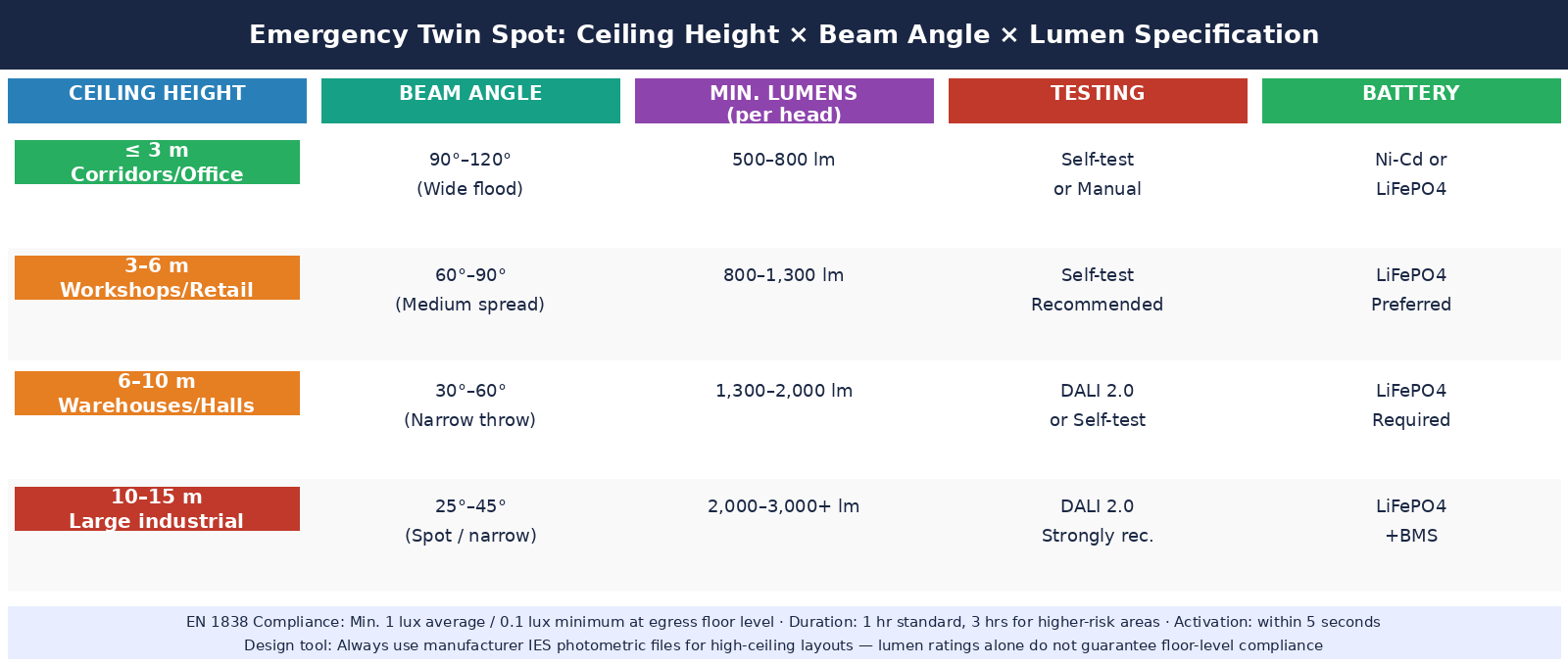 Emergency twin spot selection framework: ceiling height, beam angle, and lumen output requirements for industrial hall compliance
IP Rating Selection for Industrial Environments
Many large industrial halls combine characteristics that require IP-rated emergency fixtures: ambient dust from production processes, condensation in areas adjacent to cold rooms or temperature-controlled zones, spray mist from cooling systems, and occasional cleaning operations. Standard IP20 twin spots are appropriate for clean, dry office and retail environments. Industrial facilities should specify IP44 as the baseline for all production floor applications, with IP65 for dusty environments (grain handling, woodworking, cement production), cold room perimeters where condensation forms regularly, and areas subject to cleaning spray. For outdoor assembly areas or covered docks with rain exposure, IP65 is required.
The “maintained” vs “non-maintained” distinction is a separate consideration: maintained emergency fixtures run continuously (at reduced lumen output) during normal operation, while non-maintained units are off and only activate in power failure. For high-ceiling industrial applications where the emergency twin spot is mounted far above normal visual inspection, maintained operation provides a continuous visual confirmation that the fixture is functional — a useful operational advantage in large facilities where visual auditing of emergency lighting status is part of the monthly compliance walkthrough.
Frequently Asked Questions
How many emergency twin spots does a large industrial hall need?
The number depends on ceiling height, floor area, reflectance values, and beam optics of the chosen fixture — not a simple rule-of-thumb. At 10-metre ceiling height with 45° beam optics and 1,300-lumen heads, each twin spot (two heads) covers a floor ellipse approximately 8×12 metres when properly aimed along the egress path. A 5,000 m² warehouse with three main egress routes may require 15–25 twin spots to achieve 1-lux minimum compliance along all egress paths plus sufficient anti-panic lighting in open areas. The correct approach is photometric planning using manufacturer IES files — Fanxstar provides this as part of its emergency lighting application support through the contact and consultation service.
Can a standard office twin spot be used in an industrial warehouse?
Not safely for high-ceiling applications. Standard office twin spots (600–800 lm, 90°–120° beam) are designed for 3–4-metre ceiling heights. Installed at 8+ metres, they fail to deliver compliant floor-level lux along egress paths. Industrial hall specifications require high-output models (1,300 lm+ per head), narrow beam angles (25°–45°), and if the environment includes dust or moisture, IP44 or IP65 rated housings. Using under-specified equipment is a compliance liability under EN 1838 and national fire safety codes.
What is the difference between self-test and DALI 2.0 emergency testing?
Self-test fixtures conduct automated monthly function tests and annual duration tests independently, reporting status via a local indicator LED (green for pass, red for fault). DALI 2.0 fixtures do the same but additionally report status back to a central building management system, enabling remote monitoring, centralized reporting, and programmed test scheduling for entire buildings from a single interface. For large industrial facilities with high fixture counts, DALI 2.0 integration provides significantly more efficient compliance management, particularly where fixtures are at height or in restricted-access areas. Self-test is the more cost-effective option for smaller facilities or those without DALI infrastructure. Fanxstar’s emergency lighting range covers both options.
Emergency twin spot specification in large industrial halls is an engineering problem disguised as a product selection exercise. The compliant, long-term solution comes from matching lumen output, beam angle, battery chemistry, IP rating, and testing protocol to the specific ceiling height, environment, and facility management capabilities — not from choosing the most commonly stocked catalog unit.
Fanxstar’s emergency lighting engineering team specifies LED emergency spotlights for industrial, commercial, and cold chain applications across EU, UK, and Australian markets — with DALI 2.0 and LiFePO4 configurations, ENEC and CE certifications, and custom lens options for high-ceiling deployments. Share your hall dimensions and get a compliant fixture recommendation.