Key Takeaways
-
Structural Precision: Selecting the correct L, T, or X connector is essential for maintaining mechanical rigidity in large-scale geometric lighting arrays.
-
Dark Spot Elimination: Seamless plug-ins and splicing covers ensure a continuous uniform glow at every junction, enhancing architectural aesthetics.
-
Weatherproof Integrity: For exterior or humid environments, IP65-rated connectors with silicone seals are mandatory to prevent moisture-induced failure.
-
Advanced Flexibility: Variable connectors allow for non-standard angles (60′, 120′), enabling creative triangular or hexagonal lighting topologies.
-
Electrical Continuity: High-current pins and jumping cables facilitate stable power distribution across complex grids, reducing voltage drop risks.
Modern architectural lighting has evolved from simple straight lines into complex, three-dimensional geometric patterns. Achieving this requires more than just high-efficacy LED strips; it demands an engineered approach to luminaire junctioning. Whether designing a minimalist square for an office lobby or a sprawling hexagonal grid for a commercial retail space, the success of the installation depends on the quality of the L, T, and X connectors. Fanxstar’s range of specialized industrial luminaires utilizes patented connector technology to provide robust support and uninterrupted illumination at every corner.
Engineering the Connection: Connector Types and Mechanics
The transition between lighting segments is the most vulnerable point for both structural and optical failure. Connectors must manage mechanical stress while ensuring that the internal LED circuitry remains protected from environmental factors.
1. L-Connectors: The 90-Degree Standard
Used primarily for creating crisp right angles in square or rectangular layouts, L-connectors must ensure a “mitered” finish. High-quality L-junctions utilize a dual-pin system to prevent the “light leak” phenomenon where photons escape through small gaps in the fixture housing. For industrial applications, these connectors are often reinforced with stainless steel clips to withstand ceiling vibrations.
2. T and X Junctions: Multi-Way Architecture
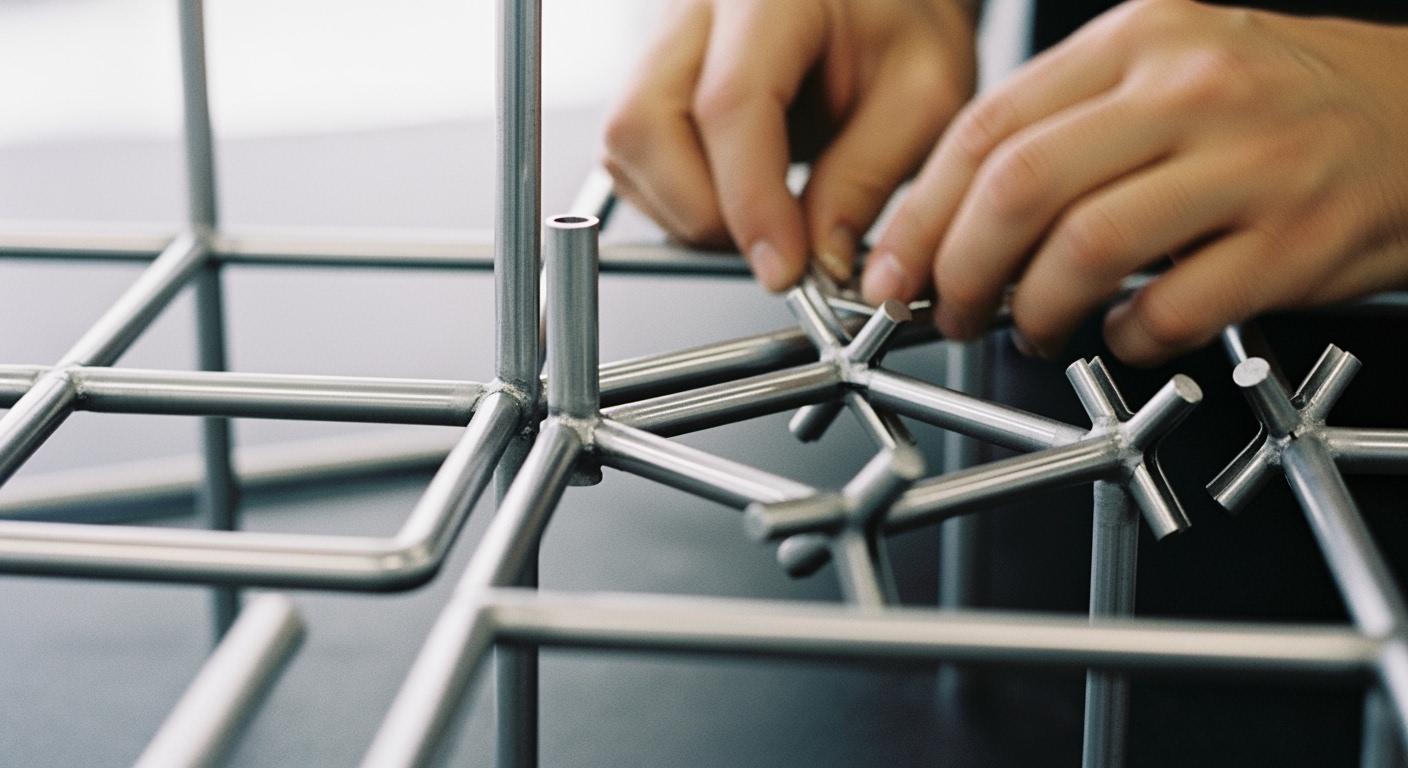
T-connectors facilitate three-way junctions, ideal for intersecting corridors, while X-connectors create the central nodes for large-scale grid systems. In these complex intersections, electrical load management becomes critical. Fanxstar’s multi-way connectors are rated for high current capacity, allowing multiple branches to be powered from a single “trunking” line without risking thermal overload.
|
Connector Geometry |
Degrees of Junction |
Primary Application |
Key Advantage |
|---|---|---|---|
|
L-Shape |
90′ Angle |
Lobbies, perimeter lighting |
Sharp, seamless corners. |
|
T-Shape |
3-Way (90’/180′) |
Supermarket aisles, corridors |
Branching circuit flexibility. |
|
X-Shape |
4-Way / Cross |
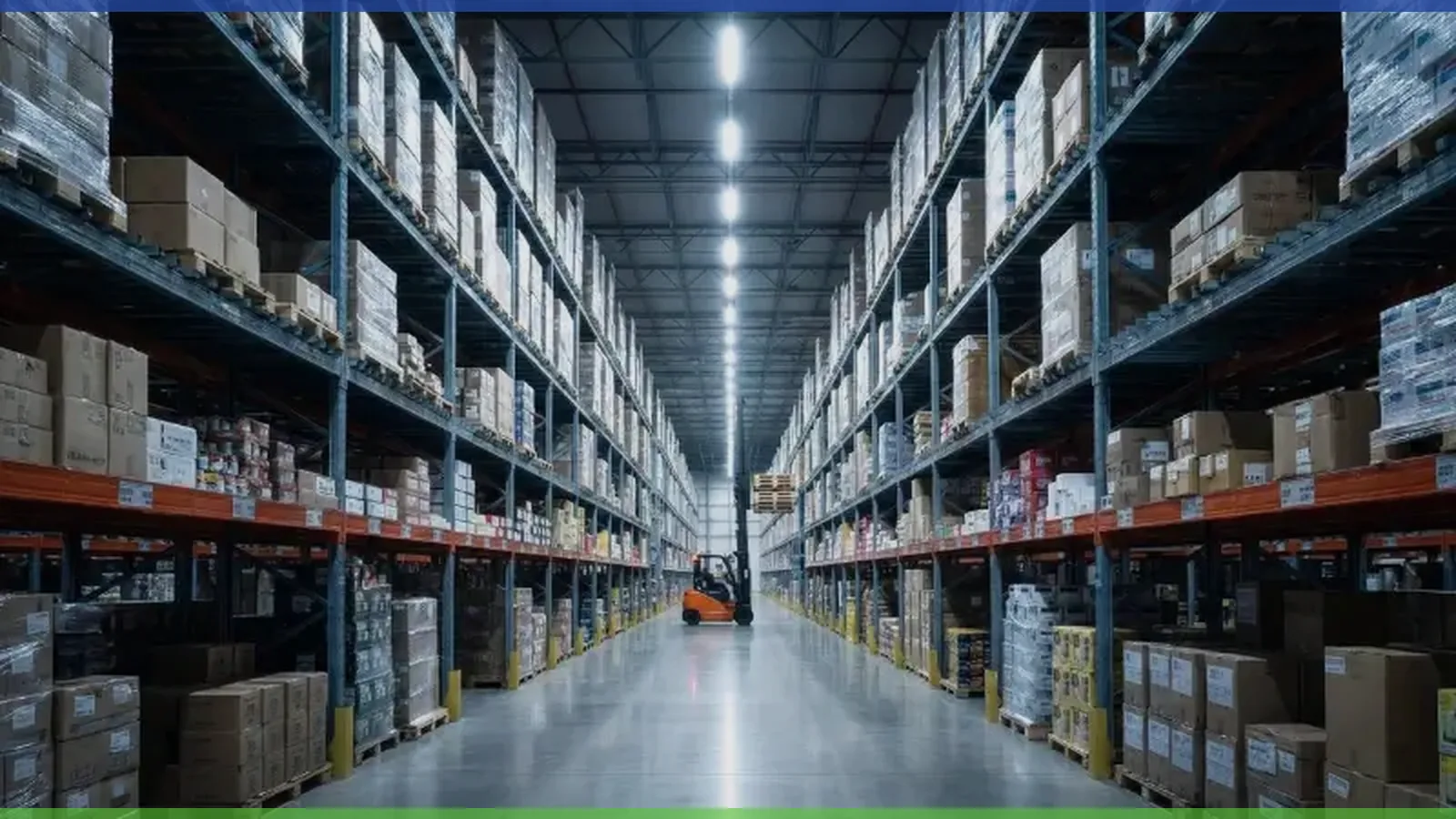
Large warehouse grids |
Centralized power distribution. |
|
Variable |
Adjustable (30′-180′) |
Hexagons, triangles, custom art |
Ultimate design freedom. |
Installation Protocols for Geometric LED Channels
A professional installation begins with spatial planning. When working with concrete ceilings or suspended systems, installers must account for mechanical tolerances. Using “bilateral tolerances” ensures that each segment fits snugly into the connector without requiring excessive force, which could damage the internal PCB or vapor-tight seals.
Step-by-Step Integration Logic:
-
Layout Mapping: Use a laser level to project the geometric shape onto the mounting surface.
-
Bracket Placement: Secure mounting brackets at each junction point to ensure the weight of the connectors is fully supported.
-
Segment Trimming: If using custom-length linear light fixtures, ensure cuts are perfectly perpendicular to maintain zero-gap splicing.
-
Sealing: For IP65 waterproof applications, apply silicone grease to the connector gaskets before locking.
Managing Power Load and Signal Integrity
In large geometric arrays, the “Voltage Drop” effect can lead to inconsistent brightness at the furthest points of the grid. We recommend utilizing “Loop-in/Loop-out” wiring logic and jumping cables to provide parallel power feeds to complex T and X junctions. This ensures that the uniform glow is maintained from the first segment to the last.
|
Technical Component |
Role in Geometric Arrays |
Maintenance Benefit |
|---|---|---|
|
Jumping Cables |
Bridges gaps across obstacles. |
Reduces complex conduit needs. |
|
Diffuser Overlap |
Hides the physical junction point. |
Seamless architectural appearance. |
|
DALI Signal Bus |
Digital control of each segment. |
Individual failure reporting via IoT. |
Architectural Applications: Squares to Hexagons
Designers are increasingly moving beyond the “L-Shape” to more dynamic forms. Triangular and hexagonal patterns require variable-angle connectors (typically 60′ and 120′). In these scenarios, the structural integrity of the aluminum chassis is paramount. Fanxstar’s A20 series provides a rigid aluminum backbone that prevents the “sagging” effect common in long, suspended geometric runs.
“The junction is the soul of geometric lighting. A perfectly engineered connector allows the hardware to disappear, leaving only the intended shape of light.”
Troubleshooting Geometric Lighting Systems
Despite careful planning, connectivity issues can arise. Flicker or localized failures are often the result of loose pins within the connector. During the commissioning phase, installers should perform a “mechanical pull test” on each junction to ensure the locking mechanism is fully engaged. If a segment fails to illuminate, verify that the polarity has not been reversed at a T-junction, a common error in complex branching layouts.
Sustainability and Long-Term Maintenance
A modular geometric system is inherently more sustainable. If a single LED segment fails, the tool-free connector design allows for rapid replacement without dismantling the entire grid. This “localized maintenance” reduces facility downtime and material waste. Regular inspections should focus on the integrity of the splicing covers and the cleanliness of the diffusers to maintain optimal luminous efficacy.
Frequently Asked Questions (FAQ)
Which connector is best for a hexagonal lighting pattern?A 120-degree variable connector is the ideal choice for hexagons. It allows three profiles to meet at perfect angles, ensuring the structural symmetry of the hexagonal grid is maintained.
Are geometric connectors waterproof for outdoor use?Fanxstar offers a range of IP65 and IP66 rated connectors specifically for outdoor geometric displays. These units utilize gel-filled housings or silicone gaskets to prevent moisture ingress at the junction.
How many L-connectors can I use in a single power run?This depends on the total wattage of the connected fixtures. For a standard 230V circuit, you can typically link up to 30 units (e.g., in the A16 series), regardless of the number of corners, provided the total wattage remains within the breaker limit.
Do connectors cause a drop in light intensity?No. When using high-quality silver-plated pins and seamless splicing covers, there is no measurable drop in light intensity. The “Zero-gap” design ensures the light source remains continuous.
Can I mix and match different connector types?Yes. Most Fanxstar professional systems are modular, allowing you to combine L, T, and X connectors within the same system to create highly intricate architectural patterns.
In conclusion, the success of a geometric lighting project is defined by the precision of its junctions. By investing in high-quality L/T/X connectors and following systematic installation protocols, facility managers can achieve a stunning, durable, and remarkably efficient lighting environment. Explore Fanxstar’s full range of geometric solutions to bring your architectural vision to life.