In the high-stakes world of industrial lighting, the difference between a functional fixture and a hazardous failure often comes down to the integrity of its hermetic seal. For facilities such as food processing plants, car wash tunnels, and marine docks, moisture ingress is the leading cause of electrical degradation. At Fanxstar, we recognize that “sample testing” is insufficient for critical infrastructure. This guide provides a technical tour of our production facility, detailing how we implement 100% unit-level waterproof validation to ensure every luminaire meets the most stringent IP65 to IP69K benchmarks.
Key Takeaways
-
Unit-Level Quality Control: Every individual fixture is tested for waterproof integrity, moving beyond industry-standard batch sampling to ensure zero-defect delivery.
-
Multi-Stage Protocols: Validation involves hydrostatic pressure testing, vacuum leak detection, and thermal shock simulations to mimic real-world stressors.
-
Certified Performance: Fanxstar products adhere to international standards including UL, ENEC, TUV, and CE, with specific focus on IP66 and IP69K ratings.
-
Advanced Materials: Durability is engineered through the use of AL6063 aluminum substrates, anti-UV polycarbonate, and foamed-in silicone gaskets.
-
Traceable Identity: Every test result is digitally logged and tied to the unit’s serial number, providing full accountability for facility managers.
The Technical Imperative: Why 100% Waterproof Matters
In many lighting manufacturing plants, quality control relies on statistical sampling—testing 1 out of every 50 or 100 units. While efficient for dry-environment retail bulbs, this method is fundamentally flawed for vapor-tight industrial luminaires. A single microscopic breach in a gasket or a misaligned screw can allow humid air to enter a fixture. Once inside, this moisture condenses during thermal cycles, leading to electrochemical migration and eventual driver failure. Fanxstar’s commitment to 100% unit testing eliminates this risk, providing a technical guarantee that every fixture delivered is hermetically sealed.
International Compliance Framework
Adhering to a robust quality management system (ISO 9001:2015) is the foundation of our production. Our testing protocols are designed to meet and exceed global benchmarks for safety and ingress protection. This ensures that when a facility manager specifies an IP66 rating, the hardware delivers the expected resistance to powerful water jets as defined by IEC 60529.
|
Standard Body |
Certification Focus |
Luminous Benefit |
|---|---|---|
|
UL / cULus |
Safety & Wet Location |
Compliance for North American markets |
|
ENEC / TUV |
European Safety Norms |
Third-party validation of electrical integrity |
|
IP69K |
High-Pressure Washdown |
Resistance to 80°C steam at 1450 PSI |
|
IK10 |
Mechanical Impact |
Shatterproof protection in busy industrial zones |
Advanced Waterproof Tester Methodologies
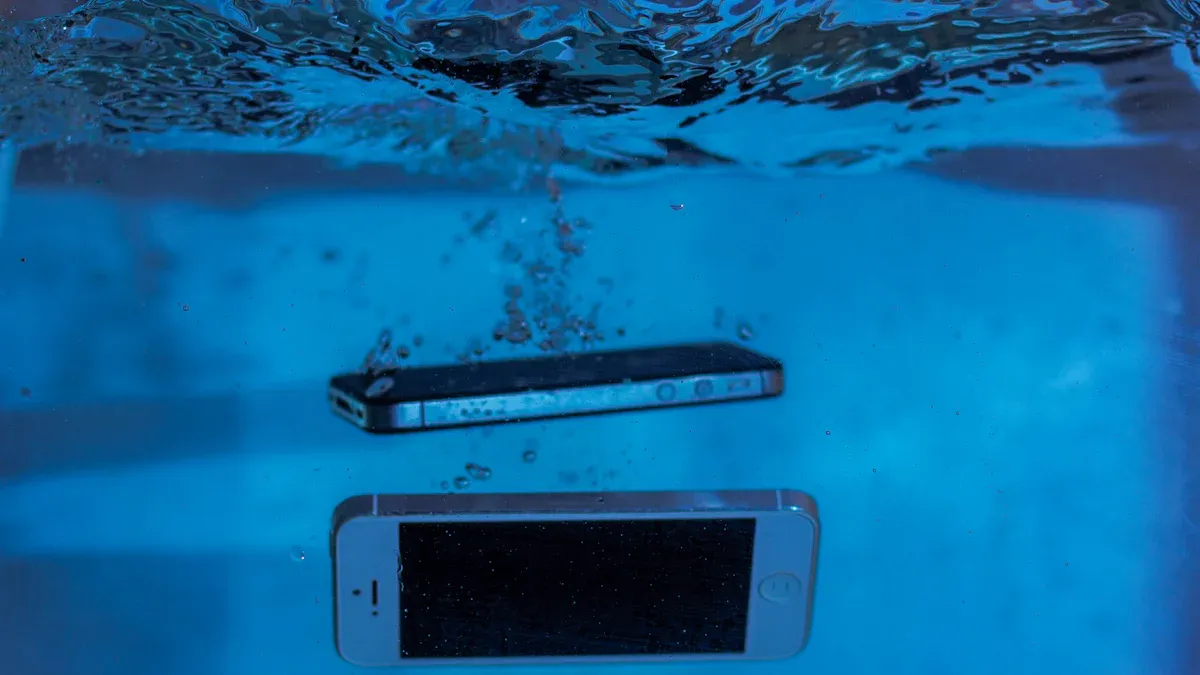
To identify sub-microscopic leaks, Fanxstar utilizes specialized equipment that simulates years of environmental exposure in a matter of minutes.
1. Hydrostatic Pressure Testing
Our hydrostatic chambers apply controlled water pressure to the exterior of the fixture. This is critical for IP67 and IP68 ratings, where the product must handle immersion. By measuring the volume of water displaced under pressure, we can identify structural weaknesses in the polycarbonate lens or aluminum housing before the product enters the assembly stage.
2. Vacuum Leak Detection (Air Pressure)
For high-volume production of A10 and A16 series lights, we utilize air pressure differential testing. The fixture is placed in a vacuum-sealed chamber. If the internal pressure of the fixture fluctuates, it indicates a breach in the seal. This method is incredibly precise, detecting leaks that are too small to allow visible liquid water but large enough to allow humidity and vapor ingress.
3. Thermal Cycling and Ingress Validation
Industrial lights generate heat. When turned off, they cool rapidly, creating a vacuum effect that “sucks” in surrounding air. We simulate this by heating the luminaires for 30 minutes before subjecting them to a cold-water spray. This thermal shock test is the ultimate validation for vapor-tight sealing performance.
Engineering for Ingress Excellence
Reliable testing is only possible if the initial engineering is sound. Fanxstar luminaires are designed from the ground up to prevent the accumulation of moisture and dust.
-
Foamed-in Silicone Gaskets: Unlike traditional rubber O-rings that can perish over time, foamed-in gaskets provide superior elastic recovery, maintaining a vapor-tight seal across extreme temperature ranges.
-
AL6063 Aluminum Substrates: High-purity aluminum ensures excellent thermal management, preventing the seal-warping that occurs in fixtures made of low-grade plastics.
-
Patented Quick-Connectors: Utilizing waterproof plug-in technology ensures that the electrical entry point remains sealed, even when multiple fixtures are linked in a series run of up to 30 units.
-
Stainless Steel Hardware: 304 or 316-grade clamps and fasteners ensure the fixture stays tightly closed, even in high-salinity or acidic environments.
“In a car wash or chemical refinery, an IP rating isn’t just a number—it’s a survival metric. Our 100% testing protocol ensures that every unit we ship is a reliable asset, not a future maintenance liability.”
The Fanxstar 4-Step Verification Workflow
Every fixture on our production line follows a rigorous data-driven path to approval:
-
Pre-Inspection: Visual check of all seal surfaces and cleaning of the polycarbonate lens to remove particulate contaminants.
-
Pressure Validation: Unit is placed in the air/water chamber according to its rated IP requirement (e.g., 30 minutes at 1 meter for IP67).
-
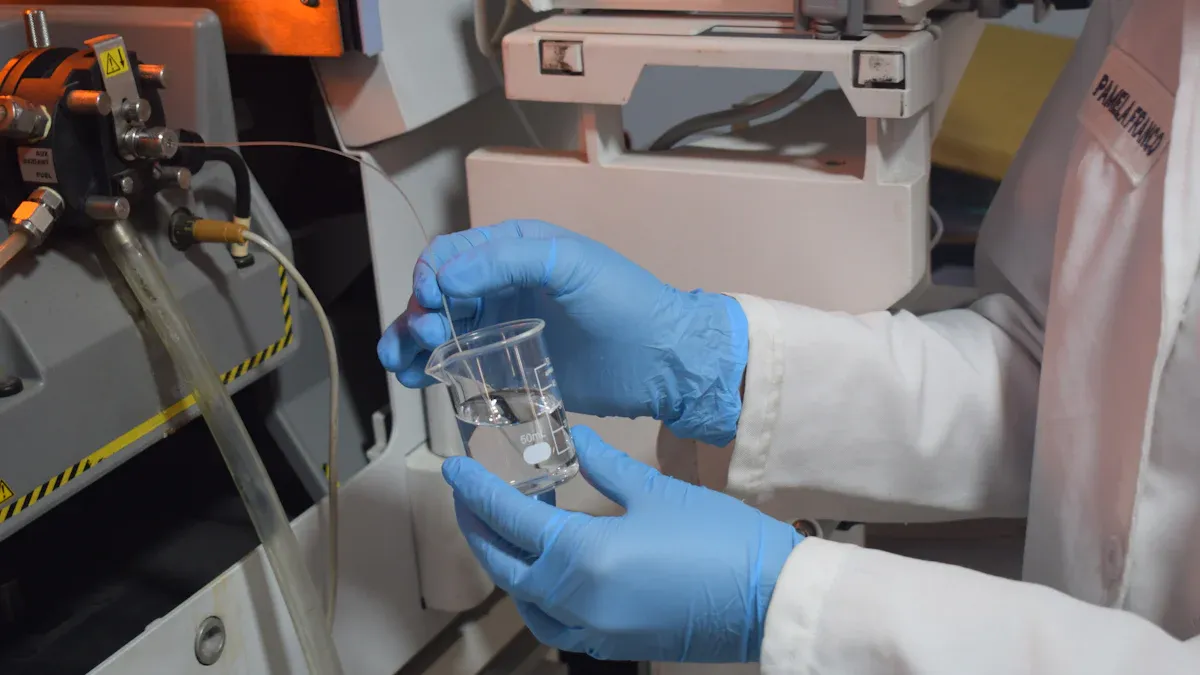
Sensor-Assisted Leak Check: Electronic sensors monitor for internal moisture or pressure shifts. Any unit failing this stage is immediately removed for diagnosis.
-
Traceability Logging: Successful units have their test logs uploaded to our Quality Management cloud, and the serial number is marked for final verification.
|
Verification Stage |
Detection Objective |
Quality Outcome |
|---|---|---|
|
Vacuum Test |
Sub-microscopic air gaps |
Prevention of long-term humidity buildup |
|
Jet Spray (IPX6) |
High-velocity ingress |
Washdown durability and reliability |
|
Thermal cycling |
Gasket elastic recovery |
Stable seal integrity over thousands of cycles |
|
Final Load Test |
Luminous stability |
Verification of driver performance under operational load |
Conclusion: A Commitment to Zero Failure
Transitioning to high-efficacy LED solutions is a significant capital investment. At Fanxstar, we protect that investment by providing the industry’s most rigorous waterproof validation. By testing 100% of our units and utilizing advanced materials like AL6063 and foamed silicone, we deliver a failure rate (3-5%) that is significantly lower than unrated alternatives. Whether your facility faces high-pressure steam, sub-zero freezers, or salt-laden docks, our engineering tour proves that Fanxstar lighting is built to last.
Frequently Asked Questions (FAQ)
Why does Fanxstar test every unit instead of batch sampling?
Because industrial environments are unforgiving. A single leaking fixture in a series can trip breakers and cause expensive downtime. 100% testing is the only way to guarantee the reliability required for mission-critical facilities.
What is the difference between IP65, IP66, and IP69K?
IP65 is dust-tight and resistant to low-pressure water. IP66 handles powerful “heavy” water jets. IP69K is the highest rating, designed specifically for high-pressure (1450 PSI) and high-temperature (80°C) steam cleaning.
How do I verify the test results for my specific order?
Every Fanxstar unit carries a unique serial number. Upon request, we can provide the digital test logs from our production cloud, showing the pressure and duration results for your specific batch.
Can waterproof lights be used in -40°C freezers?
Yes, but they must be engineered for it. Fanxstar utilizes specialized drivers and low-temperature gaskets that maintain their elasticity in extreme cold, ensuring the waterproof seal doesn’t crack or fail at sub-zero temperatures.
Does the IP rating decrease over time?
It can if low-quality materials are used. By utilizing AL6063 aluminum and anti-UV polycarbonate, Fanxstar ensures the housing doesn’t warp or become brittle, maintaining the IP integrity for the full 10-year service life.
Need engineered reliability for your next facility upgrade? Explore Fanxstar’s Waterproof LED Series and experience the difference of 100% technical integrity.