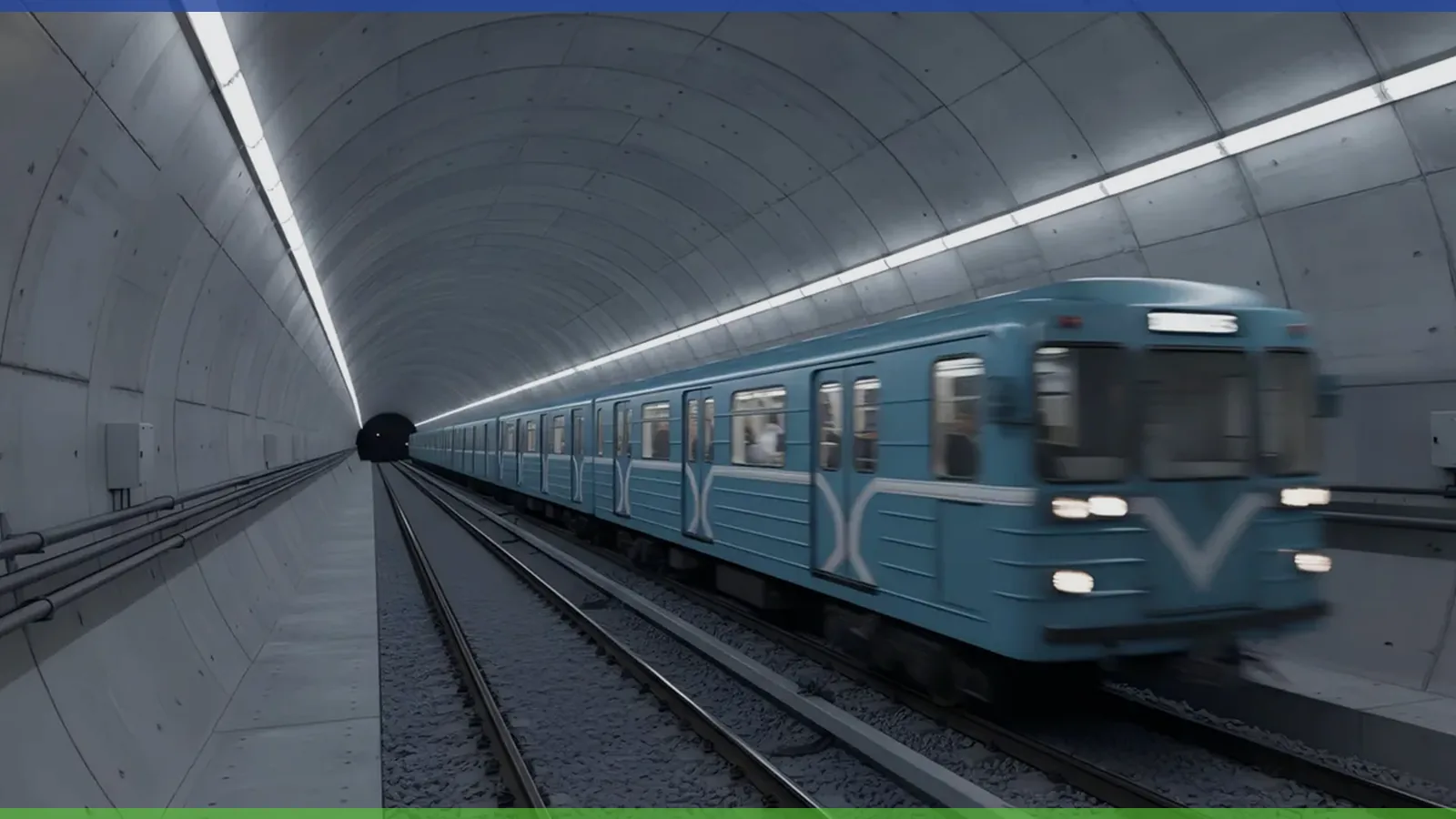
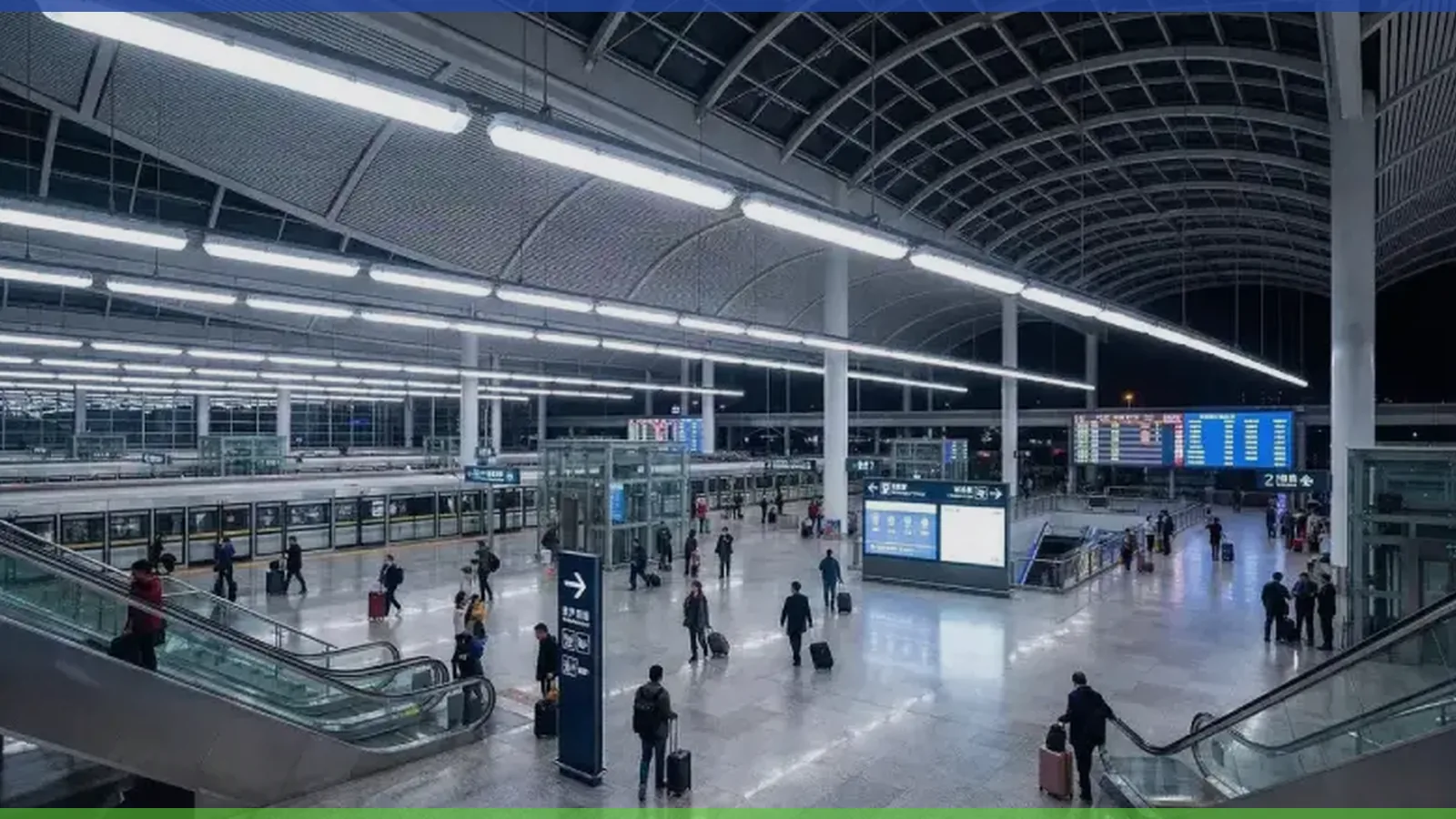
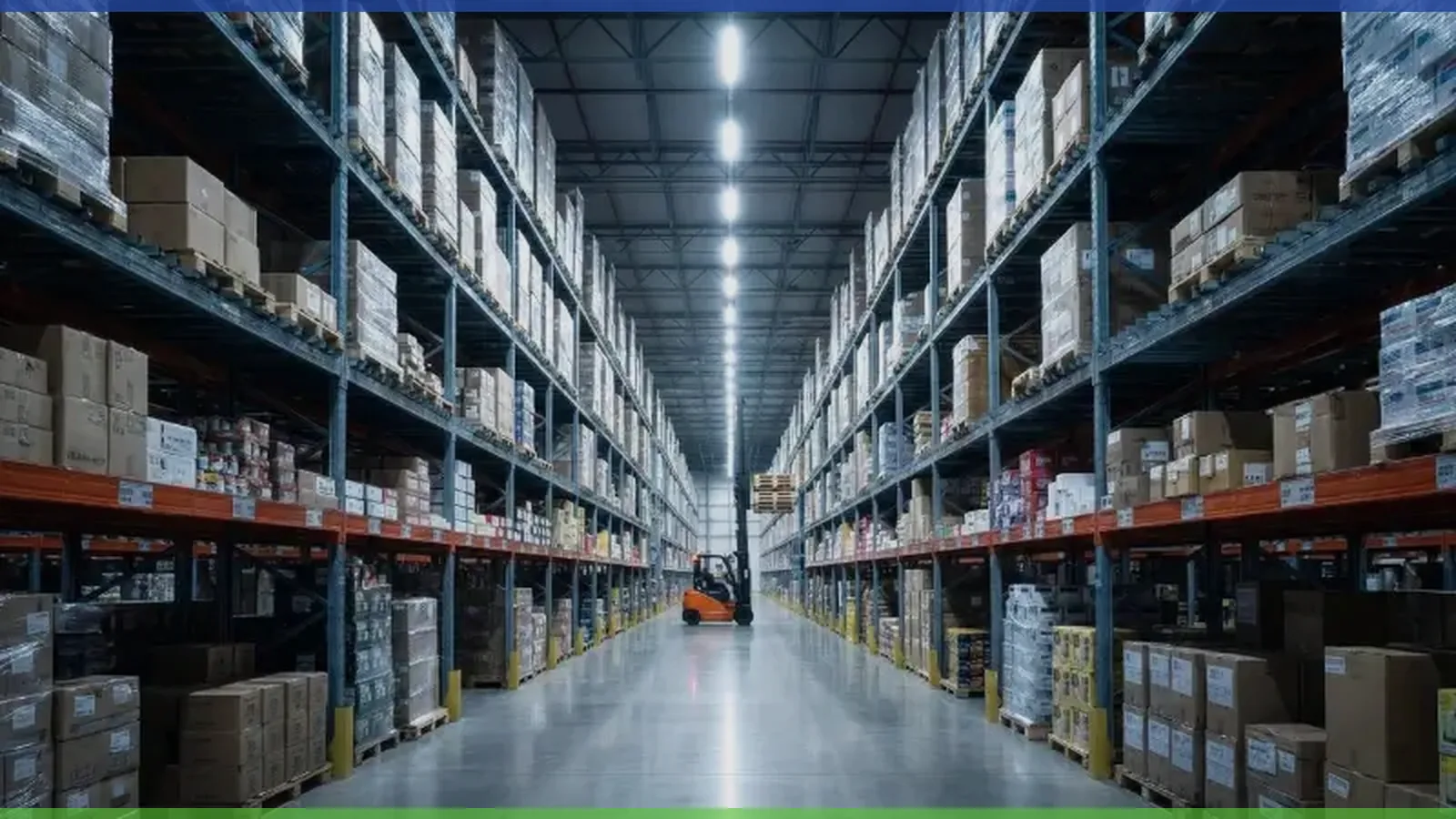
Linear lighting creates long, even lines of light that enhance both form and function in modern spaces. This technology shapes ambiance by blending seamlessly into architecture while supporting superior energy efficiency. Designers and facility managers choose these systems for their ability to visually transform workspaces and public areas while maintaining a clean, sophisticated aesthetic.
Key Takeaways
-
Uniform Illumination: Linear fixtures reduce shadows and provide consistent brightness across large areas.
-
Energy Efficiency: Modern LED technology can cut energy costs by up to 65% compared to traditional fluorescent tubes.
-
Design Flexibility: Options for recessed, suspended, or surface mounting allow fixtures to adapt to any architectural style.
-
Visual Comfort: Flicker-free drivers and low-glare diffusers improve productivity and reduce eye strain.
Linear Lighting Overview

What Is Linear Lighting?
Linear lighting is a modern approach to illumination that utilizes long, narrow fixtures to create continuous lines of light. Unlike round or square point-source fixtures, these systems distribute brightness evenly across extended spaces. This elongated shape eliminates dark spots and integrates smoothly into ceilings, walls, or architectural coves.
Designers appreciate the versatility of installation methods:
-
Recessed: Fits flush with ceilings for a clean, invisible look.
-
Suspended: Hangs from the ceiling, adding a striking visual element to high-ceiling rooms.
-
Surface-mounted: Attaches directly to walls or ceilings where recessing isn’t possible.
Tip: Linear lighting can visually elongate a room or guide traffic flow in corridors by highlighting architectural lines.
|
Feature |
LED Tube Lights |
Linear LED Fixtures |
|---|---|---|
|
Installation |
Retrofit (Old Fixtures) |
Integrated / Suspended |
|
Light Distribution |
Moderate |
Superior, Uniform |
|
Lifespan (hours) |
15,000–20,000 |
25,000–50,000+ |
Design Aesthetics in Lighting

Minimalist and Seamless Design
Minimalism is a defining trend in modern interiors, and linear lighting supports this with seamless splicing. This technology allows multiple fixtures to connect end-to-end without visible gaps, creating the illusion of a single, infinite line of light. Whether embedded in a wall or suspended over a conference table, the result is a unified, sophisticated appearance.
Visual Impact and Comfort
Beyond looks, performance matters. The arrangement of LEDs in a straight line ensures uniform light distribution, significantly reducing hotspots and shadows. High-quality fixtures maintain a Unified Glare Rating (UGR) below 19, which is critical for office environments to prevent eye strain and support focus.
Functionality and Performance
Efficiency and Modularity
Linear lighting is a powerhouse of efficiency. Advanced LEDs can now reach efficacies of up to 200 lumens per watt, whereas traditional incandescent bulbs struggle to reach 17 lumens per watt. This massive leap in efficiency means businesses can achieve brighter spaces while consuming a fraction of the power.
Modularity is another key advantage. Modular systems allow users to connect fixtures in various configurations—L-shapes, T-shapes, or zig-zags—making it easy to adapt the lighting layout as space requirements change. This scalability simplifies maintenance and future-proofs the installation.
Flicker-Free and Intelligent Controls
Modern fixtures utilize constant current drivers to eliminate flicker, a common issue that causes fatigue in older lighting systems. Furthermore, integrating intelligent controls elevates functionality:
|
Feature |
Benefit |
|---|---|
|
DALI Dimming |
Smooth transitions from 0.1% to 100% brightness. |
|
Daylight Harvesting |
Sensors dim lights automatically when natural sunlight is sufficient. |
|
Motion Sensors |
Lights activate only when occupancy is detected, saving energy. |
|
Zone Control |
Manage specific areas independently to suit different tasks. |
Durability for Harsh Environments
Linear lighting isn’t limited to clean offices. Fixtures with high Ingress Protection (IP) and Impact Protection (IK) ratings are built for toughness:
-
IP65/IP66: Dust-tight and resistant to water jets, ideal for industrial kitchens or car washes.
-
IK10: Resists impacts up to 20 joules, protecting against vandalism or accidental hits in warehouses.
Choosing and Using Linear Lighting
Selection Factors
Selecting the right fixture requires balancing aesthetics with technical needs. Consider the following:
-
Application: Do you need ambient light for a lobby or focused task light for a workstation?
-
Technical Specs: Check the lumen output (brightness) and Color Rendering Index (CRI > 80 is recommended for interiors).
-
Mounting: Ensure your ceiling structure supports the chosen method (recessed vs. suspended).
-
Environment: For damp or industrial areas, verify the IP rating.
Linear lighting stands out as a smart choice for modern design, combining efficiency, comfort, and style in one solution. Whether for a sleek corporate office, a stylish retail store, or a rugged industrial facility, these systems provide the adaptability and performance required for today’s built environment.
FAQ
What is the main advantage of linear lighting?
Its ability to create continuous, shadow-free light across large spaces while offering a sleek, modern aesthetic that blends with architecture.
How does linear lighting improve workspace comfort?
By providing even light distribution and low glare, it reduces eye strain. Flicker-free technology further prevents headaches and fatigue, boosting productivity.
Can linear lighting be used in outdoor or wet areas?
Yes, but you must choose fixtures with an IP65 rating or higher. These are sealed against dust and moisture, making them suitable for outdoors or wet processing areas.
Is it difficult to install?
Most modern systems are modular and designed for easy installation. Features like quick-connect plugs and tool-free mounting brackets simplify the process significantly.