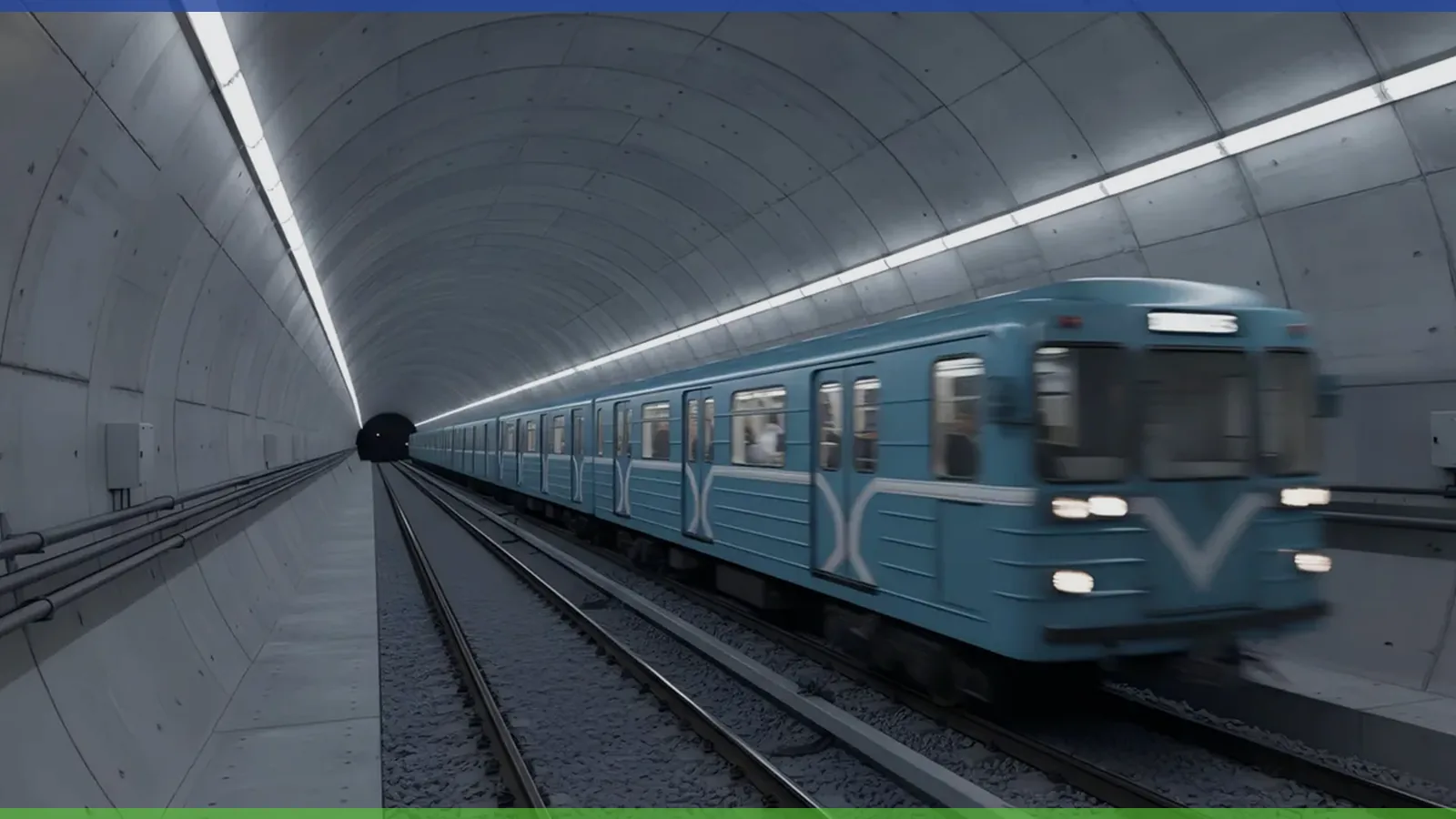
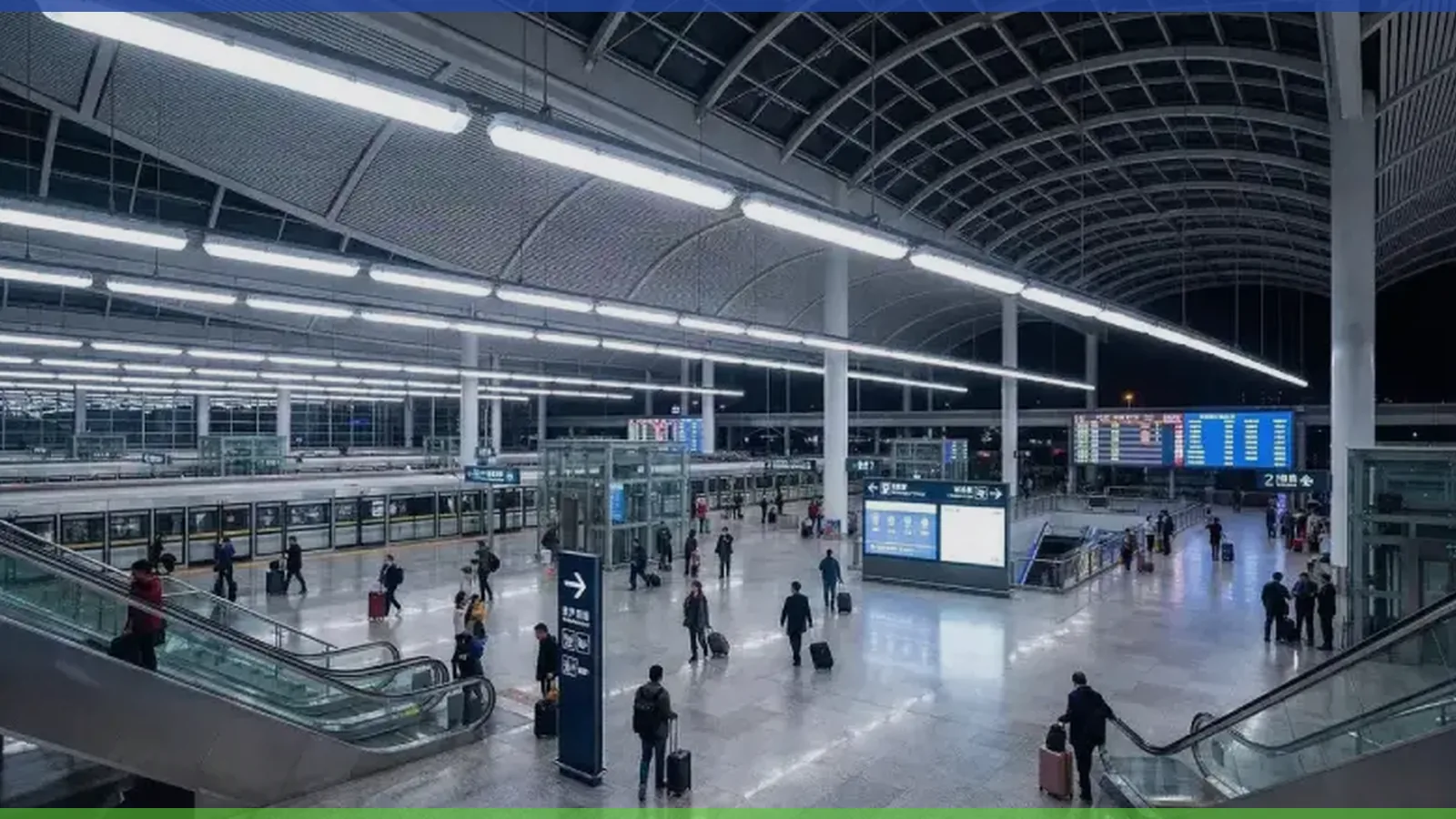
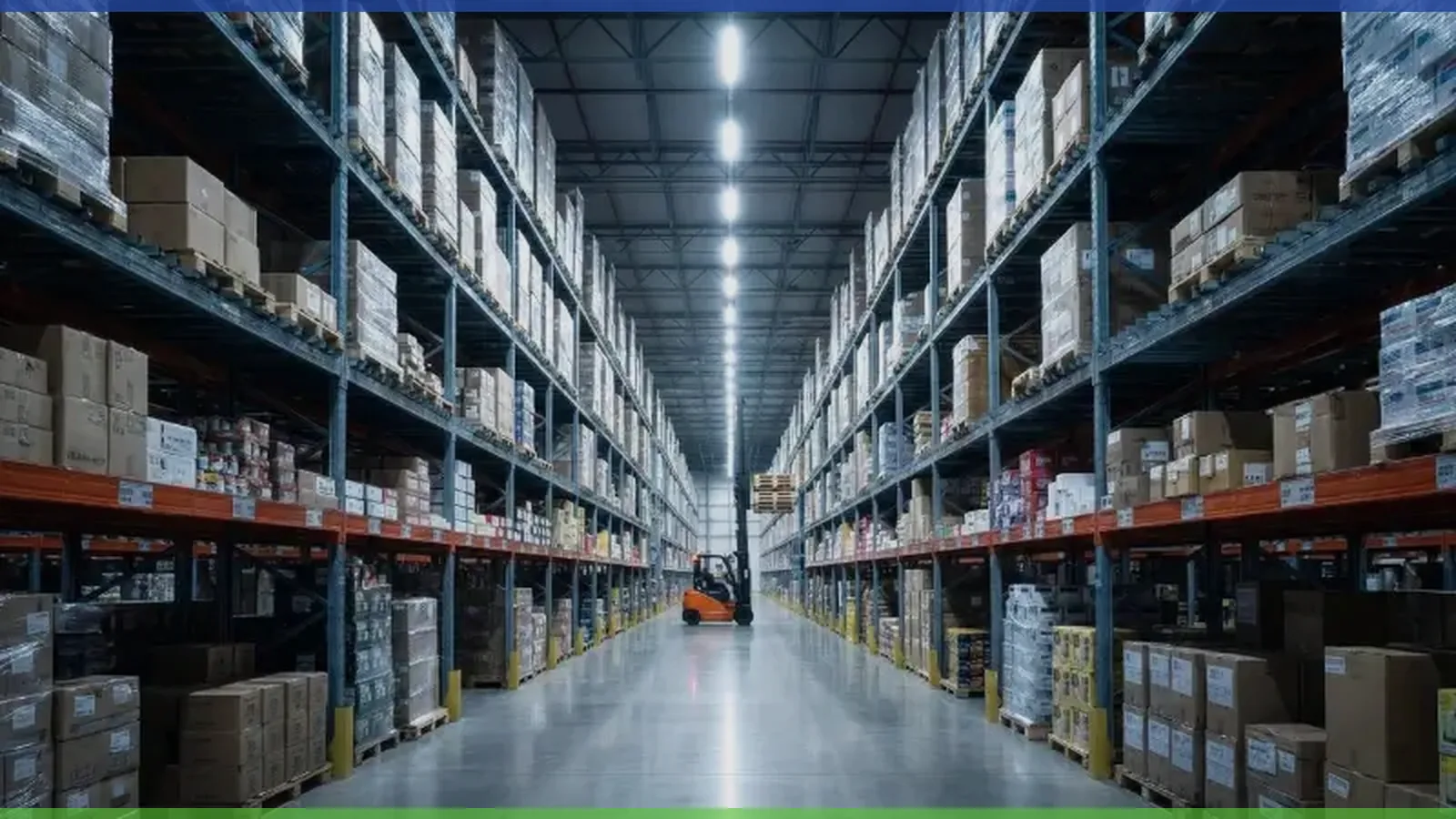
LED batten lights feature a modern, integrated design that combines the casing, reflector, and LED module into one sleek unit. They outperform fluorescent tubes in efficiency, utilizing approximately 25% to 75% less energy depending on the model. Users can rely on these fixtures for excellent durability and advanced features. Common applications include warehouses, retail spaces, car parks, garages, and workshops. This technology brings reliable, high-quality lighting to both commercial and residential spaces.
Key Takeaways
-
High Efficiency: Energy-efficient technology significantly lowers electricity bills compared to traditional tubes.
-
Extended Lifespan: Lasting between 25,000 to 50,000 hours, these units drastically reduce replacement frequency.
-
Sleek Design: The integrated structure simplifies installation and offers a modern aesthetic.
-
Visual Comfort: Brighter output with better color rendering (CRI) enhances visibility and safety.
-
Healthier Lighting: Flicker-free operation minimizes eye strain and fatigue.
LED Batten Lights Explained

Integrated Design and Technology
LED batten lights utilize an all-in-one architecture that sets them apart from old-school fixtures. The integrated structure fuses the housing, reflector, and light source into a single, streamlined profile. This approach eliminates the need for separate ballasts or starters.
The modular design allows for easy linking and surface mounting, making them suitable for many environments. Users can install these fixtures in warehouses, retail stores, and industrial facilities without complex wiring.
Here is how integrated battens compare to traditional tube setups:
|
Feature |
LED Batten Lights (Integrated) |
LED Tube Lights (Separate) |
|---|---|---|
|
Shape |
Long, rectangular, linear |
Cylindrical, straight or U-shaped |
|
Material |
Aluminum / Polycarbonate |
Polycarbonate / Glass |
|
Installation |
Surface-mounted, linkable |
Requires existing fixture/retrofit |
|
Impact Resistance |
High (Robust Housing) |
Moderate (Fragile Tubes) |
Efficiency and Light Quality
Integrated fixtures stand out for their high lumen output. They deliver more light while consuming less power. For instance, a standard 1.2-meter fluorescent tube might produce around 2,500 lumens, whereas a high-performance LED batten can easily exceed 3,600 lumens. This allows you to achieve brighter spaces with fewer fixtures.
Beyond brightness, color quality is crucial. Most LED battens feature a Color Rendering Index (CRI) of 80+, ensuring colors appear natural and vibrant—vital for retail displays and precision workshops.
Flicker-Free Safety
Flicker in lighting can lead to eye fatigue, headaches, and dizziness. Modern LED battens use advanced drivers that convert AC to DC current to stabilize output, ensuring a flicker-free environment.
|
Region |
Certification |
Focus Area |
|---|---|---|
|
USA / Canada |
UL / cUL |
Safety & Fire Resistance |
|
Europe / China |
CE / CCC |
Electrical Safety & EMC |
|
Australia |
SAA |
Electrical Safety Standards |
|
Middle East |
SASO / ESMA |
Energy Efficiency Compliance |
Batten Lighting vs. Fluorescent Tubes

Performance Comparison
Batten lighting delivers superior performance. While fluorescent tubes degrade and dim significantly over time, LEDs maintain consistent brightness. A 15-watt LED can often match the output of a 32-watt fluorescent tube, offering energy savings of up to 50-75%.
Additionally, LEDs provide directional lighting, casting illumination exactly where it is needed (downward and outward), unlike 360-degree fluorescent tubes that waste light inside the fixture housing.
|
Feature |
LED Batten Lighting |
Fluorescent Tubes |
|---|---|---|
|
Installation |
Direct surface mount (easy) |
Requires ballast & housing |
|
Maintenance |
Zero maintenance needed |
Frequent tube/starter changes |
|
Lifespan |
25,000 – 50,000 hours |
7,000 – 15,000 hours |
|
Startup |
Instant on |
Flickering warm-up |
Environmental Impact
Switching to LED reduces your carbon footprint. Since they last 3-5 times longer than fluorescent tubes, they generate significantly less landfill waste. Furthermore, LEDs are free from hazardous mercury, making them safer to use and easier to dispose of responsibly.
Key Benefits of Batten Light Fittings
Longevity and Durability
Built to last, these fittings often feature moisture-proof and corrosion-resistant materials. This makes them ideal for humid or dusty places like bathrooms, outdoor canopies, and factories. The robust construction withstands vibrations and impacts that would easily shatter glass tubes.
Smart Features and Controls
Modern batten light fittings aren’t just efficient; they are intelligent. Many models now include smart integration features:
|
Feature |
Benefit |
|---|---|
|
Connectable Design |
Allows seamless, continuous lines of light for large spaces. |
|
Dimming (0-10V) |
Adjusts brightness to save an extra 30% energy. |
|
Motion Sensors |
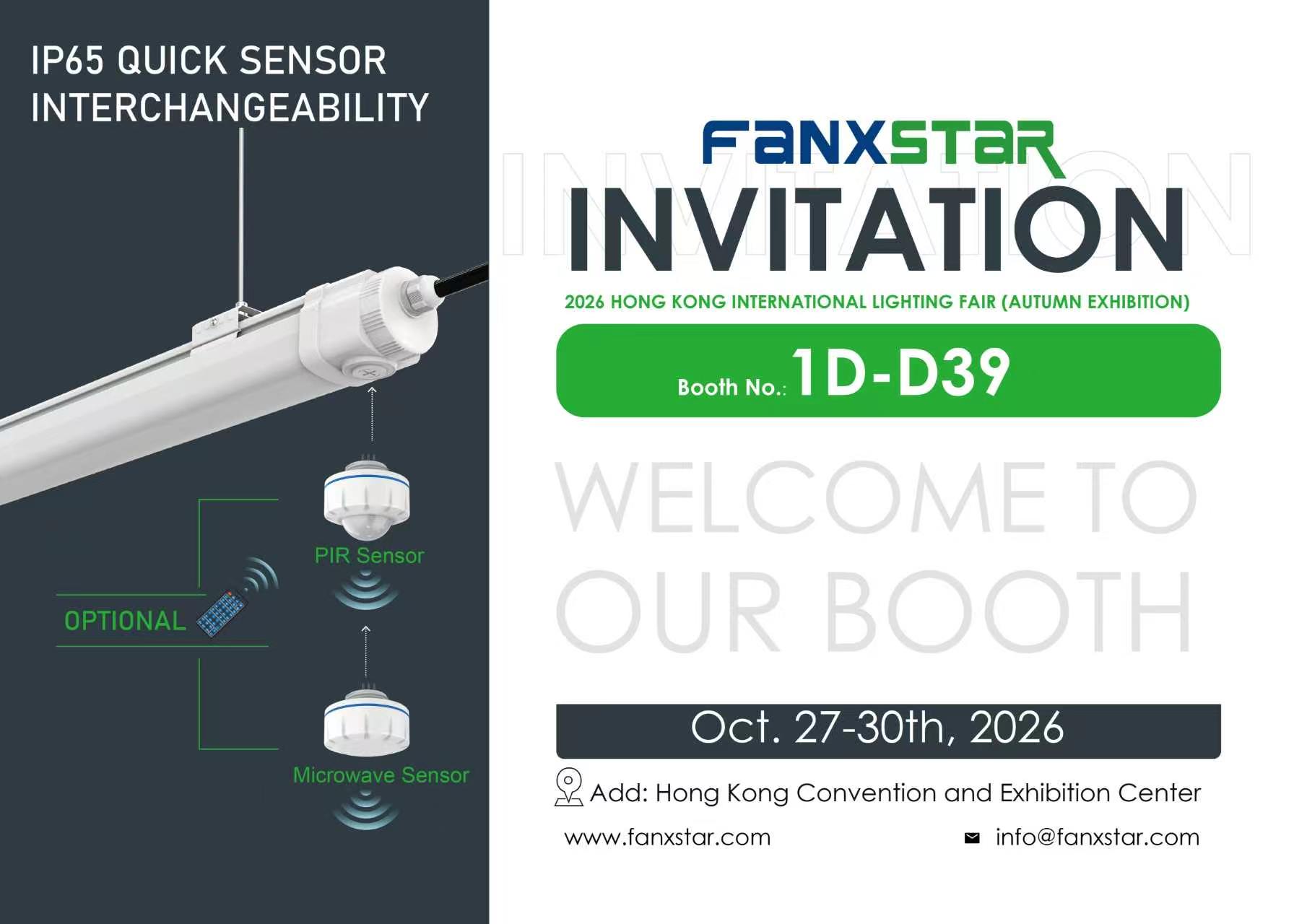
Microwave or PIR sensors ensure lights are only on when needed. |
|
Daylight Harvesting |
Automatically dims lights when natural sunlight is sufficient. |
Types and Applications
Styles and Sizes
LED batten lights come in various lengths (600mm, 1200mm, 1500mm) and profiles to suit different needs:
-
Traditional Tubular: Ideal for retrofitting warehouses and garages.
-
Ultra-thin Slim Batten: A modern, low-profile look popular in offices and retail.
-
Tri-proof Batten: IP65/IP66 rated for harsh industrial environments (water and dust proof).
Specialized Uses
Many industries rely on specialized fixtures for safety. Logistics centers benefit from smart-control battens, while food processing plants require fixtures that can withstand wash-downs. In emergency scenarios, models with built-in battery backups ensure 30 to 180 minutes of illumination during power outages, maintaining safety compliance.
Installation Basics
Tool-Free Assembly
One of the biggest advantages is the ease of installation. Many models feature a clip-on design that requires no tools after the brackets are mounted.
|
Step |
Action |
|---|---|
|
1. Safety |
Always turn off the main power supply before starting. |
|
2. Mounting |
Mark ceiling points and screw in the mounting brackets. |
|
3. Wiring |
Connect the power cable to the fixture’s terminal block. |
|
4. Fixing |
Clip the batten body onto the brackets until it snaps in place. |
|
5. Testing |
Turn power back on and check for uniform illumination. |
Maintenance Tips
To maximize lifespan, utilize sensors to prevent unnecessary runtime. Regular cleaning with a dry microfiber cloth ensures maximum light output. For industrial settings, periodically check that the IP-rated seals remain intact to prevent dust ingress.
LED batten lights offer proven benefits in efficiency, durability, and aesthetics. Whether upgrading a garage or outfitting a commercial facility, switching to this modern solution reduces maintenance costs and energy waste. Consider making the switch today for a brighter, sustainable future.
FAQ
What is the main advantage of LED batten lights over fluorescent tubes?
The primary advantages are energy efficiency (saving up to 75%), significantly longer lifespan, and instant-on capability without flickering.
Can users install LED batten lights without special tools?
Yes, many modern designs feature “tool-free” installation clips and quick-connect terminal blocks, making them very DIY-friendly.
Are LED batten lights dimmable?
Many models are dimmable, but not all. You must check the specifications for 0-10V, DALI, or Triac dimming compatibility before purchasing.
How long do they last?
LED batten lights typically last between 25,000 and 50,000 hours, which is roughly 3 to 5 times longer than standard fluorescent tubes.